7 things Donald Trump said after signing Epstein files bill

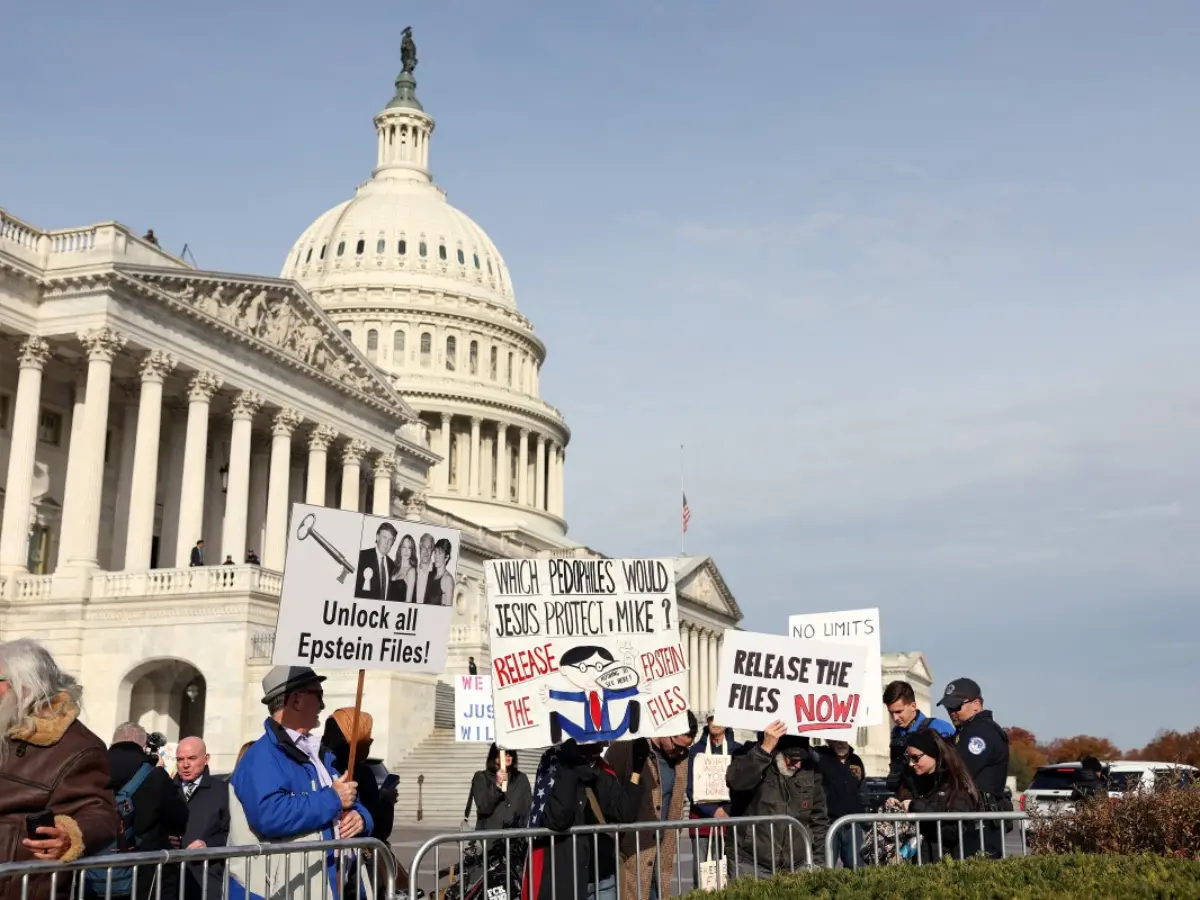
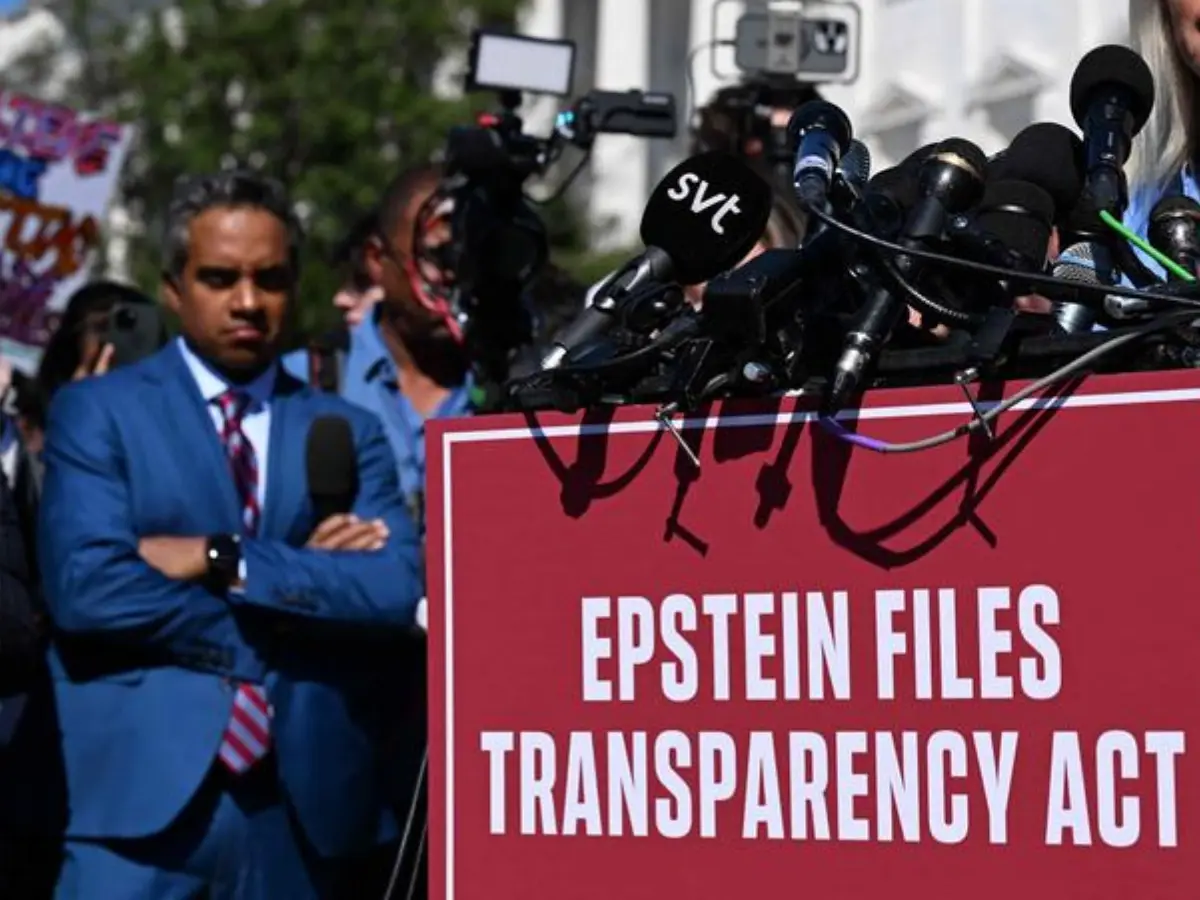
After signing the bill to release the Epstein files, former President Donald Trump posted a long statement outlining why he pushed for the legislation, what he claims Democrats hid, and how he believes the disclosure will reshape public understanding. Here are the key points he made.
1. Trump Said Epstein Was Charged Under His Own Justice Department
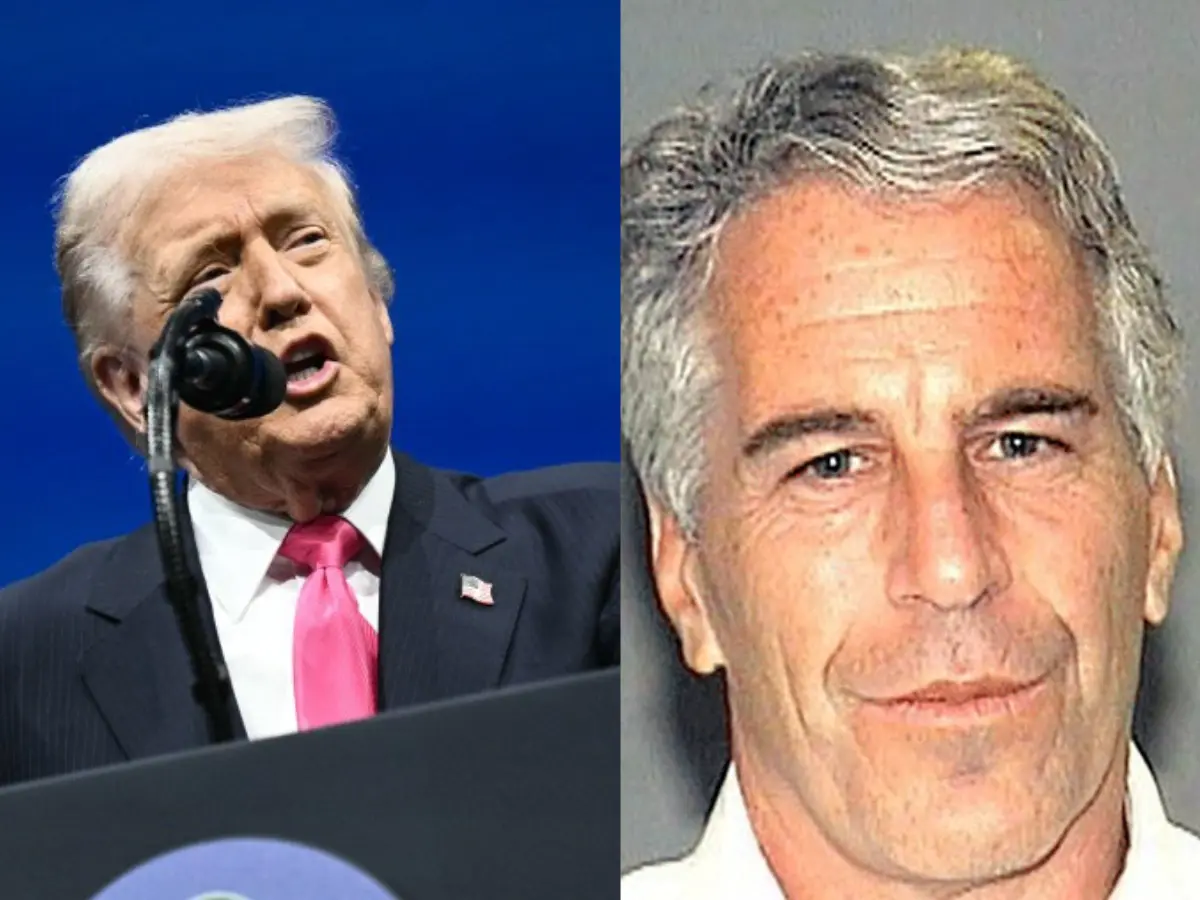
After signing the Epstein files bill, Donald Trump in a post on Truth Social emphasised that Epstein’s 2019 federal charges happened under his administration, not a Democratic one. He used this point to argue that his government took concrete legal action against Epstein before his death.
2. He Claimed Epstein Was Deeply Connected to Multiple Democratic Figures
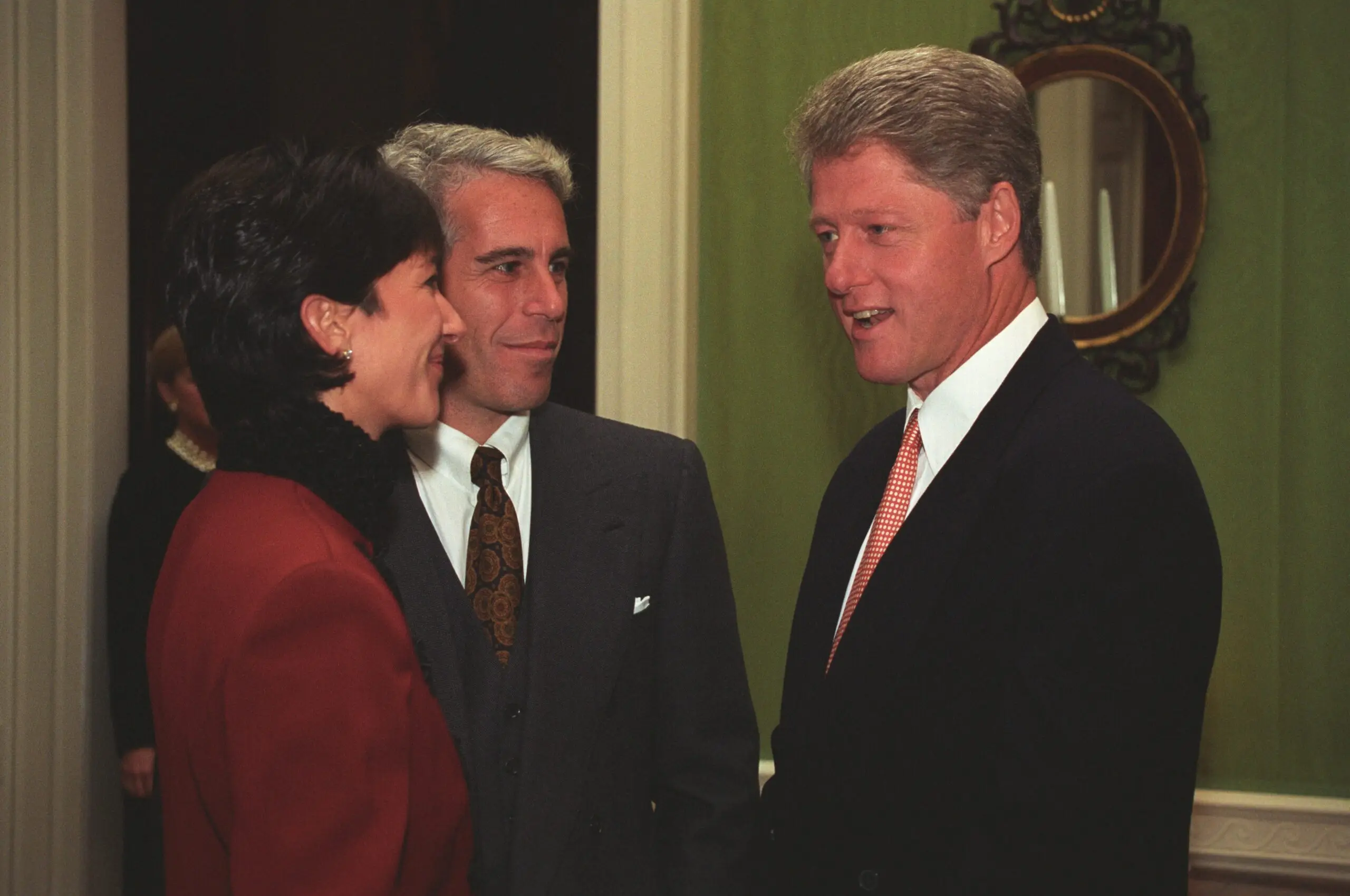
Trump listed several high-profile Democrats he says were associated with Epstein, including Bill Clinton, Larry Summers, Reid Hoffman, Hakeem Jeffries, and Stacey Plaskett. He framed these connections as a reason the files should be public.
3. He Announced That He Personally Signed the Epstein Files Release Bill
Trump highlighted the moment of signing and said he instructed House Speaker Mike Johnson and Senate Majority Leader John Thune to ensure bipartisan passage. He claimed Congress was “almost unanimous” in approving the bill.
4. He Said the DOJ Has Already Provided Tens of Thousands of Pages
According to Trump, the Department of Justice has turned over “close to fifty thousand pages” of Epstein-related documents to Congress following his directive, suggesting the process of disclosure has already begun.
5. He Accused the Biden Administration of Withholding Epstein Documents
Trump claimed that during Biden’s presidency, “not a single file or page” related to Epstein was released or discussed. He argued that Democrats used the Epstein issue as a distraction from policy controversies.
6. He Framed the Bill as Part of His Broader Political Agenda
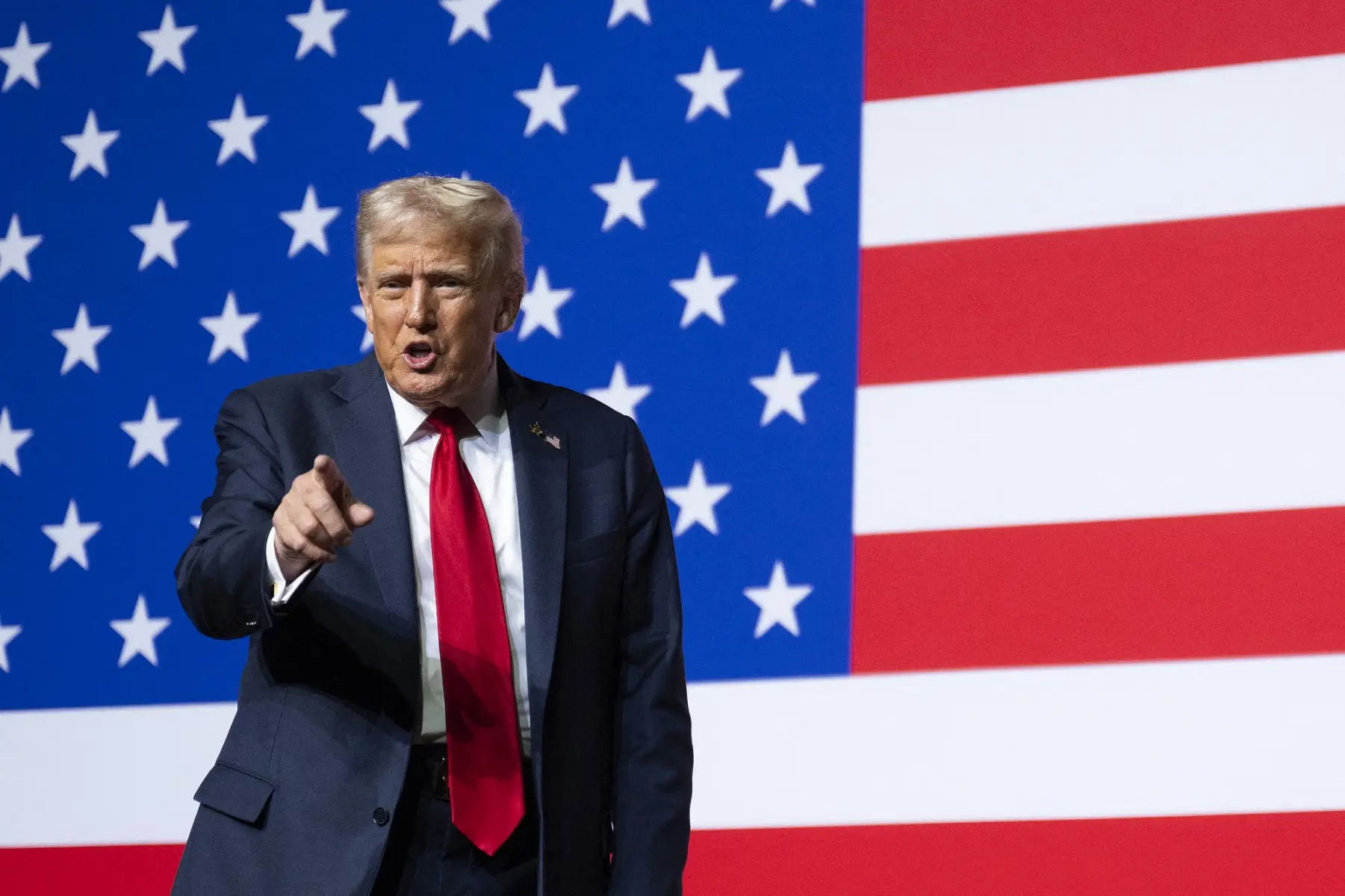
Trump connected the release of the Epstein files with his familiar campaign themes, border security, taxes, inflation, transgender sports bans, military spending, and US foreign policy. He stated that Democrats used the Epstein topic to overshadow these issues.
7. He Said Democrats’ “Hoaxes” Would Backfire After the Files Drop
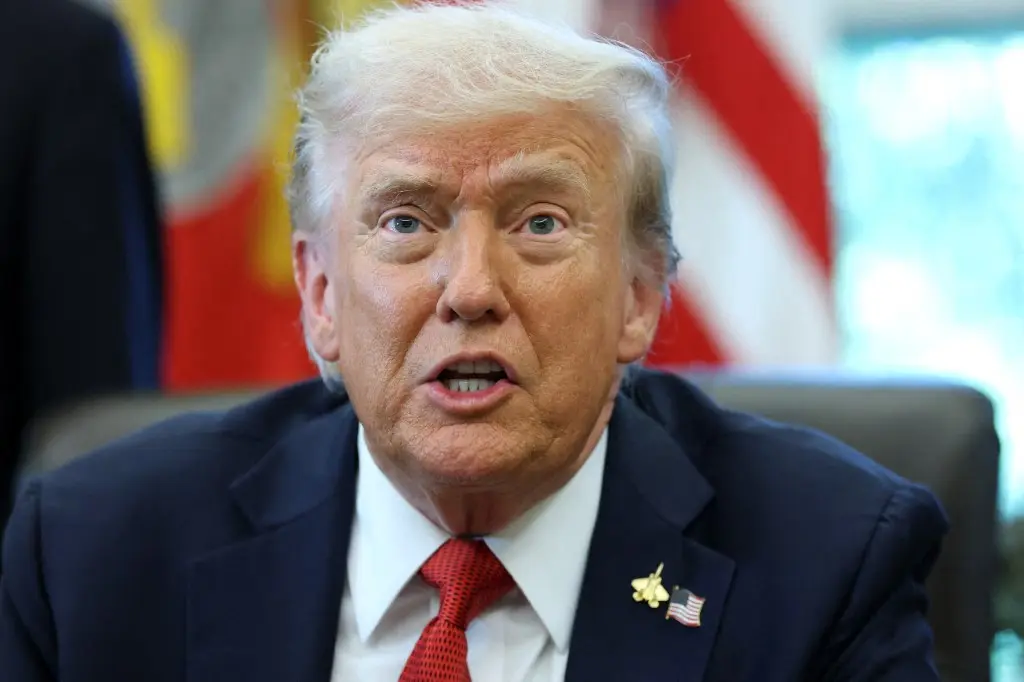
In the final part of his message, Trump argued that revealing Epstein-related material would expose Democrats’ “witch hunts,” referencing impeachment, Russia investigations, and other disputes. He concluded that transparency would ultimately help his political narrative.
)
)
)
)
)