7 shocking facts about the F-22 Raptor that the US Air Force doesn’t talk about

Beyond its fearsome reputation, the aircraft hides surprising and little-known details that even many aviation enthusiasts may not realise.
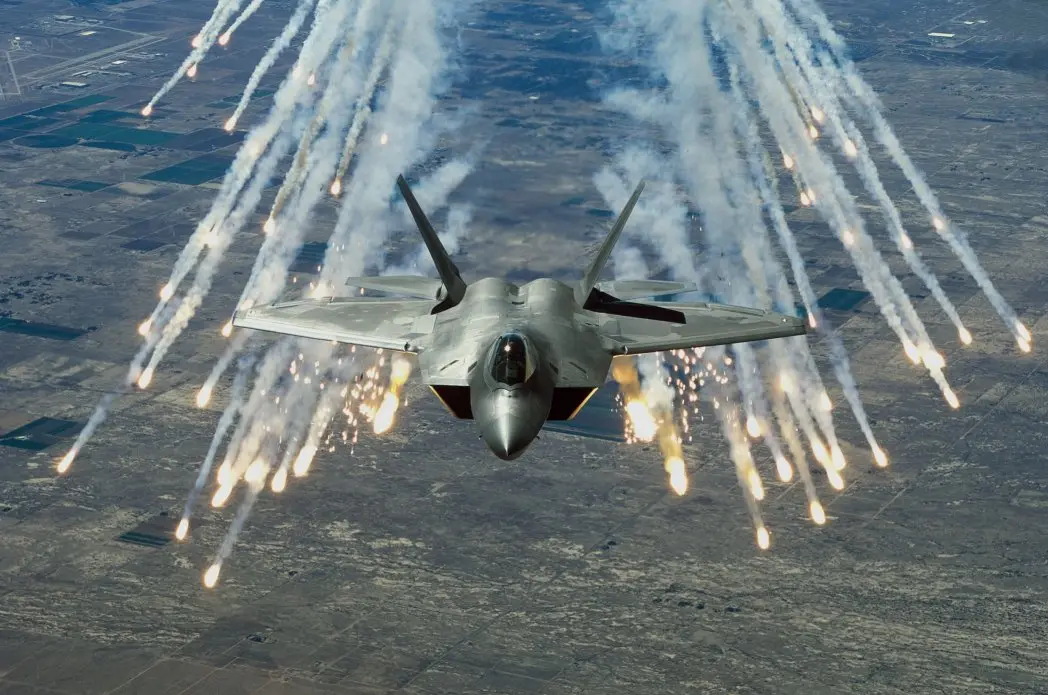
The Stealth Fighter That Became a Legend
The F-22 Raptor is widely regarded as one of the most advanced fighter jets ever built, combining stealth, speed, and cutting-edge avionics. Yet beyond its fearsome reputation, the aircraft hides surprising and little-known details that even many aviation enthusiasts may not realise. From bizarre design quirks to operational mysteries, here are seven of the strangest facts about the Raptor.
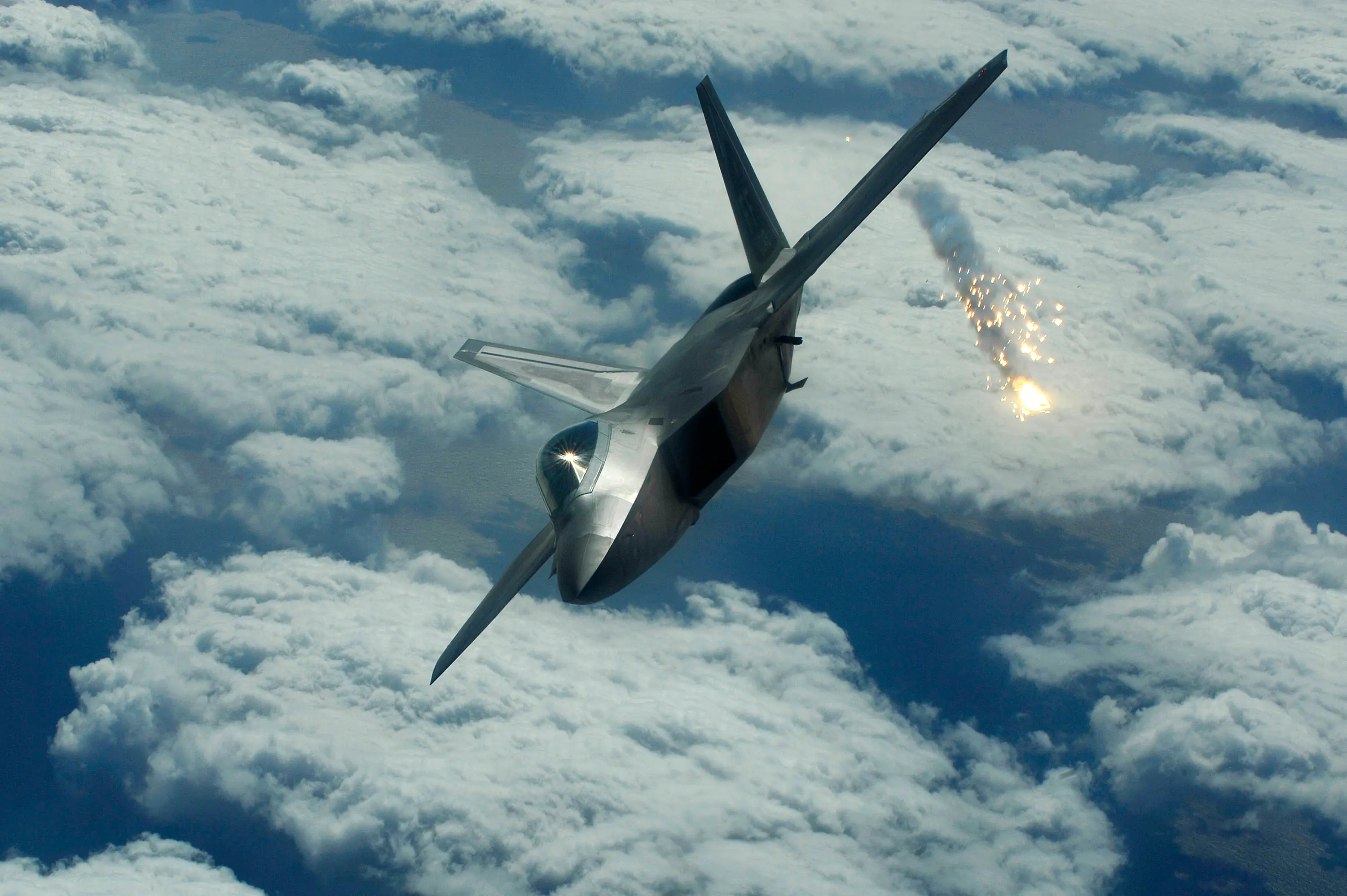
A Fighter Too Advanced to Sell
Unlike the F-35, which has been exported to allies across the world, the F-22 remains strictly off-limits. US law prohibits Lockheed Martin from selling the aircraft abroad, making it one of the few modern fighters reserved solely for American use. The restrictions were introduced because of concerns that sharing the jet’s stealth technology, avionics, and radar systems would compromise national security.
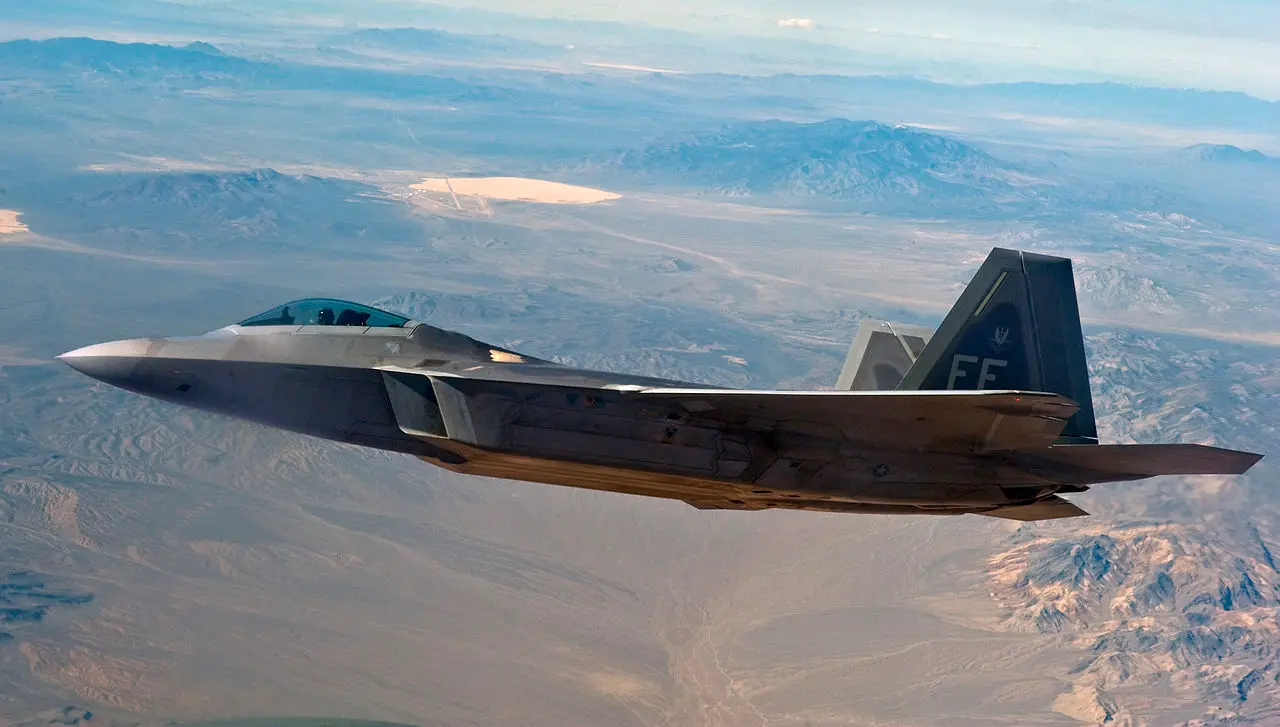
A Fleet Smaller Than You Think
Despite its fame, very few F-22s actually exist. Only 187 production aircraft were ever built before the programme was halted in 2011. High costs and shifting defence priorities meant the Raptor fleet never reached the numbers originally planned. Today, each aircraft is considered irreplaceable, making the loss of even one a serious setback for the US Air Force.
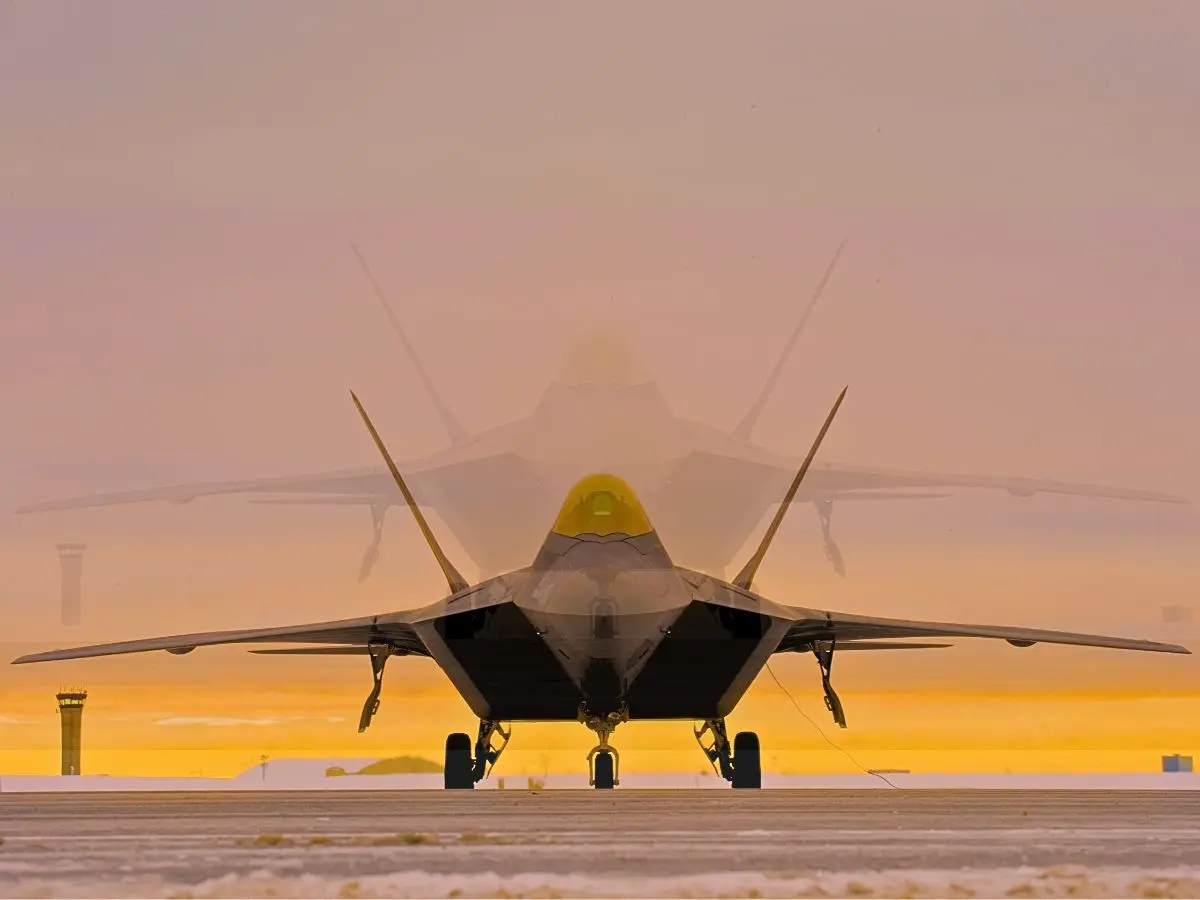
Titanium Everywhere, But No 'Bathtub'
The F-22 is often confused with the A-10 Thunderbolt II, which famously surrounds its pilot in a titanium ‘bathtub’. In reality, the Raptor’s titanium makes up around 40 per cent of its airframe and is used primarily for strength, heat resistance, and durability under high-stress manoeuvres. While it provides structural resilience, it does not serve as pilot armour.
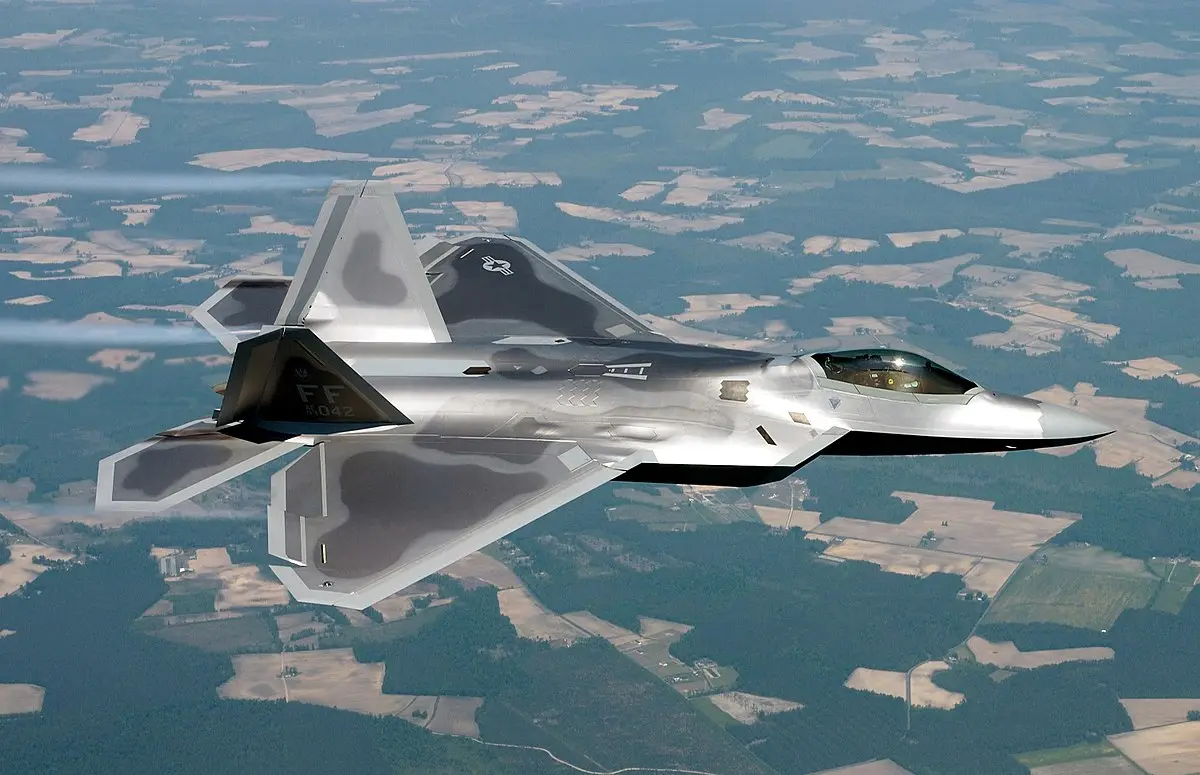
A Canopy That Trapped a Pilot
In 2006, one F-22 pilot found himself stuck inside the cockpit after the canopy failed to open. Ground crews were forced to use a chainsaw to cut the pilot free, damaging the jet and costing the Air Force over $1,80,000 in repairs. The bizarre incident briefly grounded several Raptors until engineers fixed the fault.
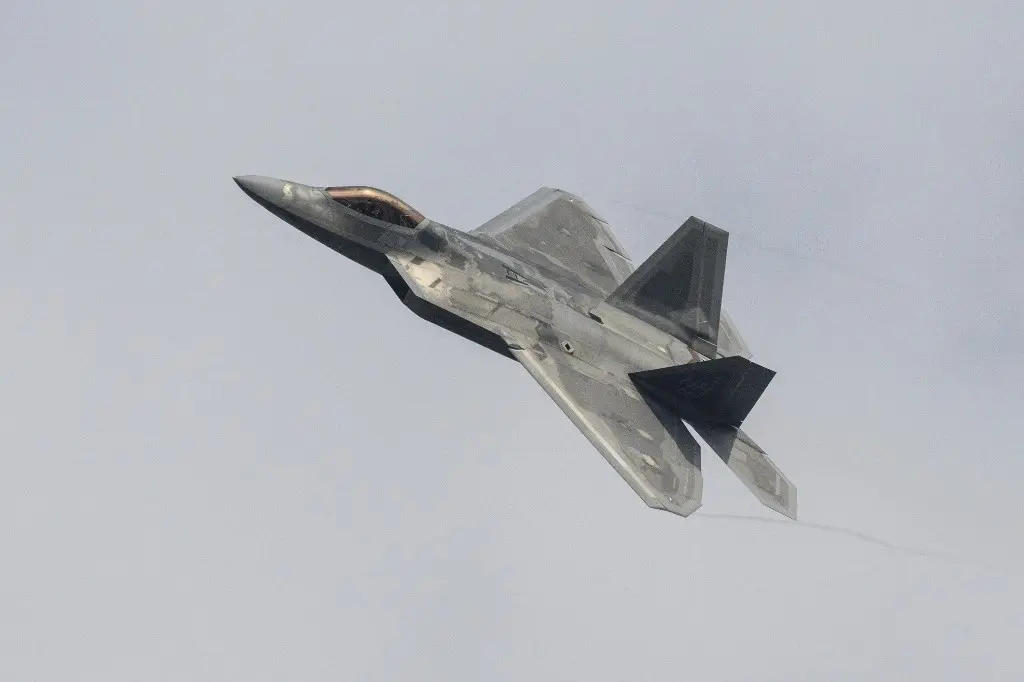
Oxygen Problems That Grounded Pilots
Between 2008 and 2012, a number of pilots reported experiencing hypoxia-like symptoms while flying the F-22. Investigations revealed issues with the jet’s oxygen supply system, leading to restrictions on training and operations. Modifications were eventually made, but the controversy highlighted how even the most advanced fighters can be vulnerable to fundamental design flaws.
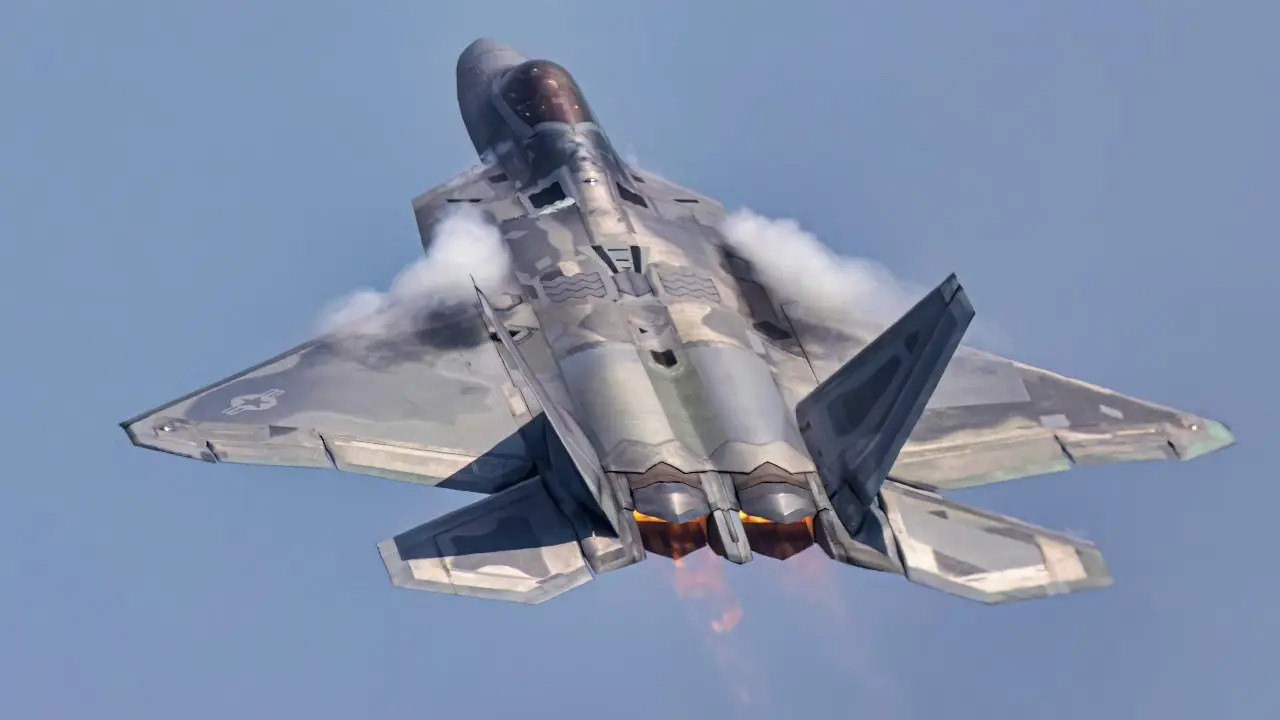
Supercruise Without Afterburners
One of the Raptor’s signature capabilities is supercruise, the ability to fly supersonically without using afterburners. This allows it to maintain high speeds without the massive fuel penalties suffered by other jets. Few fighters in history have achieved this consistently, giving the F-22 a major tactical edge.
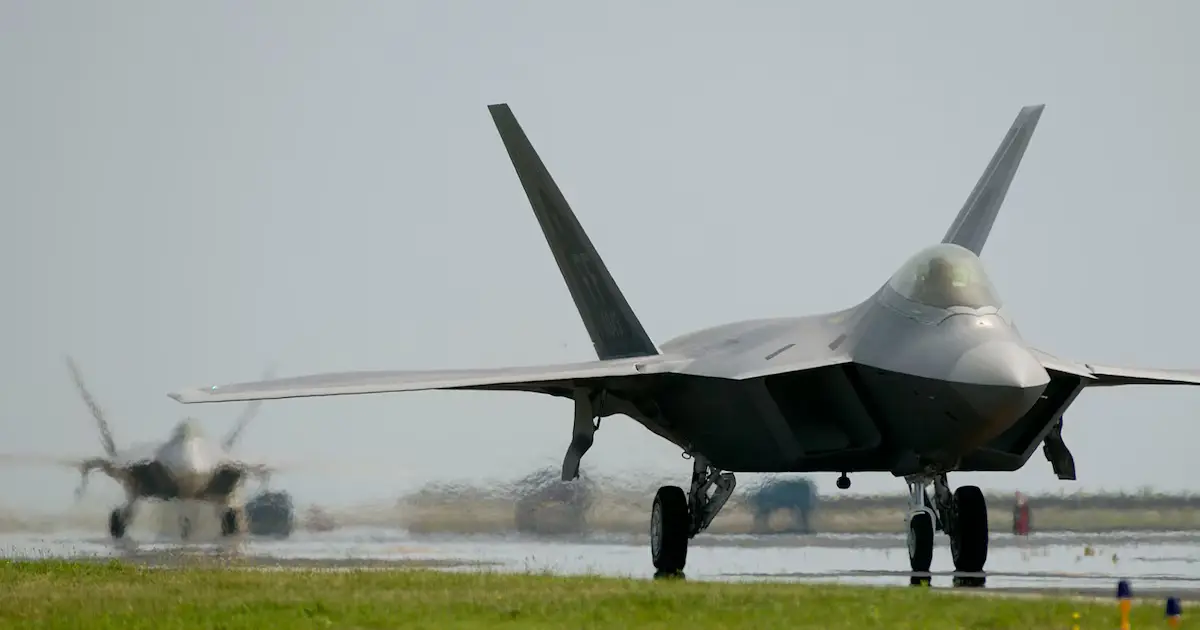
Unbeaten in Combat Exercises
In simulated battles such as the Red Flag exercises, the F-22 has recorded lopsided victories against advanced opponents. Kill ratios as extreme as 144 to zero have been reported in training scenarios. Even when heavily outnumbered, the aircraft’s stealth, sensors, and manoeuvrability make it nearly impossible to counter in mock combat.
)
)
)
)
)