• Wion
  • /Photos
  • /7 secrets hidden in the design of B-2 Bomber

7 secrets hidden in the design of B-2 Bomber

The B-2 Spirit isn’t just another bomber, it’s a flying fortress of secrets. Decades after its debut, many of its design features remain shrouded in mystery. Here are 7 secrets hidden in its design:
The Flying Wing Shape
1 / 7
(Photograph: Creative Commons)

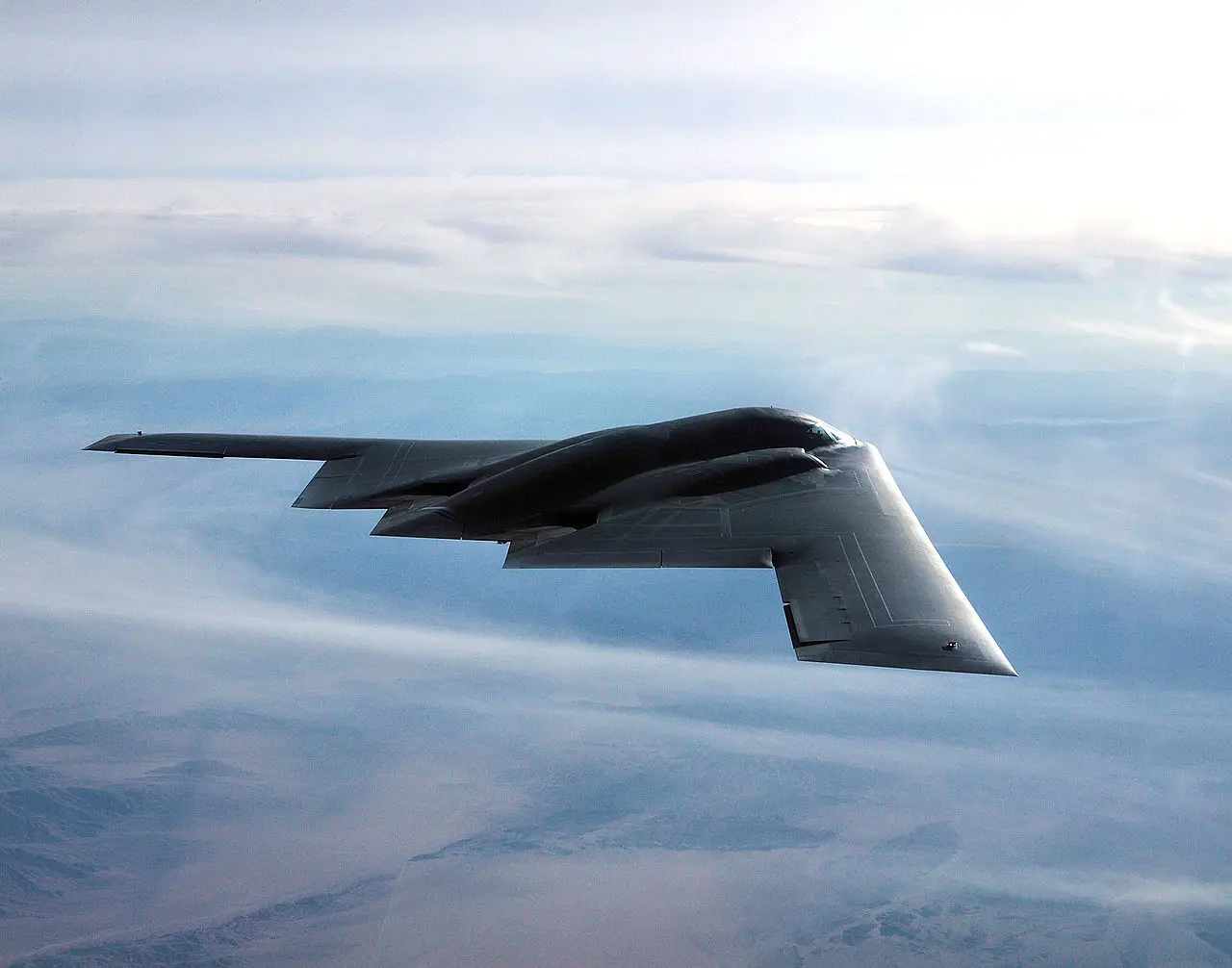
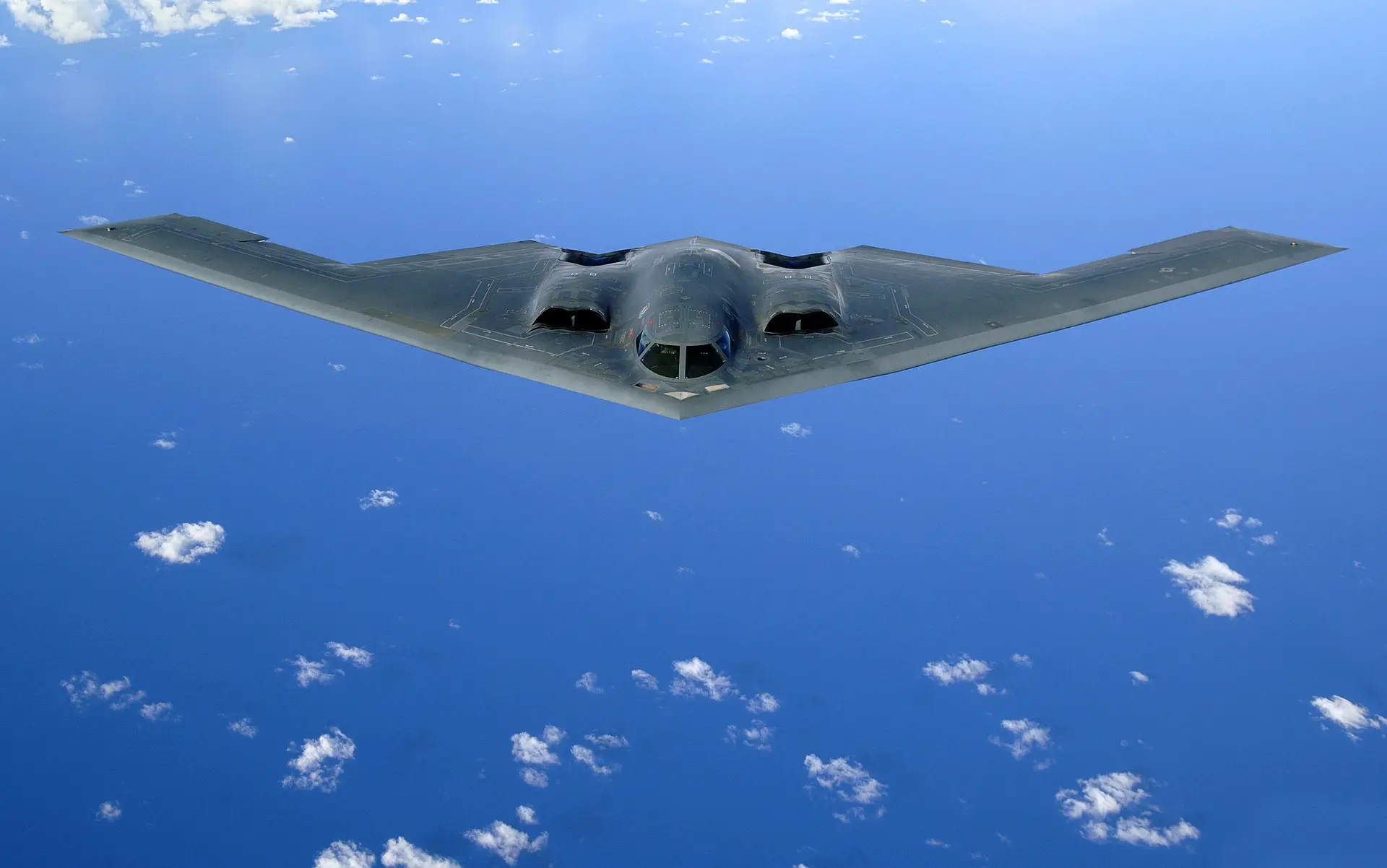
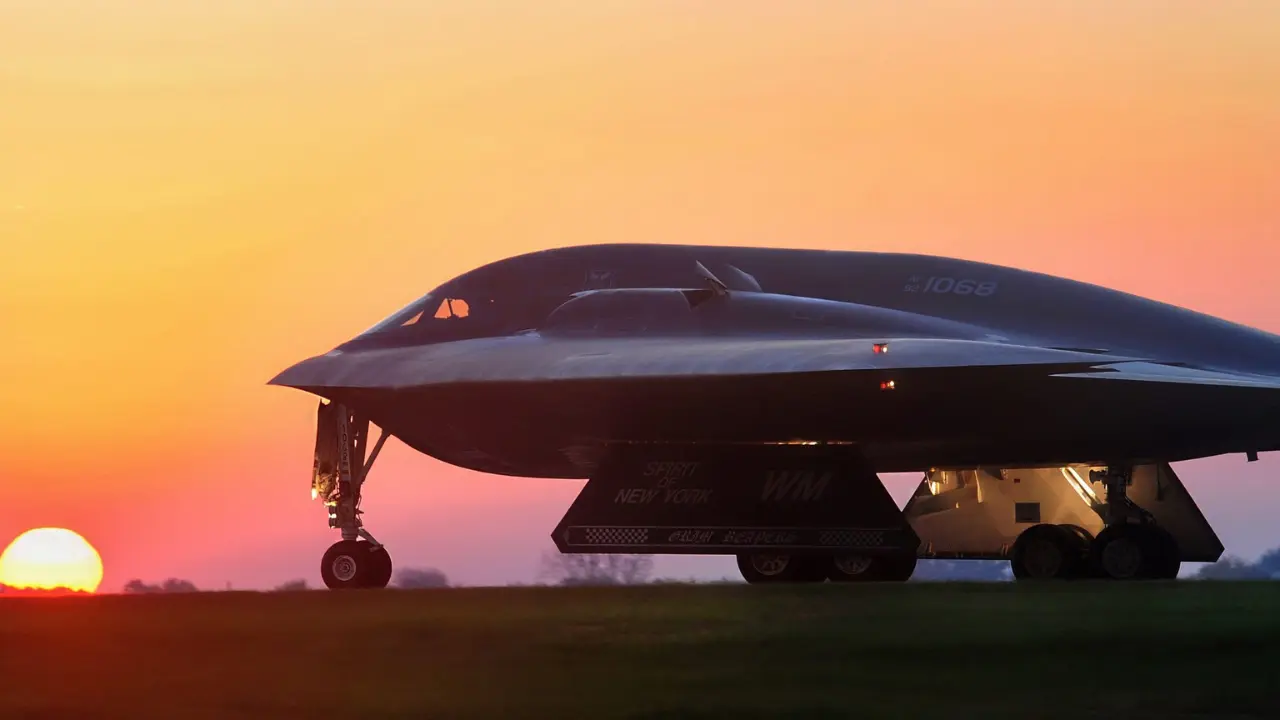
The Flying Wing Shape

The B-2’s bat-like flying wing design isn’t just for looks. It eliminates vertical stabilisers, making it harder for enemy radars to detect the bomber from any angle.

Radar-Absorbing Skin
2 / 7
(Photograph: AFP)

Radar-Absorbing Skin

The jet’s surface is coated with a special radar-absorbing material (RAM) that hides it from enemy detection. The exact chemical composition is still classified.

Hidden Engine Intakes
3 / 7
(Photograph: Wikimedia Commons)

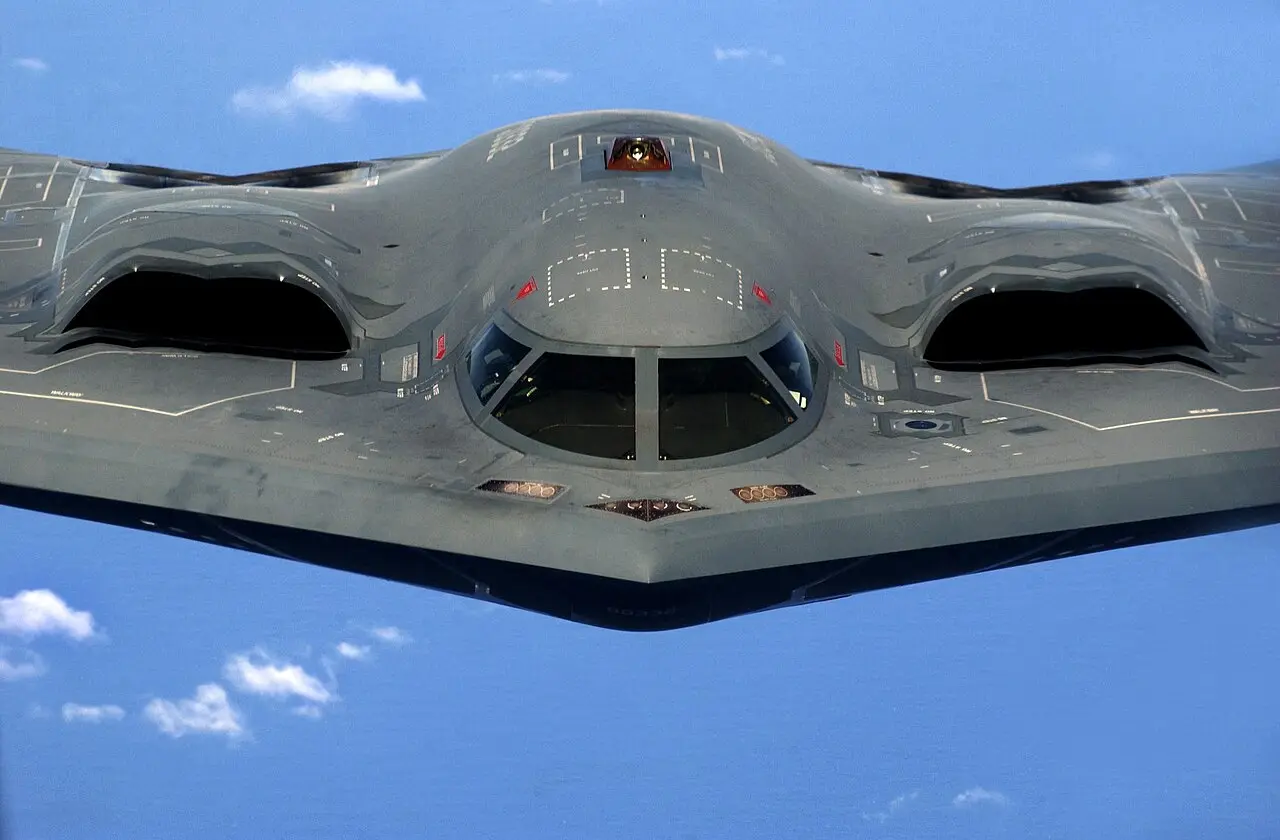
Hidden Engine Intakes

The B-2’s engines are buried deep inside its body with S-shaped air intakes. This design blocks radar waves from bouncing off its turbines, a common giveaway in other jets.

Exhaust Masking Technology
4 / 7
(Photograph: Lockheed Martin)

Exhaust Masking Technology

Heat-seeking missiles track jet exhaust, but the B-2’s exhaust is cooled and spread across the wing’s surface to minimise its infrared signature, making it nearly invisible to heat sensors.

Secret Communication Systems
5 / 7
(Photograph: Northrop Grumman)

Secret Communication Systems

The bomber uses highly encrypted, low-probability-of-intercept radios that allow it to communicate with US command without being tracked. Some of these systems are still top secret.

Special Bomb Bays
6 / 7
(Photograph: US Air Force)

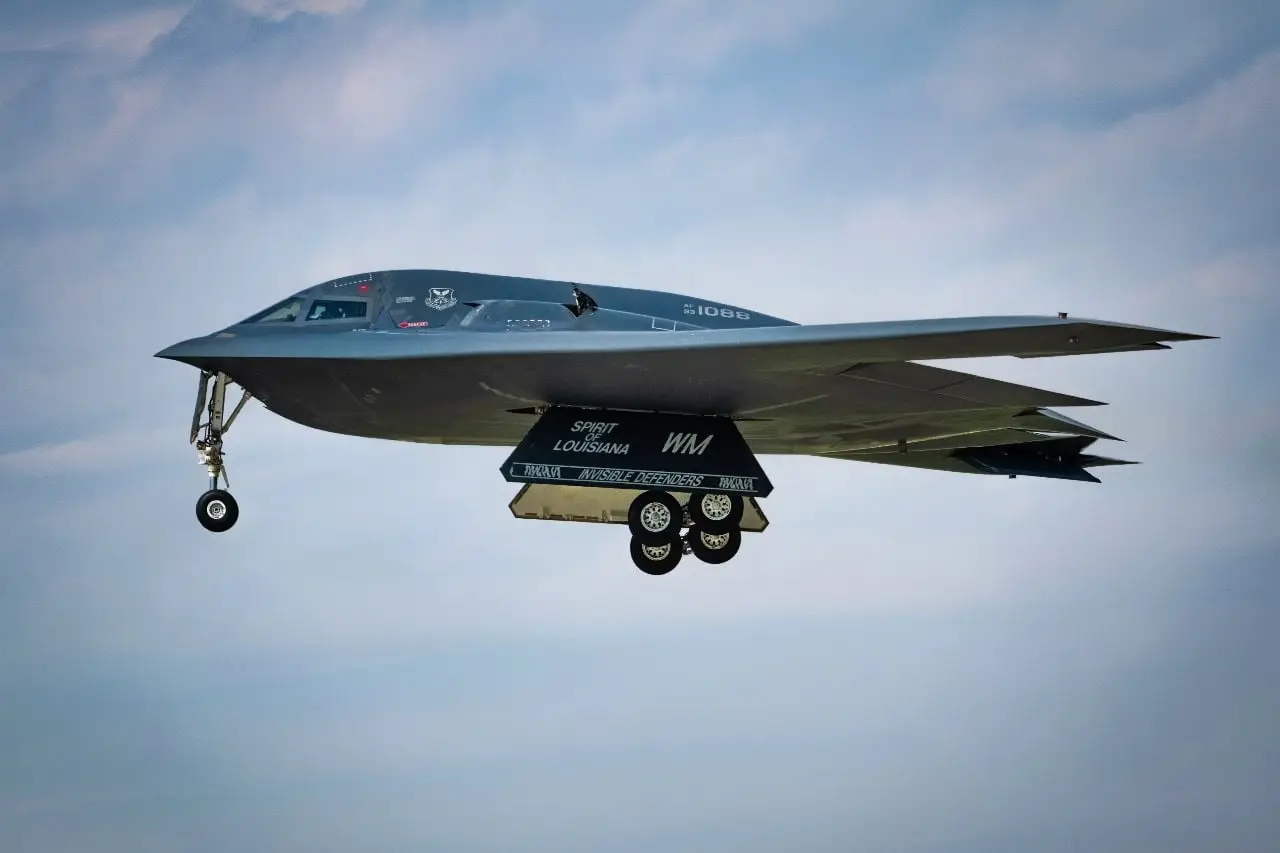
Special Bomb Bays

Its internal bomb bays can carry both nuclear and precision-guided conventional weapons. But more intriguing is how they’re designed to open and close in a way that reduces radar detection during combat.

Self-Healing Software
7 / 7
(Photograph: US Air Force)

Self-Healing Software

The B-2’s onboard systems are programmed to self-correct mid-flight. If one computer system fails, another instantly takes over, ensuring the bomber completes its mission.