7 reasons why China is mass-producing Chengdu J-20 stealth fighter jets faster than ever

China is rapidly boosting production of Chengdu J-20 stealth fighters for strategic, technological and regional power reasons, reshaping the Asian air combat landscape.
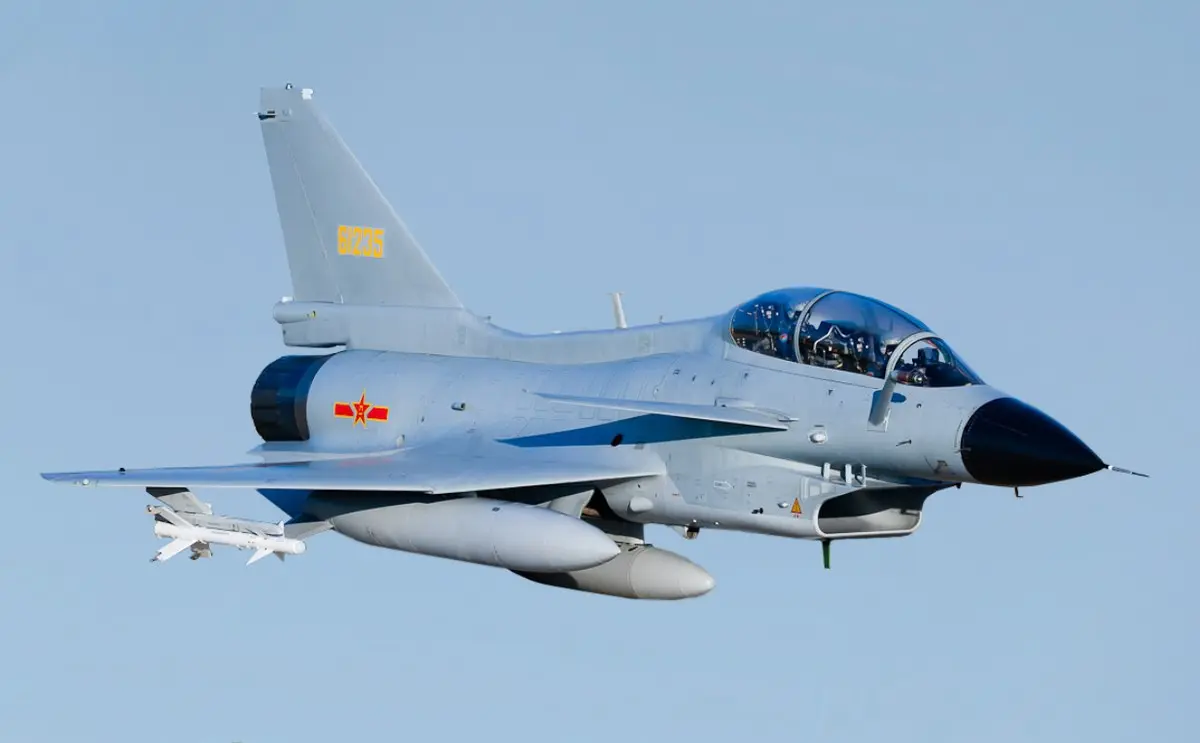
Home-grown engines drive J-20 surge
China’s decision to use domestic WS-10 engines has ended reliance on Russian designs. This move significantly accelerated the pace and scalability of J-20 manufacturing lines.
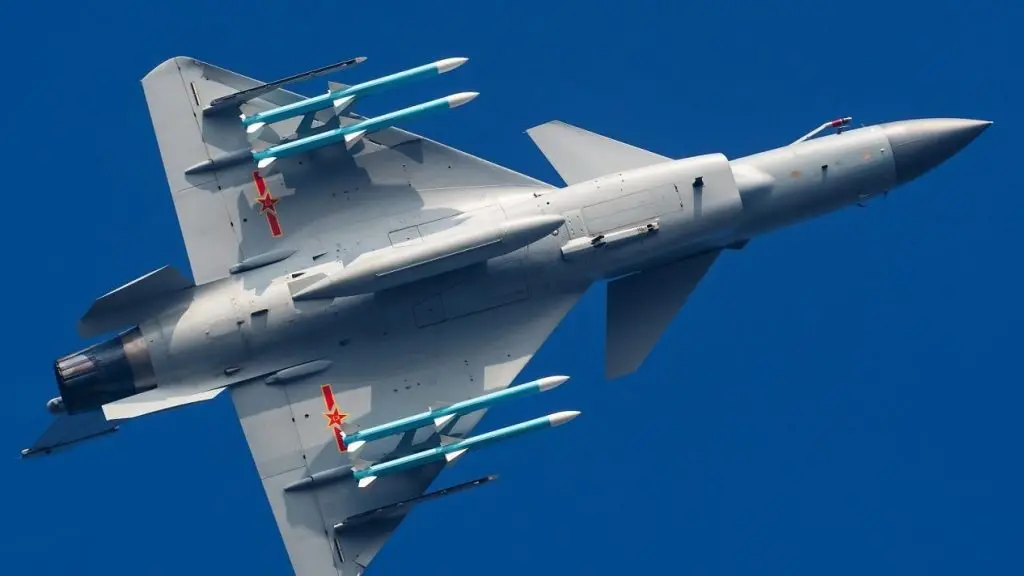
Massive industrial capacity unleashed
China leverages its advanced aerospace manufacturing centres for sustained J-20 assembly. Streamlined supply chains and state support help boost output year-on-year.
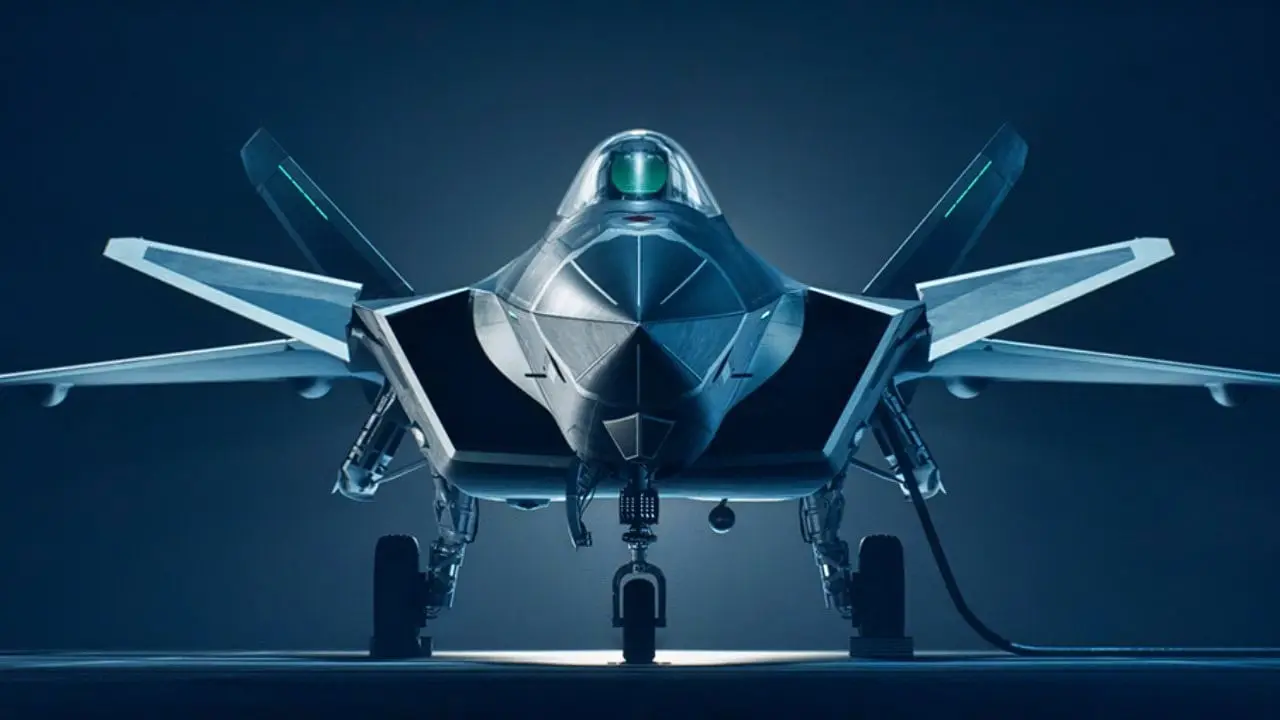
Strategic rivalry: US in China’s sights
As tension grows with the US, China aims to match Western fifth-generation jet numbers. Accelerated J-20 production seeks to close the gap with F-22 and F-35 deployments.
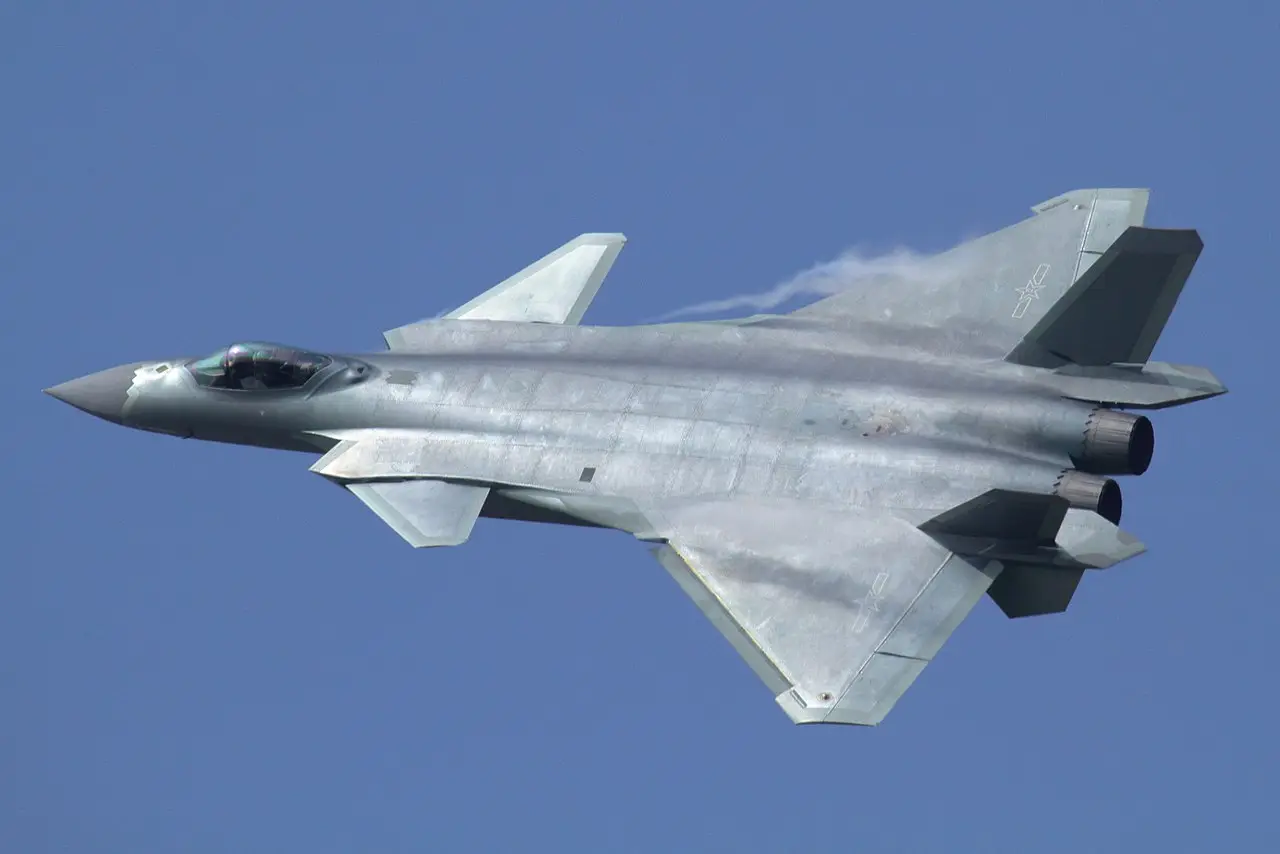
Out with the old, in with the new
J-20s are replacing ageing PLA Air Force fighters, including the J-7 and J-10 variants. Upgrades ensure China’s frontline squadrons remain modern and combat-ready.
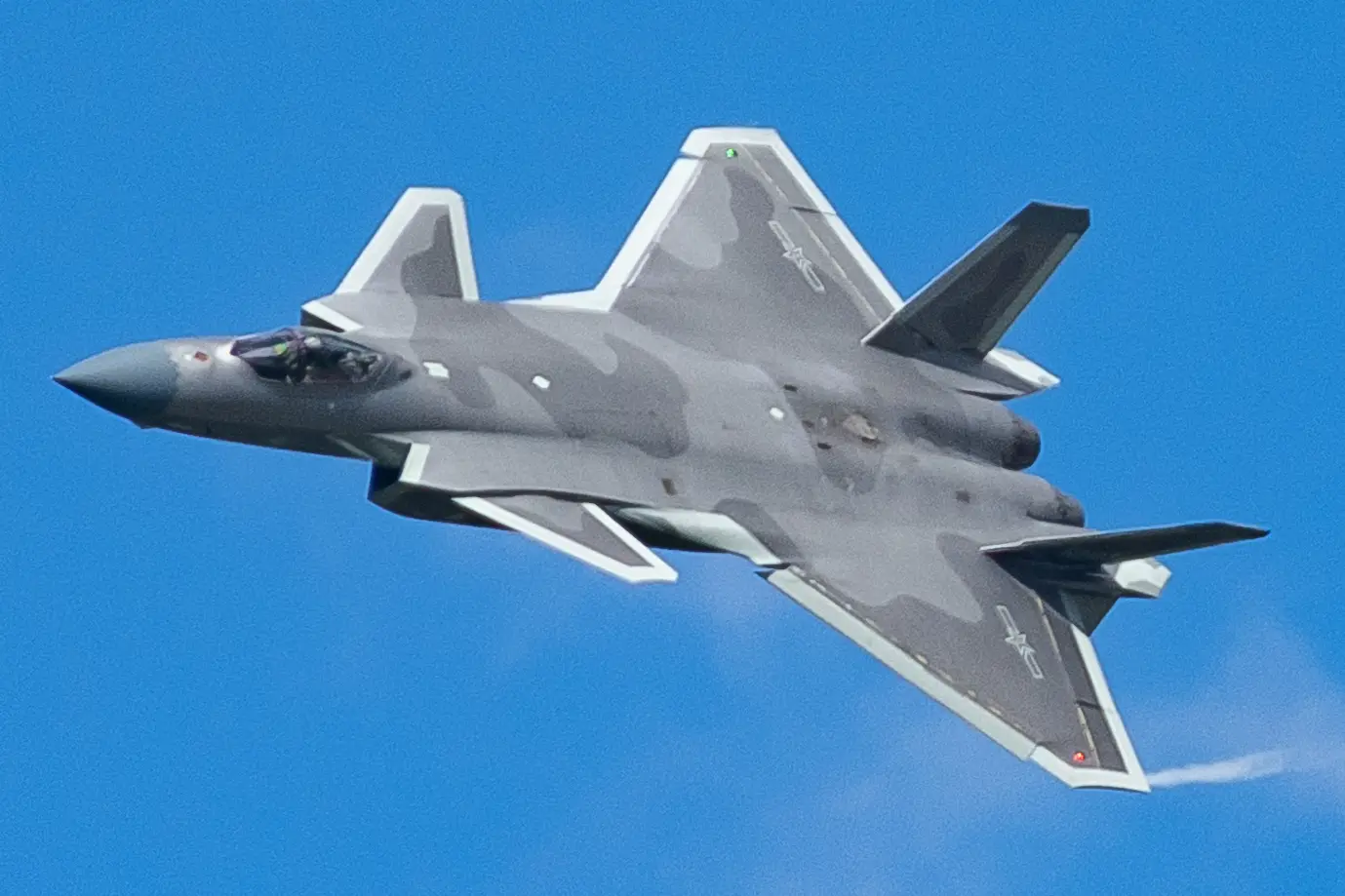
Stealth doctrine adopted nationwide
China is pushing stealth tactics across its air force, increasing pilot training and J-20 integration. This focus drives further investment in rapid stealth jet production.
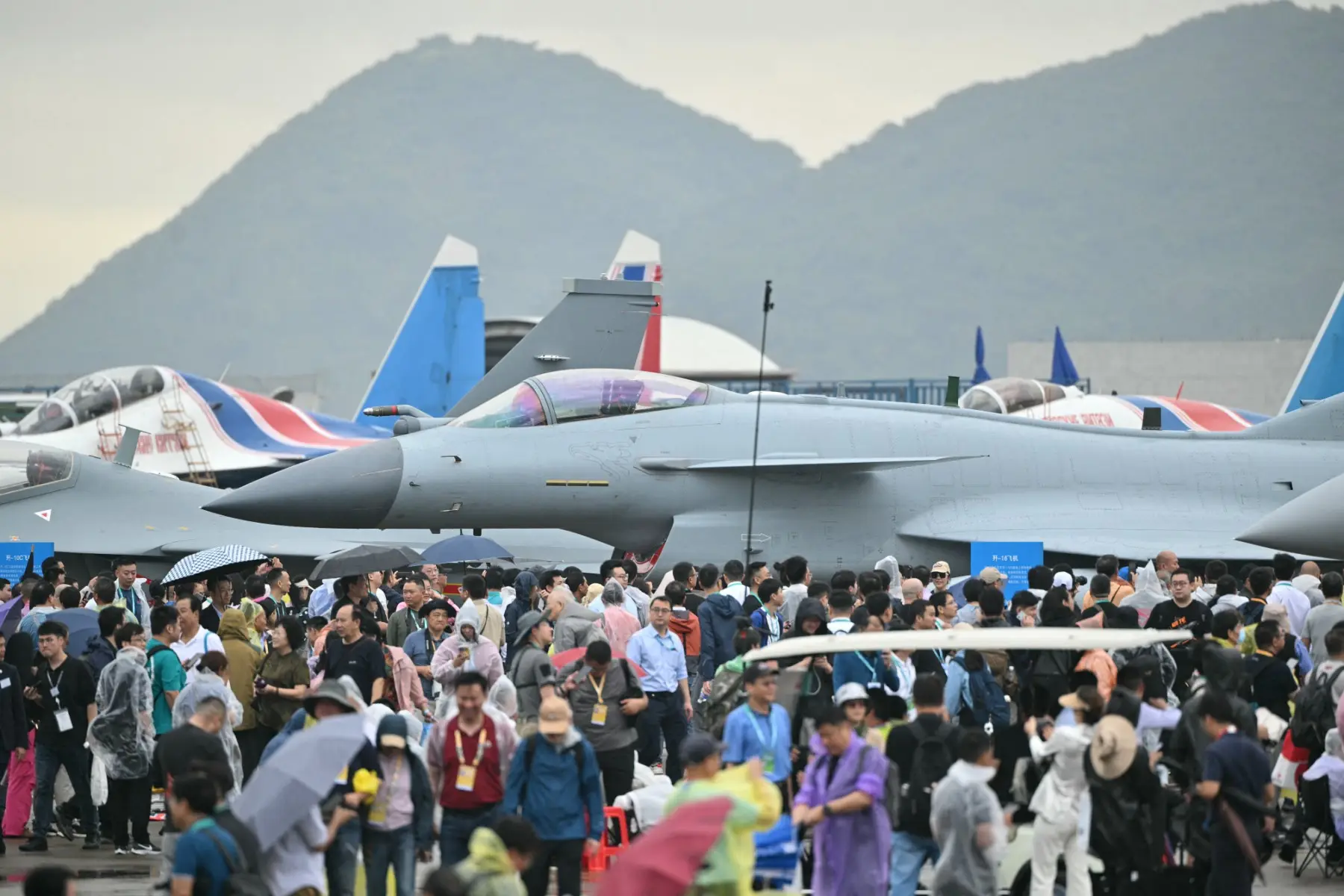
Regional deterrence: Show of force
Expanding the J-20 fleet sends a strong signal to regional rivals in the South and East China seas. Frequent sorties are used to deter adversaries and assert air dominance.
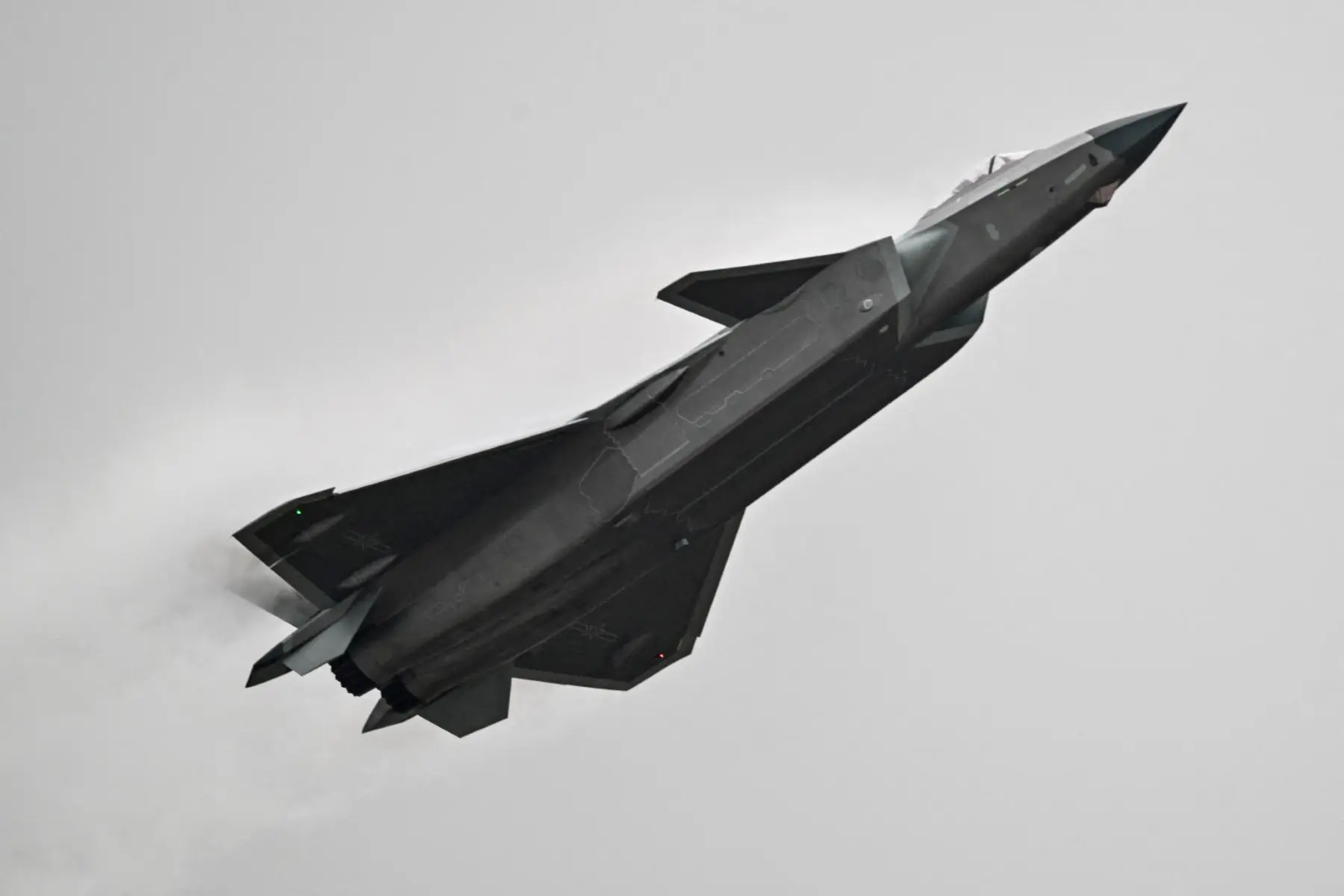
Lessons from modern air warfare
Recent conflicts have shown the value of stealth jets for survival and strike missions. China is applying these lessons, boosting J-20 output to prepare for future conflicts.
)
)
)
)
)