7 reasons why 3I/ATLAS’s size and speed makes it a unique threat to Earth

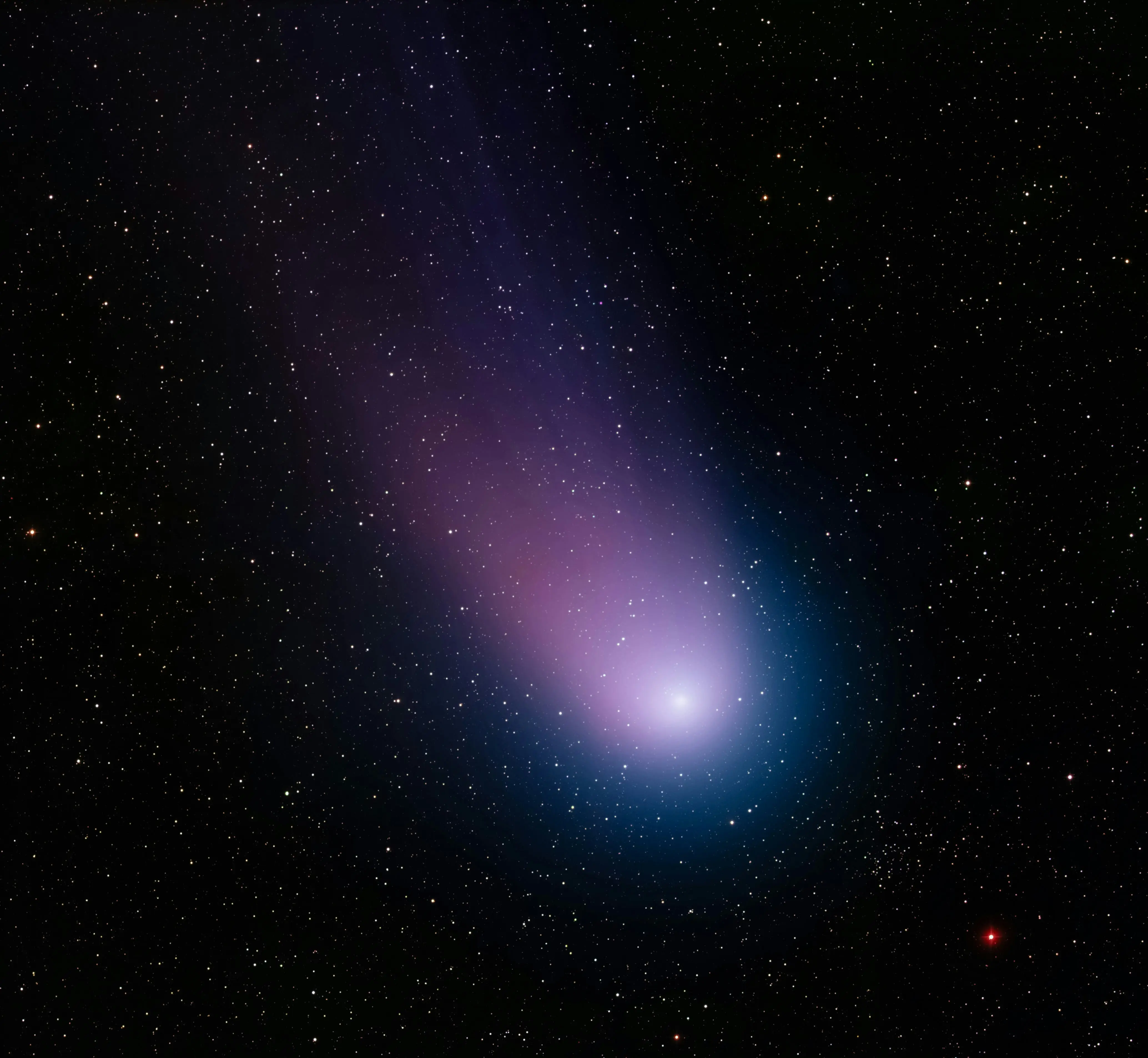
Experts say that if an object like this were on a collision course with Earth, it could pose unprecedented challenges for planetary defence systems. Here are seven reasons why its size and speed make it unlike any threat humanity has faced before:
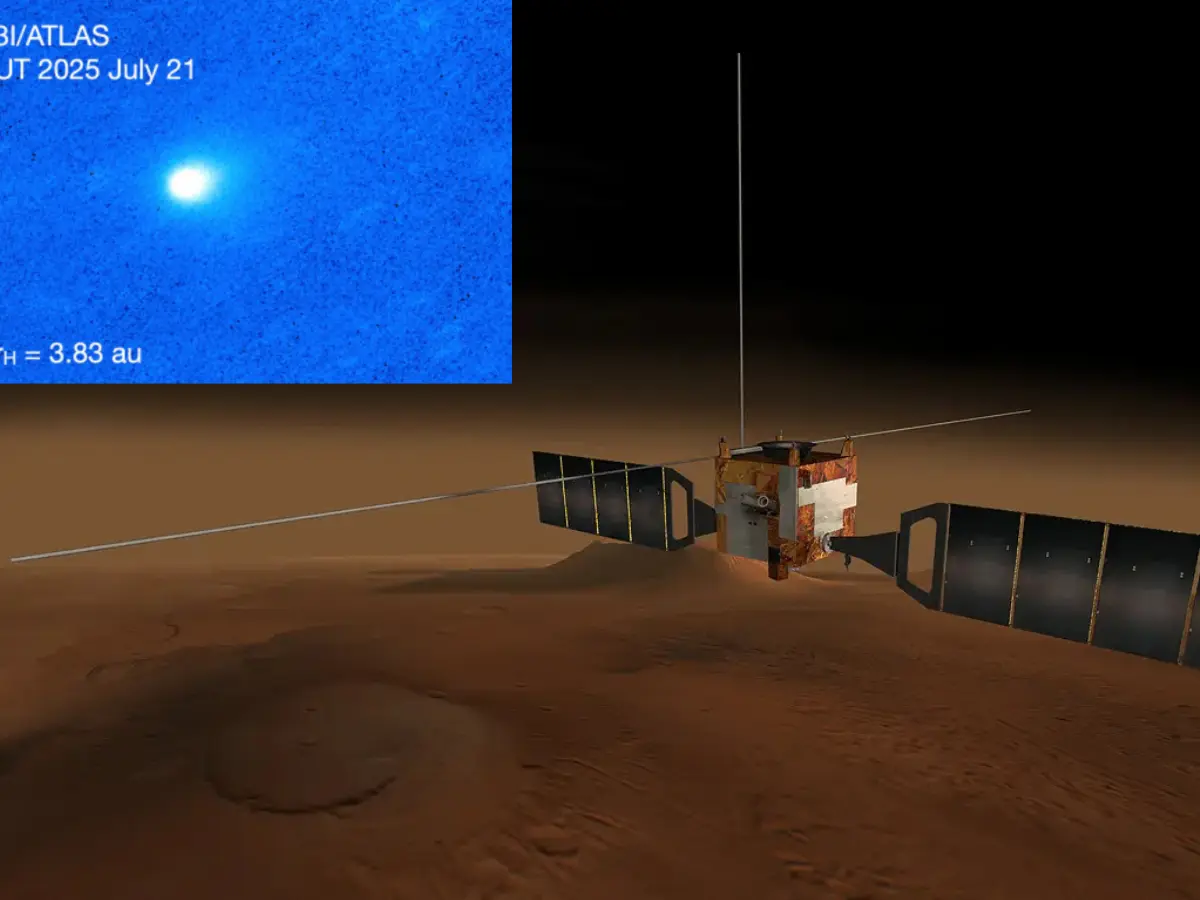
1. It’s Potentially Larger Than Most Known Comets
Early estimates suggest 3I/ATLAS could be dozens of kilometres wide, possibly rivalling or exceeding the size of the comet that ended the age of dinosaurs. Its sheer bulk means even a glancing impact could cause catastrophic damage.
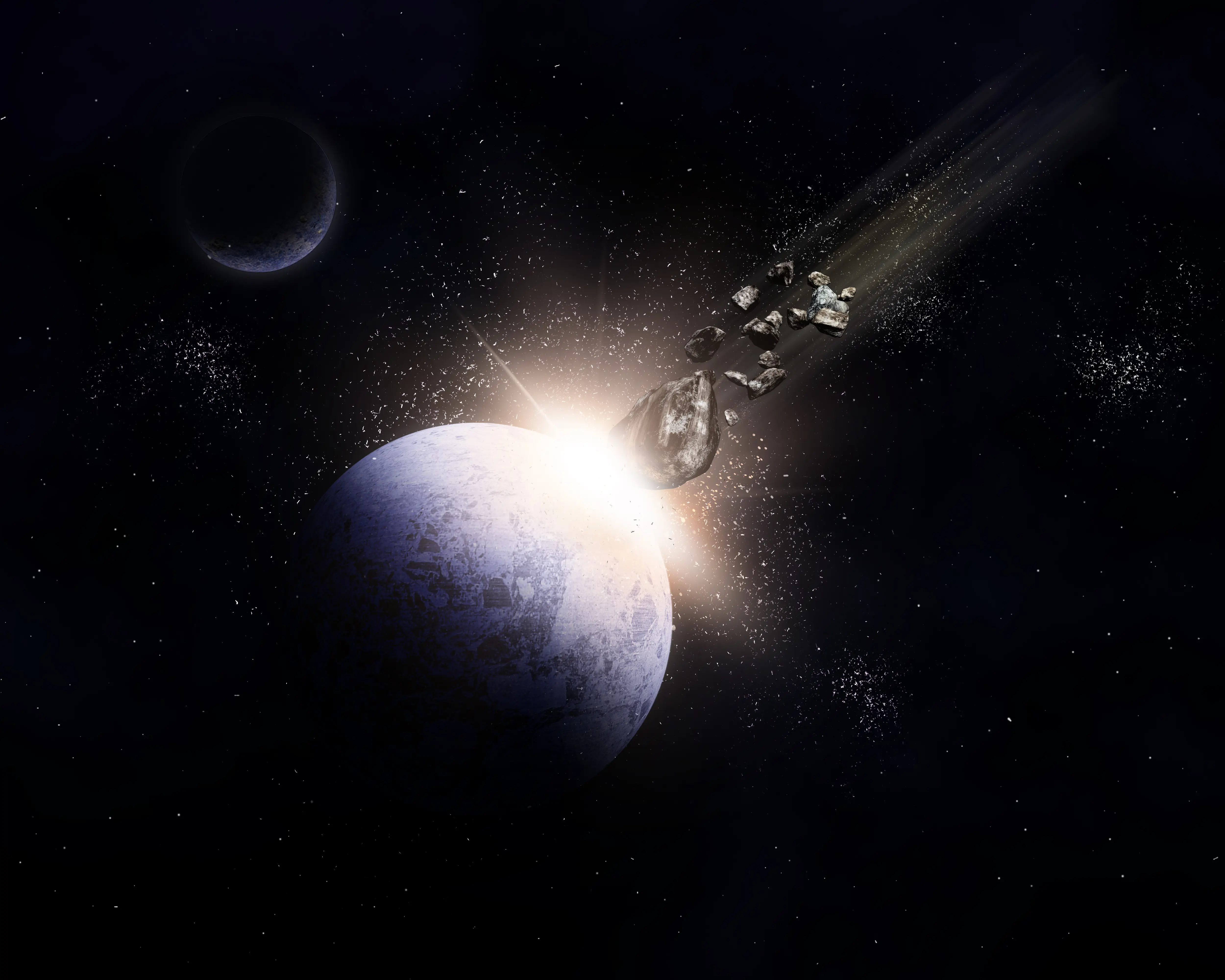
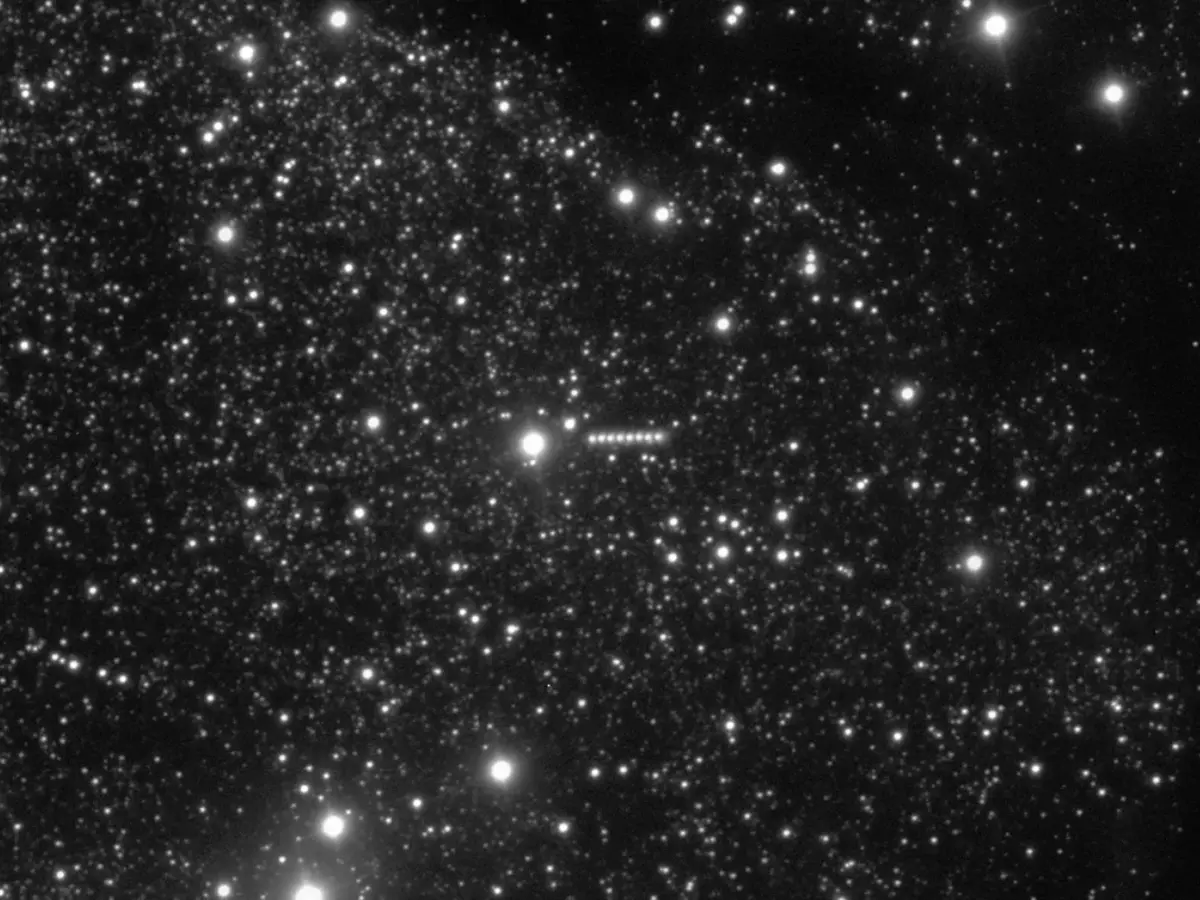
2. Interstellar Speed Limits Early Detection
Traveling at over 70 km/s, 3I/ATLAS moves significantly faster than typical comets from our Solar System. This shortens the warning time available to detect, track, and prepare defensive measures against any potential impact trajectory.
3. Current Deflection Technology May Not Work
Most planetary defence systems are designed for predictable, slower-moving objects. The speed and mass of 3I/ATLAS would make intercepting or deflecting it far more complex, possibly requiring entirely new strategies.
4. It Could Release Unprecedented Energy on Impact
The kinetic energy of a fast-moving, massive body grows exponentially. A 3I/ATLAS-sized impactor could release energy millions of times more powerful than the largest nuclear bombs, dwarfing any previous natural disaster.
5. Its Trajectory Would Be Hard to Predict
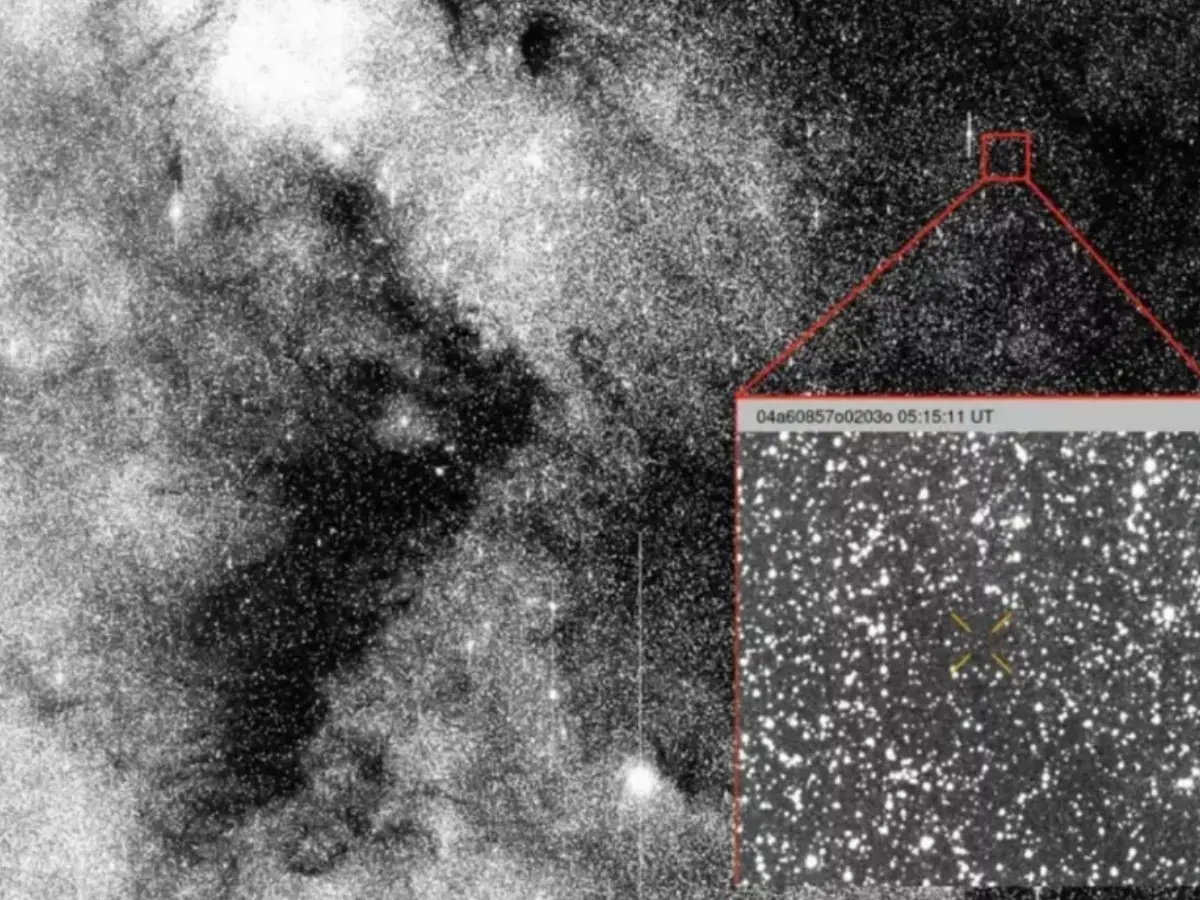
Interstellar objects often follow hyperbolic orbits, which are more difficult to model precisely. Any small observational error could drastically change impact projections, making it harder for defence agencies to act decisively.
6. Its Composition Is Still a Mystery
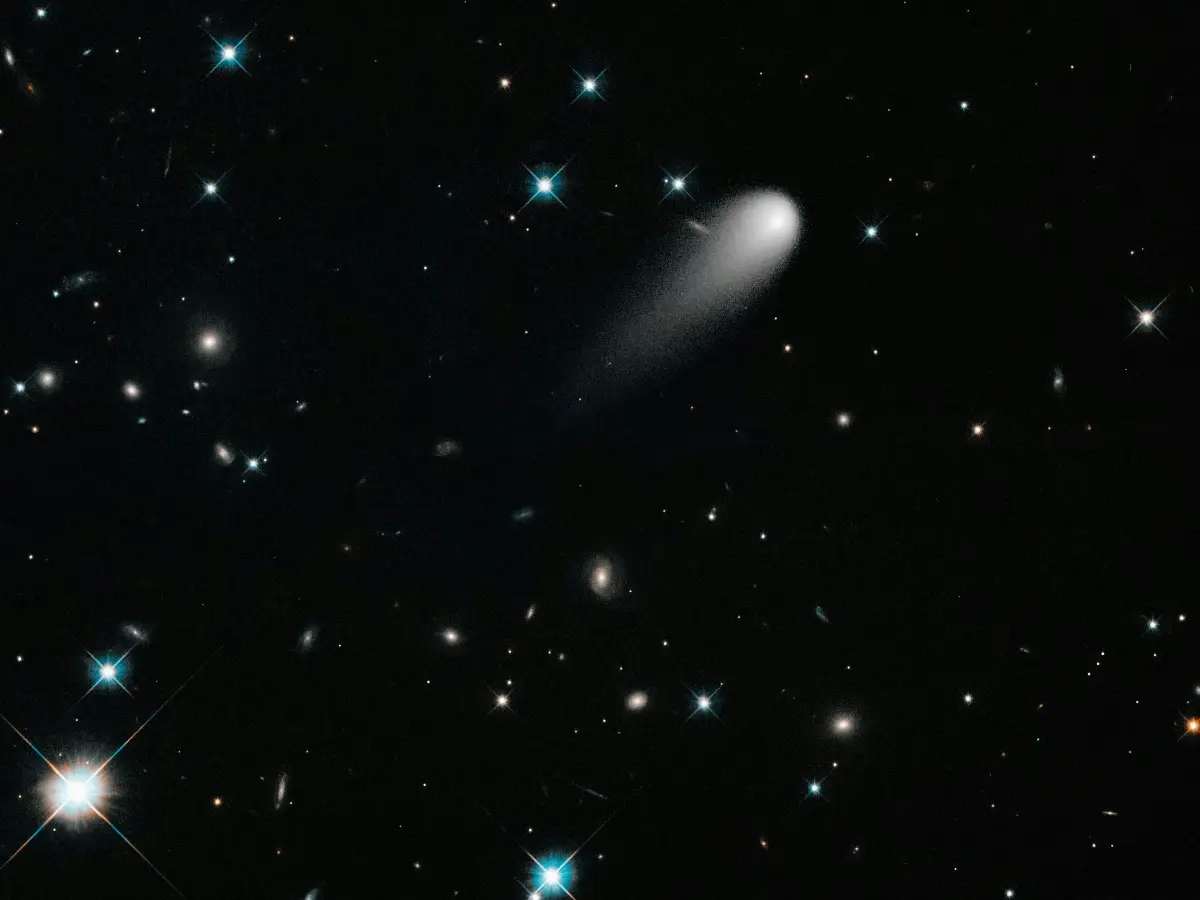
Because it comes from another star system, 3I/ATLAS may have unknown structural or chemical properties. This unpredictability makes it difficult to plan deflection missions, as traditional impact or kinetic techniques may behave differently.
7. Global Coordination Would Be Essential but Challenging
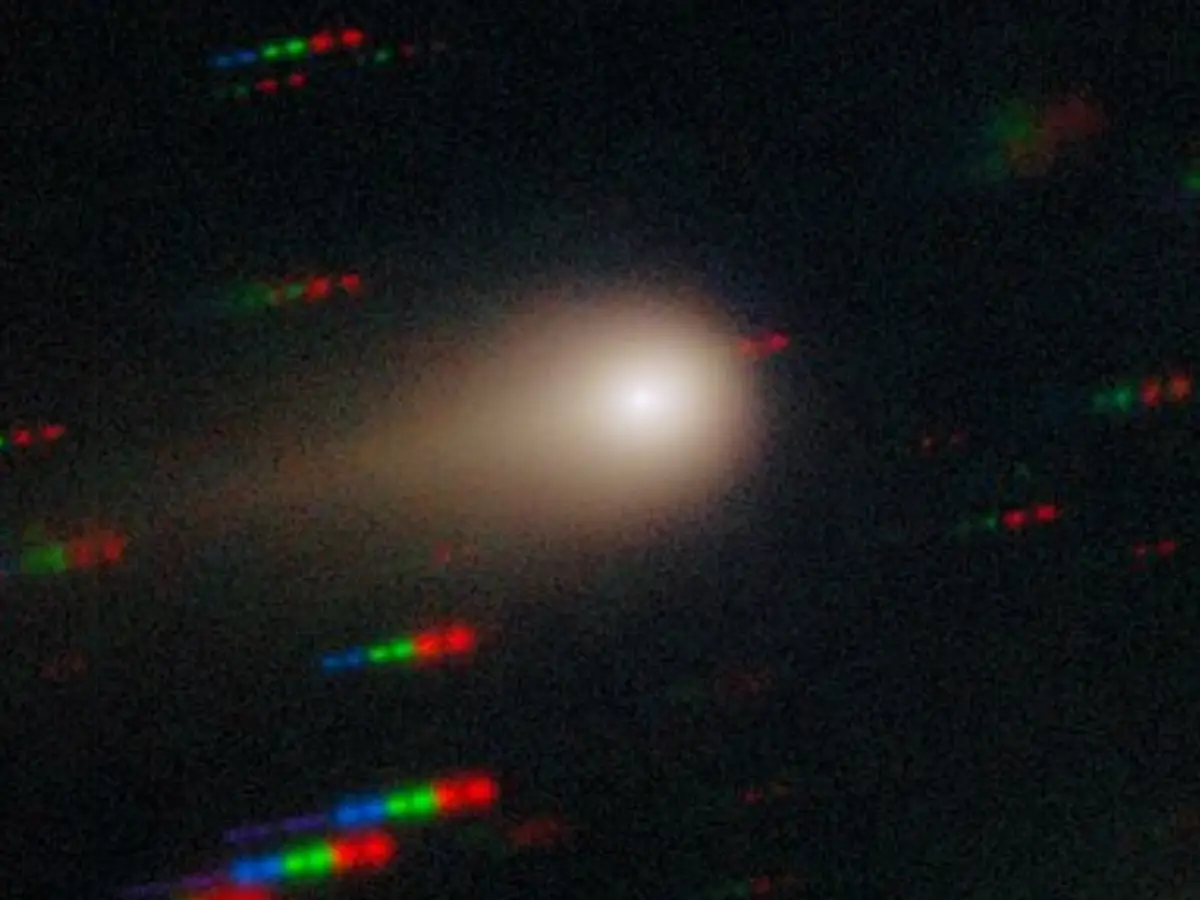
A threat from 3I/ATLAS would require unprecedented international cooperation. But geopolitical rivalries, logistical delays, and bureaucratic hurdles could cost critical time in mounting a planetary defence response.
Why it matters
While 3I/ATLAS is not currently on a collision path, its size and speed highlight the limits of our existing planetary defence capabilities. It’s a wake-up call for governments and space agencies to prepare for objects unlike anything we’ve dealt with before.
)
)
)
)
)