7 reasons why 3I/ATLAS’s composition has shocked astronomers

3I/ATLAS is no ordinary comet. Its strange mix of gases and dust has left scientists amazed. What hidden secrets does this visitor from a distant star system hold? The mystery is only just unfolding.
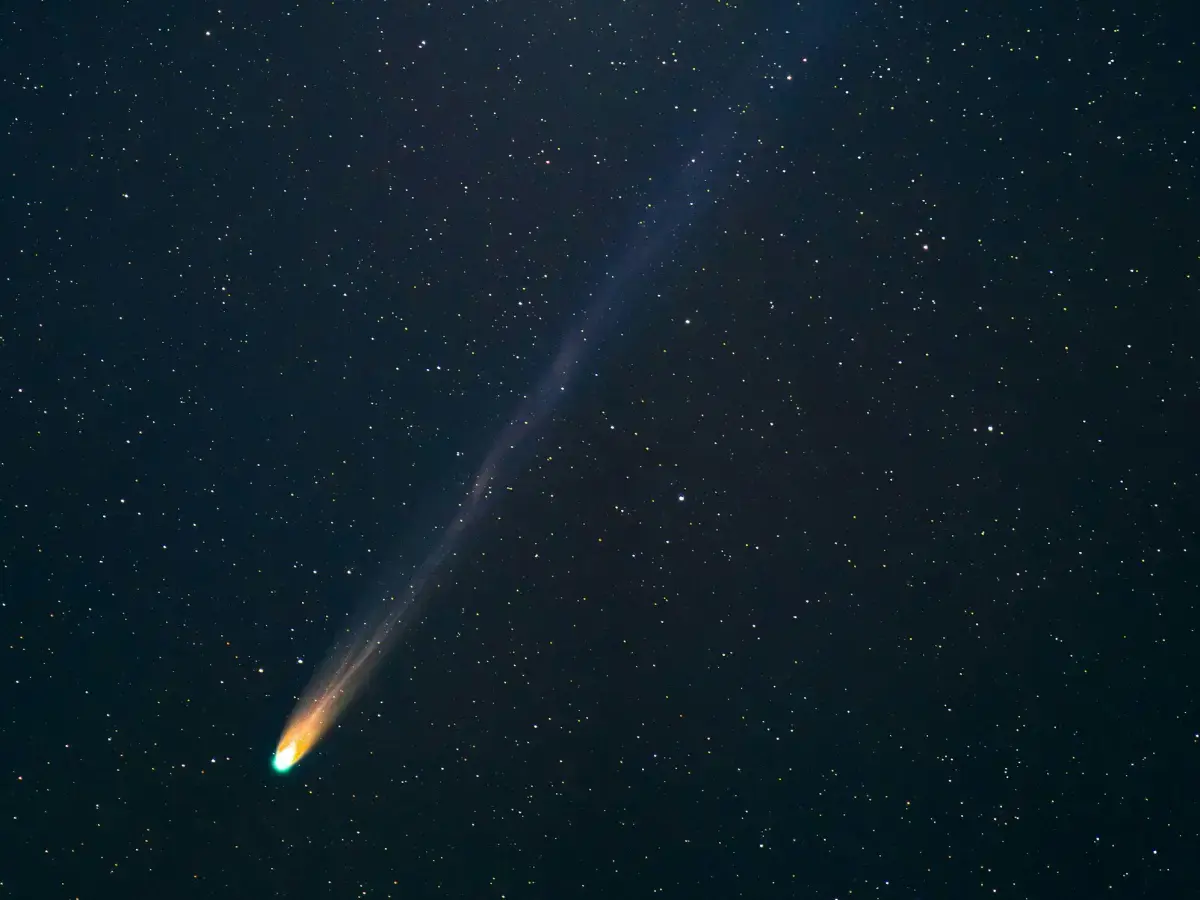
1. Unexpected Chemical Makeup
3I/ATLAS has a very unusual mixture of gases. Its coma is mostly made of carbon dioxide, much more than water, which is rare in typical comets. Scientists never expected such a high carbon dioxide level.
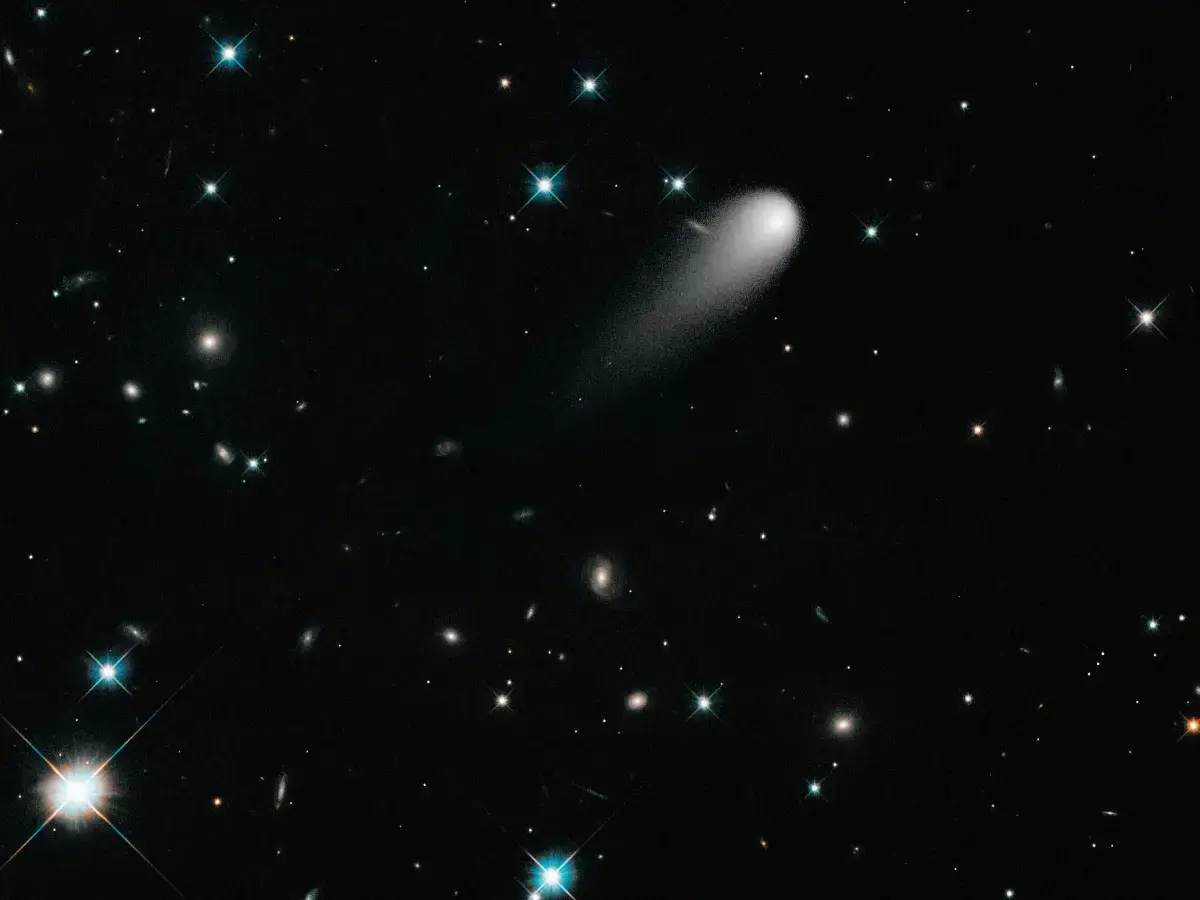
2. Presence of Atomic Nickel
Astronomers found the comet releases atomic nickel gas but almost no iron. This is strange because comets usually have iron, making 3I/ATLAS’s composition truly surprising.
3. Unique Carbon-to-Water Ratio
The ratio of carbon dioxide to water in 3I/ATLAS is about 8:1. This is very different from comets in our solar system, suggesting it formed in a place with very different conditions.
4. Activity Far from the Sun
Even when far away from the Sun, the comet remains active, releasing dust and gas. This behaviour is unusual and puzzled scientists who thought comets only get active closer to the Sun.
5. Formed in a Different Star System
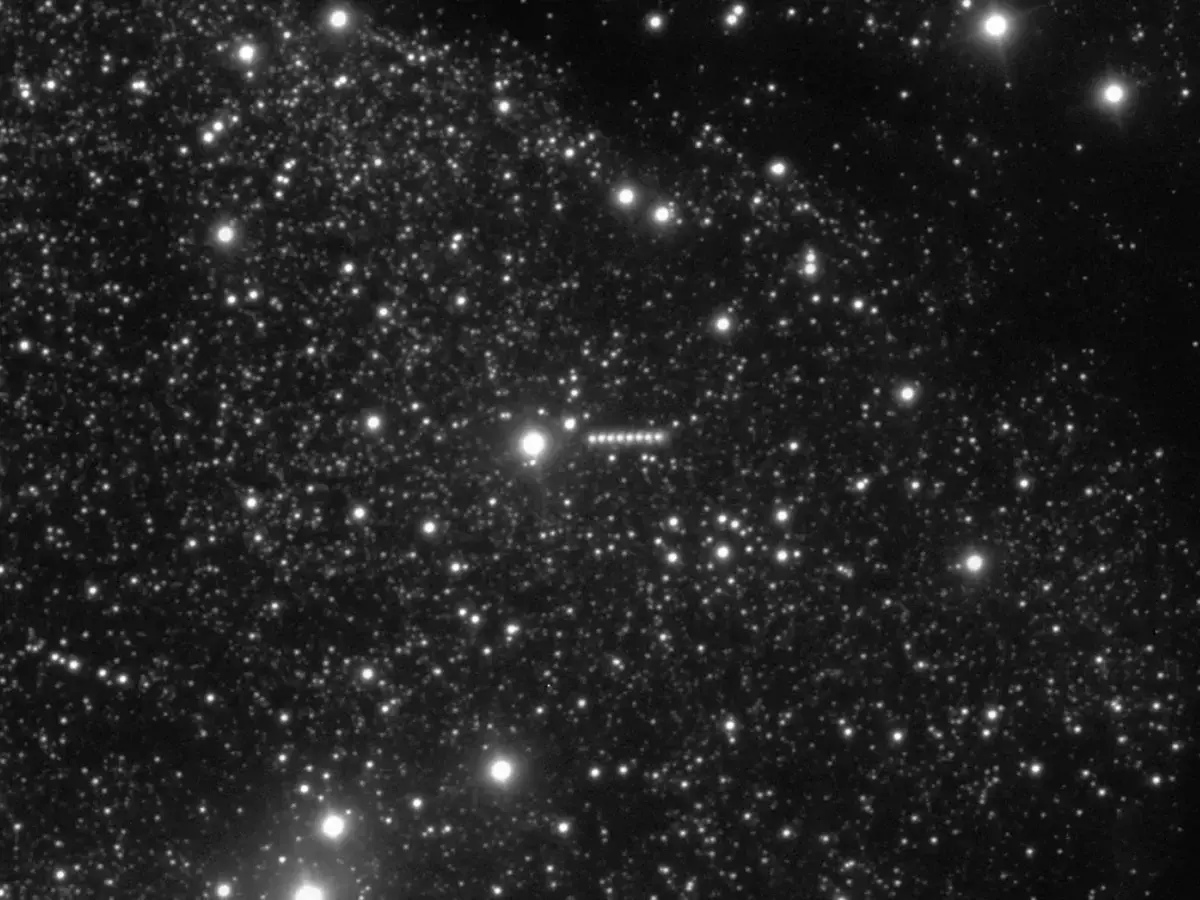
3I/ATLAS comes from beyond our solar system. Its unusual composition shows it likely came from near the carbon dioxide ice line in another star system - different from where our comets form.
6. Larger Size and Mass
Recent studies suggest 3I/ATLAS is bigger and heavier than first thought. This makes it an important object because most comets observed from outside our solar system are smaller.
7. A Cosmic Chemical Surprise
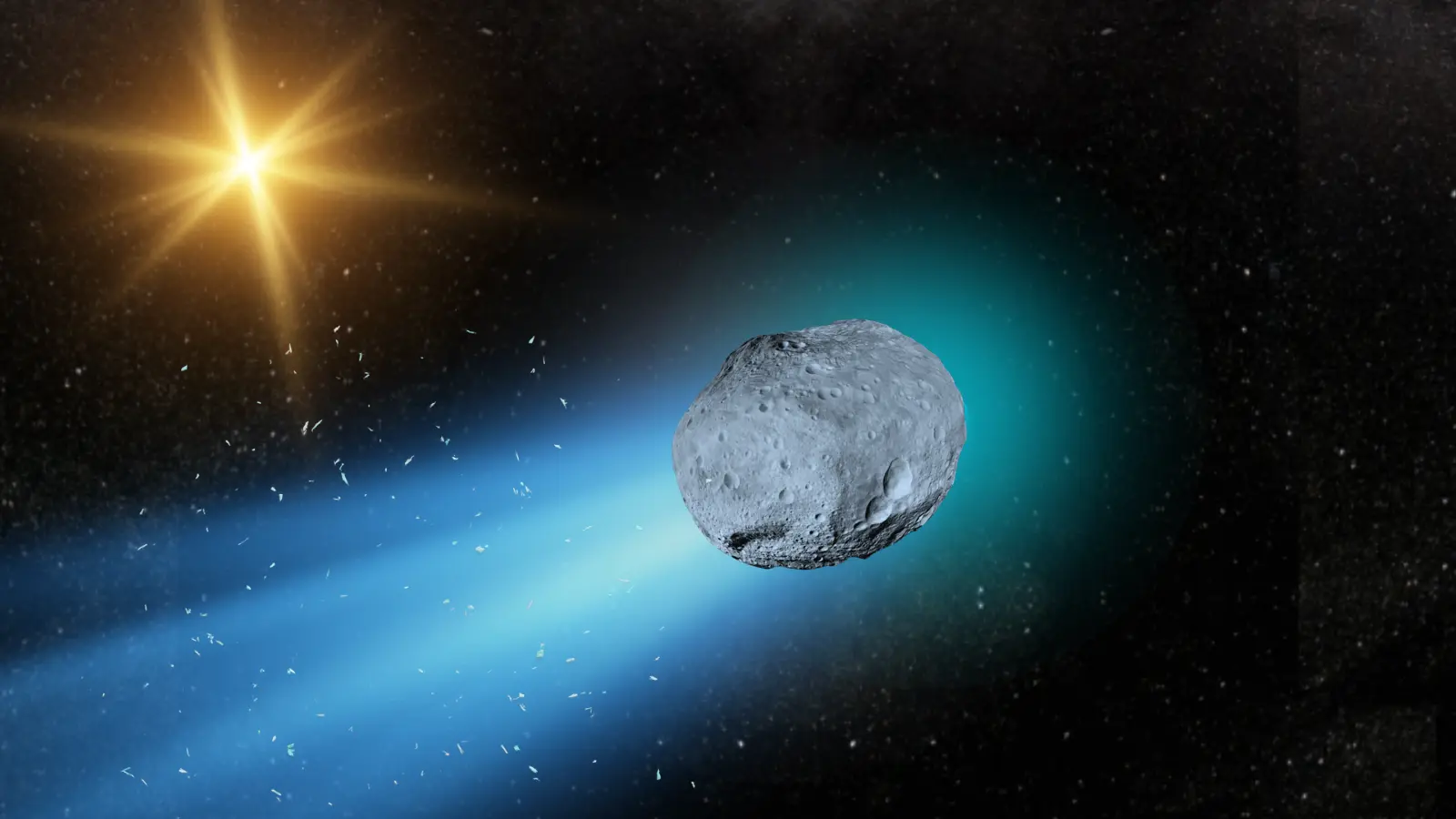
All these facts make 3I/ATLAS one of the most chemically puzzling comets ever seen. It offers a rare chance to learn about the building blocks of other star systems and expands what we know about space.
)
)
)
)
)