7 reasons why 3I/ATLAS could really be an alien mothership according to Avi Loeb

The object is estimated to be the size of Manhattan Island, making it one of the largest interstellar visitors ever observed. According to Loeb, such a massive rock entering our solar system by chance should happen only once every 10,000 years.

1. It’s Moving on a Perfectly Aligned Path
Loeb noted that 3I/ATLAS is travelling in near-perfect alignment with the plane of the planets, within just five degrees. The odds of such a path occurring by chance are around one in 500, making its route appear deliberate rather than random.

2. It’s Travelling in Reverse
Unlike natural objects that follow the Sun’s rotation, 3I/ATLAS moves in the opposite direction, a retrograde orbit. Loeb says this unusual direction would make it ideal for releasing small probes that could enter orbits around Earth, Mars, or Jupiter, almost as if it were on a reconnaissance mission.
3. It Has a Tail That Points the Wrong Way
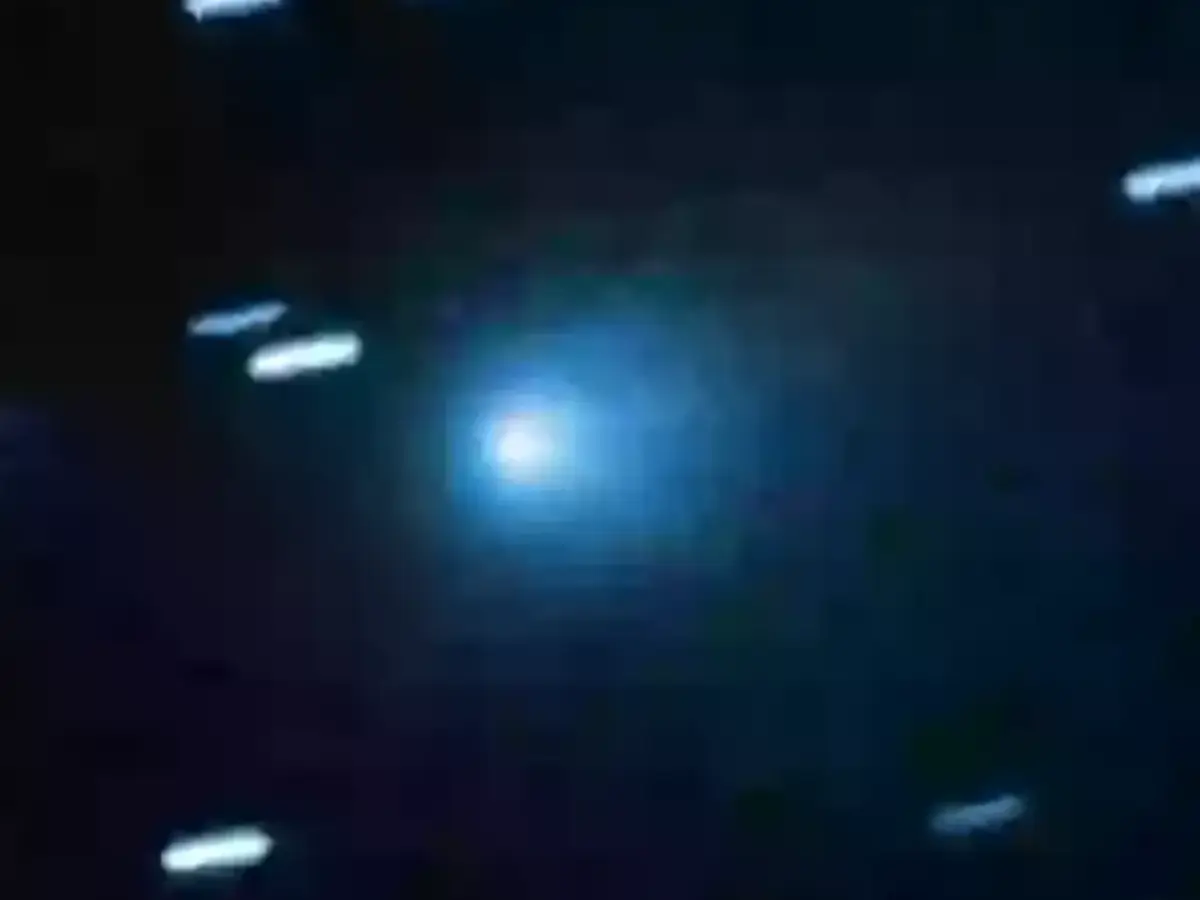
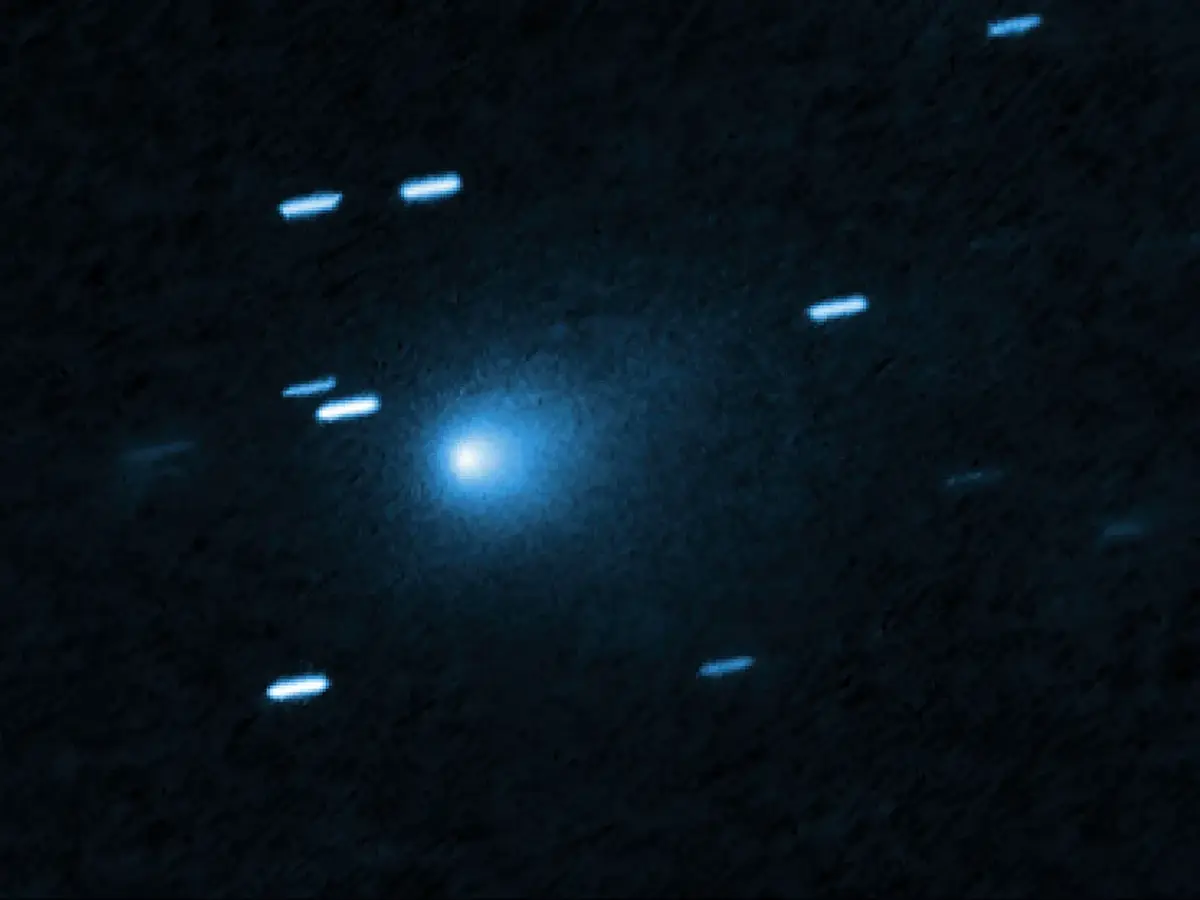
While comets typically develop tails that point away from the Sun, 3I/ATLAS’s glow was found to point towards it. Loeb believes this could be a jet or exhaust plume, suggesting propulsion rather than natural sublimation. “It looks like it’s powered,” he said, “not just floating.”
4. It’s Made of Industrial-Grade Metal
Spectral analysis revealed 3I/ATLAS emits gas rich in nickel but almost no iron. This combination is rarely found in nature but is common in nickel-based alloys, the same kind used in aerospace engineering. Loeb suggested this could mean the object’s outer shell is manufactured, possibly built to withstand interstellar travel.
5. It’s Too Massive to Be Random Debris
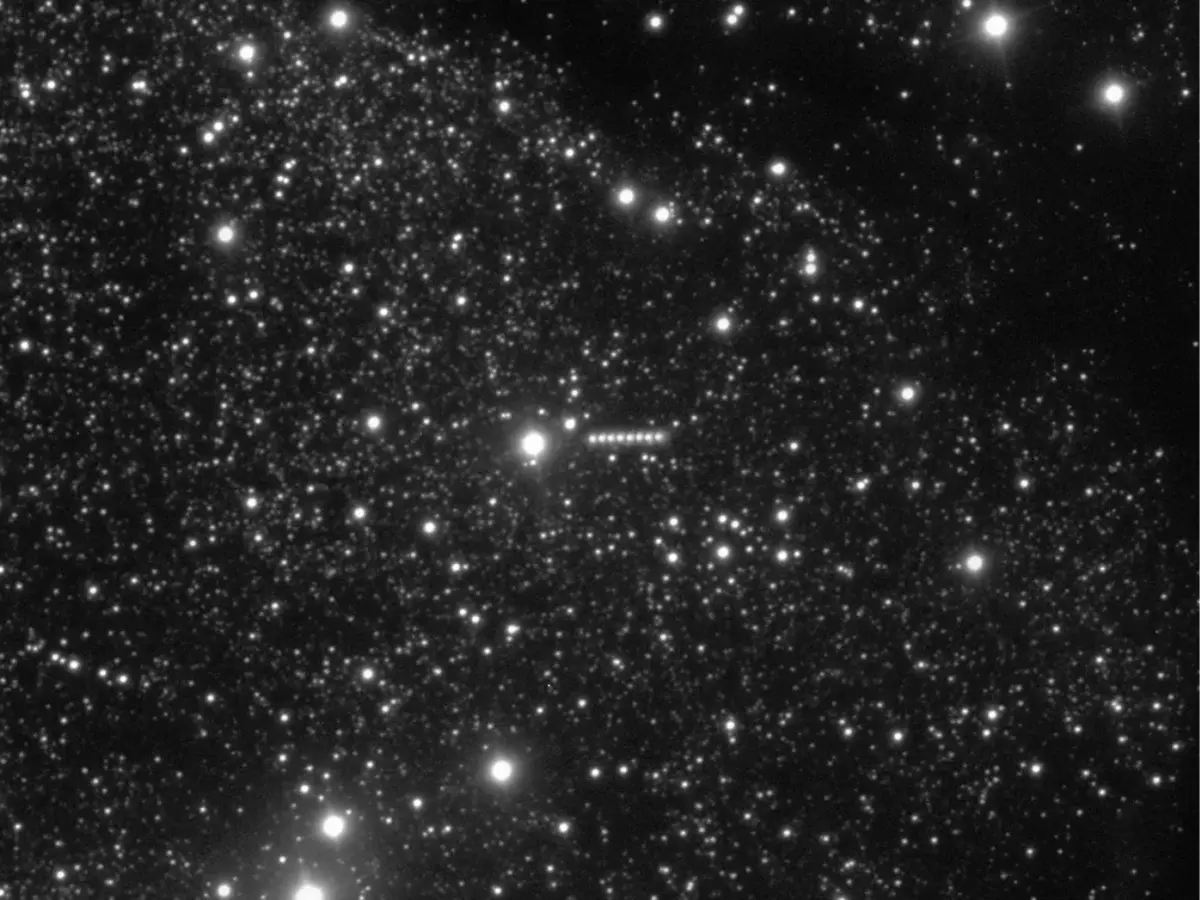
The object is estimated to be the size of Manhattan Island, making it one of the largest interstellar visitors ever observed. According to Loeb, such a massive rock entering our solar system by chance should happen only once every 10,000 years. “That’s not a common occurrence,” he said, implying it might not be random at all.

6. It Was Possibly Designed for a Mission
Loeb revealed that his research paper on 3I/ATLAS originally included a line suggesting the object may have been “targeting the inner solar system by design.” However, an editor forced him to remove it before publication. Loeb believes this kind of intellectual censorship prevents science from exploring the extraordinary possibilities.

7. It Fits the Pattern of a Black Swan Event
Loeb considers 3I/ATLAS a potential Black Swan event, a low-probability, high-impact phenomenon that could alter civilisation. If proven artificial, it would confirm intelligent life beyond Earth, reshaping science, religion, and geopolitics overnight. “We ignore anomalies at our own peril,” he warned Rogan.
)
)
)
)
)