7 reasons why 3I/ATLAS could lead to international space collaboration or tension

Do you know 3I/ATLAS might also bring people closer together or cause space tensions? As a rare visitor from beyond our solar system, it has sparked debates about international cooperation and rivalry in space exploration.

Shared Scientific Curiosity
3I/ATLAS is a rare interstellar visitor, inspiring space agencies worldwide to join forces. By pooling their telescopes and spacecraft, countries can learn more together, promoting collaboration across borders.
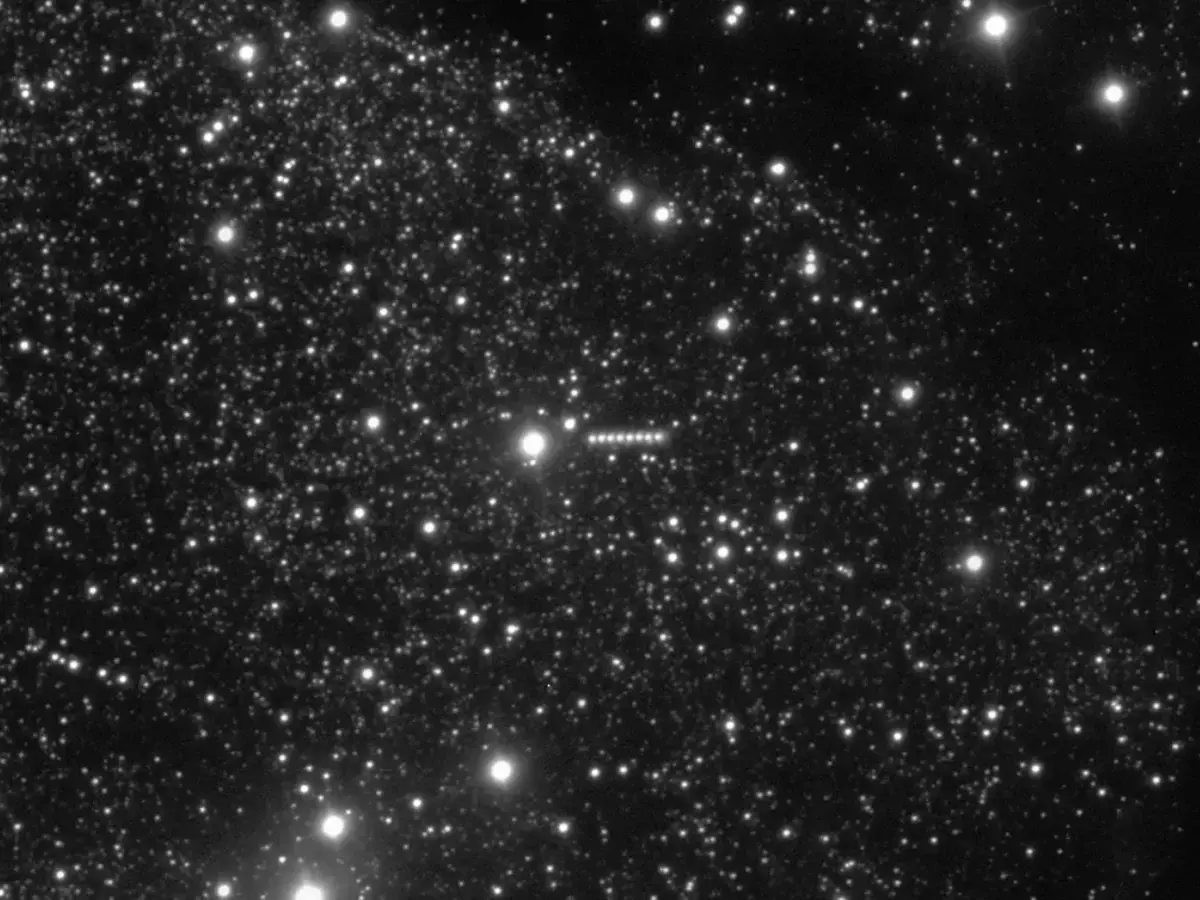
Competition for Space Leadership
As 3I/ATLAS sparks global attention, nations may compete to be the first to fully study it. This rivalry could intensify tensions as countries race to launch missions or claim new discoveries.

Data Sharing Challenges
Different countries might hesitate to share valuable data about 3I/ATLAS freely. Disagreements over access and control of scientific findings could create conflict in the space community.

Resource Allocation Pressures
High costs of observing and exploring comets like 3I/ATLAS might push countries to prioritise their own national interests. Funding limits and resource competition can lead to disagreements.

Legal and Ethical Questions
3I/ATLAS’s interstellar origin raises questions about ownership and responsibilities in space. International discussions about rights to study or utilise such objects may spark tensions.
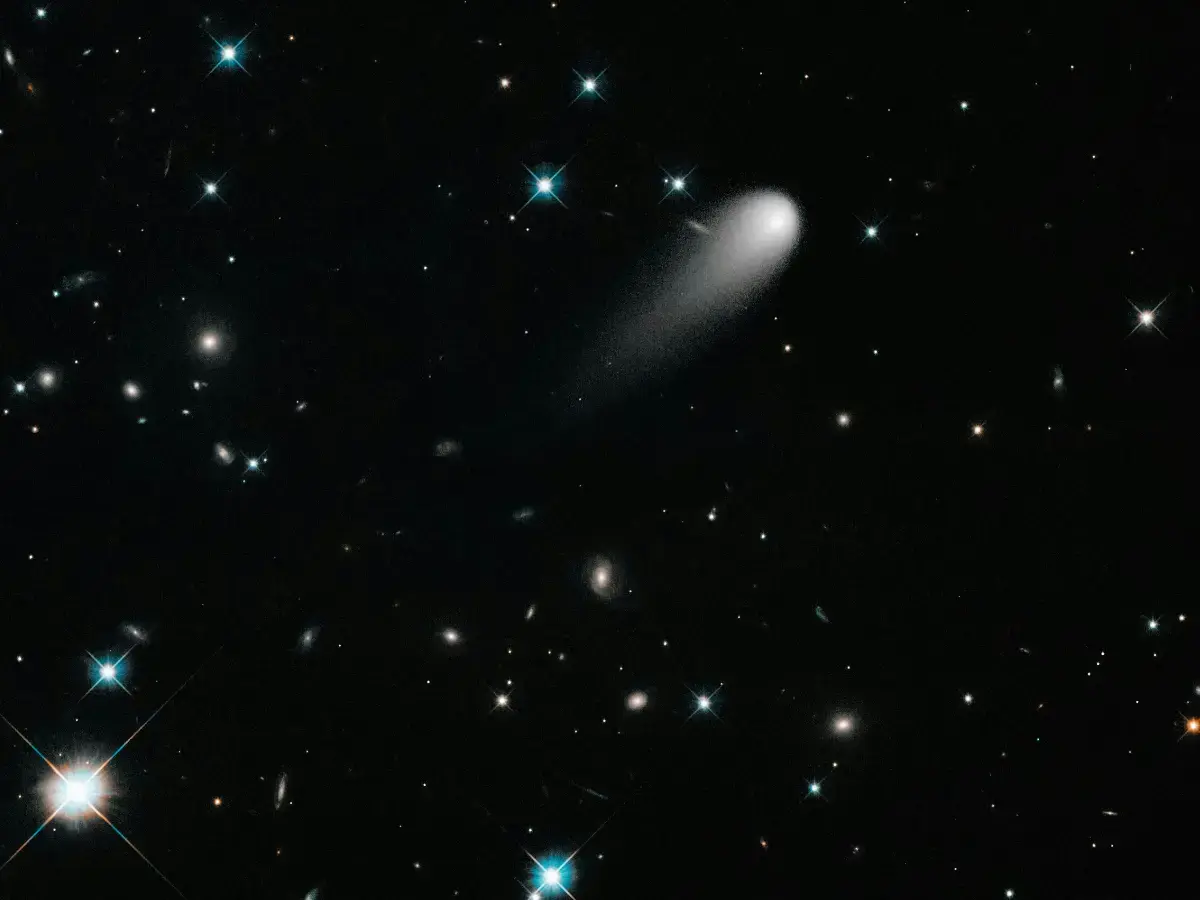
Strengthening Peaceful Space Use
Conversely, shared interest in 3I/ATLAS could strengthen agreements to keep space peaceful and focused on science. Collaborative efforts might build trust and reduce conflict.

Public Interest and National Pride
The global excitement around 3I/ATLAS can fuel national pride as countries showcase their space capabilities. While positive, this might also increase rivalry and tension between spacefaring nations.
)
)
)
)
)