7 reasons why 3I/ATLAS and ‘Oumuamua are strikingly similar in nature

The discovery of 3I/ATLAS, only the third known interstellar object after ‘Oumuamua (2017) and 2I/Borisov (2019), has reignited debates in the astronomical community.
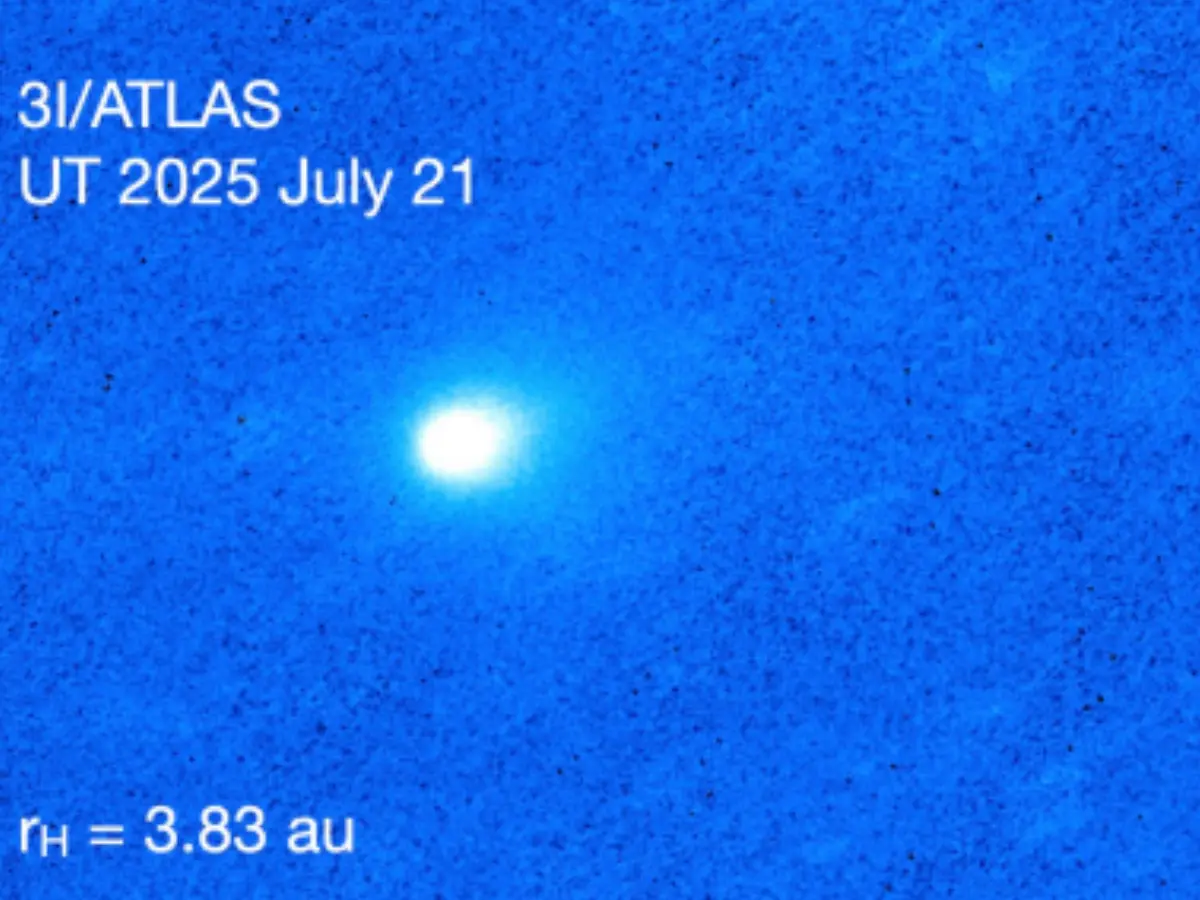
1. Both Originated Outside Our Solar System
Like ‘Oumuamua, 3I/ATLAS is on a hyperbolic trajectory, indicating it entered our Solar System from interstellar space. Their unusual paths suggest they are not gravitationally bound to the Sun.
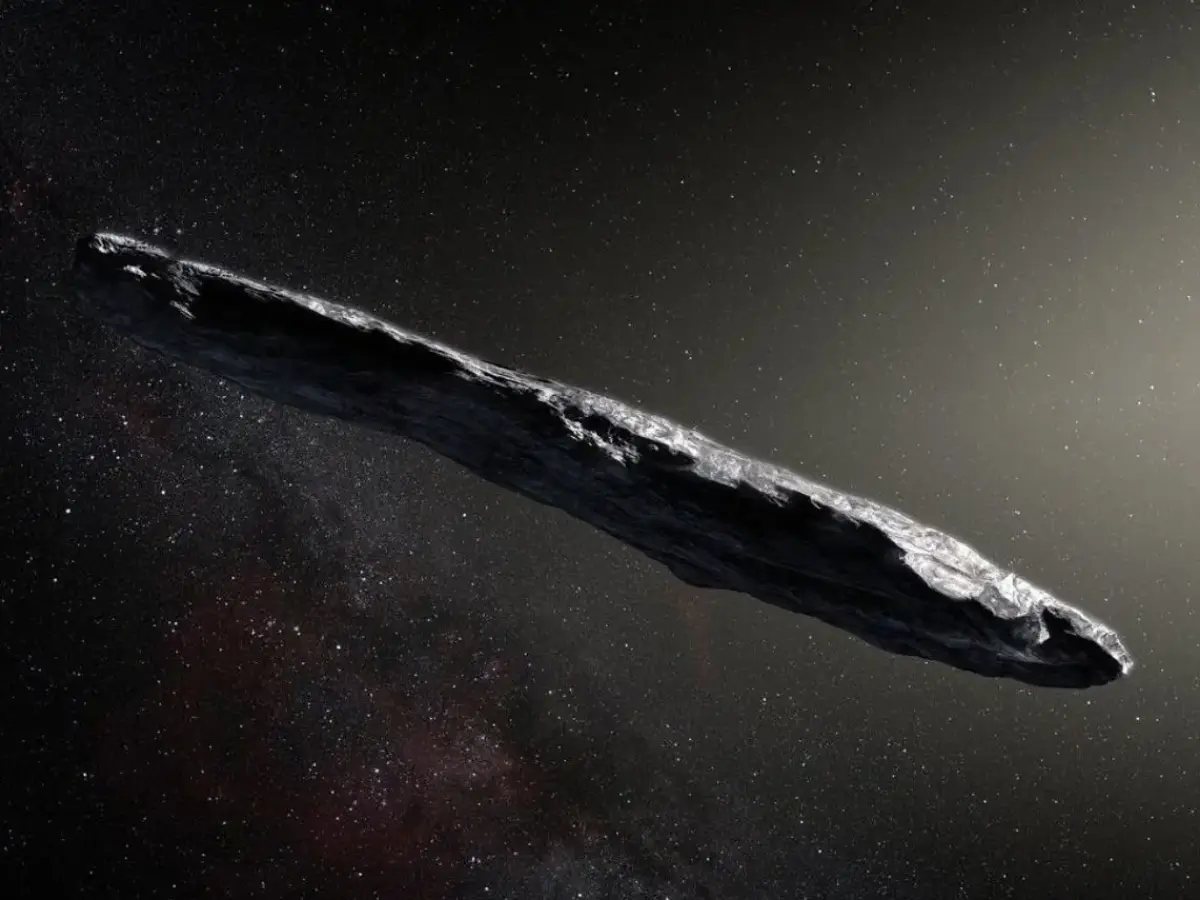
2. Unusually High Speeds
Both objects are moving at exceptionally high velocities that exceed the Solar System’s escape speed. ‘Oumuamua traveled at roughly 87 km/s, while 3I/ATLAS is also racing through space at interstellar speeds, confirming their foreign origins.
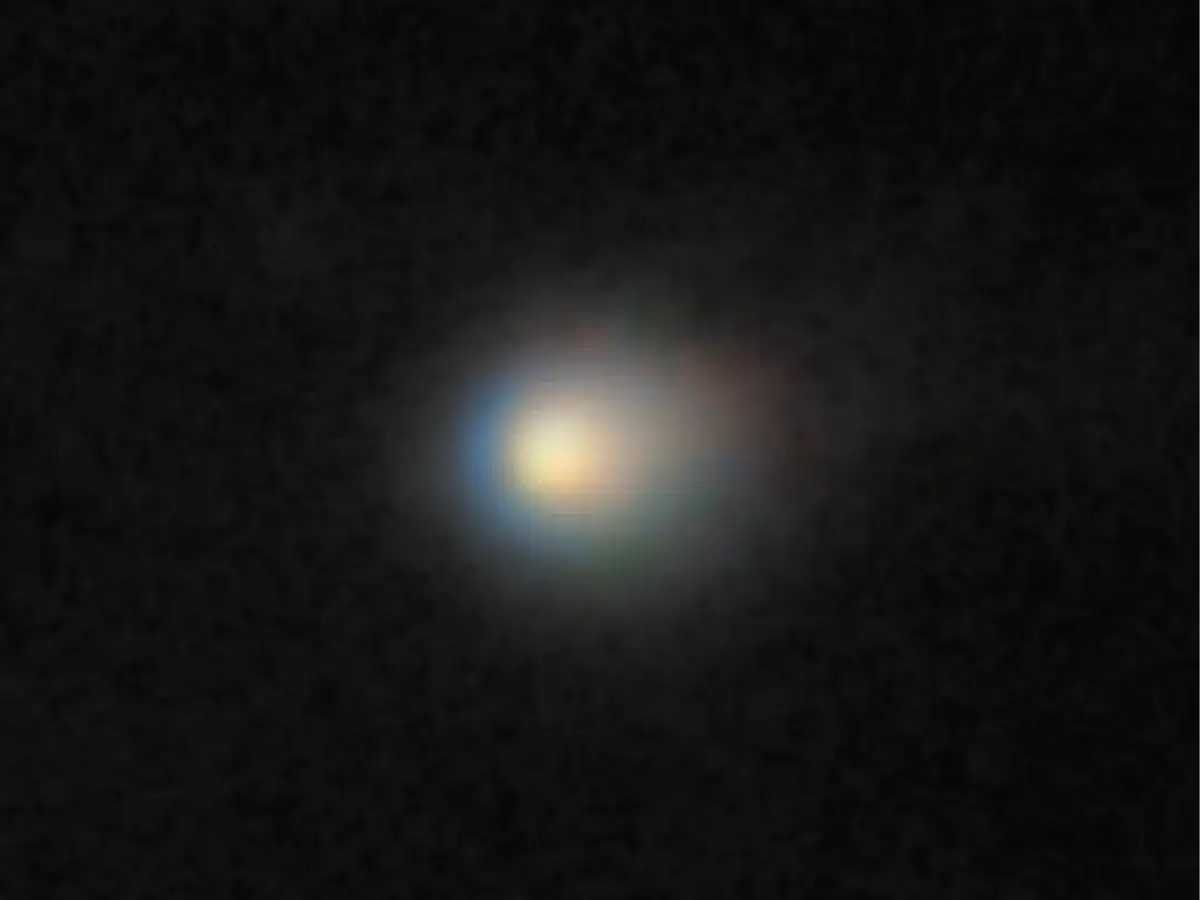
3. Lack of a Typical Cometary Tail
‘Oumuamua baffled astronomers by not displaying a visible tail, despite accelerating like a comet. Similarly, early observations of 3I/ATLAS show no prominent coma or tail, hinting at unconventional compositions or surface activity.
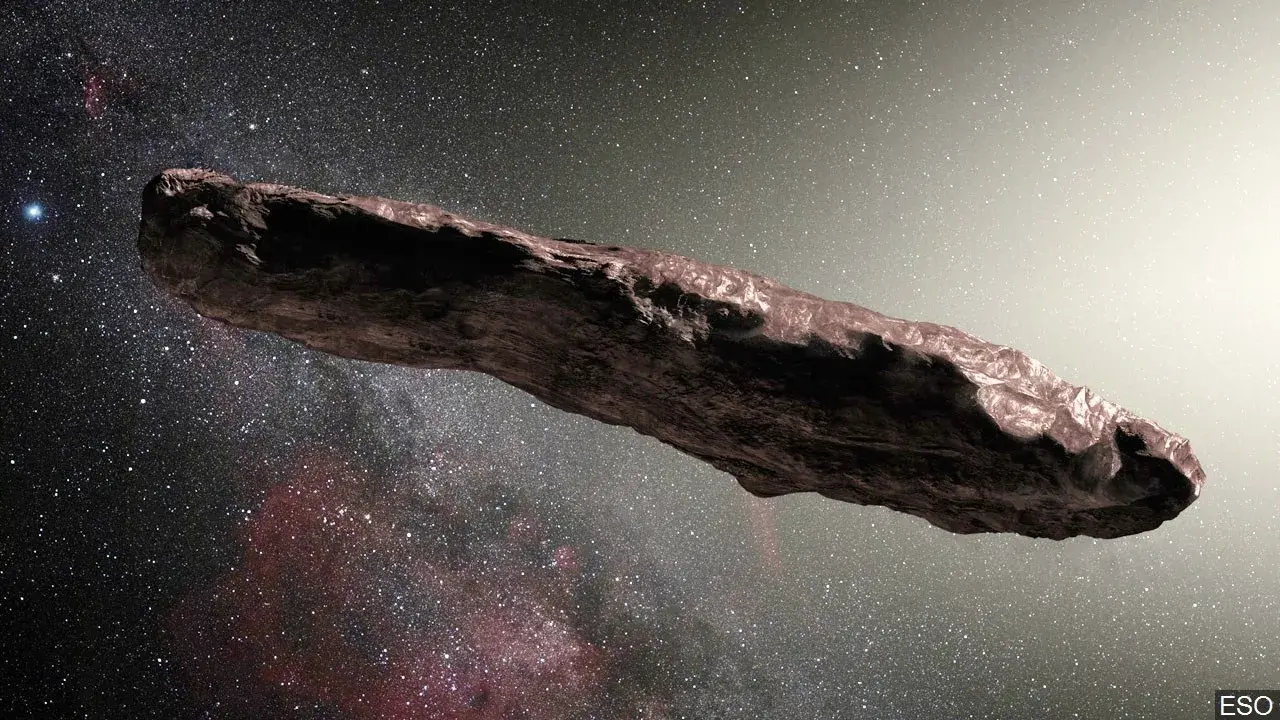
3. Lack of a Typical Cometary Tail
‘Oumuamua baffled astronomers by not displaying a visible tail, despite accelerating like a comet. Similarly, early observations of 3I/ATLAS show no prominent coma or tail, hinting at unconventional compositions or surface activity.
4. Mysterious Acceleration Patterns
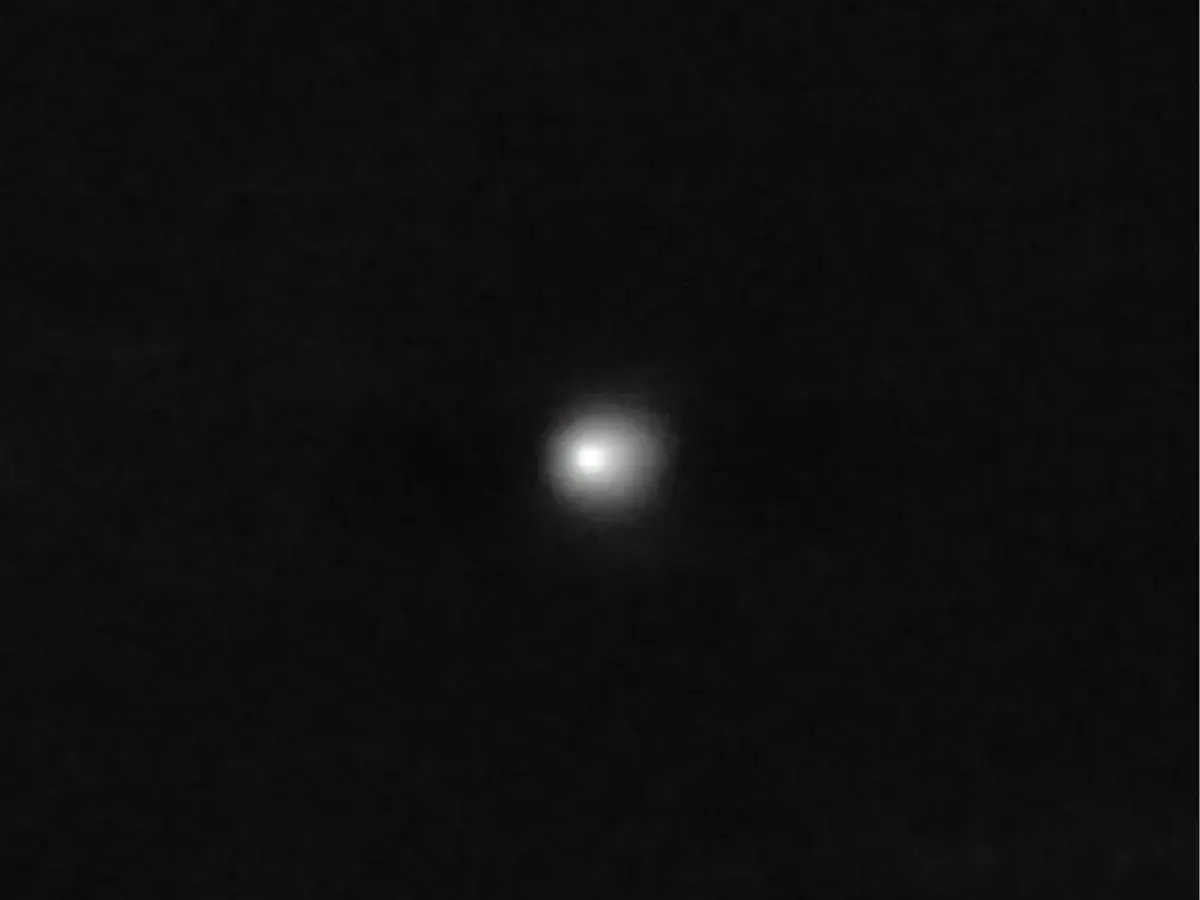
‘Oumuamua showed non-gravitational acceleration that couldn’t be fully explained by outgassing. Preliminary tracking suggests 3I/ATLAS may be exhibiting similar unexplained behaviour, raising questions about its structure and propulsion.
5. Unfamiliar Physical Properties
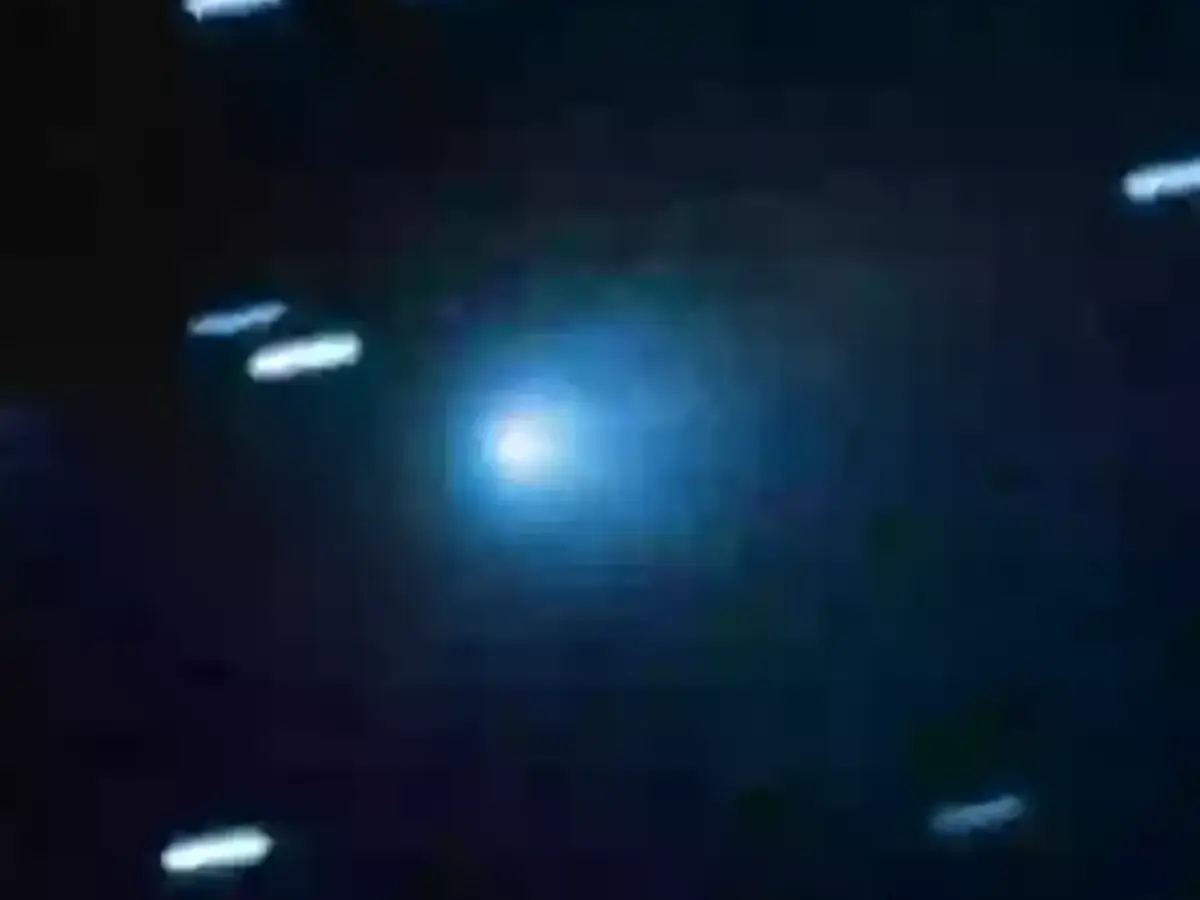
‘Oumuamua’s elongated, possibly pancake-like shape defied all known categories of asteroids or comets. Early radar signatures and brightness variations suggest 3I/ATLAS may also have a non-standard shape, adding to the mystery.
6. Short Detection Windows
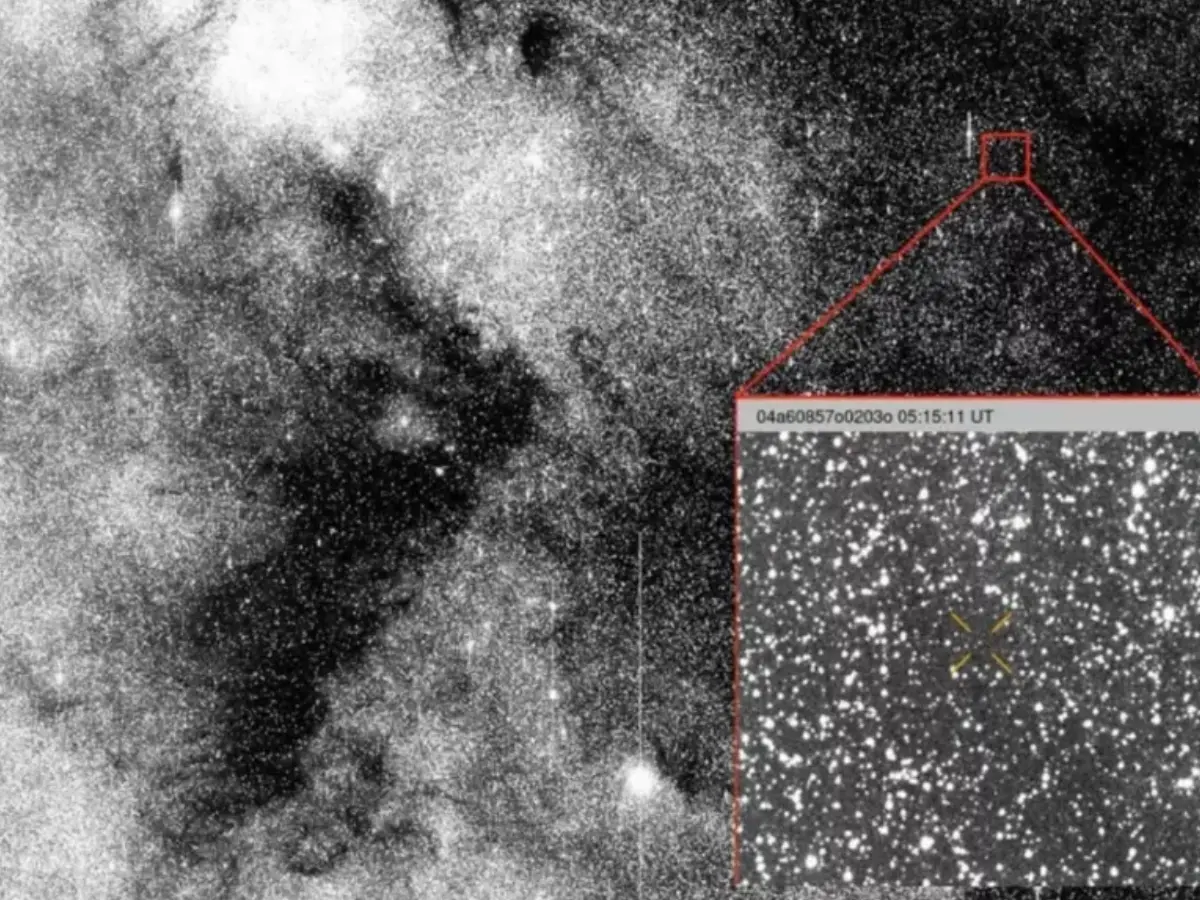
Both objects were detected only after they entered the inner Solar System, giving astronomers limited time to study them closely. Their high speeds and faint signatures make early detection extremely difficult.
7. They Challenge Our Definitions of Comets and Asteroids
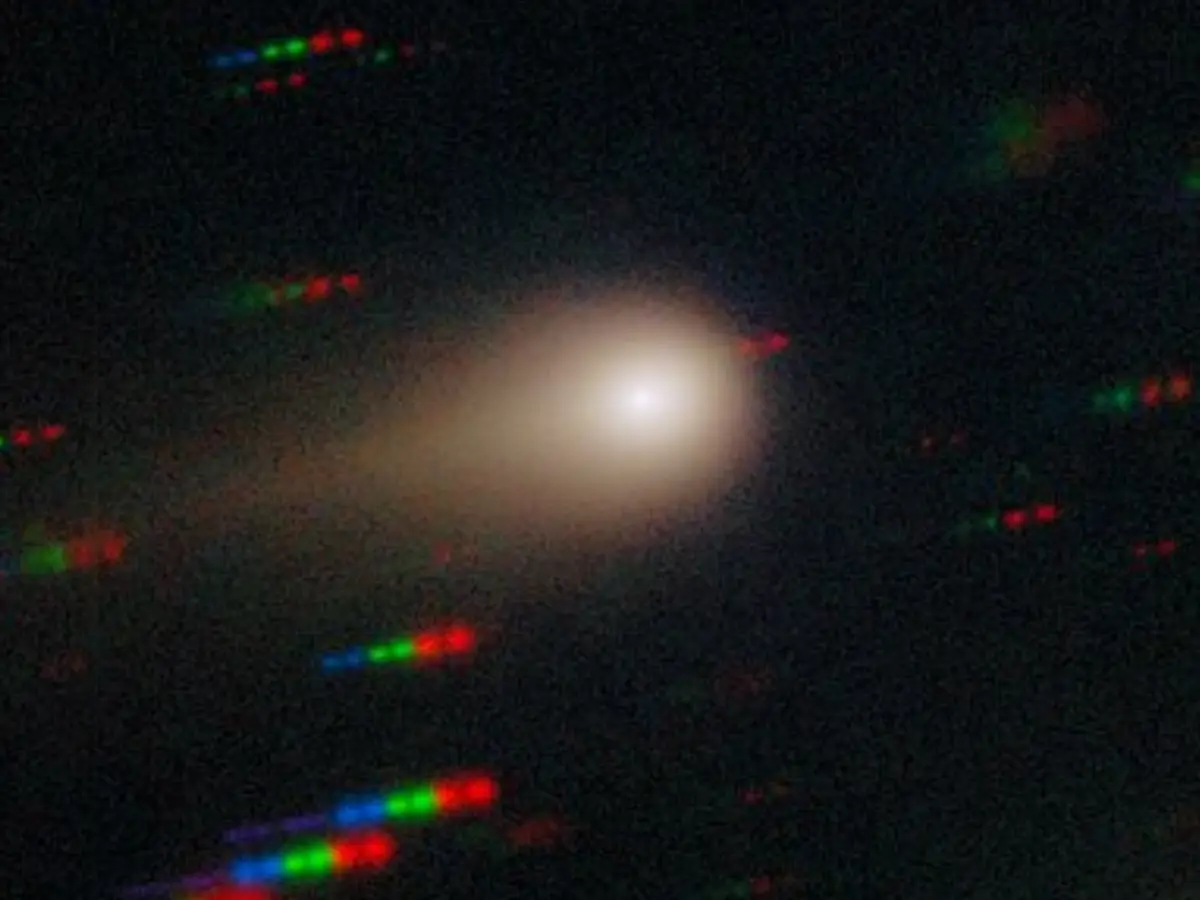
‘Oumuamua forced scientists to rethink the categories of space objects. With 3I/ATLAS exhibiting similar traits, researchers believe they may belong to a new class of interstellar bodies, neither comet nor asteroid in the traditional sense.
)
)
)
)
)