7 reasons Trump’s Iran war is not over — From Strait of Hormuz to nuclear fears

US president Trump has claimed victory over Iran, but oil shocks, nuclear fears, political tensions and military risks complicate the narrative of success
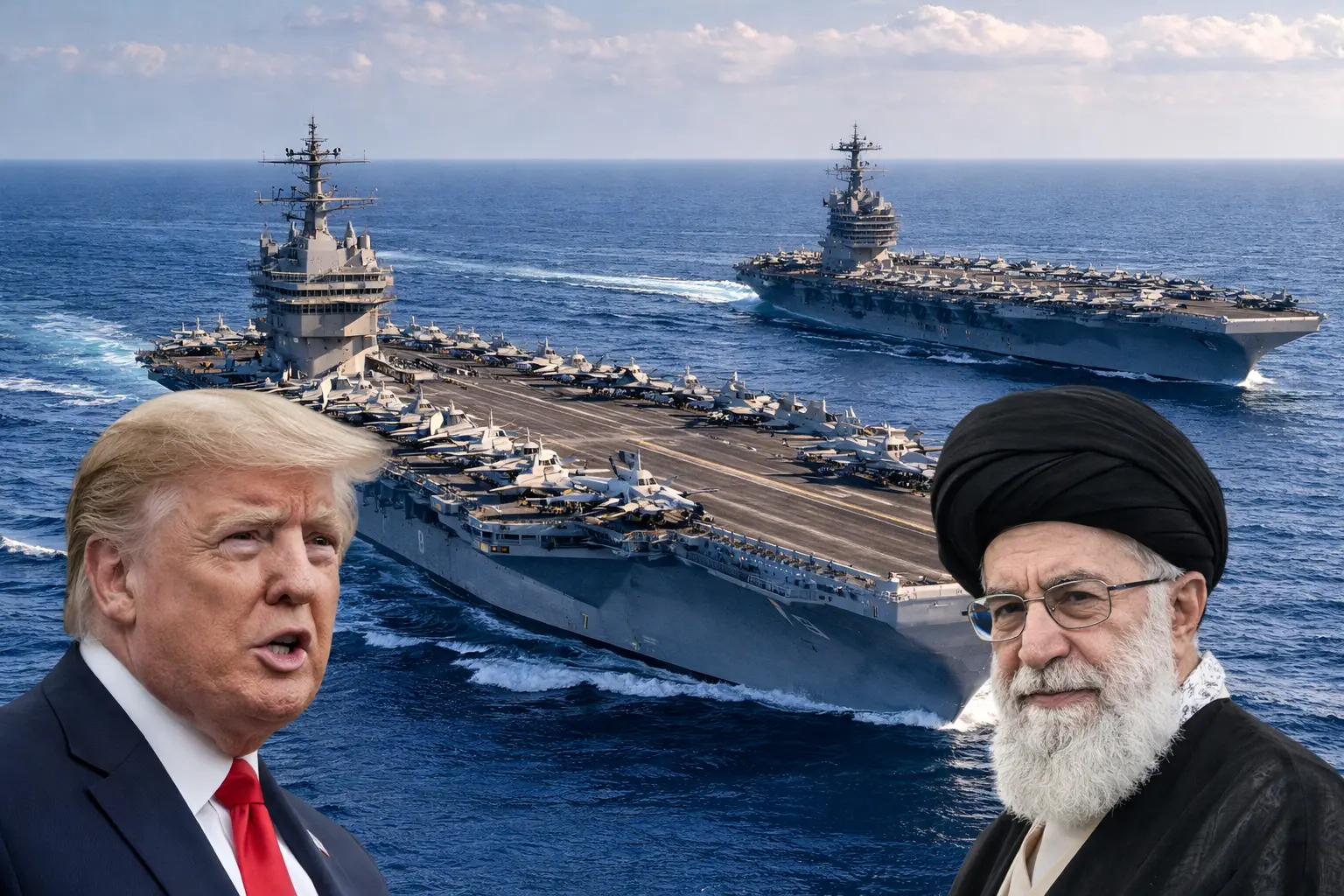
Trump declares victory early in the conflict
Donald Trump has repeatedly claimed that the US quickly won the conflict with Iran, saying the war was effectively over within the first hour of military action. However, analysts and policymakers argue that the situation on the ground tells a far more complicated story. Military operations may have achieved initial tactical success, but the broader strategic picture remains uncertain. Conflicts in the Middle East rarely end with a single decisive moment, and the political consequences often unfold over months or years. As events continue to evolve, questions are growing about whether the administration can sustain the narrative of a clear victory while managing the complex regional and geopolitical consequences
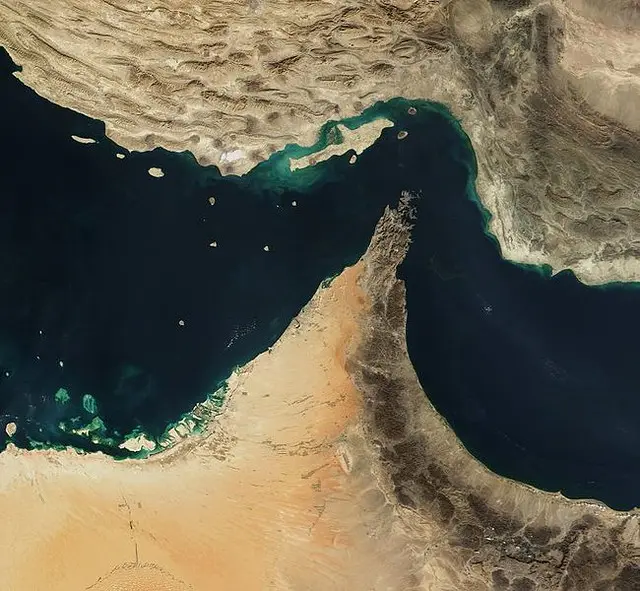
Strait of Hormuz crisis sends global oil prices higher
The Strait of Hormuz has become one of the most critical flashpoints in the conflict. Iran’s ability to disrupt shipping through this narrow waterway, through which roughly one-fifth of the world’s oil supply passes, has triggered major concerns in global energy markets. Attacks on tankers and threats from drones and anti-ship missiles have made navigation increasingly risky for commercial vessels. Insurance costs for shipping companies have surged, while the US Navy faces the challenge of securing the passage without escalating the conflict further. Experts say even reopening the Strait militarily may not provide a long-term solution, as Iran could quickly disrupt traffic again using relatively inexpensive technologies.
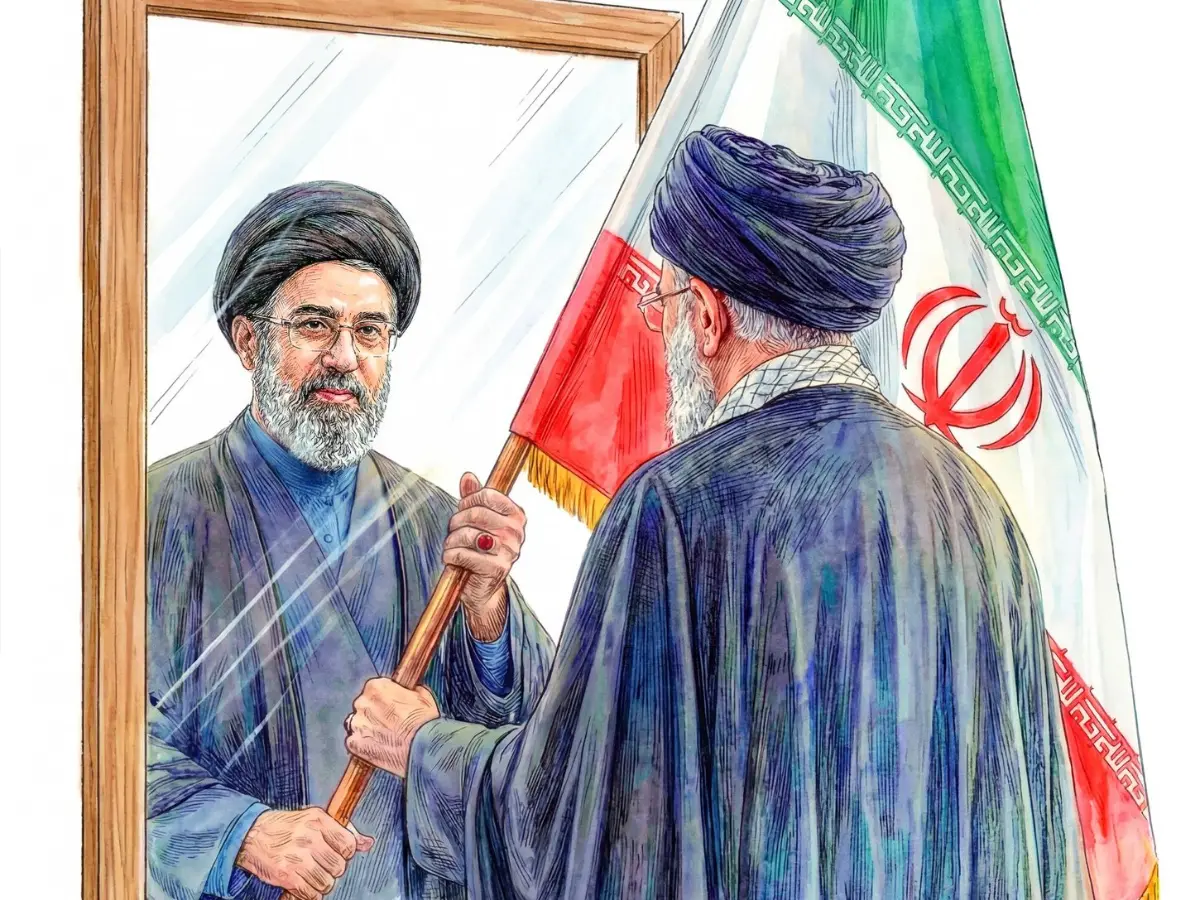
Leadership change in Iran complicates the war narrative
The assassination of Iran’s longtime Supreme Leader Ayatollah Ali Khamenei during the initial strikes dramatically reshaped the political landscape of the conflict. While the move was initially seen by some as a decisive blow to Iran’s leadership structure, the succession of his son Mojtaba Khamenei has complicated that narrative. Critics argue that the new leadership may be even more hardline and resistant to compromise. In the US, political opponents have used the leadership transition to question whether the operation achieved its broader strategic goals. Instead of weakening Iran’s ideological foundations, the leadership change may have reinforced internal unity within the country’s ruling elite.
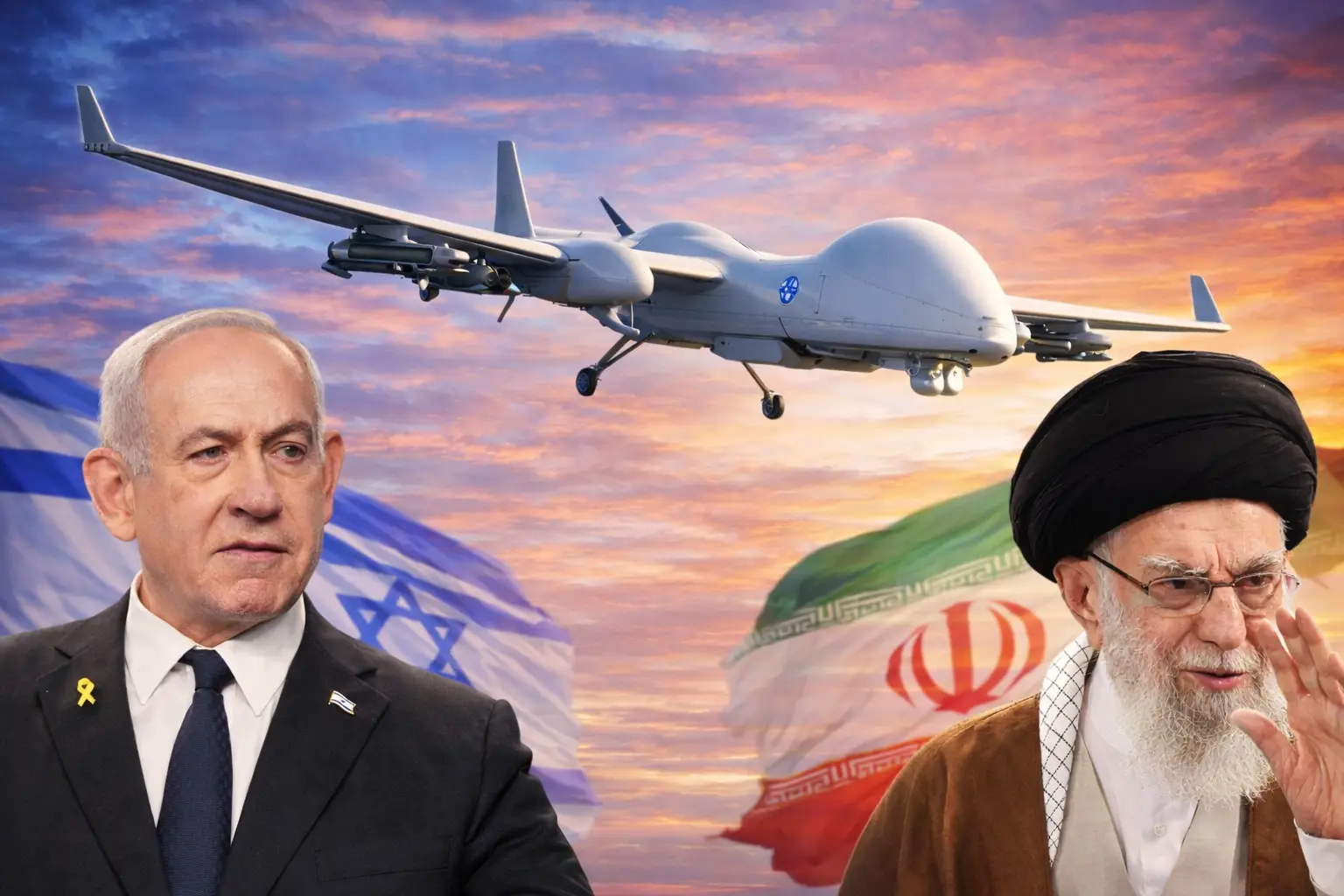
Uncertainty over Israel’s long-term war goals
Another major challenge for Washington lies in coordinating strategy with Israel, its closest regional ally. While the US may eventually seek a political or military off-ramp from the conflict, Israel’s security calculations could lead it to pursue a longer campaign against Iranian capabilities. Israel has historically taken a more open-ended approach to regional security operations, frequently carrying out strikes in Gaza, Lebanon, Syria, and beyond. Recent Israeli attacks on Iranian oil infrastructure have highlighted potential differences in priorities between the two allies. If the US aims to end the war sooner for political or economic reasons, Israel may not necessarily share the same timeline.
A war without a clear victory narrative
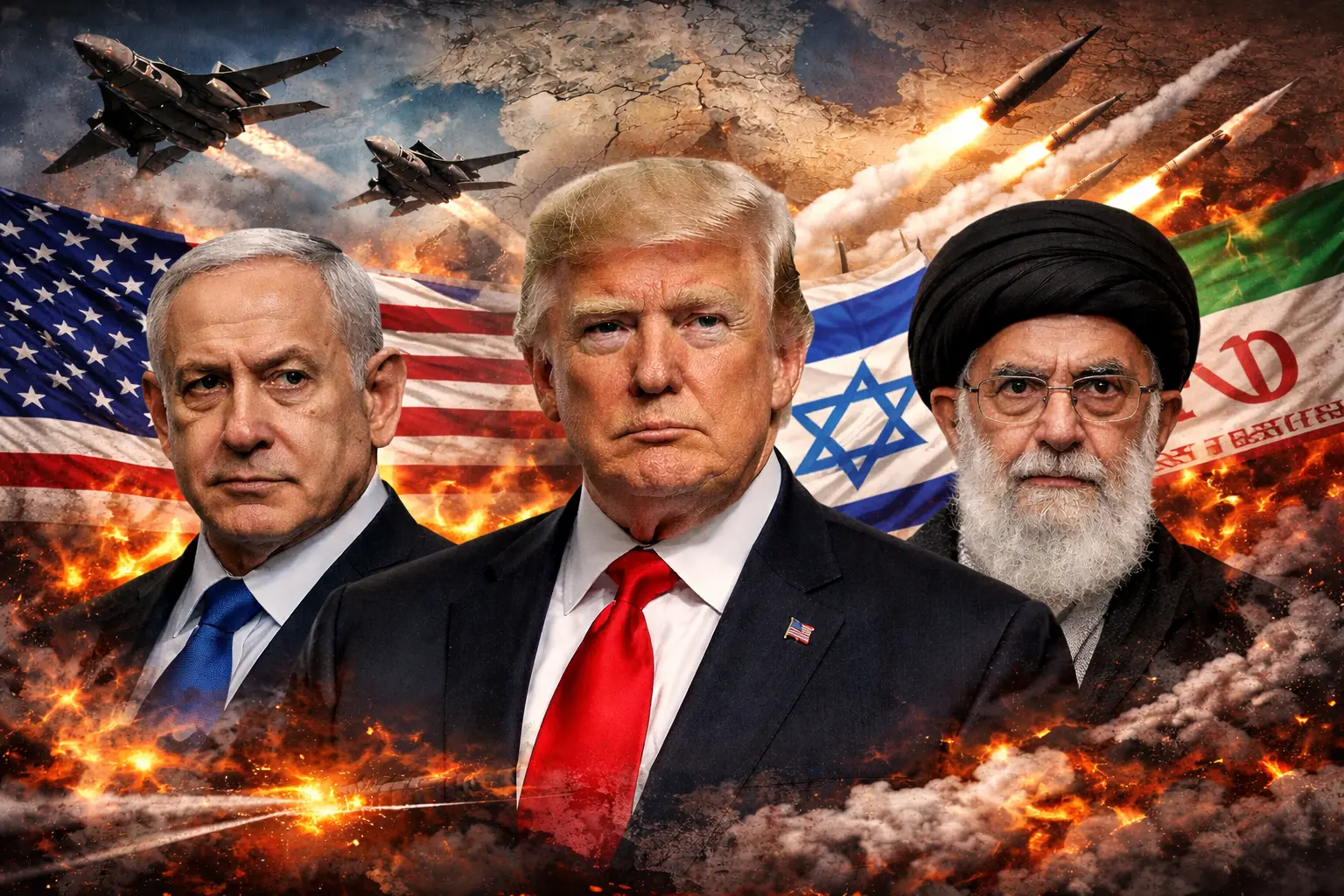
One of the biggest political challenges facing the administration is defining what victory actually looks like. Official statements about the objectives of the conflict have varied over time, from dismantling Iran’s nuclear program to weakening its regional influence or even encouraging regime change. These shifting goals make it difficult to present a clear and consistent explanation of success to the public. The lack of a unified message may also make it easier for political opponents to challenge the administration’s claims of success. Without a clearly defined end state, the war risks becoming another prolonged and ambiguous conflict in the region.
The unresolved question of Iran’s nuclear program
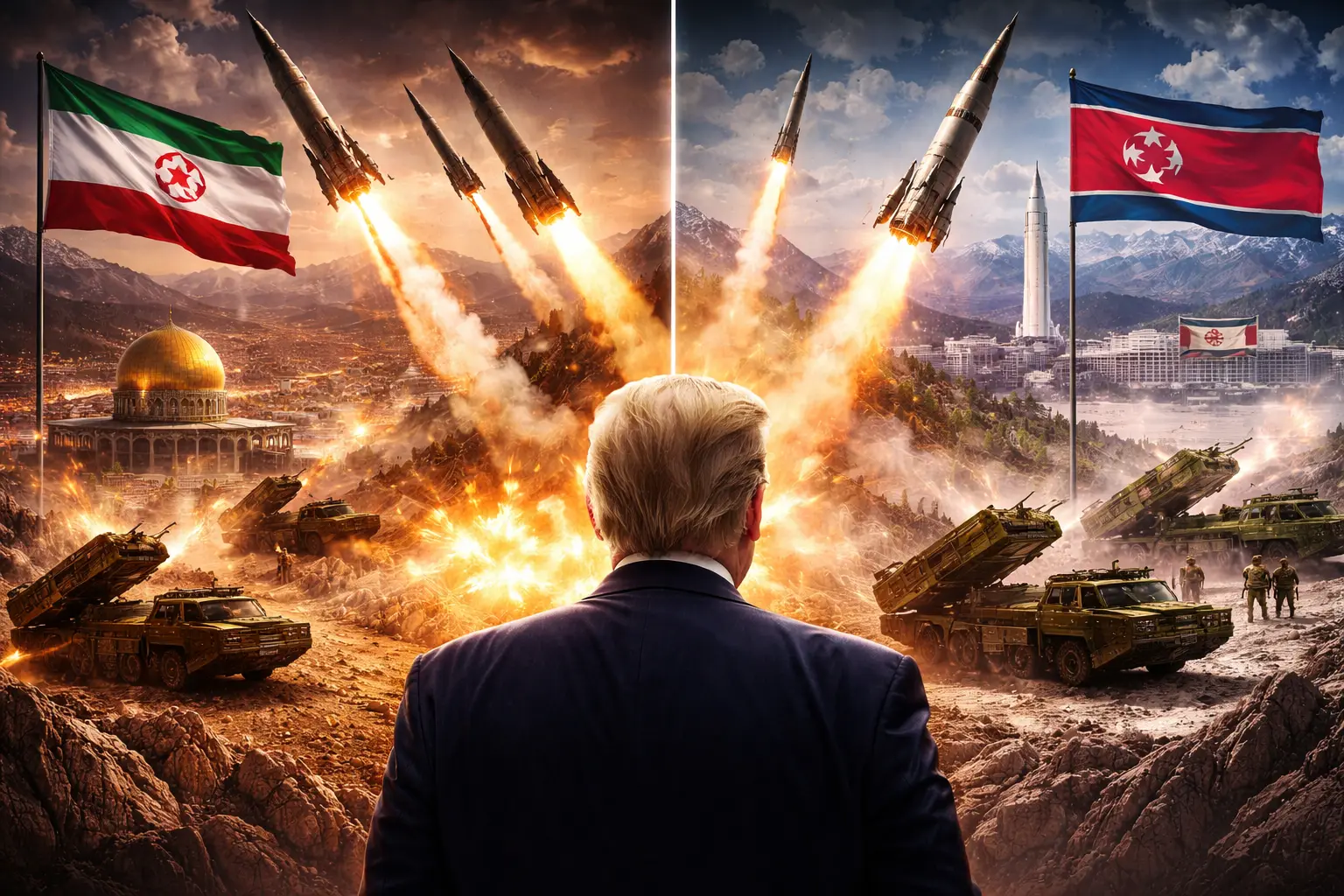
Despite repeated claims that Iran’s nuclear facilities were heavily damaged or destroyed, uncertainty remains about the country’s remaining nuclear materials. International monitoring agencies believe that significant quantities of highly enriched uranium may still exist at the Isfahan nuclear facility. If these stockpiles remain intact, Iran could theoretically restart parts of its nuclear program in the future. Without eliminating or securing the remaining nuclear stockpiles, experts warn that the core strategic issue behind the conflict may remain unresolved.
Domestic political pressure builds in the US
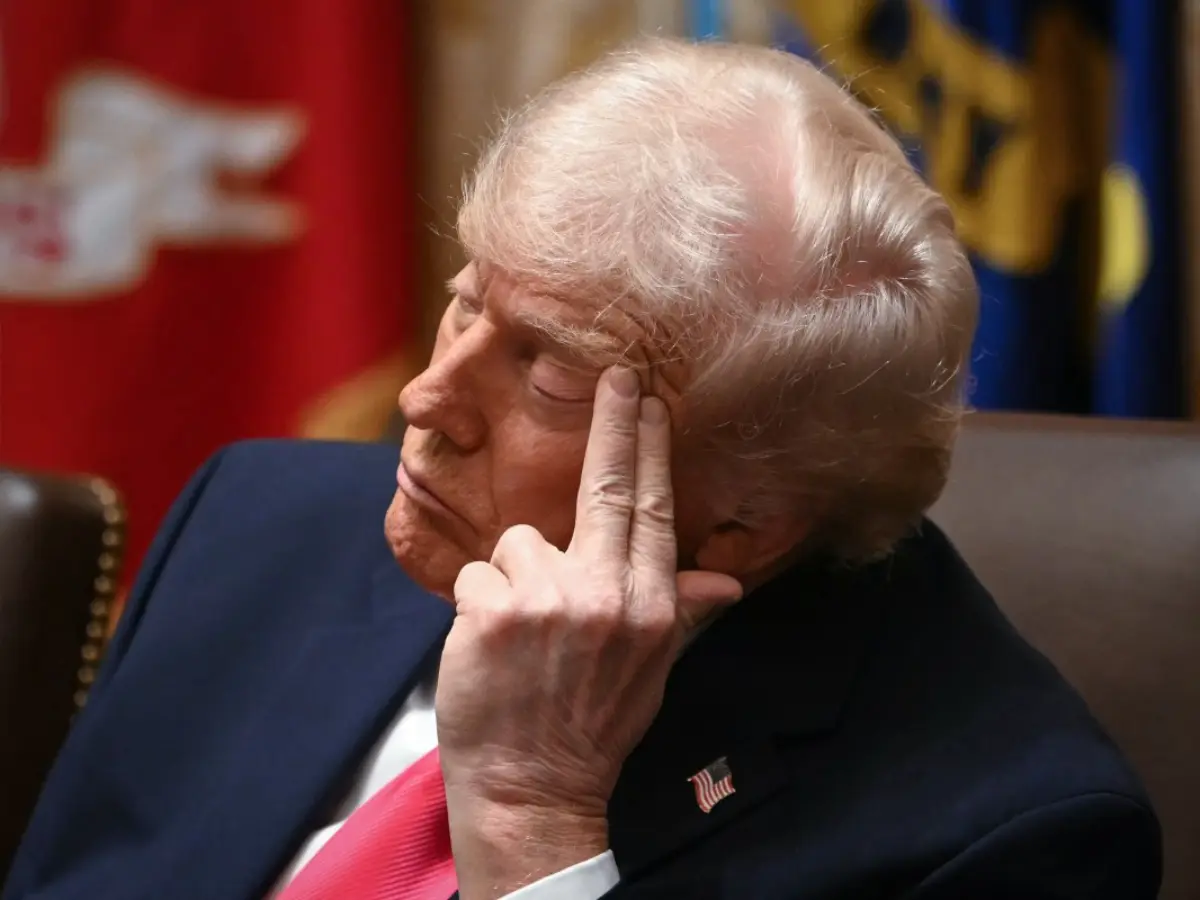
In US, the conflict is beginning to create political and economic pressures. Rising oil prices linked to instability in the Gulf are already affecting gasoline costs and consumer spending across the US. As the conflict continues, voters may become more concerned about economic impacts and potential military casualties. These concerns could play a significant role in upcoming midterm elections, particularly in competitive districts where foreign policy is often viewed through the lens of domestic consequences. The administration therefore faces the challenge of balancing military objectives with the realities of domestic political support.
)
)
)
)
)