7 reason why scientists believe 3I/ATLAS comet could be an alien mothership?

The Manhattan-sized interstellar object 3I/ATLAS has baffled scientists with its unusual trajectory, massive size, and strange acceleration. Some researchers, including Harvard astrophysicist Avi Loeb, suggest it could be a technologically advanced alien probe.
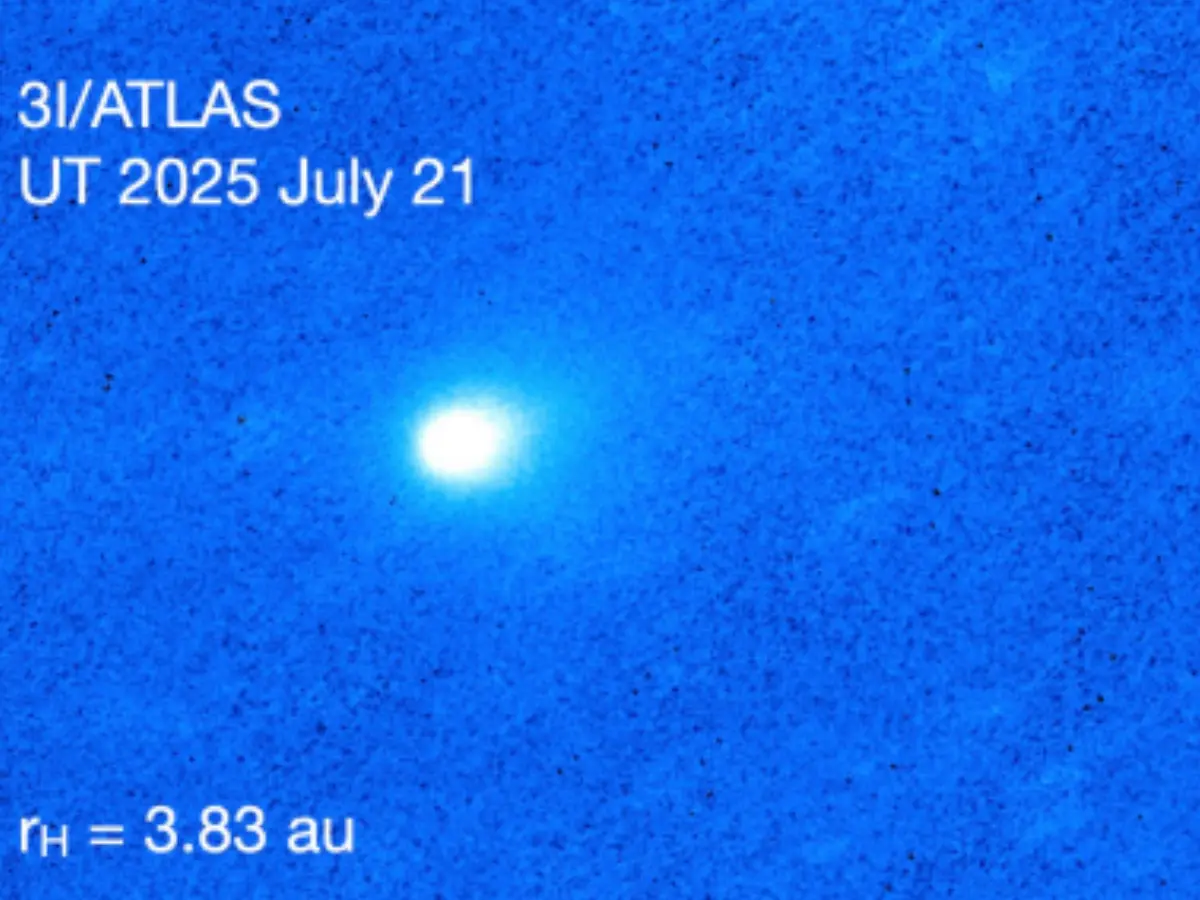
1. Unusual Interstellar Origin
3I/ATLAS is only the third known object from beyond our Solar System, after ‘Oumuamua and 2I/Borisov. Its rarity and massive size make it extremely unusual, raising questions about whether it is natural or artificial.
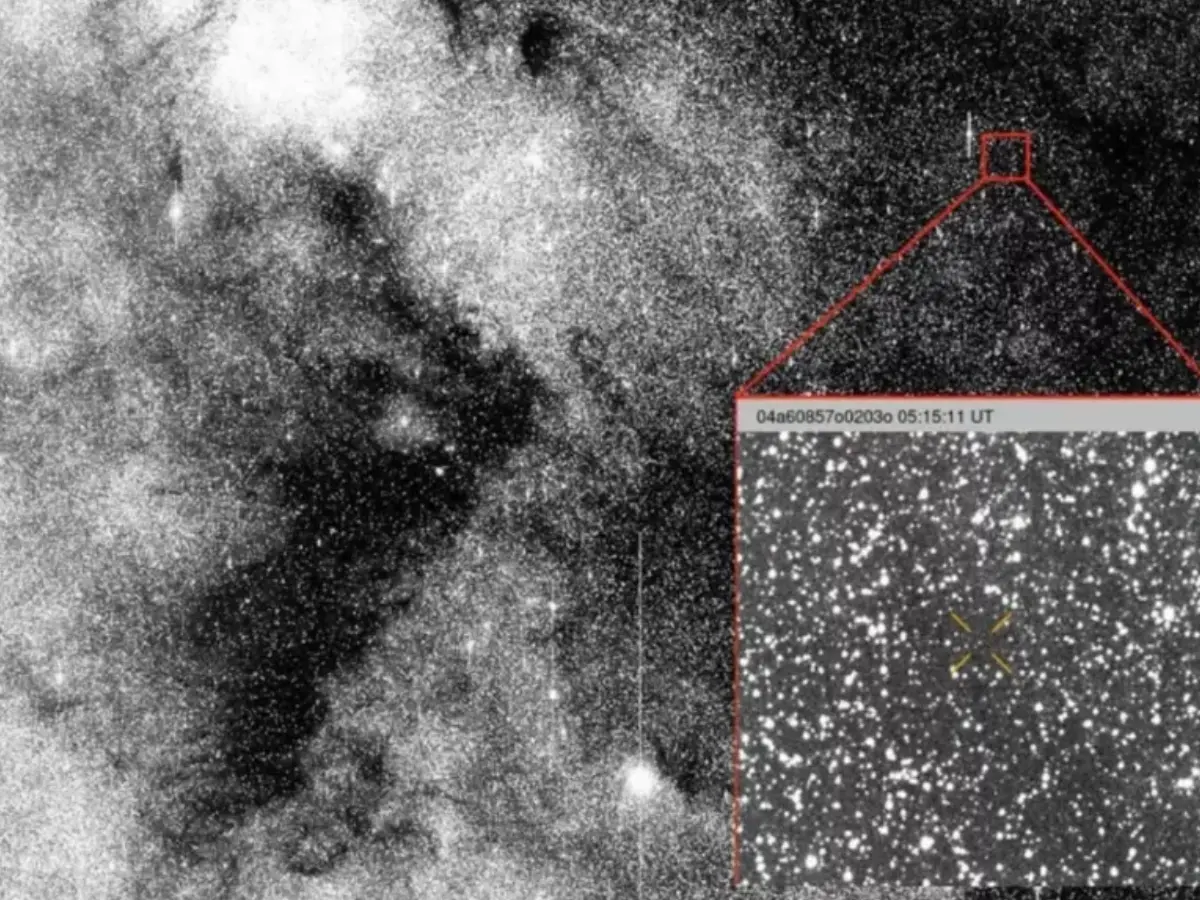
2. Gigantic Size
With a nucleus diameter of over 3.1 miles and a mass exceeding 33 billion tons, 3I/ATLAS is far larger than typical interstellar objects, suggesting it might not be a standard comet or asteroid.
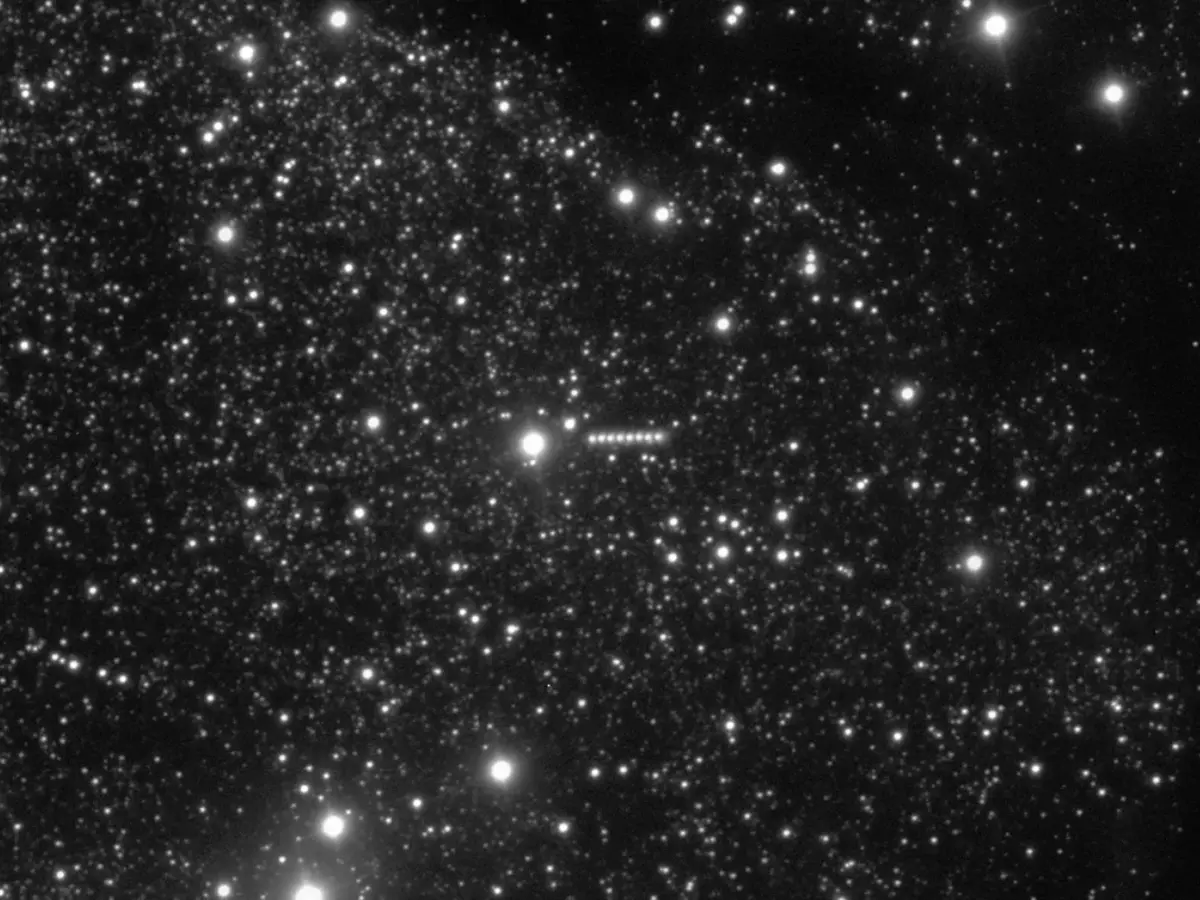
3. Nongravitational Acceleration
The object’s trajectory shows acceleration not explained solely by gravity, implying forces beyond natural comet activity, such as possible propulsion mechanisms consistent with artificial origin.
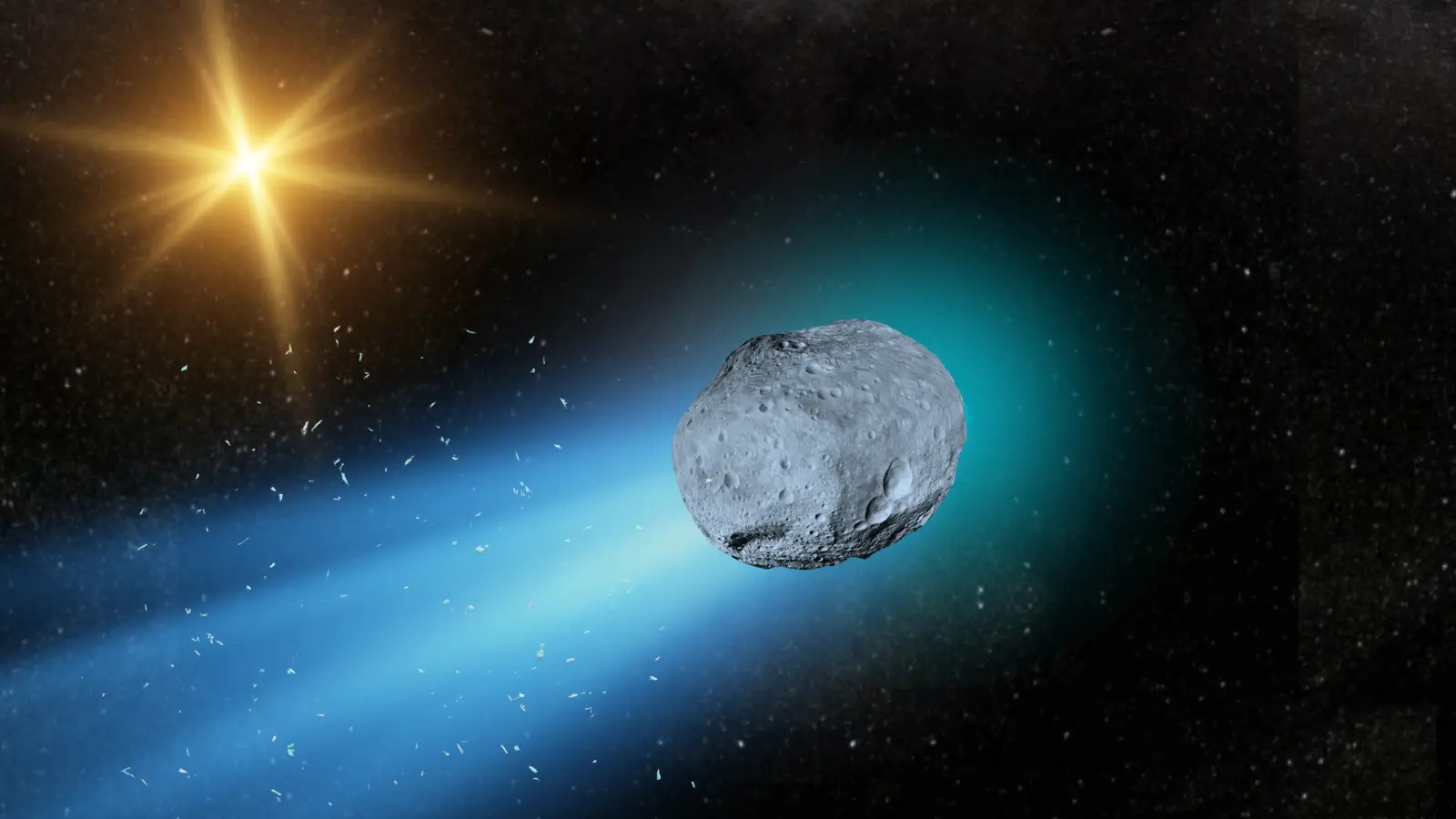
4. Close Flybys of Key Planets
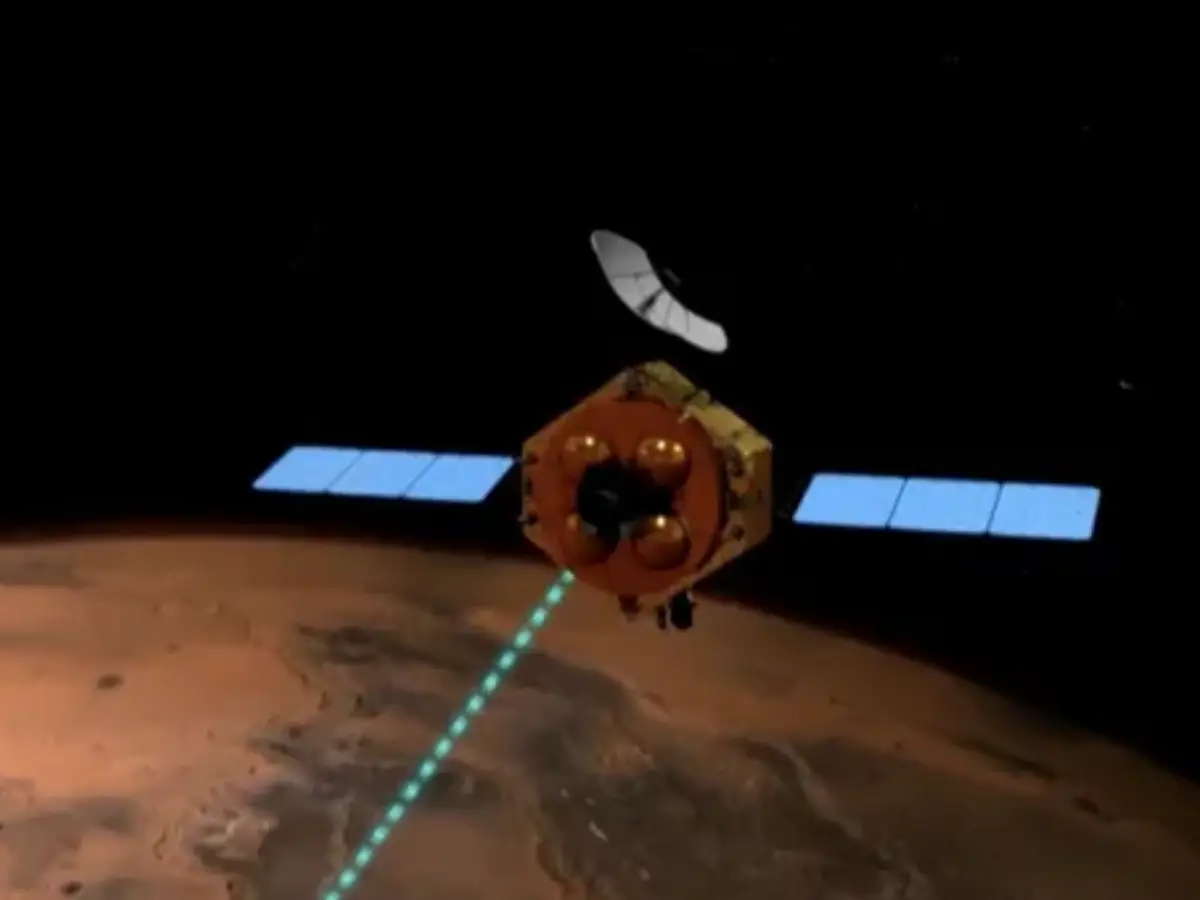
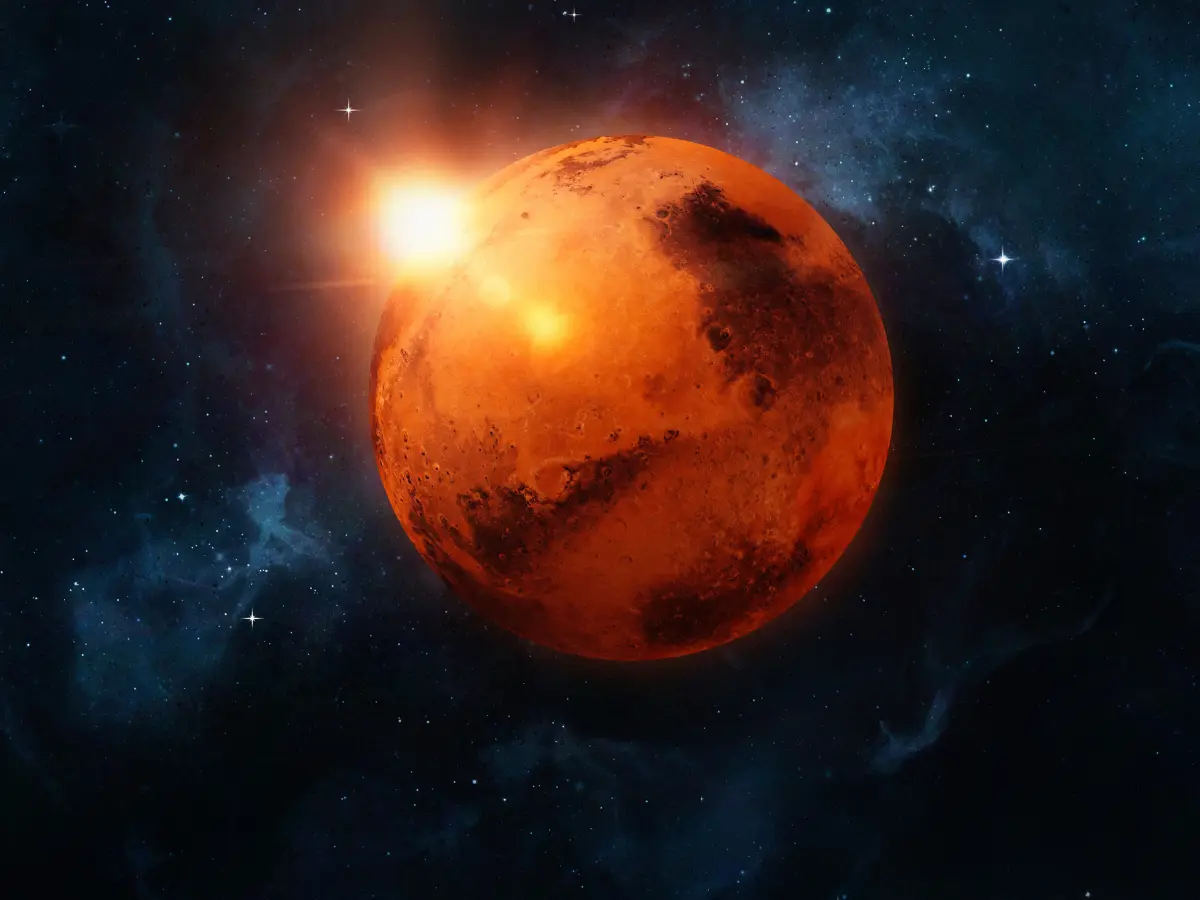
Its path brings it near Mars, Venus, and Jupiter, which could indicate a deliberate observational route rather than a random orbit, hinting at reconnaissance purposes.
5. Retrograde Spin
3I/ATLAS rotates opposite to most Solar System bodies. This retrograde tilt allows it to manoeuvre efficiently, potentially optimising data collection and navigation around planets.
6. Carbon Dioxide Composition
While it appears mostly made of CO₂, its outgassing behaviour and trajectory adjustments are inconsistent with natural comet physics, leaving open the possibility of technological engineering.
7. Intentional Observation Hypothesis
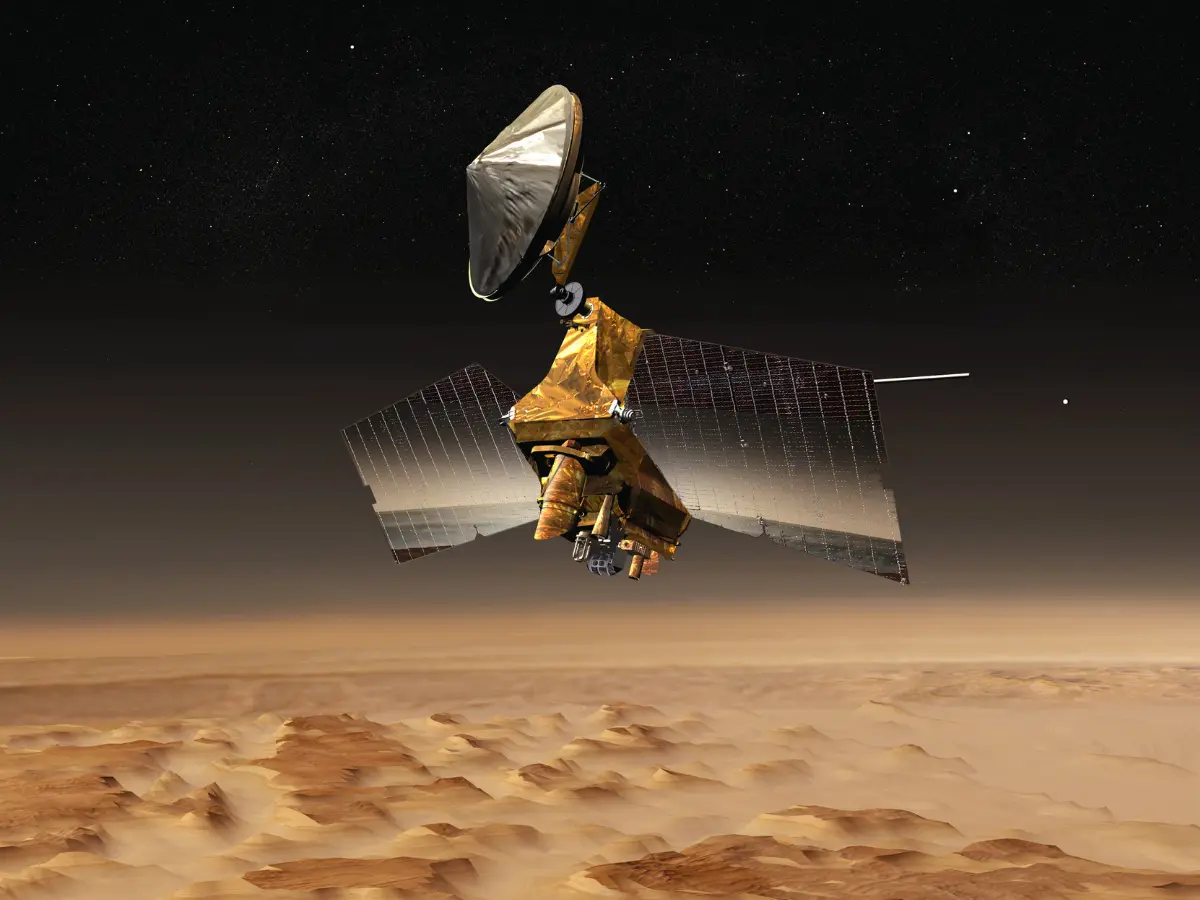
Loeb and his team propose that if it is a probe, its pathway and tilt could enable astrometric measurements, determining planetary orbits and masses, key reconnaissance tasks for an intelligent entity.
Conclusion:
While 3I/ATLAS poses no immediate threat to Earth, its strange behaviour and trajectory make it one of the most intriguing interstellar visitors ever observed. Scientists continue monitoring it closely to uncover its true nature.
)
)
)
)
)