7 reason why even Middle East is ahead of India in global AI race

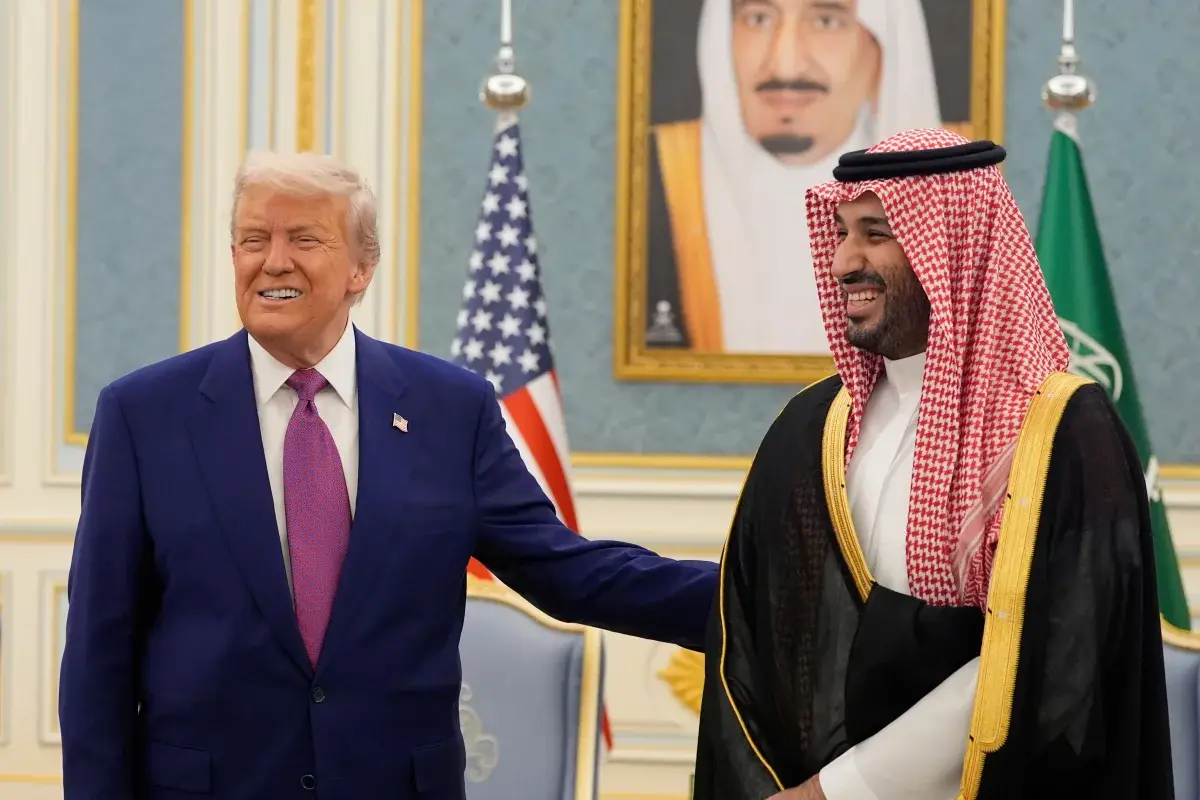
The Middle East is developing its own sovereign LLMs, including Falcon (UAE), Jais (UAE), and other region-specific large models funded directly by state-backed research centres.
1. Massive Investment in AI Infrastructure and Compute
Countries like the UAE and Saudi Arabia are investing billions into supercomputers, GPU clusters, sovereign cloud networks and national AI compute farms. The UAE’s Core42 already operates one of the world’s largest AI compute stacks, powering models like Falcon. In contrast, India still faces severe GPU shortages, weak HPC capacity and an over-reliance on foreign cloud providers. Without large-scale compute infrastructure, India cannot train competitive foundational models.

2. Homegrown Foundation Models and AI Labs
The Middle East is developing its own sovereign LLMs, including Falcon (UAE), Jais (UAE), and other region-specific large models funded directly by state-backed research centres. These labs are producing models that rank globally on leaderboards and contribute to open-source AI progress. India, by comparison, has not yet produced any globally competitive foundational model, and the ecosystem remains focused on application-level AI rather than frontier research.

3. Aggressive Government-Led AI Strategy
Middle Eastern governments have actively positioned AI as a national priority. The UAE has a Minister of Artificial Intelligence, national AI councils, AI deployment mandates and direct coordination between government and private sector. Saudi Arabia’s Vision 2030 allocates billions toward AI, robotics, digital identity and autonomous systems. India has policy intentions but slow execution, fragmented governance and long procurement cycles, causing delays in nationwide AI adoption.
4. Chip Independence Through Strategic Partnerships
The Middle East has embraced long-term agreements with NVIDIA, Cerebras, OpenAI and other chip and AI infrastructure companies to create local manufacturing, assembly and deployment capacity. Saudi Arabia’s PIF and UAE’s Mubadala invest directly in semiconductor firms globally. India, however, does not produce any advanced-node AI chips and relies almost entirely on imports, with domestic semiconductor fabs still years away from high-end production capability.
5. Fast Adoption of Robotics and Autonomous Systems
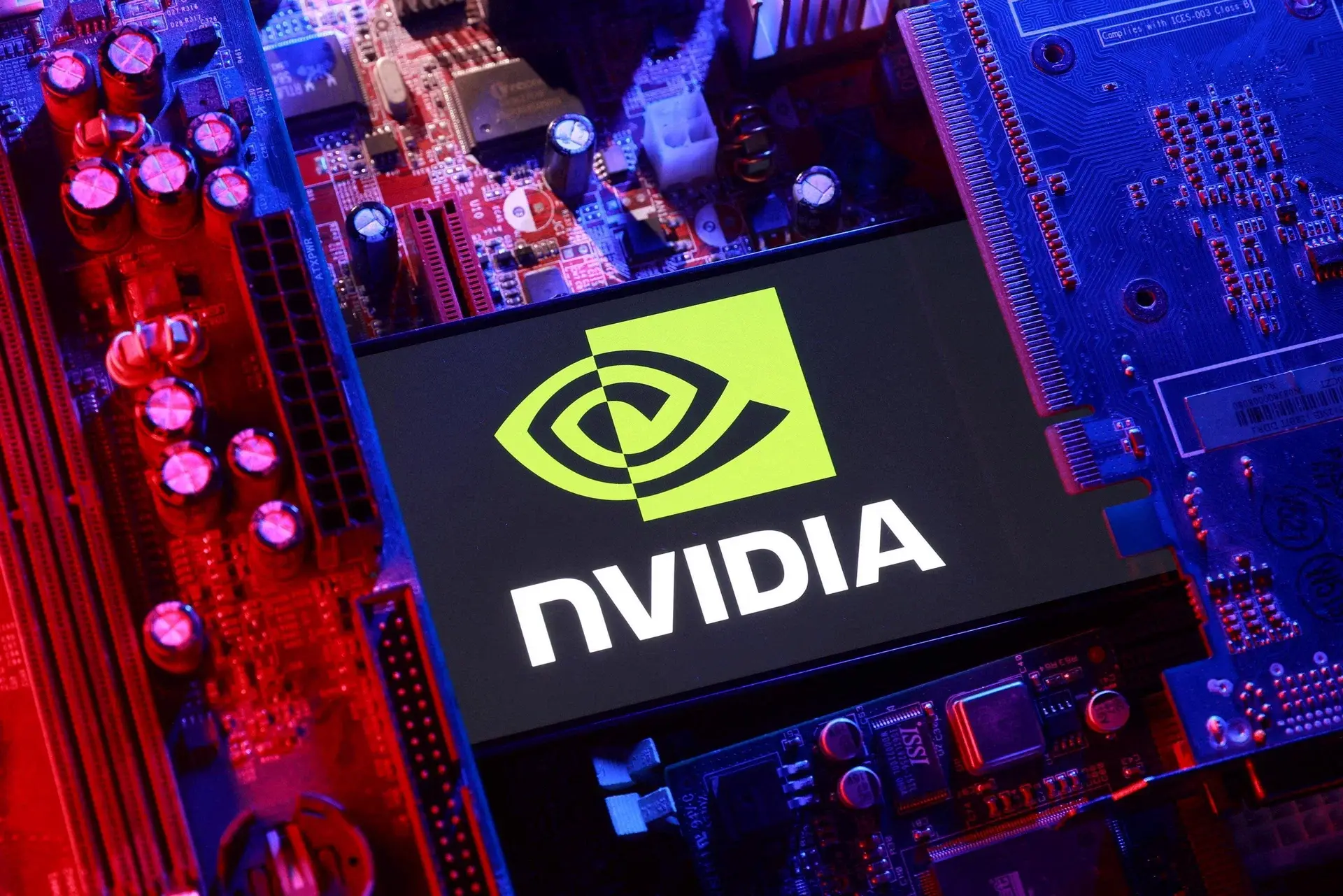
Dubai, Abu Dhabi and Riyadh are rapidly deploying humanoids, service robots, autonomous taxis, drone delivery systems and AI-powered public infrastructure. Robotics pilots move from lab to real-world use in months. In India, humanoid robots remain limited to academic prototypes and pilot projects with no mass deployment. Industrial automation and robotics density in India is among the lowest in Asia.

6. Talent Attraction, Not Talent Drain
The Middle East is aggressively attracting global AI talent with world-class salaries, tax benefits, research funding and residency visas. The UAE’s research institutions host scientists from DeepMind, Meta, OpenAI and leading universities. India, meanwhile, continues to experience brain drain, with its top AI engineers and researchers relocating to the US and Europe due to higher pay, better research infrastructure and stronger startup ecosystems.
7. AI as a National Economic Engine, Not an Add-On
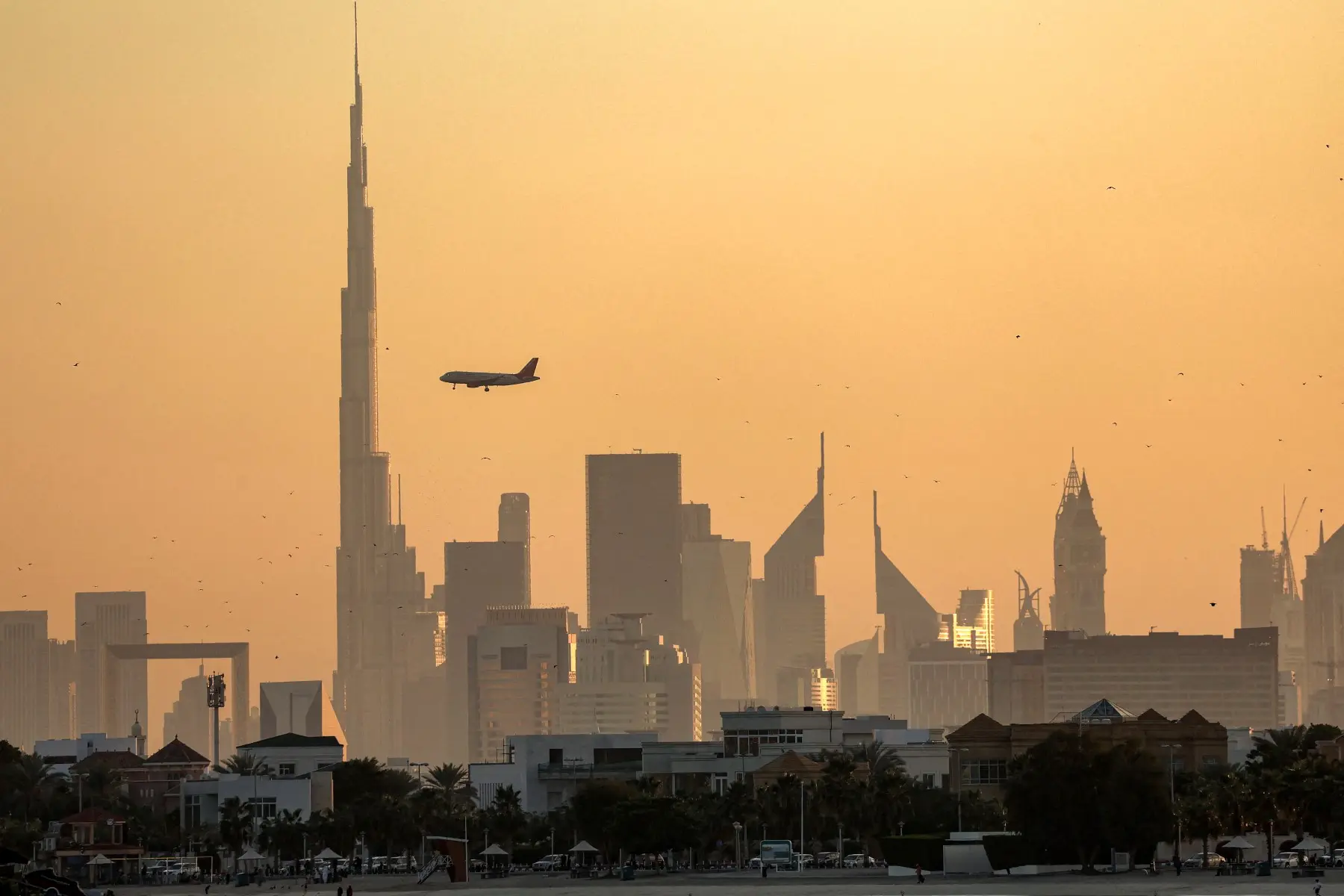
For the Middle East, AI is central to transforming oil-dependent economies into technology-driven, future-proof nations. This leads to bold investments, rapid regulation, and state-driven innovation. India’s AI growth is driven mostly by the private sector, with government adoption happening slowly and inconsistently. Without nationwide alignment, India struggles to scale AI at the speed required to compete globally.

Conclusion
The Middle East has surged ahead in the global AI race due to massive compute investment, sovereign LLMs, robotics adoption, talent acquisition and decisive government action. India has the talent and potential, but without accelerated investment in compute, chips, robotics and foundational AI research, the gap will continue to widen.
)
)
)
)
)