7 real inventions that science fiction predicted decades before they existed

From futuristic visions of cashless societies to handheld communicators and video calls, these inventions seemed like fantasy until science caught up.
Introduction
Long before they became part of everyday life, some of the world’s most transformative technologies were already imagined in the pages of science fiction novels and on cinema screens. From futuristic visions of cashless societies to handheld communicators and video calls, these inventions seemed like fantasy until science caught up. Here are seven striking examples of how fiction foresaw the very tools that define the modern age.
A Utopian Future with Credit Cards
In his 1888 novel Looking Backward: 2000–1887, Edward Bellamy imagined a futuristic Boston where every citizen receives 'credit' from the state and makes purchases using a 'credit card.' It functions more like a modern debit card, facilitating equal distribution of the national product, a strikingly prescient thought for the Victorian era. At a time when physical currency dominated, Bellamy’s vision of a cashless society pointed directly to the financial systems we rely on today.
Wireless Earbuds in 1953
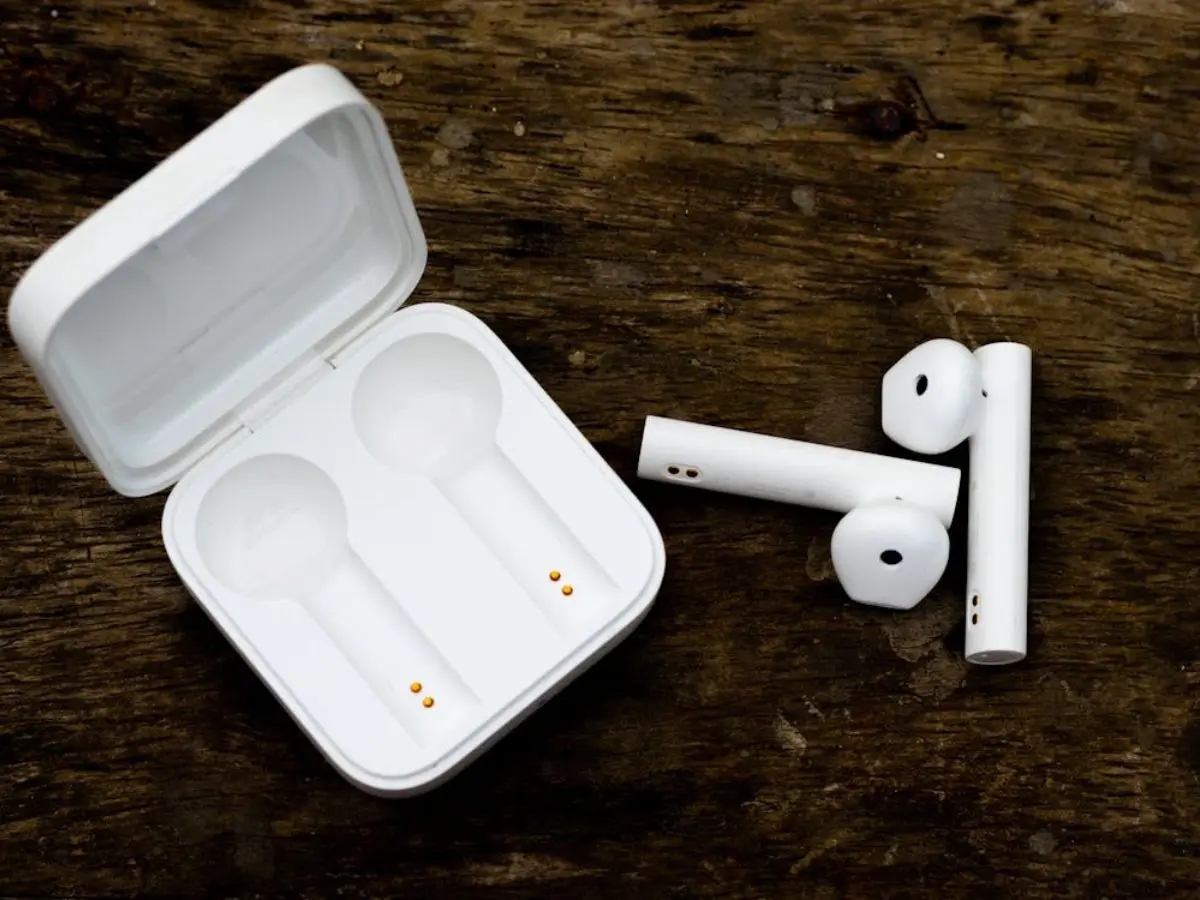
Ray Bradbury’s Fahrenheit 451, published in 1953, features 'Seashells' or ‘thimble radios’, tiny devices inserted into characters’ ears that stream a constant tide of sound. These uncannily mirror today’s wireless earbuds and Bluetooth headsets, anticipating how we now retreat behind personalised soundscapes. Bradbury’s creation not only foresaw the technology but also hinted at the social isolation and distraction such devices can create in everyday life.
Cell Phones Echoing Star Trek
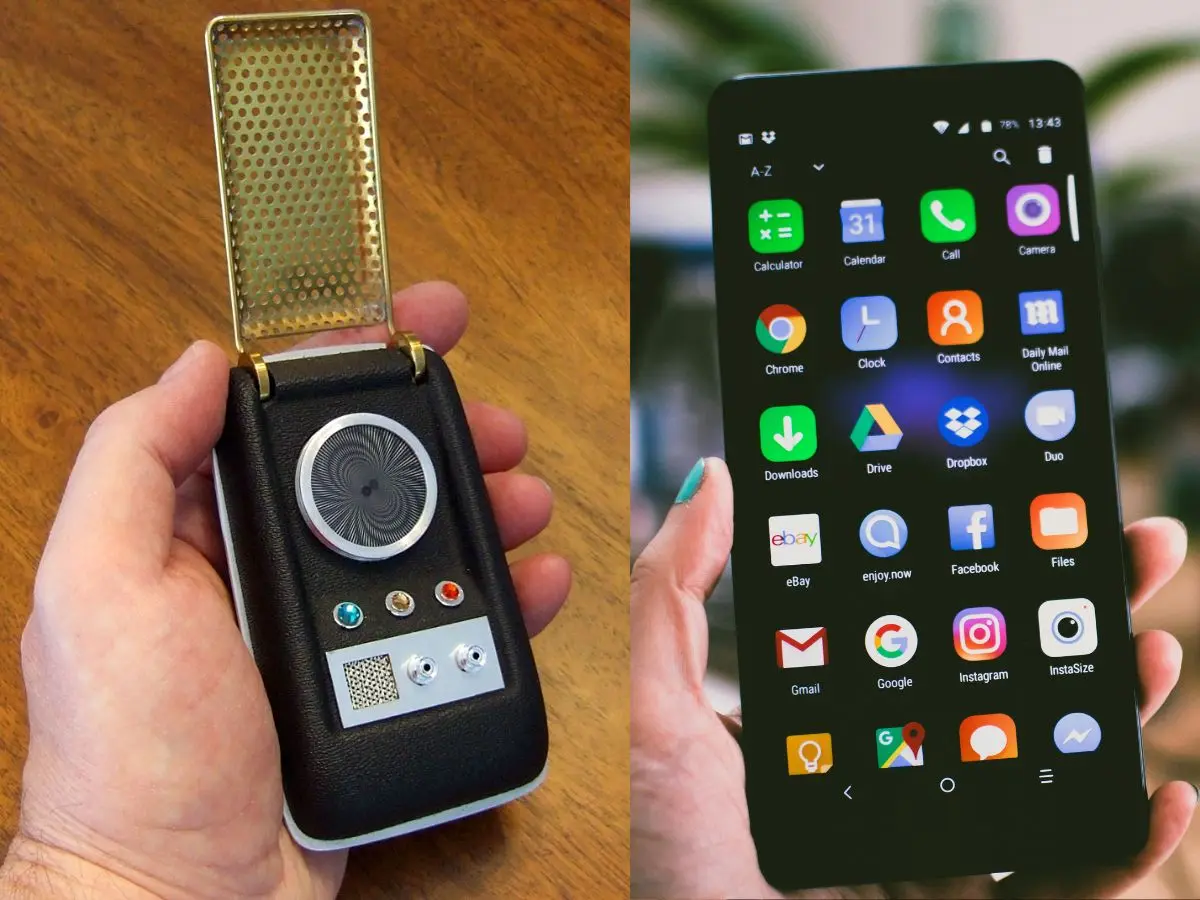
When Martin Cooper of Motorola created the first handheld mobile phone, he credited the Star Trek communicator as his inspiration. On 3 April 1973, he made the first public handheld call on a Manhattan sidewalk, signalling the dawn of mobile communication. Cooper also acknowledged the Dick Tracy wrist radio as an early influence, but Star Trek remains the iconic spark. Today, with billions of mobile users worldwide, this once fantastical device has become the most ubiquitous technology of the modern era.
The TASER’s Sci-Fi Roots
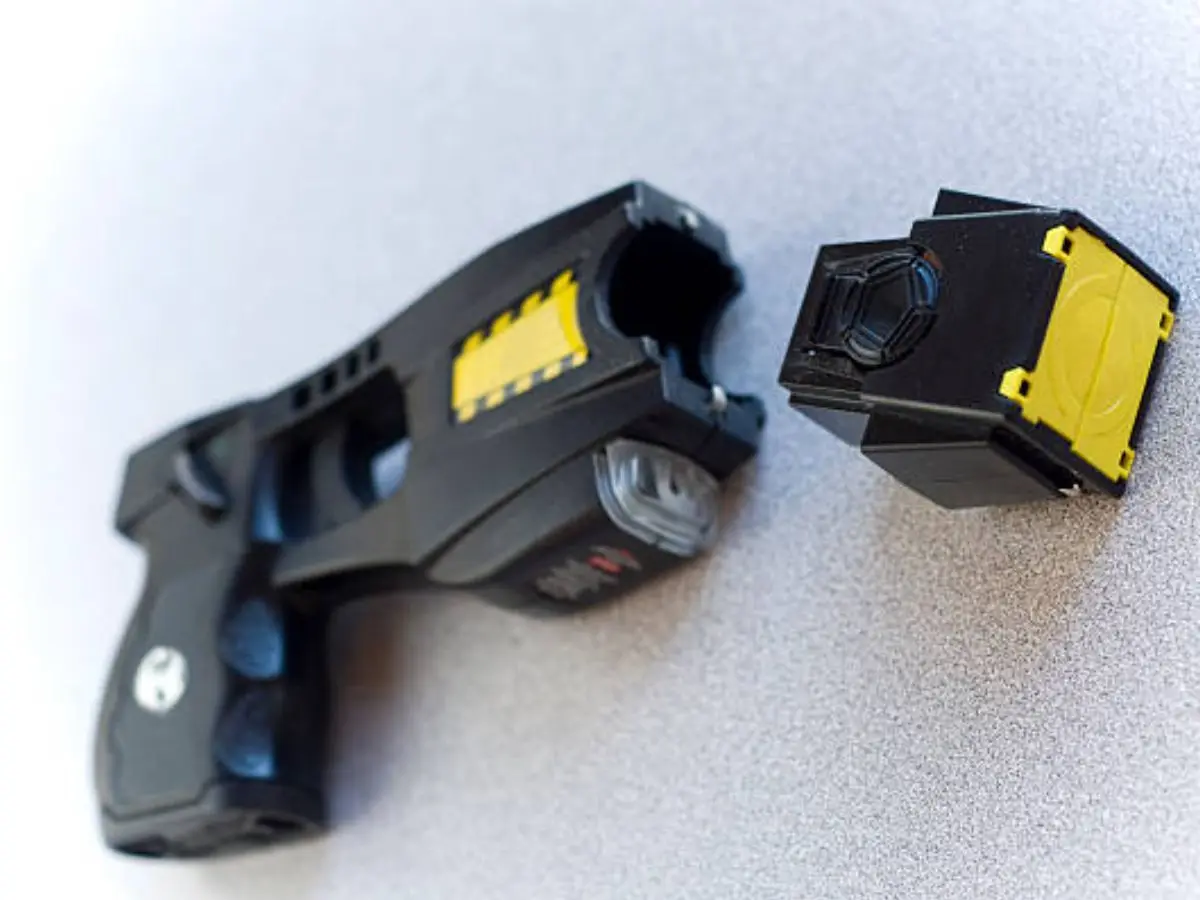
The word TASER originates from the title of a 1911 adventure novel, Tom Swift and His Electric Rifle. NASA scientist Jack Cover used the initials T.S.E.R. and added an 'A' to form an easily pronounced acronym, TASER. The fictional electric rifle inspired a real less-lethal weapon, today widely used and often debated for its role in law enforcement. What began as imaginative fiction became an invention that has shaped policing strategies across the globe.
Geostationary Satellites Foreseen in 1945
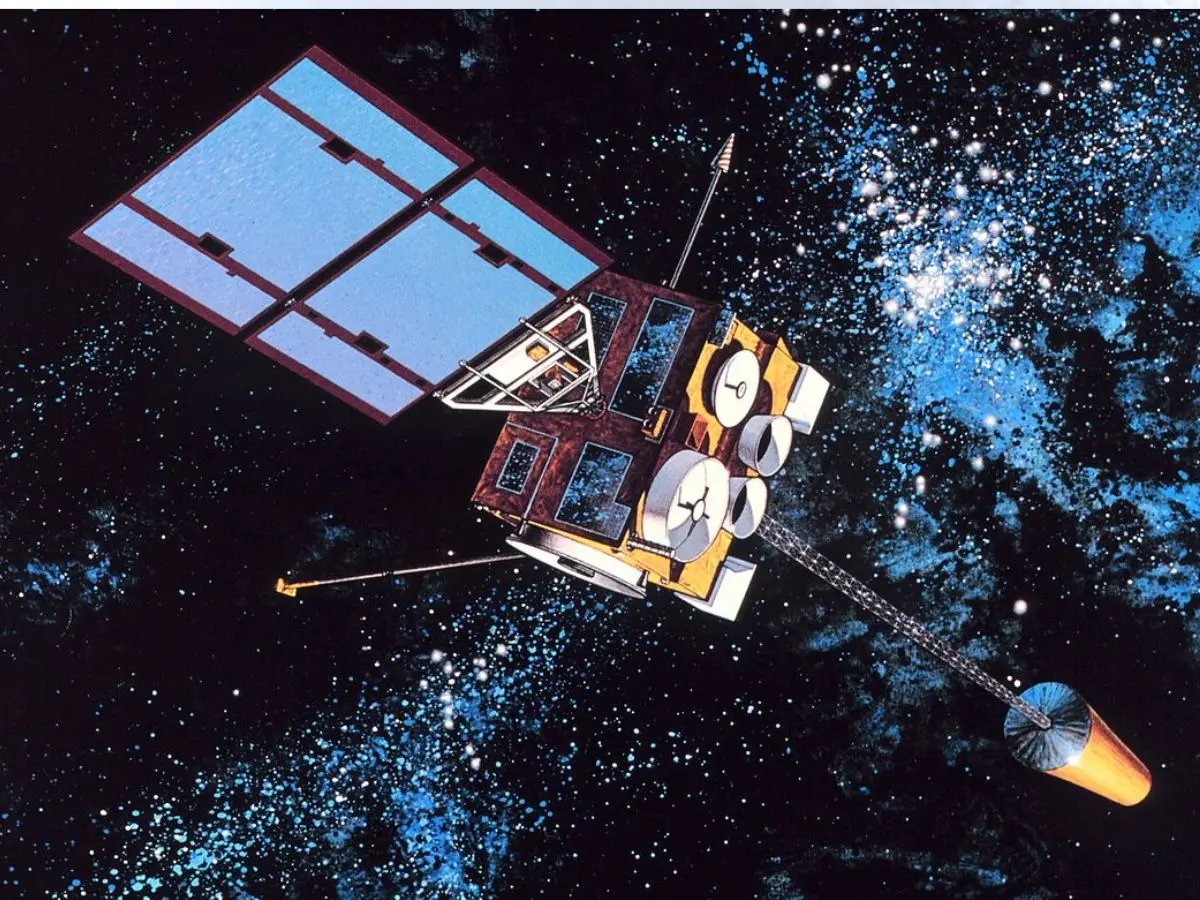
In 1945 Arthur C Clarke proposed the concept of geostationary satellites acting as 'extra-terrestrial relays'. His vision became the foundation of modern satellite communication, predicting with remarkable clarity how humans would one day orbit the Earth with technological purpose. Today, thousands of satellites maintain everything from GPS to global broadcasting, all echoing Clarke’s once-speculative idea.
Tablets and Flat Screens in 2001
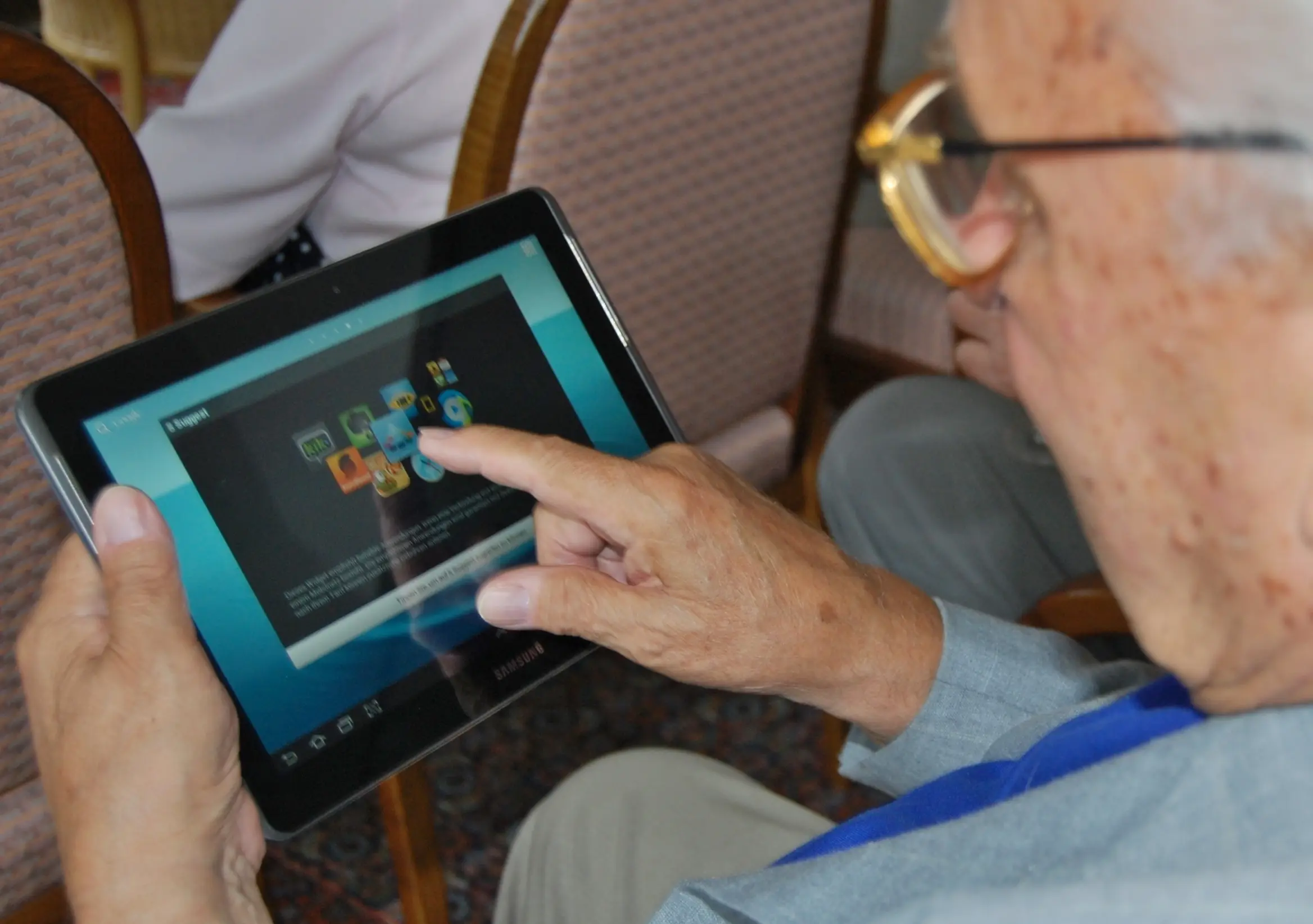
Arthur C. Clarke’s 2001: A Space Odyssey, released in 1968, featured 'newspads' and wall-sized display panels. These devices strongly resemble today’s tablets and flat screens, reflecting how science fiction often sketches the outlines of future consumer technology long before it arrives. Viewers at the time regarded them as futuristic props; now they are fixtures of homes, offices, and schools worldwide.
Video Calls in Metropolis
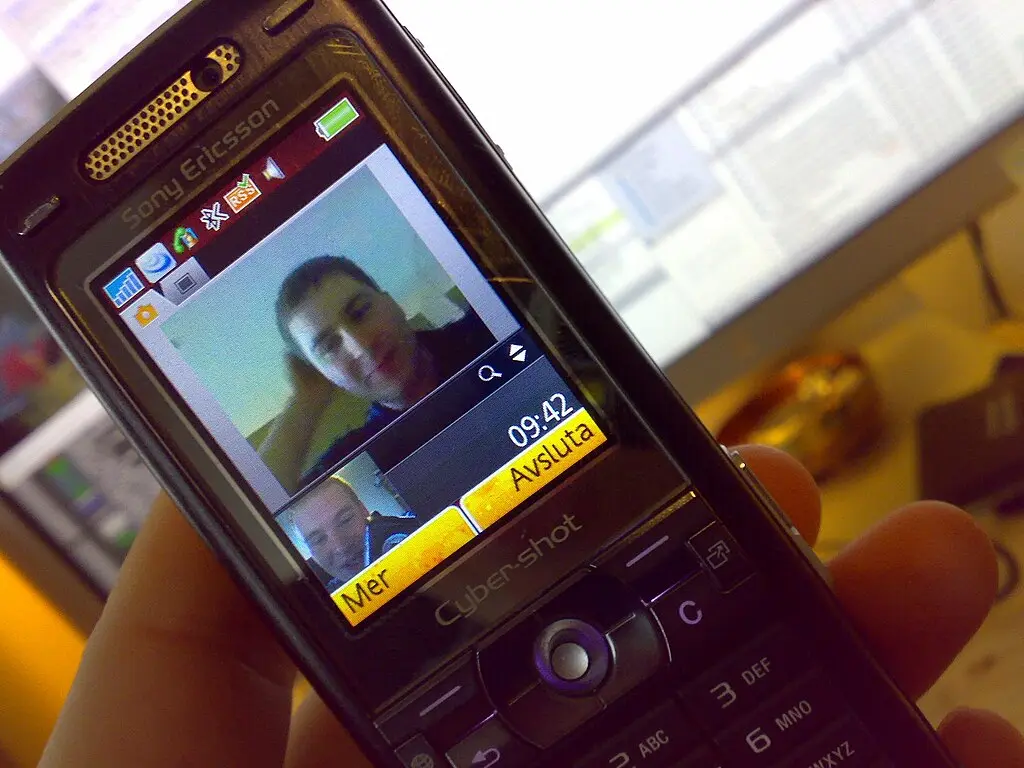
The 1927 film Metropolis showed video-phone communication screens, visually anticipating modern video-calling technology. Nearly a century later, video conferencing is routine in both professional and personal life, proving how fiction once again foreshadowed the everyday. From global boardrooms to casual chats, this imagined novelty has become one of the most relied-upon tools of the digital age.
)
)
)
)
)