7 propulsion factors that make BrahMos extraordinarily fast

BrahMos missile’s two-stage ROCKET-RAMJET system gives it extreme speed, long range and heavy impact. Sleek 70-centimetre diameter profile minimises air resistance. Composite materials reduce weight enabling acceleration. Ramjet fuel efficiency extends range to 800 kilometres.
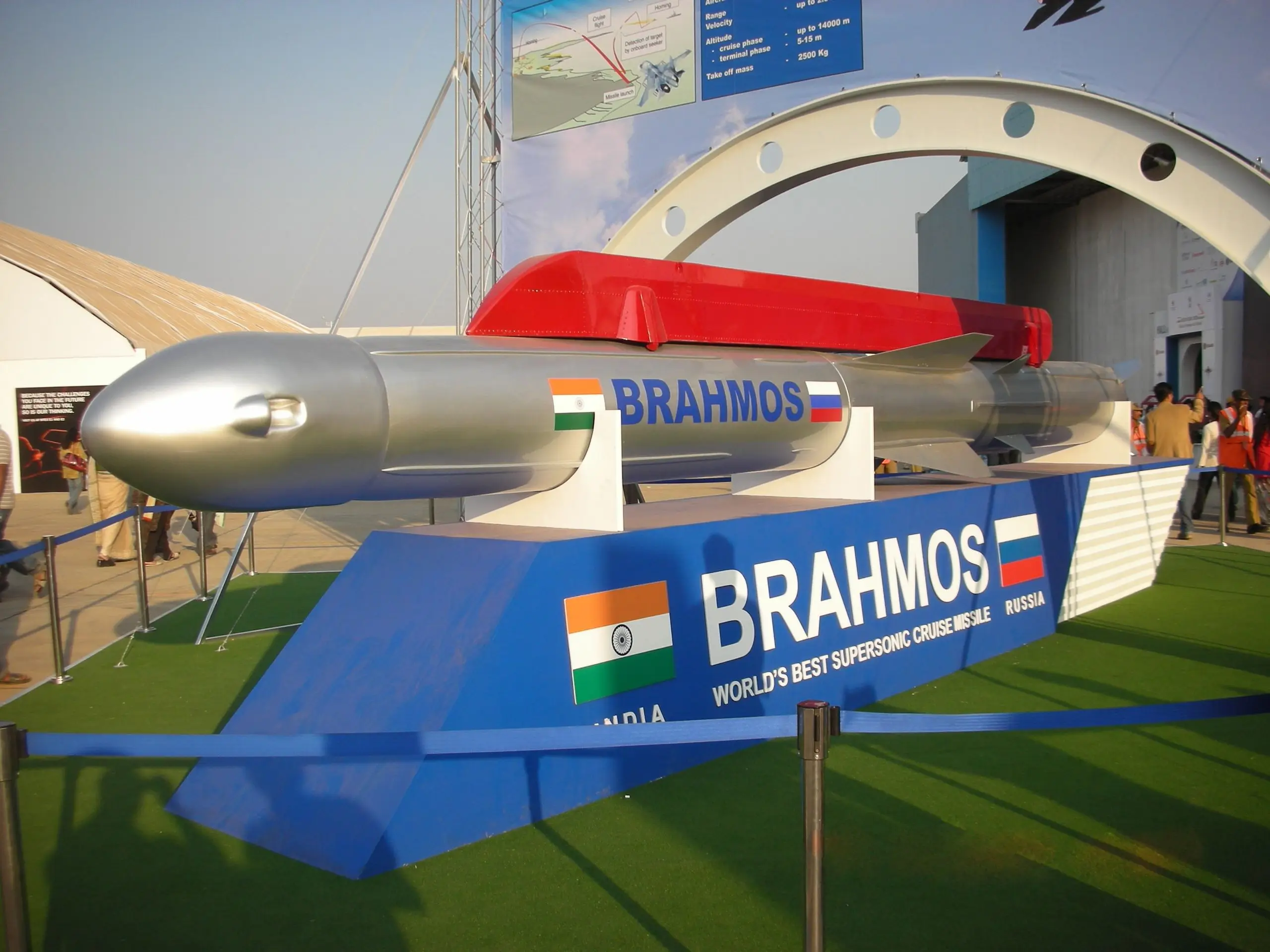
The Two-Stage System
BrahMos uses two completely different engines working together. The first stage is a solid-propellant rocket booster. The second stage is a liquid-fuelled ramjet engine. The booster accelerates the missile rapidly to supersonic speeds. Once speed is achieved, the booster separates and the ramjet takes over. This two-stage approach optimises speed from launch until impact.
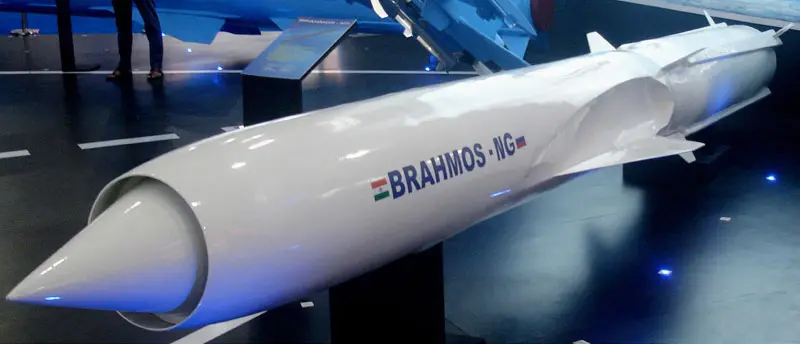
Instant Acceleration From Zero To Mach 2.8
At launch, the solid-propellant booster ignites with tremendous force. This stage accelerates the 2.8-tonne missile from zero to nearly Mach 2.8 very rapidly. Solid propellant burns very quickly providing enormous initial thrust. The acceleration happens in seconds not minutes. Once the missile reaches optimal supersonic cruise speed, the booster separates and falls away.
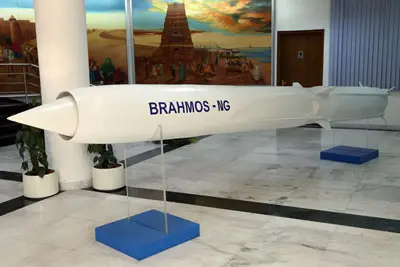
The Liquid Ramjet Engine
After booster separation, the liquid-fuelled ramjet engine takes over. This engine works differently than traditional rockets. It uses incoming air compressed by the missile's forward speed. The ramjet burns liquid fuel in this compressed air. This air-breathing approach provides continuous thrust maintaining Mach 2.8 speed.
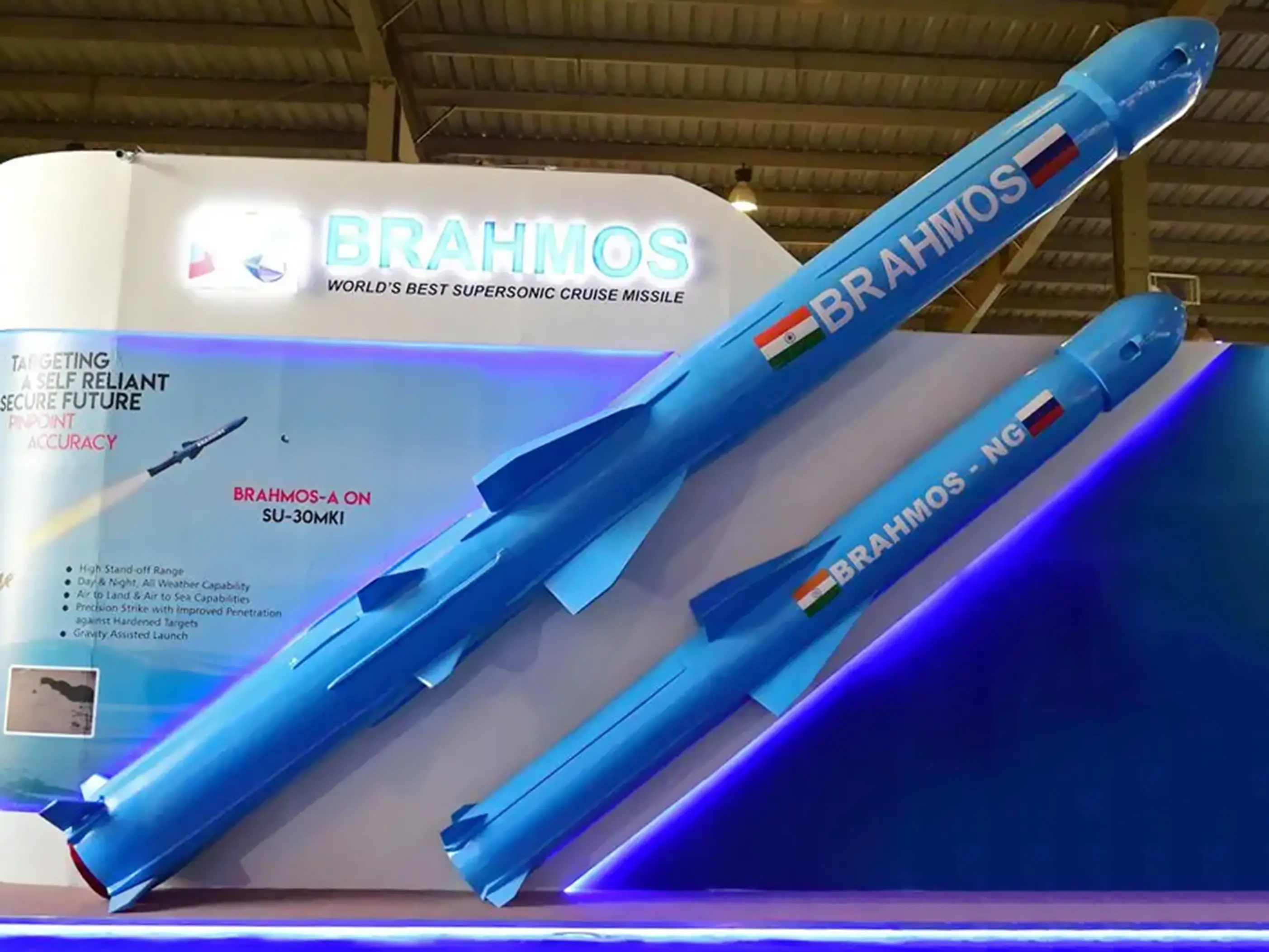
Using Atmospheric Oxygen Saves Fuel Weight
The ramjet engine breathes air as it flies forward. It does not carry all its oxygen in the fuel tanks like rockets do. This eliminates tremendous weight compared to pure rocket propulsion. Lighter weight means more efficient flight and greater range. The 500-kilometre range depends on this air-breathing efficiency.
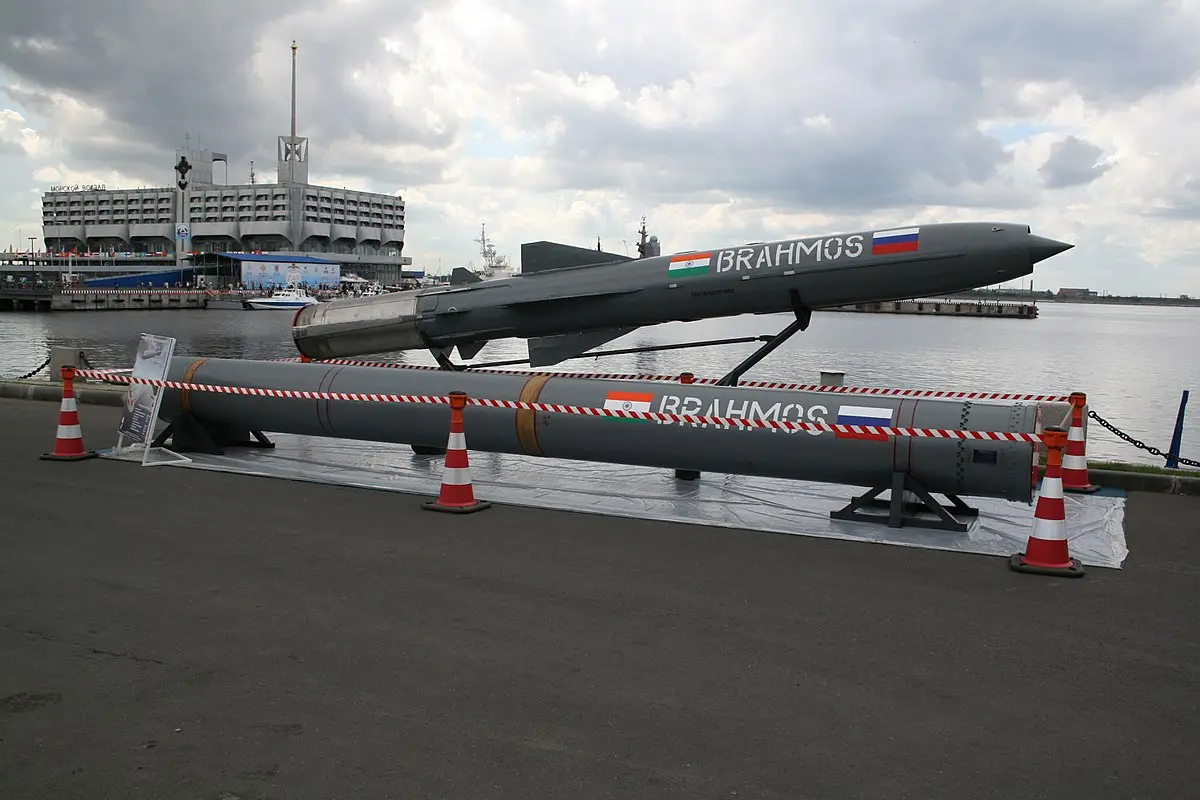
Aerodynamic Design Factor
BrahMos has only 70 centimetre diameter and sleek profile. This slim design reduces air resistance during supersonic flight. Less drag means less fuel required to maintain speed. The wings span 1.7 metres providing stability at Mach 2.8. Aerodynamic efficiency directly enables sustained supersonic cruise.
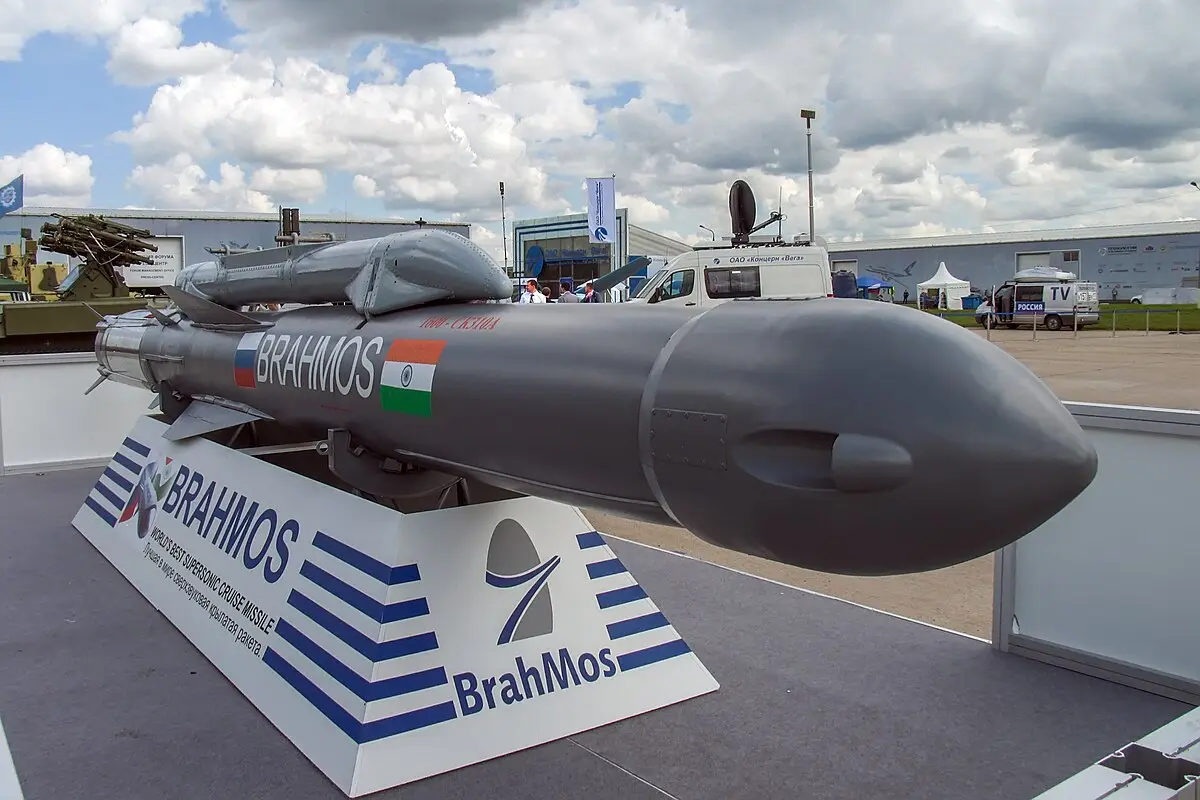
Composite Materials And Weight
BrahMos uses composite materials instead of heavy metals in many components. This reduces total missile weight enabling faster acceleration. Lighter weight also means the ramjet engine expends less fuel maintaining speed. The overall structure weighs only 2.8 tonnes despite carrying 200 kilogram warhead.
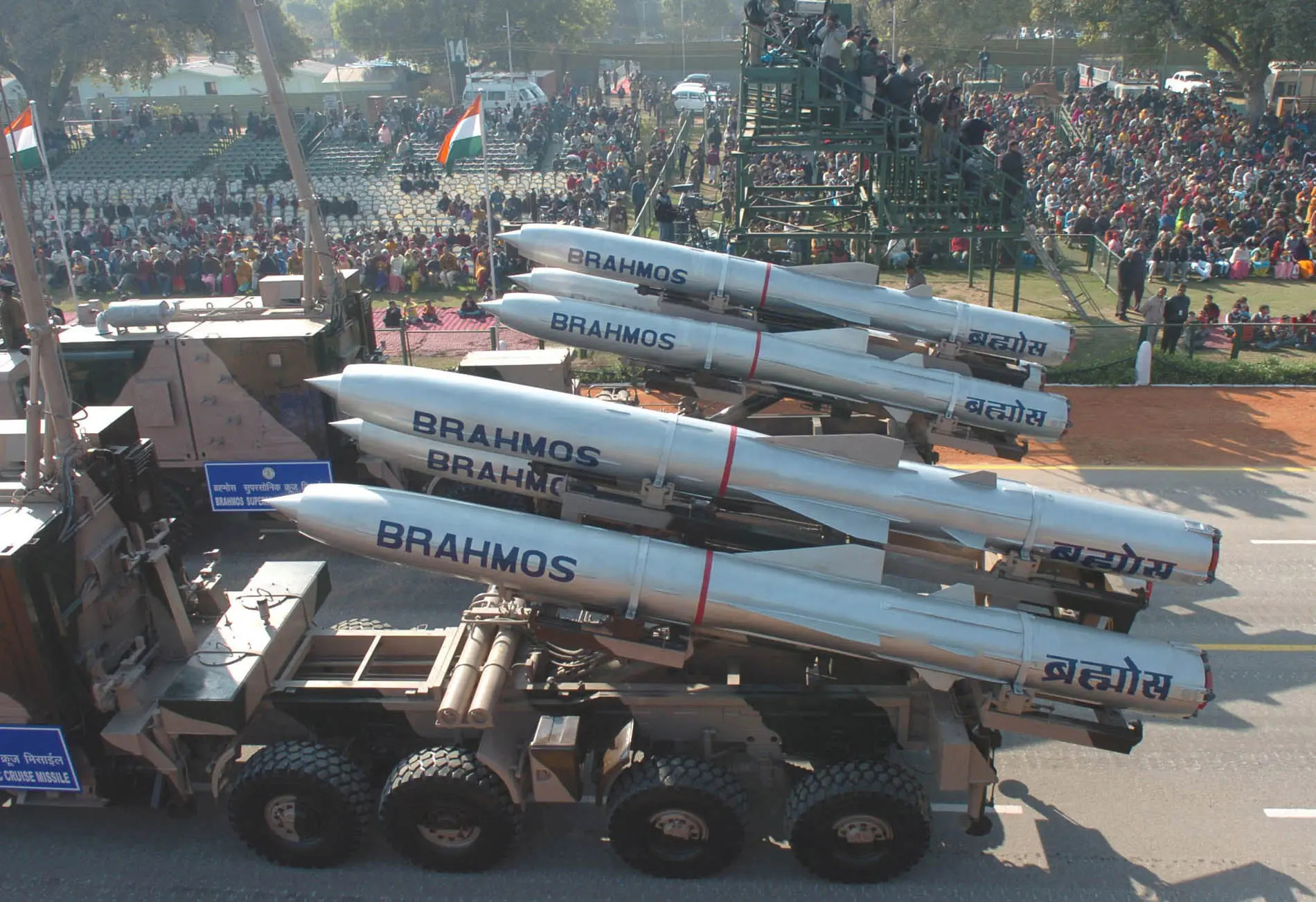
Ramjet Fuel Efficiency
The ramjet engine burns fuel very efficiently at supersonic speeds. Air-breathing eliminates oxygen weight. Efficient combustion minimises fuel waste. This combination extends range to 500 kilometres in current versions and future variants to 800 kilometres. No other cruise missile achieves this speed-range combination.

Kinetic Energy Advantage
BrahMos travels almost four times faster than Tomahawk cruise missiles. At Mach 2.8, kinetic energy is 32 times greater than Tomahawk. Speed 3,430 kilometres per hour means tremendous impact force. Even without warhead, this speed delivers devastating damage. No air defence system can react quickly enough to intercept.
)
)
)
)
)