7 places where humans live in extreme isolation

Seven extreme isolation communities worldwide demonstrate human resilience in Earth's most remote regions. From Tristan da Cunha to Arctic settlements, these isolated places reveal how humans survive and thrive despite geographic barriers and environmental challenges.
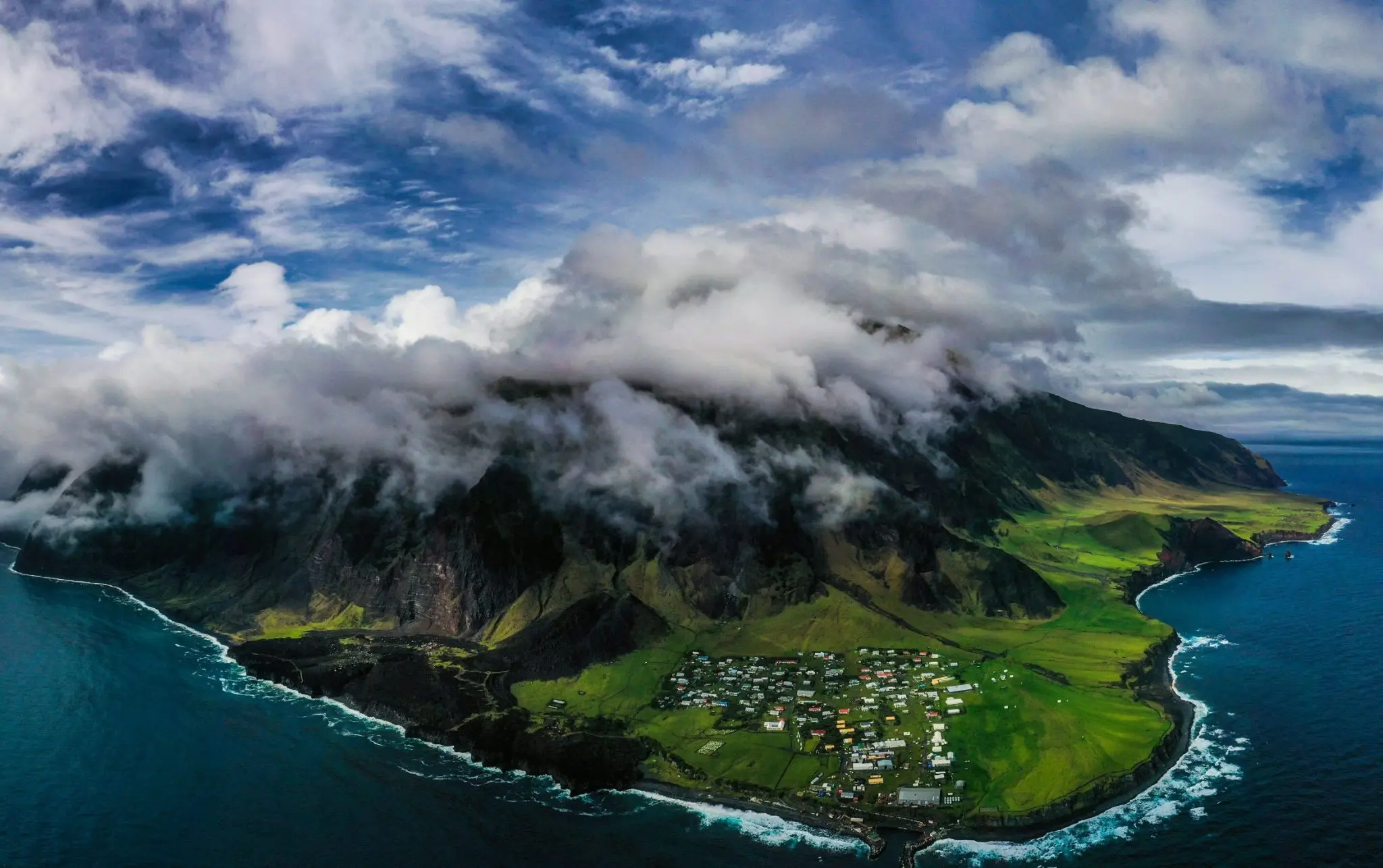
1. Tristan da Cunha: The World's Most Remote Inhabited Archipelago
Tristan da Cunha in the South Atlantic Ocean hosts approximately 250 people living completely isolated from regular contact with the outside world. The settlement has no airport and can only be reached by ship, requiring five to six days of sea travel. Residents maintain tight-knit communities with limited resources and minimal external trade connections.
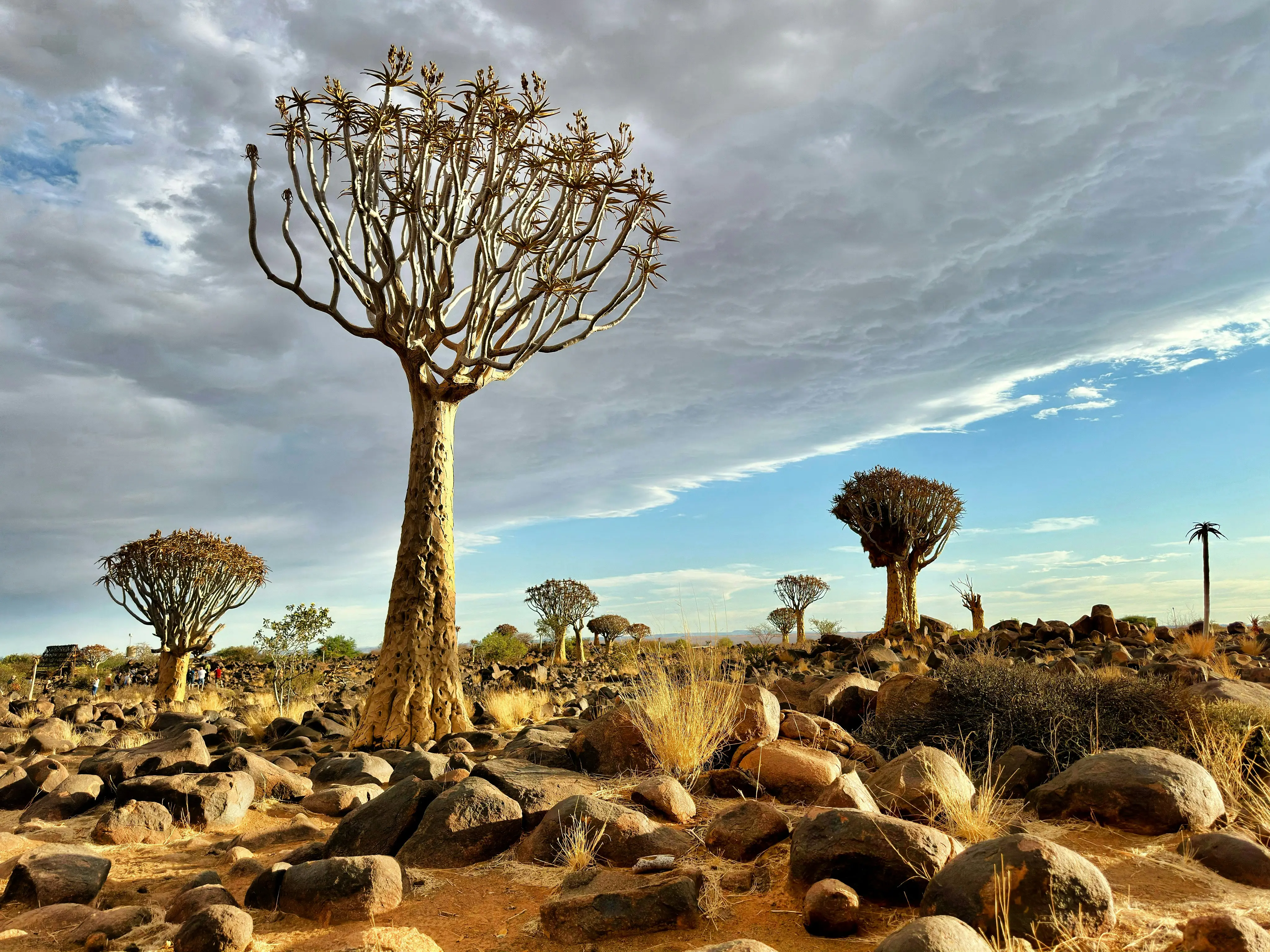
2. Socotra: Yemen's Extreme Isolation Island Community
Socotra Island, located off Yemen's coast, remains extremely isolated with limited transport connections and minimal government services reaching residents. The island's unique ecosystem and cultural isolation have preserved distinctive traditions among its population. Access remains difficult with irregular ferry services and challenging sea conditions restricting regular external contact.
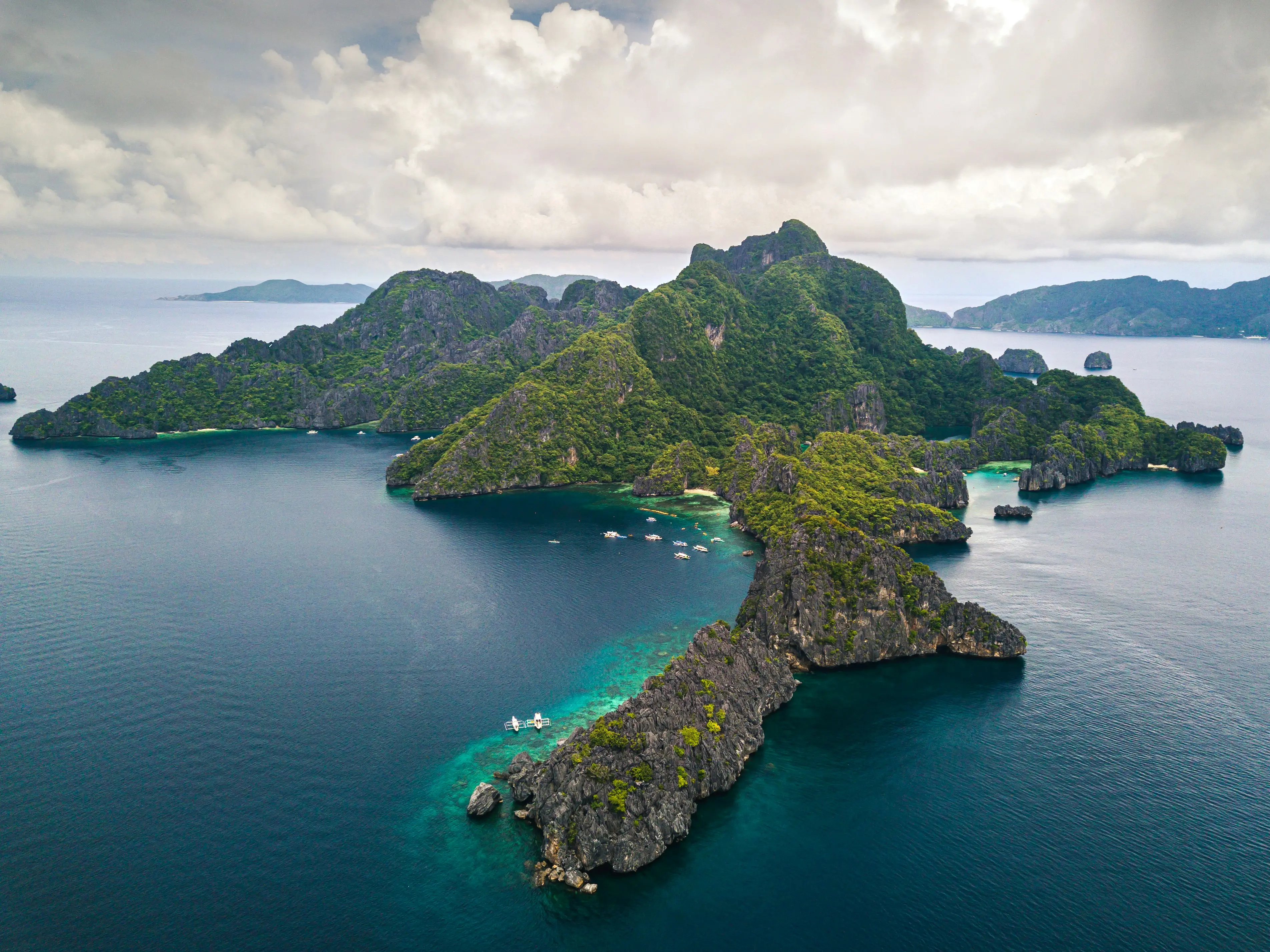
3. Kerguelen Islands: Extreme Antarctic Isolation and Research Communities
The Kerguelen Islands, a French territory in the Southern Ocean, host only research stations with rotating scientific personnel and minimal permanent human settlement. The islands lie approximately 3,300 kilometres from the nearest inhabited land, experiencing extreme weather and complete isolation. Communication relies on satellite systems with limited medical facilities requiring emergency evacuation protocols.
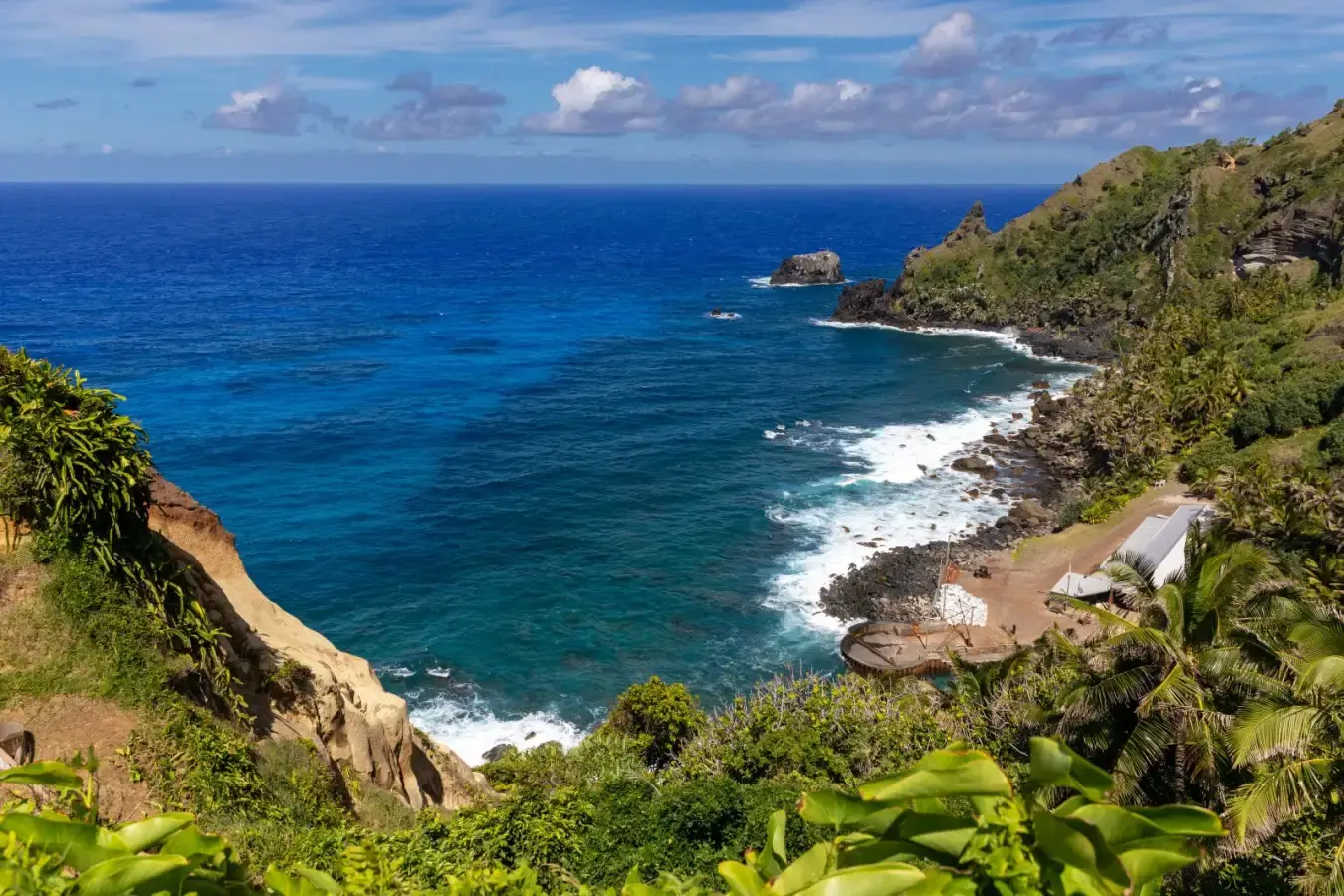
4. Pitcairn Islands: Pacific Remote Settlement with Declining Population
Pitcairn Islands in the South Pacific support fewer than 50 inhabitants living in extreme geographic isolation. The settlement receives irregular supply ships and maintains limited connection to external services and commerce. Residents rely heavily on self-sufficiency and tight community bonds for survival in this remote location.
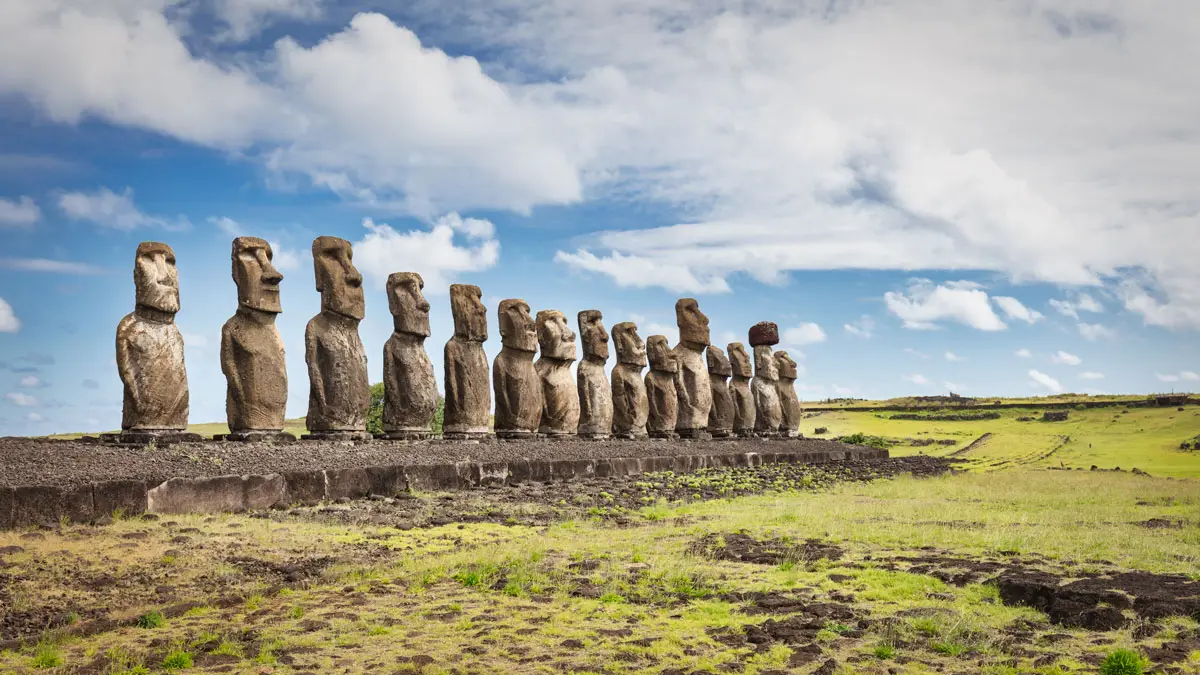
5. Easter Island: Pacific Isolation with Archaeological Significance
Easter Island, located 3,500 kilometres from Chile, remains one of the world's most isolated inhabited territories with approximately 7,000 residents. The island experiences limited regular transport connections and minimal external influence on traditional cultural practices. Geographic isolation has shaped unique Polynesian cultural identity preserved among the island community.
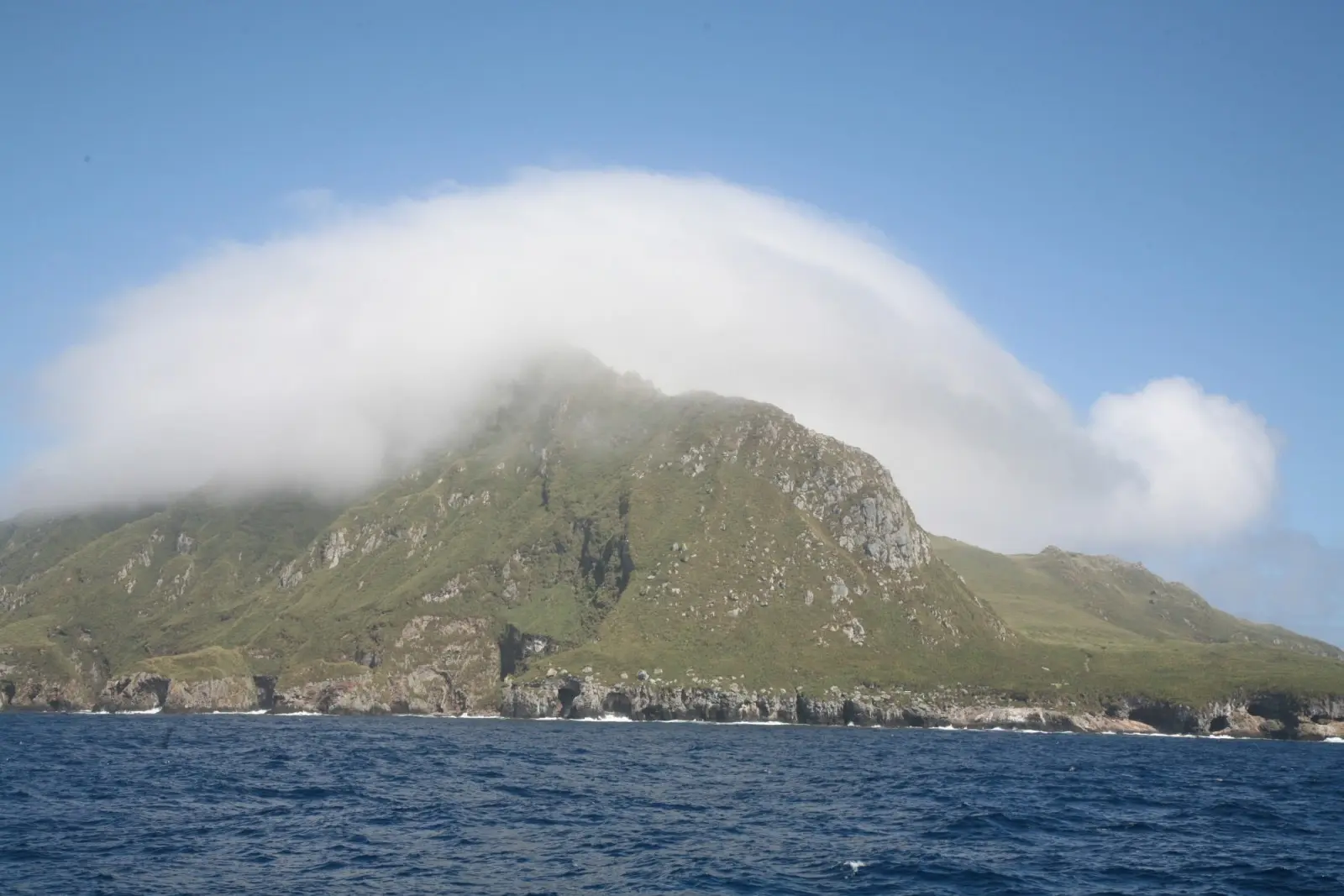
6. Inaccessible Island: Atlantic Extreme Isolation Without Human Settlement
Inaccessible Island, part of the Tristan da Cunha group, has no human permanent settlement due to its treacherous coastline and extreme geographic isolation. The island remains deliberately uninhabited despite occasional visits from researchers studying its unique ecosystem. Its isolation represents one of Earth's most extreme environmental barriers to human habitation.
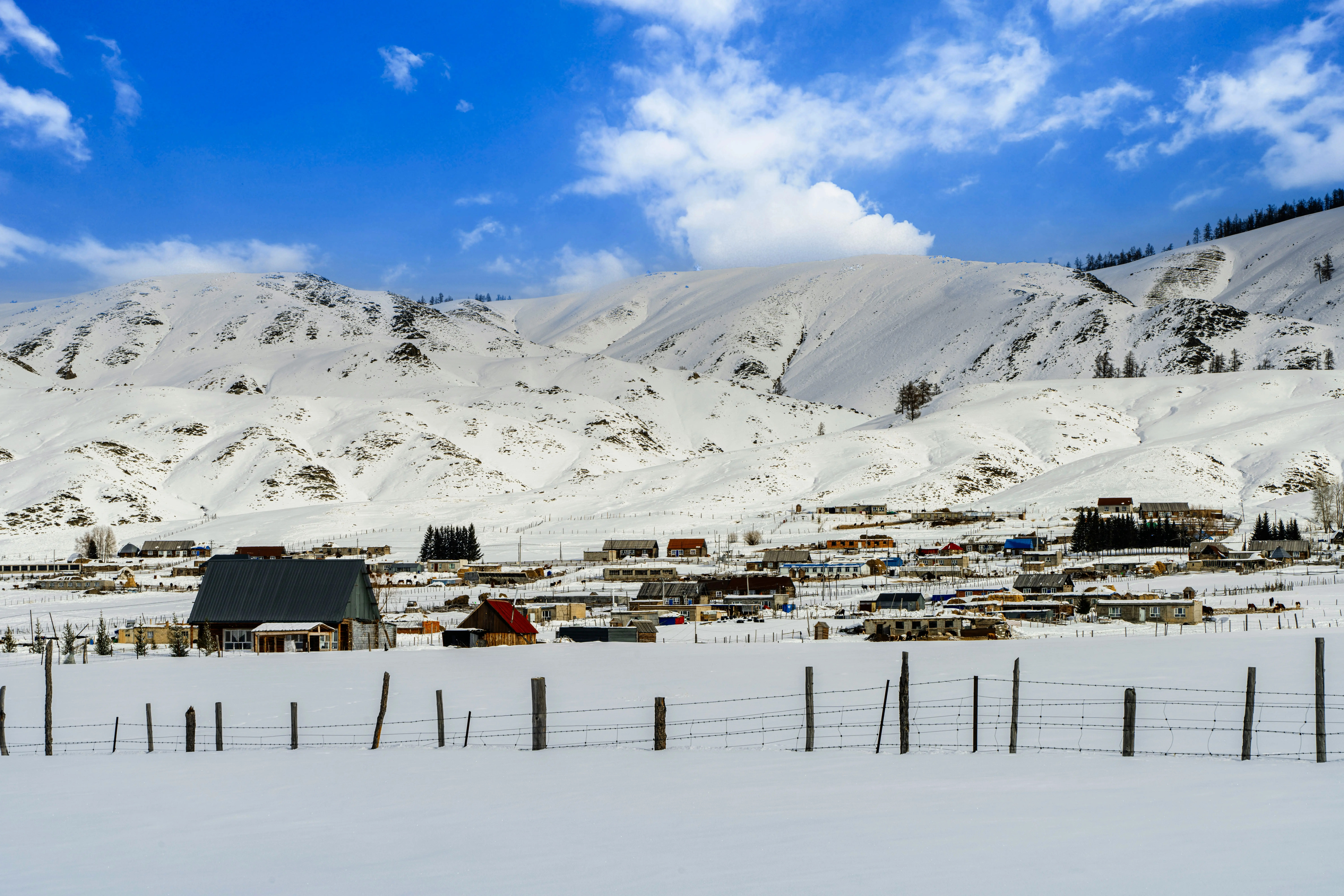
7. Arctic Settlements: Extreme Isolation in Earth's Frozen Extremes
Arctic communities in Canada, Russia, and Greenland experience extreme isolation during winter months when travel becomes impossible and sunlight disappears. Residents endure temperatures dropping below minus 40 degrees Celsius with limited access to fresh food and external resources. These communities maintain traditional hunting and fishing practices whilst adapting to modern technology.
)
)
)
)
)