7 places USS Abraham Lincoln can strike inside Iran's territory

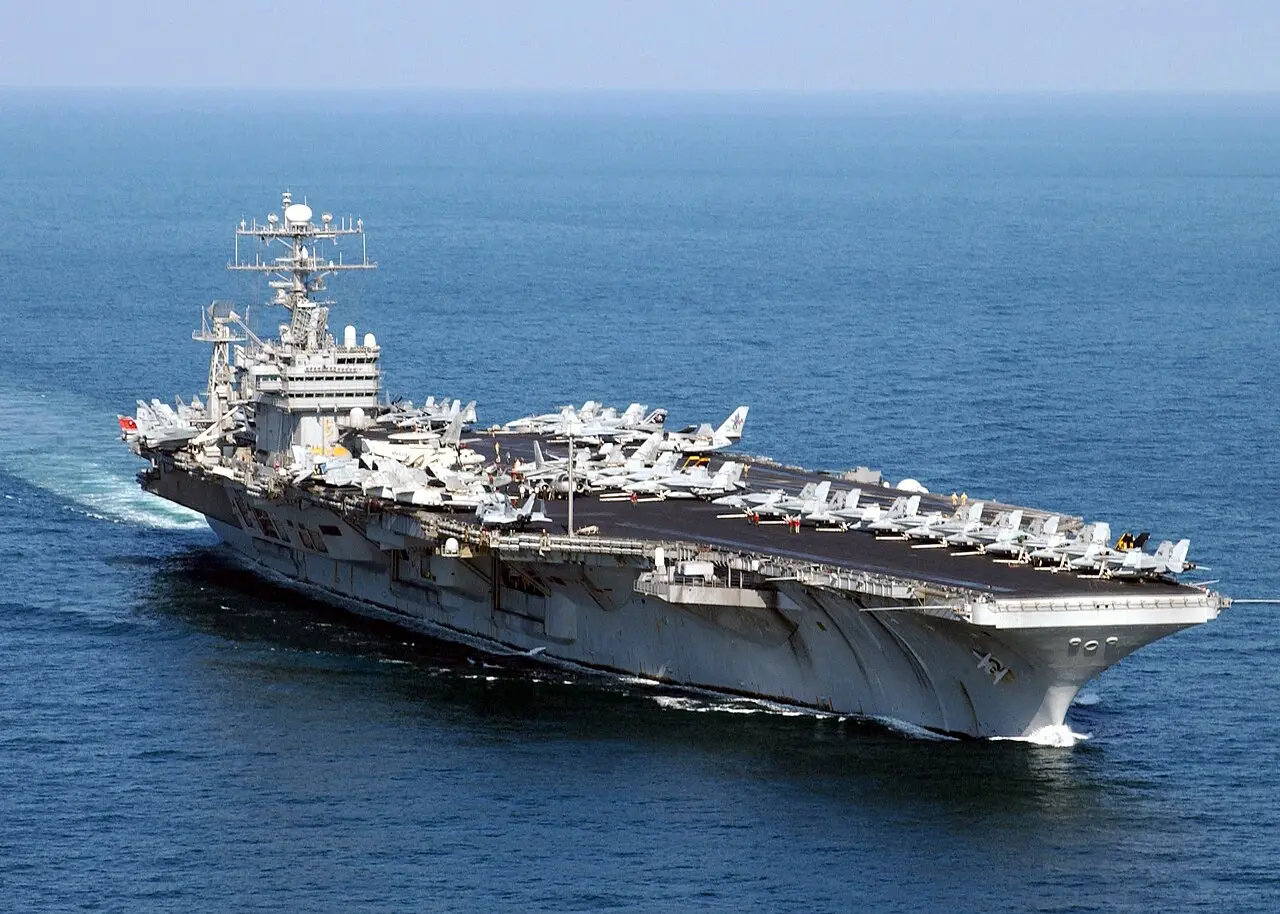
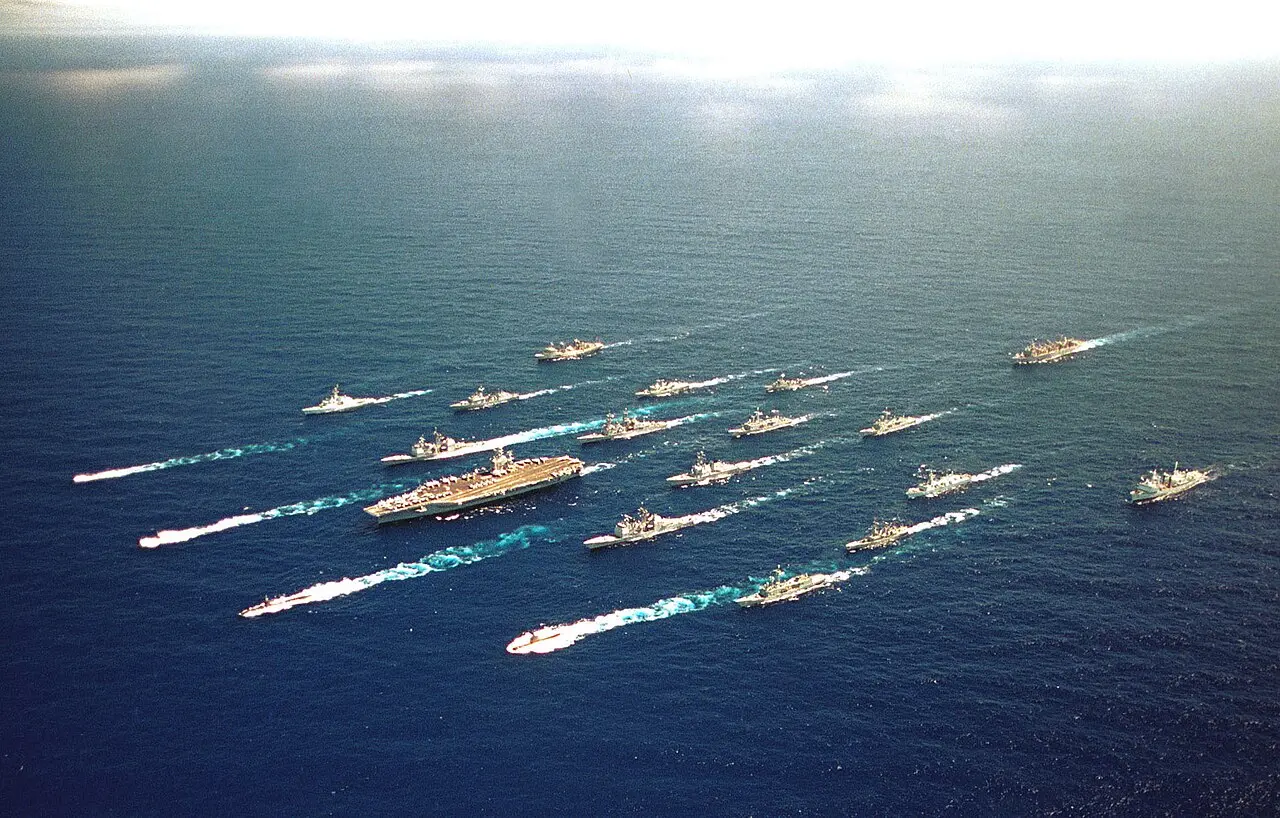
With its air wing of F-35C Lightning II stealth fighters and the accompanying destroyers armed with Tomahawk Land Attack Missiles (range 1,000+ miles), the Strike Group can reach strategic targets deep inside Iran without entering the narrow Persian Gulf.
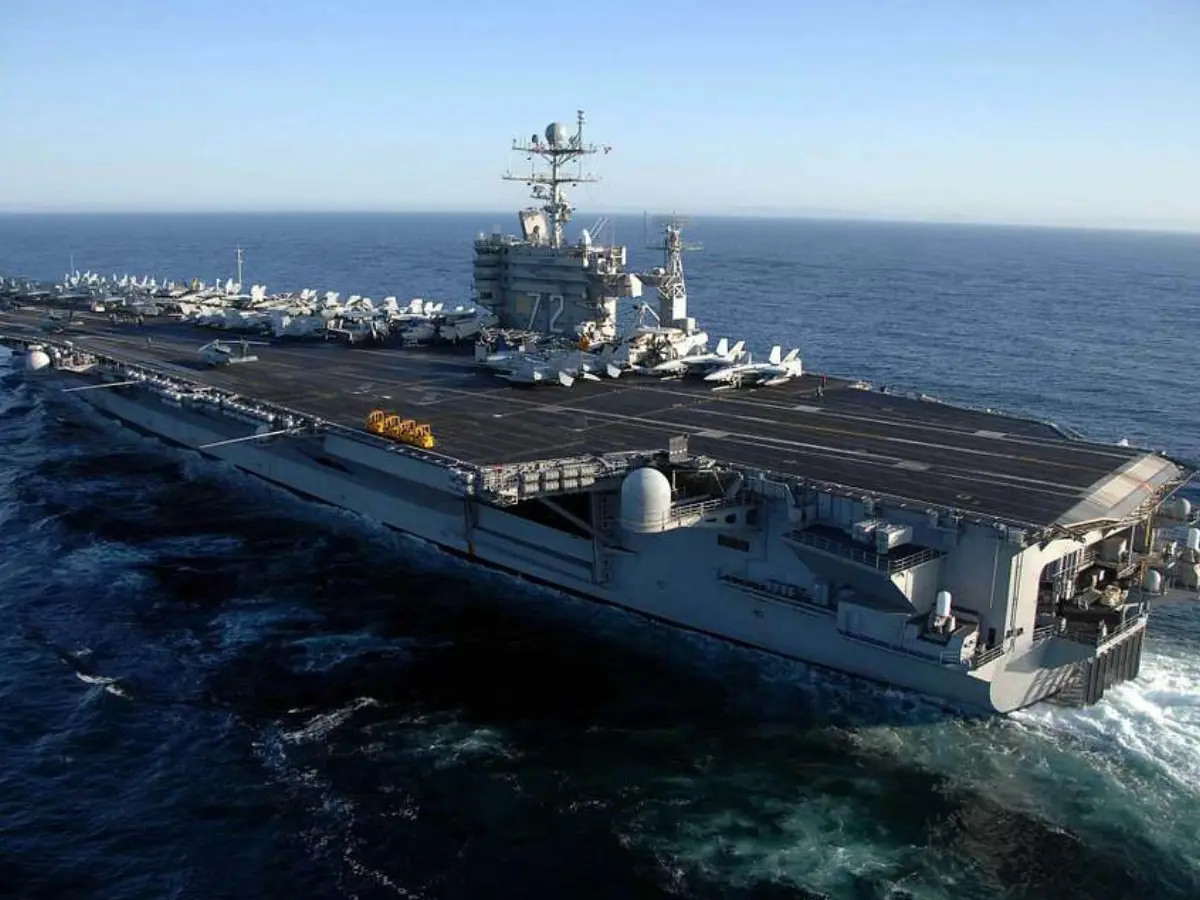
1. Bandar Abbas Naval Base (The Gatekeeper)
Located directly on the Strait of Hormuz, this is the headquarters of the Iranian Navy and the most immediate target for any carrier strike group. It serves as the home port for Iran’s Kilo-class submarines and the fast-attack craft often used to harass merchant shipping. A strike here would be designed to "blind" Iranian maritime operations and secure the vital oil shipping lanes before broader operations begin.
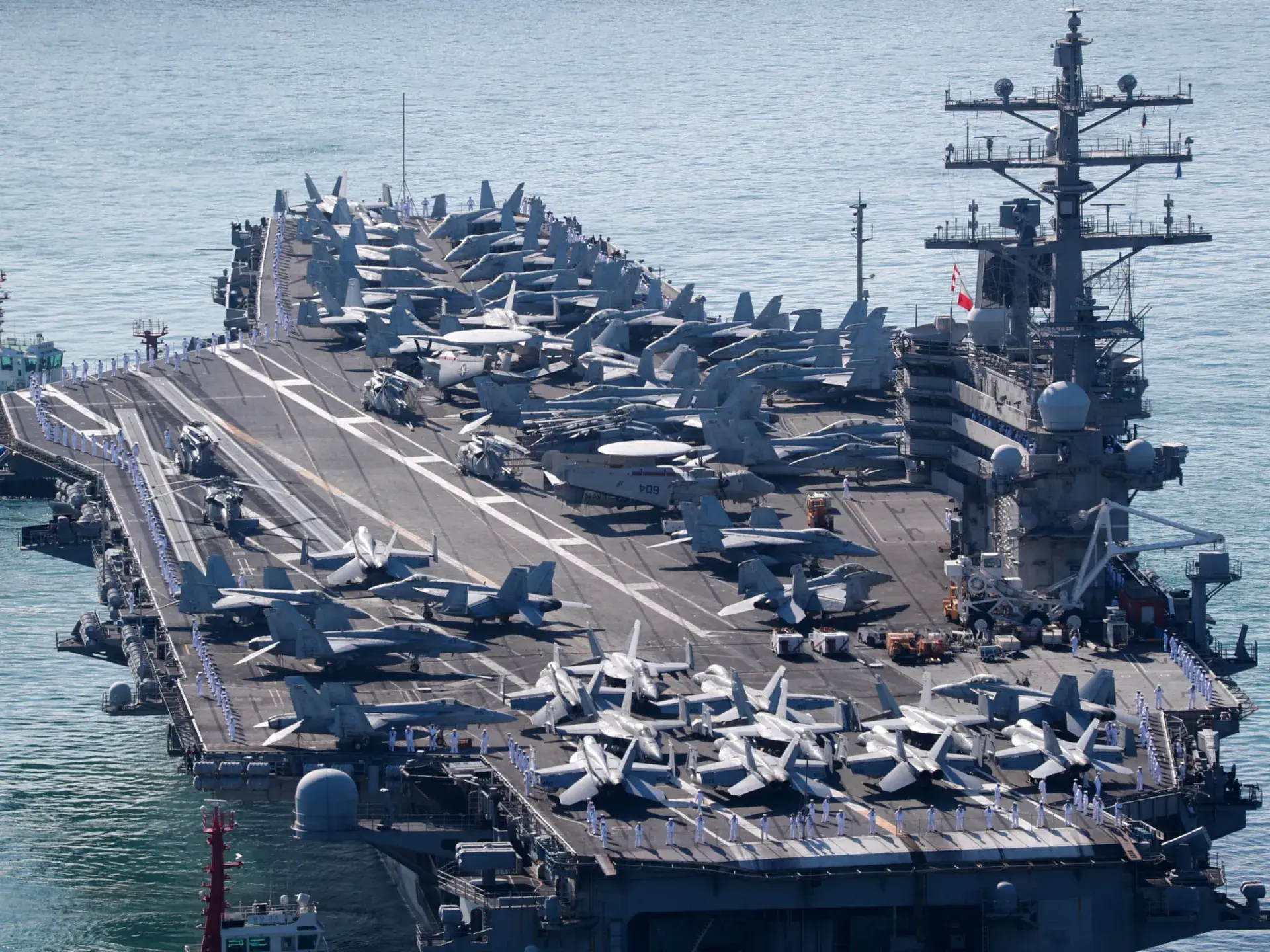
2. Kharg Island Oil Terminal (The Economic Lifeline)
Situated in the northern Persian Gulf, roughly 450 miles from the Lincoln’s operating box, Kharg Island is the juggernaut of Iran’s economy. Approximately 90% of Iran’s crude oil exports are loaded from this single island terminal. While the US historically avoids targeting global energy supplies to prevent price shocks, this remains a "tier-one" target if the objective is to cripple the Iranian regime’s ability to finance its military and proxy networks.
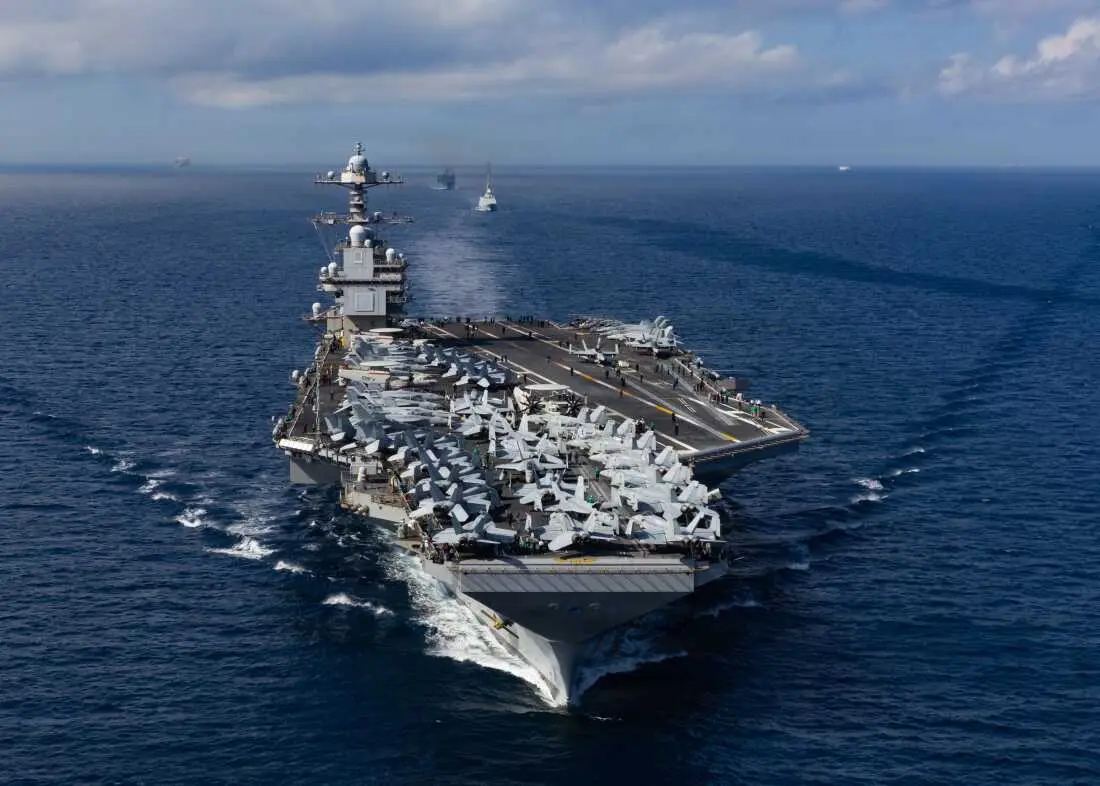
3. Bushehr Nuclear Power Plant (The Coastal Reactor)
Sitting on the Gulf coast, the Bushehr reactor is the most accessible nuclear target for naval aviation. Unlike facilities buried deep in mountains, Bushehr is an above-ground light-water reactor. While a direct strike on the reactor core is unlikely due to fallout risks, the support buildings, control centers, and electrical grids surrounding it are prime targets to disable the facility without causing a radiological catastrophe.
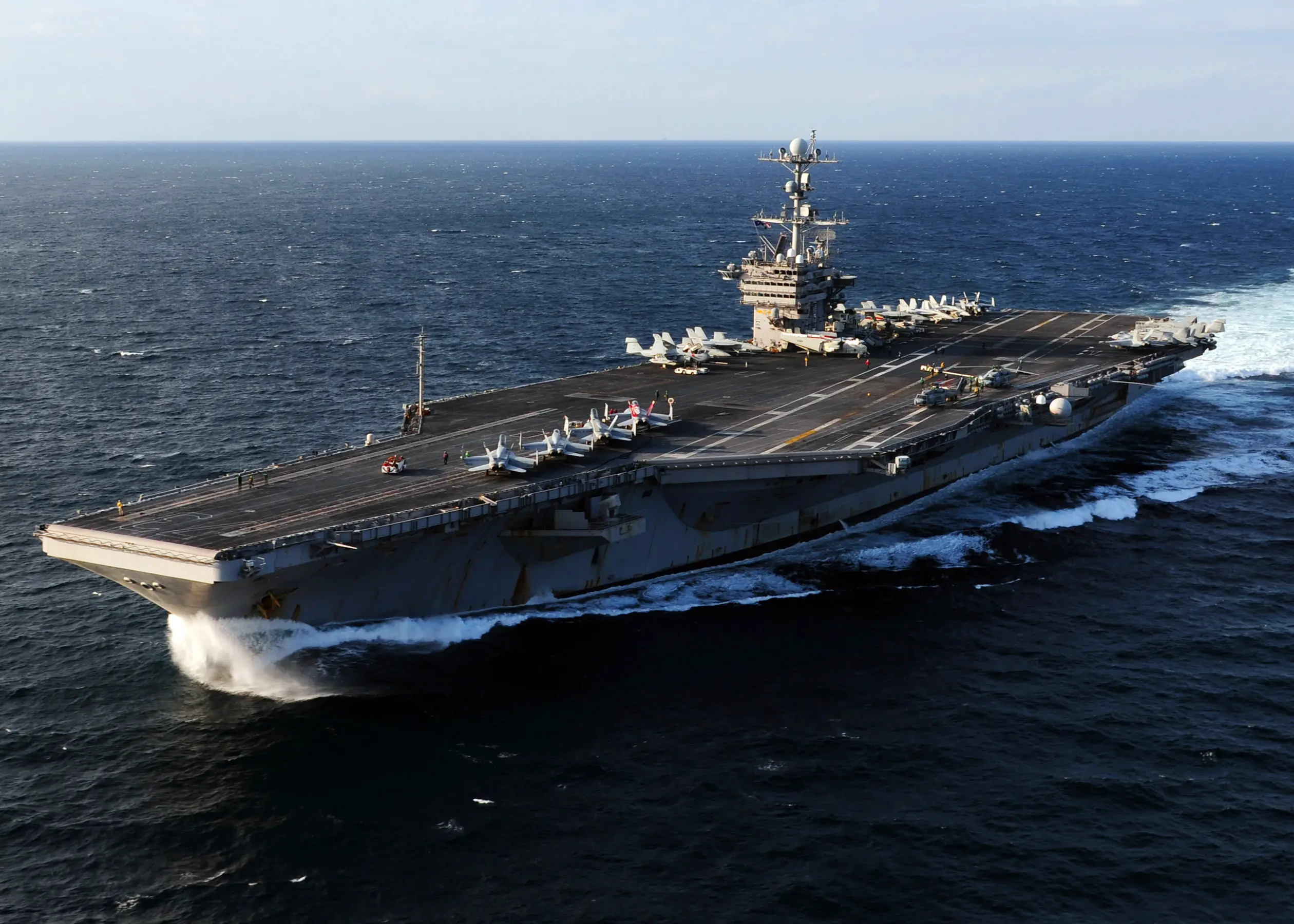
4. Isfahan Nuclear Technology Center (The Logistics Hub)
Located in central Iran, about 500 miles inland, Isfahan is the heart of Iran’s nuclear cycle. It houses the facilities that convert "yellowcake" uranium into the gas used for enrichment. It is also surrounded by air defence batteries and missile production facilities. Its destruction would create a critical bottleneck, freezing the nuclear program by cutting off the supply of feed material to enrichment sites.
5. Natanz Uranium Enrichment Complex (The Crown Jewel)
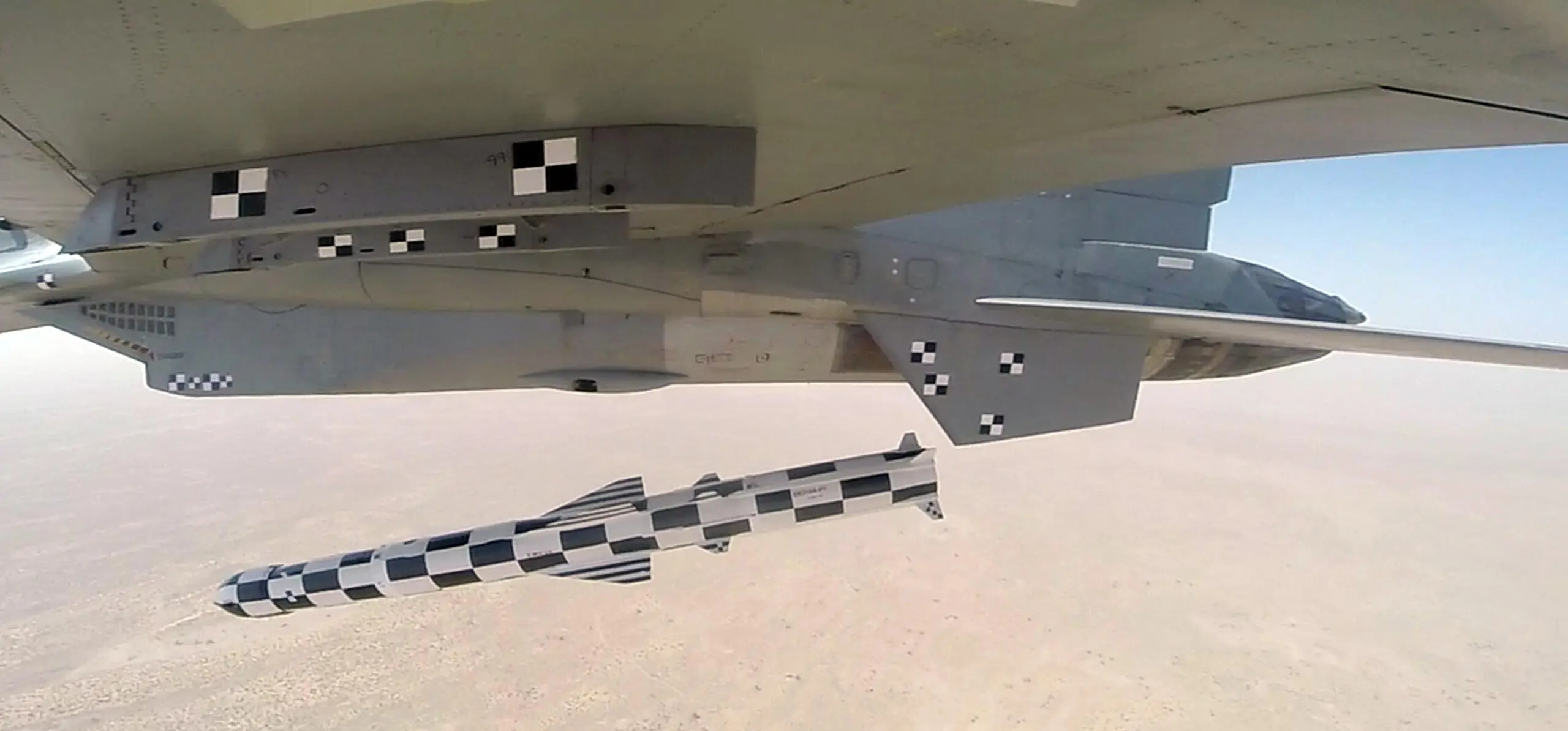
Deeper inland and heavily fortified, Natanz is the primary site where thousands of centrifuges spin to enrich uranium. The facility includes vast underground halls protected by layers of concrete and earth. Penetrating this site would likely require the specialised bunker-busting capabilities of the Strike Group’s air wing or coordinated Tomahawk strikes on the ventilation and power infrastructure to render the centrifuges inoperable through suffocation or power failure.
6. Parchin Military Complex (The Warhead Lab)
Located just southeast of Tehran (approx. 700 miles from the carrier), Parchin is a vast military testing ground. Intelligence agencies have long suspected this site is used for testing high-explosive triggers necessary for nuclear detonation, as well as rocket motor development. Striking Parchin would be a "decapitation" strike against the weaponisation aspect of Iran’s nuclear program, signaling that even targets near the capital are not safe from the Lincoln’s reach.
7. Shiraz Tactical Air Base (The Southern Shield)
Shiraz is a critical military hub in southern Iran, housing squadrons of Iran’s air force (including aging F-4 Phantoms and Su-24s) that would be tasked with counter-attacking the US fleet. Neutralising the runways, hangars, and command-and-control bunkers at Shiraz would be a prerequisite for US forces to establish air superiority over southern Iran, ensuring that American jets can operate freely over the country.
)
)
)
)
)