7 oldest aircraft carriers in the world that refuse to retire

These seven vessels show that a carrier’s useful life depends less on age than on maintenance, upgrades and changing roles. Nuclear power, periodic overhauls and major conversions can keep hulls built in the 1970s and 1980s operating alongside far younger ships.
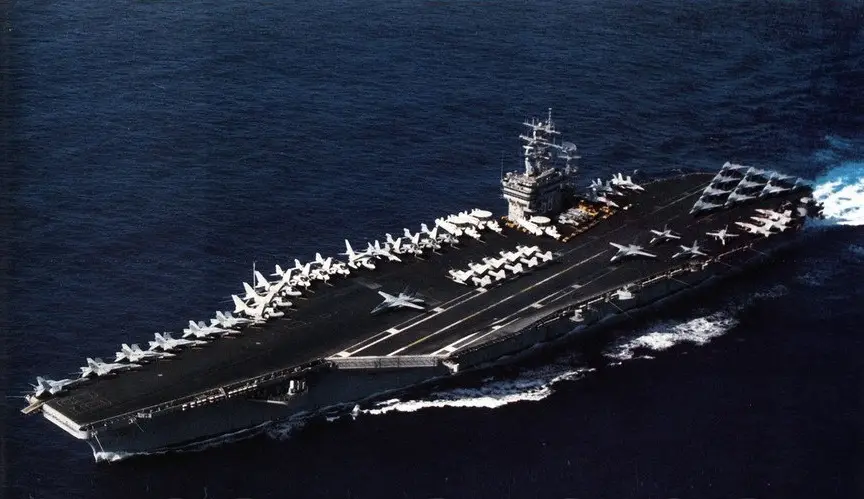
Introduction — why these ships matter
Aircraft carriers are the largest and most complex warships ever built. A handful of these leviathans have remained in service for decades, repeatedly modernised and refuelled to extend their working lives. Here's a list of seven of the oldest carriers that are still active or serving under a national navy, gives their commissioning dates and notes why they have endured.
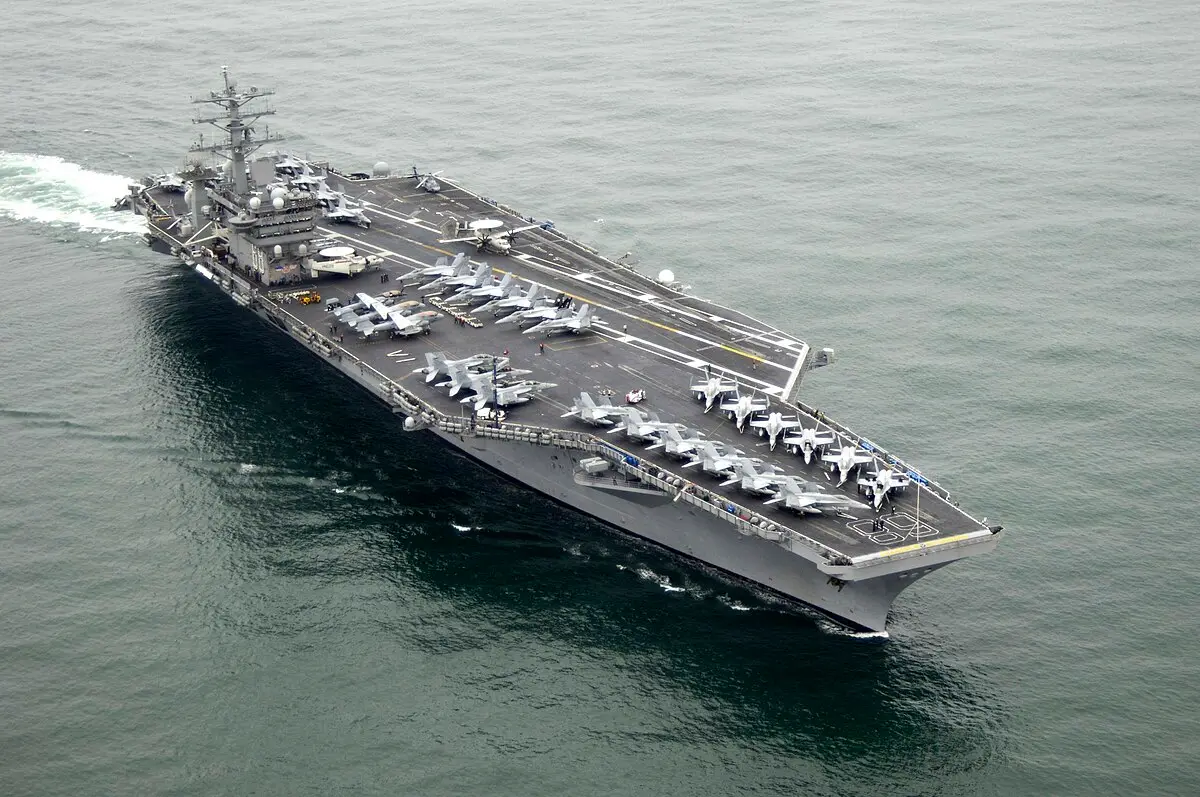
1. USS Nimitz (United States) — commissioned 1975
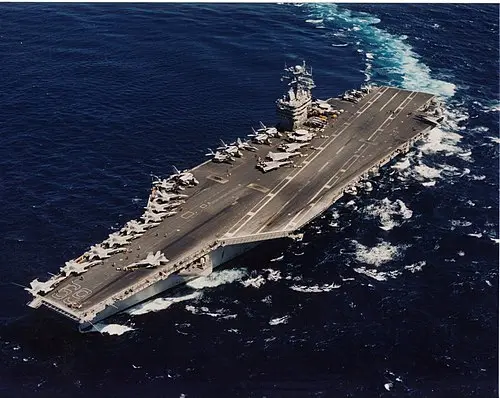
USS Nimitz (CVN-68) is the oldest nuclear-powered carrier in active service. Commissioned on 3 May 1975, she has undergone scheduled refuelings and overhauls that keep her operational. As lead ship of her class, Nimitz set the template for modern supercarriers: nuclear endurance, a large air wing and a multi-decade service life.
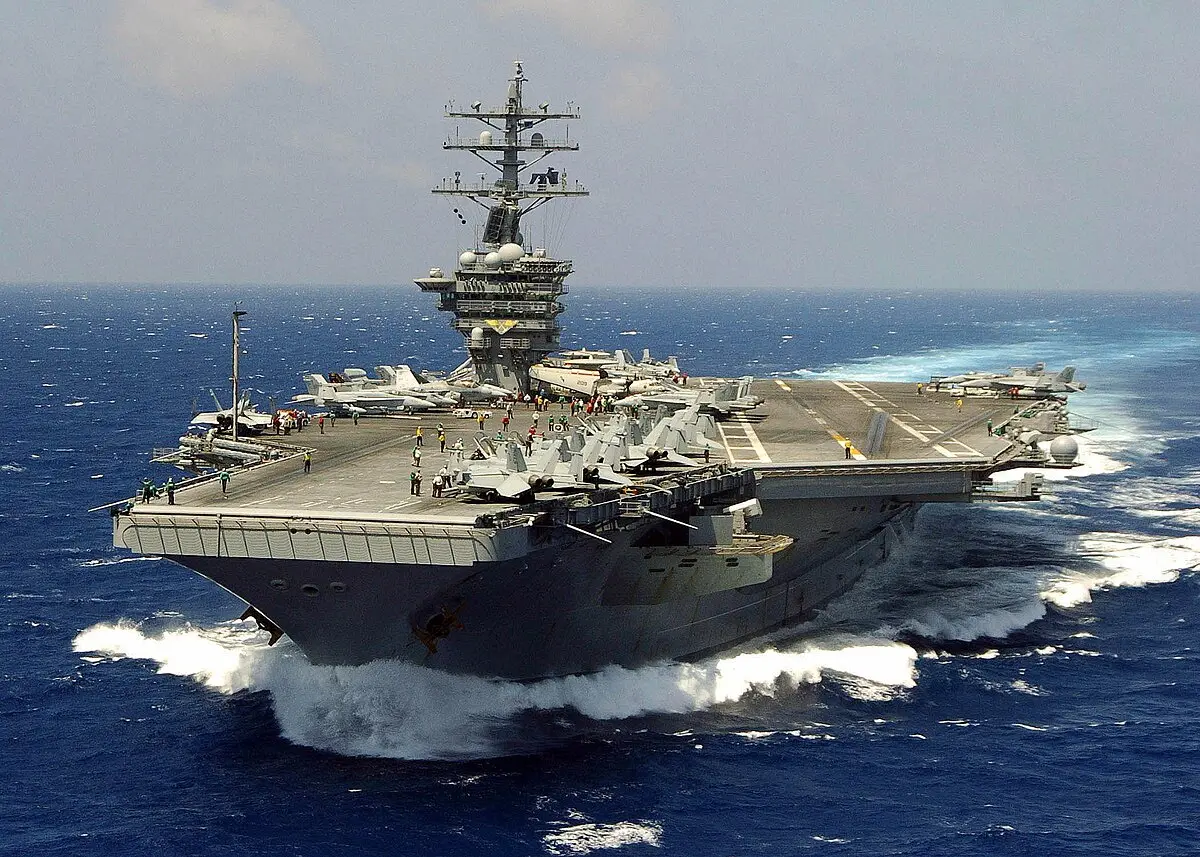
2. USS Dwight D. Eisenhower (United States) — commissioned 1977
Dwight D. Eisenhower (CVN-69) entered service in October 1977. She remains one of the United States Navy’s principal power-projection platforms and, like her sister ships, has been modernised through cycles of maintenance, weapons upgrades and aviation improvements.
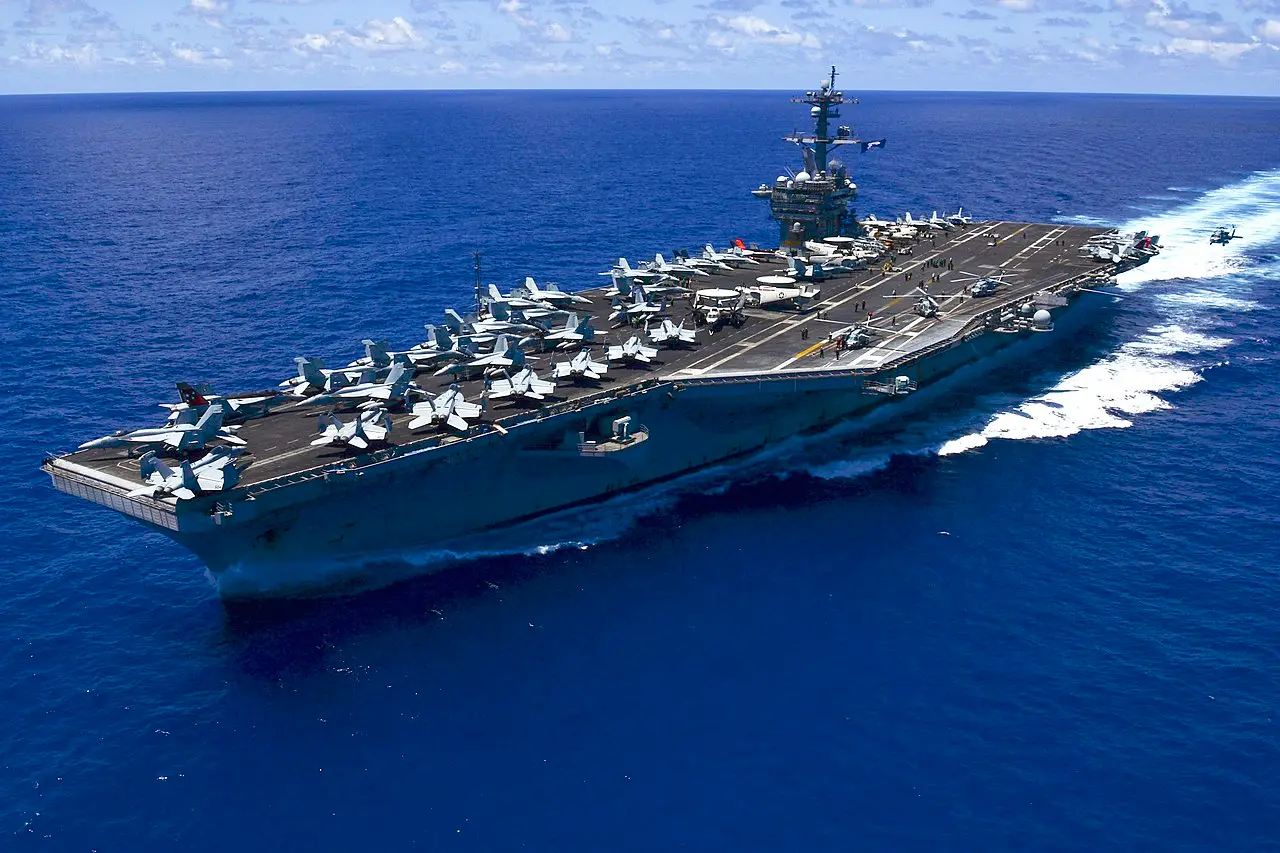
3. USS Carl Vinson (United States) — commissioned 1982
Carl Vinson (CVN-70) was commissioned in March 1982. Her long career includes worldwide deployments, air operations and periodic refits that have refreshed propulsion systems, flight-deck equipment and command systems to sustain frontline capability.
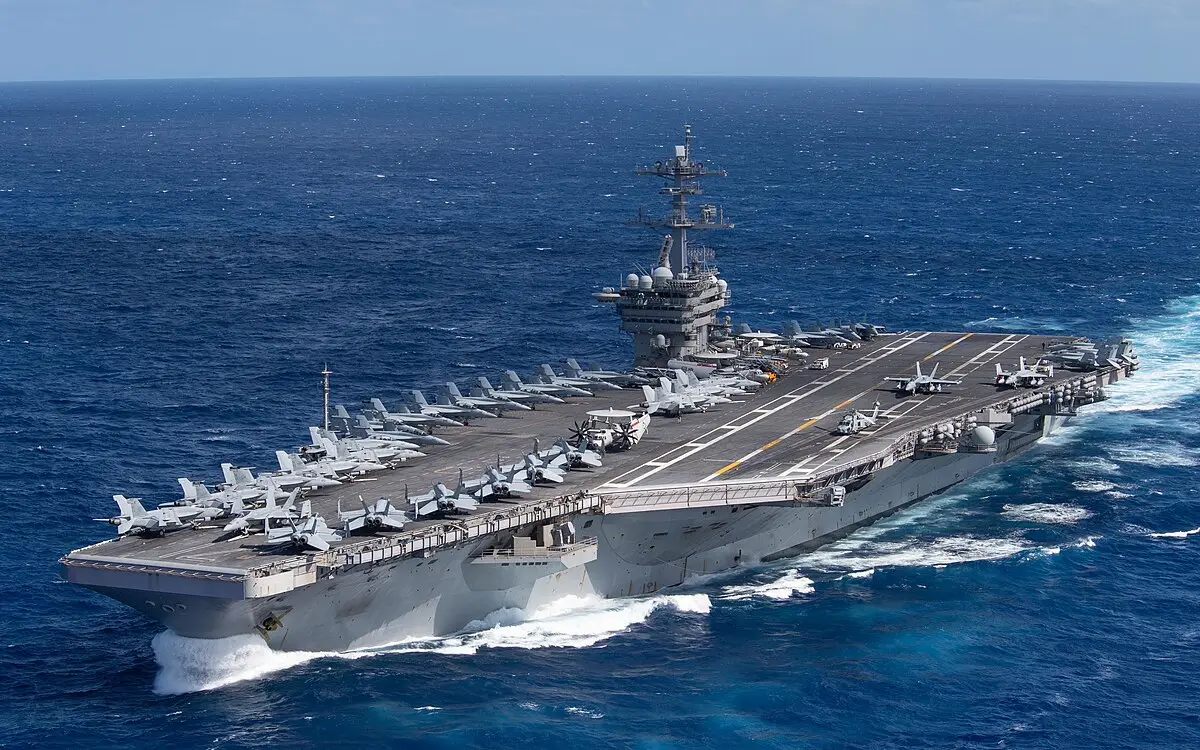
4. USS Theodore Roosevelt (United States) — commissioned 1986
Theodore Roosevelt (CVN-71) joined the fleet in October 1986. Nicknamed 'the Big Stick,' she continues to deploy with carrier strike groups and to operate modern carrier aircraft after successive maintenance and upgrade cycles.
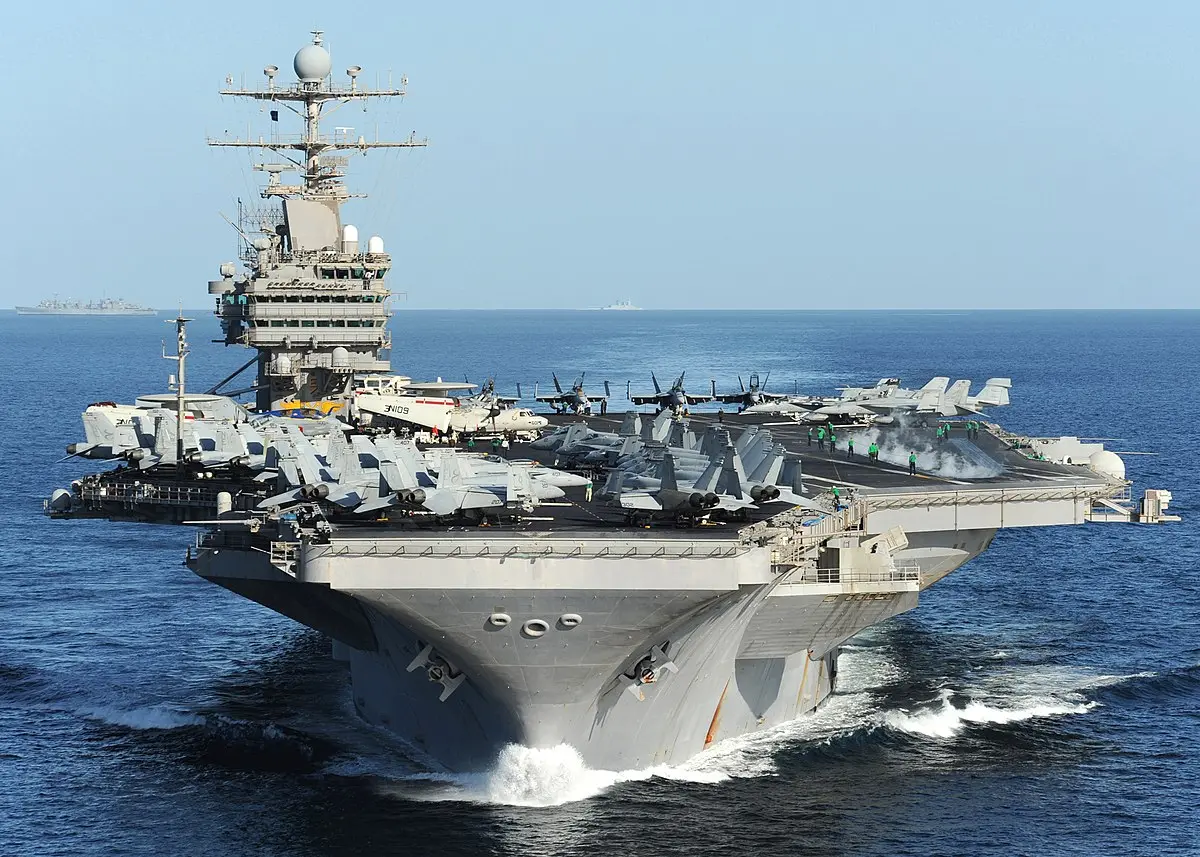
5. USS Abraham Lincoln (United States) — commissioned 1989
Abraham Lincoln (CVN-72) was commissioned in November 1989 and remains part of the Nimitz-class cohort that dominates US carrier strength. Regular refuelling and complex overhauls have been central to keeping ships of this generation active into the 2020s.
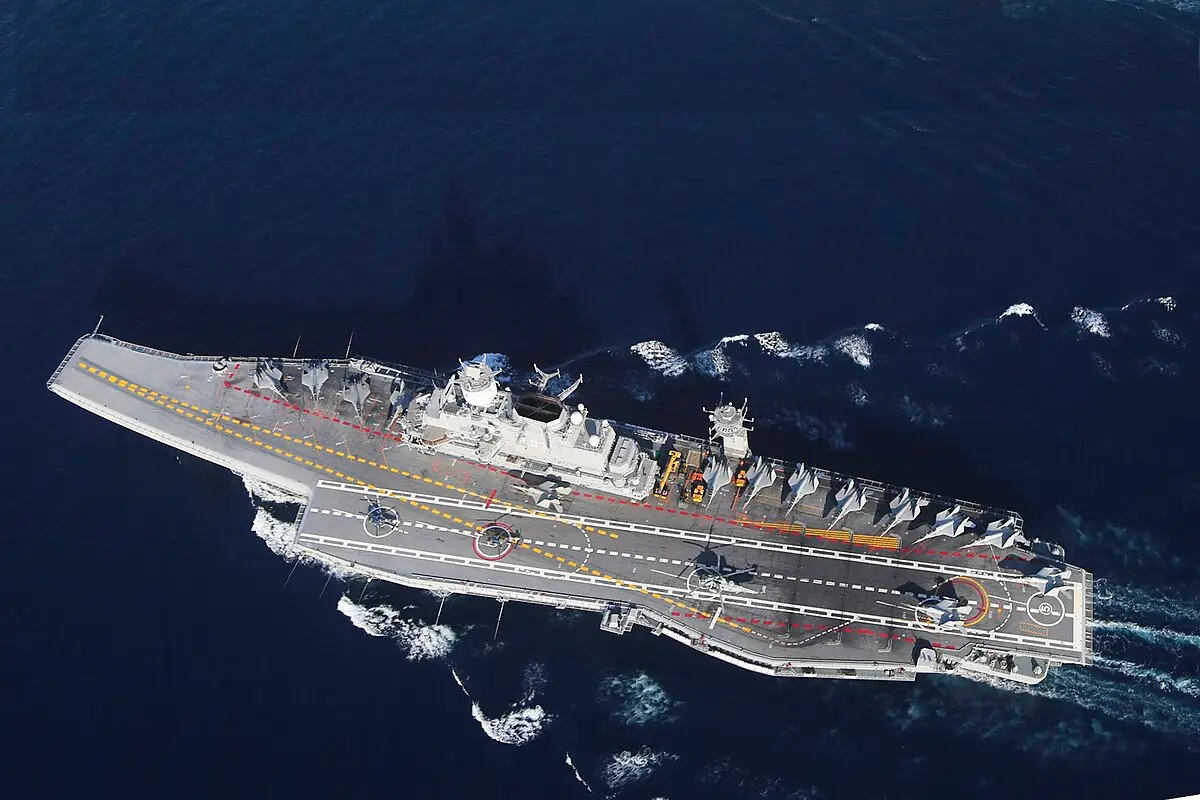
6. INS Vikramaditya (India) — originally commissioned 1987 (Soviet), Indian service 2013
Built for the Soviet Navy as Baku and commissioned in 1987, the ship was later sold to India, extensively rebuilt and recommissioned as INS Vikramaditya in 2013. Her long lifespan reflects a major mid-life conversion that replaced boilers, flight-deck systems and aviation facilities.
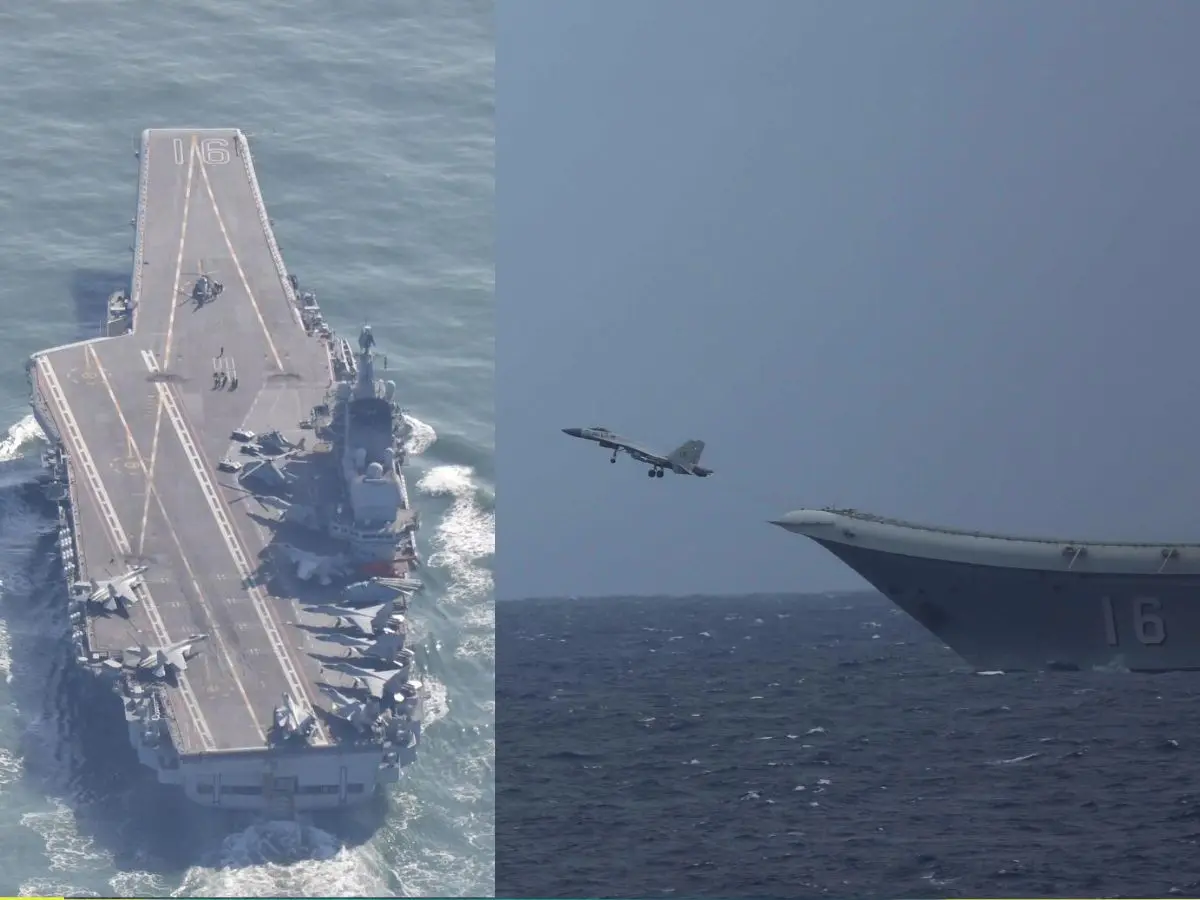
7. Liaoning (China) — hull laid 1985/launched 1988, PLAN service 2012
The hull that became Liaoning began life in the late Soviet era and was launched in 1988. The ship was originally laid down for the Soviet as the Riga in December 1985. It was later renamed the Varyag in 1990. Purchased as an incomplete hull, she was refurbished and commissioned into the People’s Liberation Army Navy in 2012. Liaoning has served as China’s training and transition carrier while the navy builds newer ships.
Longevity and adaptation
These seven vessels show that a carrier’s useful life depends less on age than on maintenance, upgrades and changing roles. Nuclear power, periodic overhauls and major conversions can keep hulls built in the 1970s and 1980s operating alongside far younger ships. Their continued service is a measure of industrial investment, strategic need and the value nations place on carrier capability.
)
)
)
)
)