7 myths about B-2 Bomber, debunked!

The B-2 Spirit has been one of the most analysed aircraft in military aviation, but it’s also surrounded by misunderstandings. Many widely shared claims about its stealth, missions, and capabilities are inaccurate. Here are seven common myths, explained clearly.
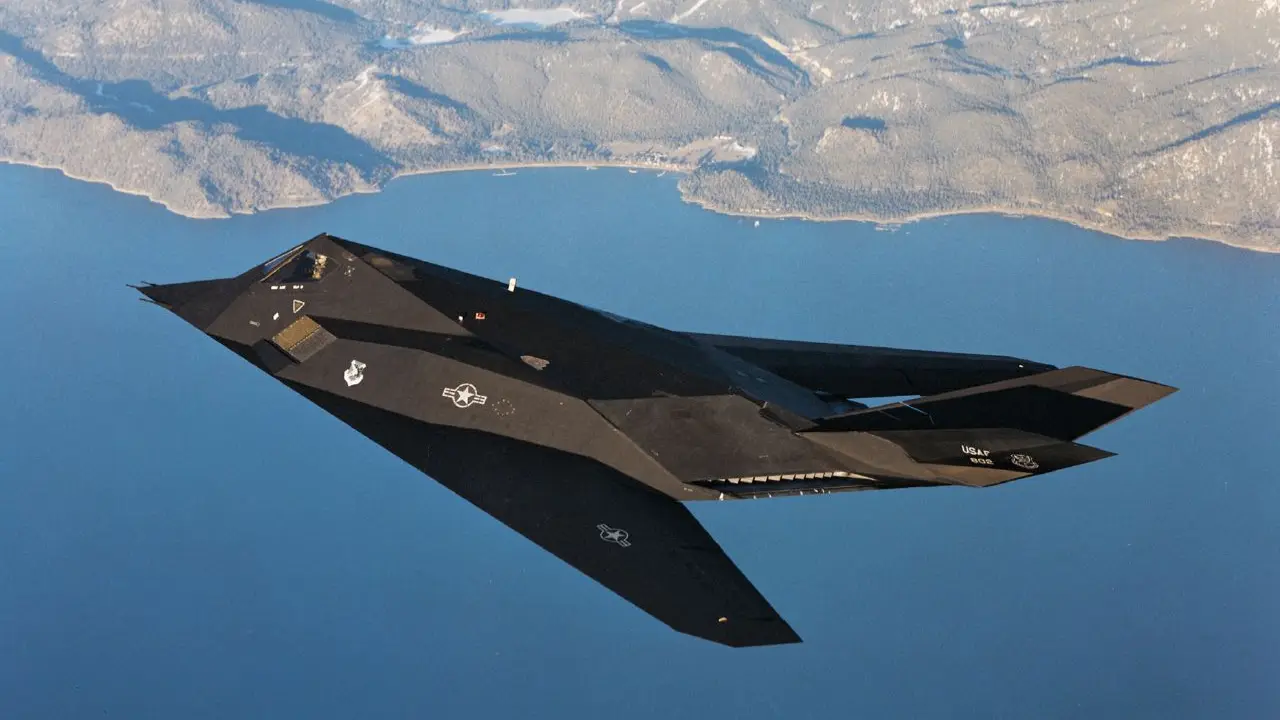
1. Myth: The B-2 Is Completely Invisible to Radar
Debunked: The B-2 reduces radar detection significantly, but it is not fully invisible. Modern radars may detect a faint signature, though at ranges too far to target effectively.
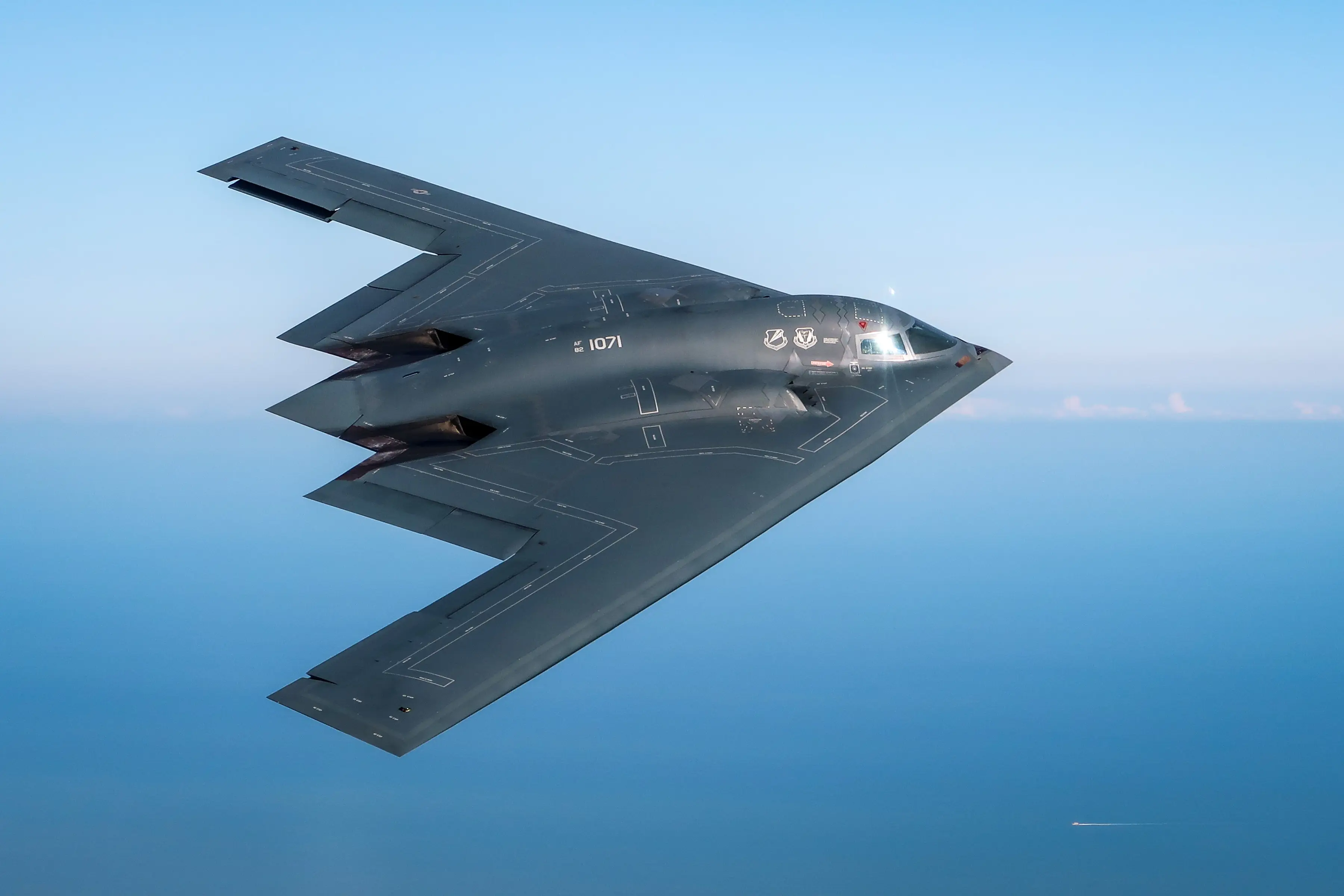
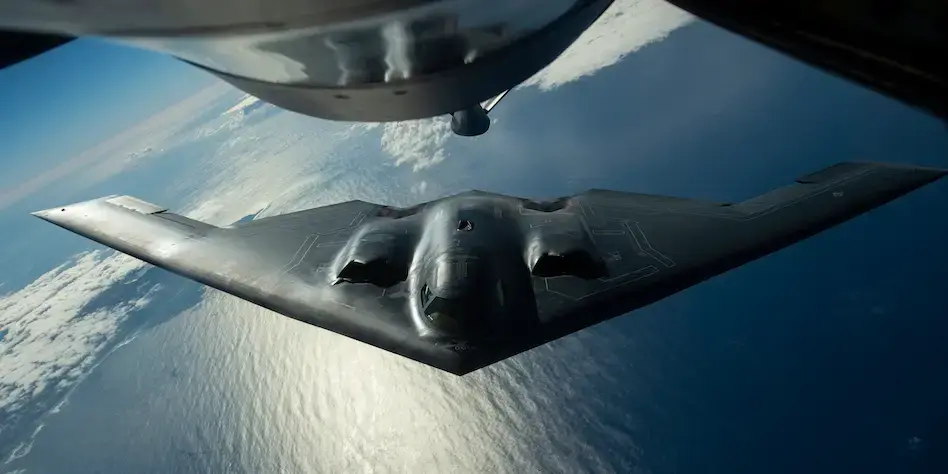
2. Myth: The B-2 Can Fly Without Support Aircraft
Debunked: The B-2 relies on tankers for long missions and uses coordinated communication networks. It can operate far from bases, but not without support infrastructure.
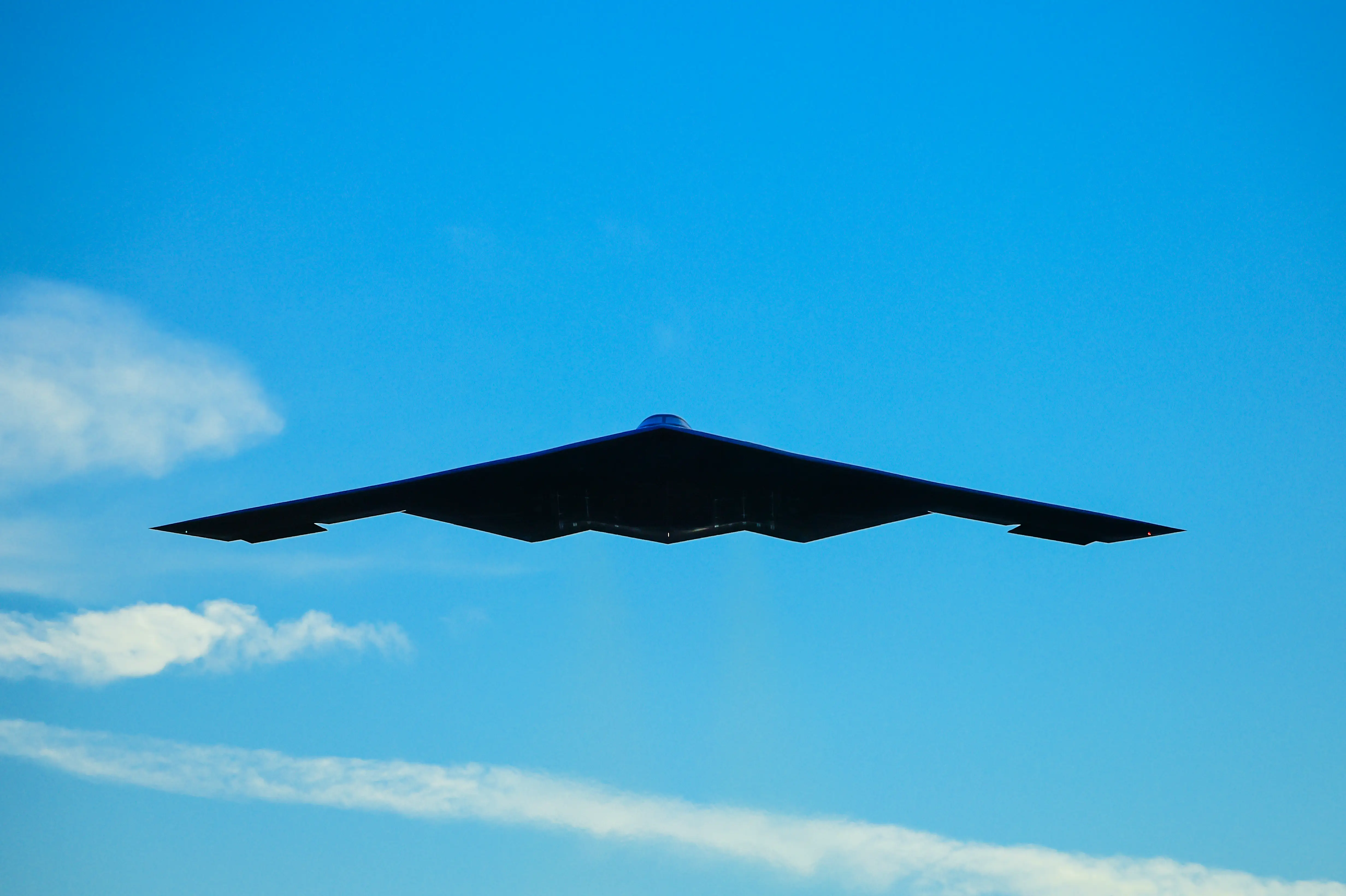
3. Myth: The Stealth Coating Makes the B-2 Too Fragile to Fly Often
Debunked: The coating is sensitive and requires maintenance, but it does not prevent regular flying. The aircraft undergoes scheduled upkeep to ensure mission readiness.
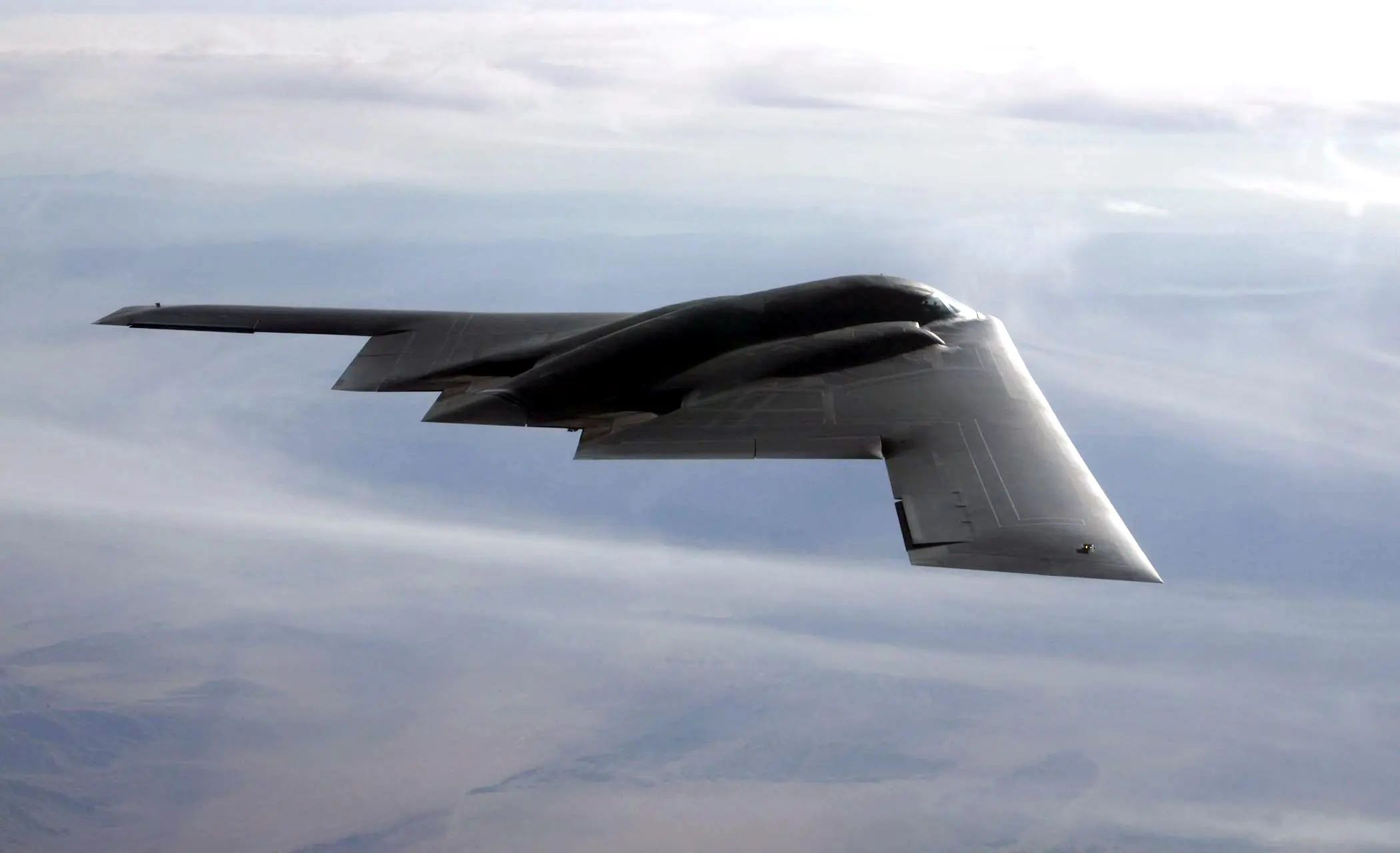
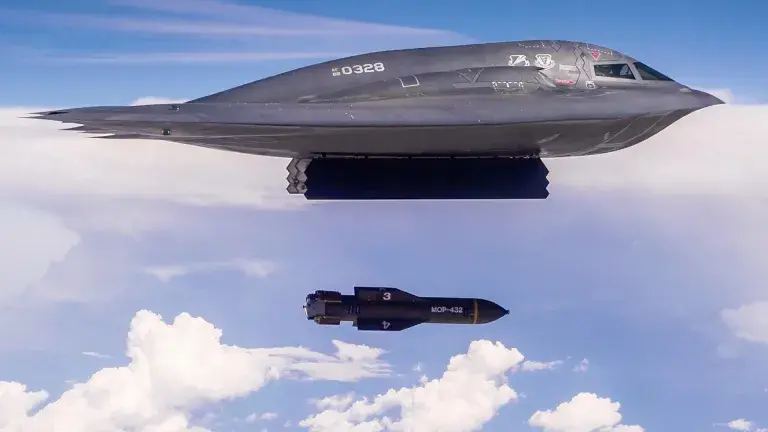
4. Myth: The B-2 Is Only Designed for Nuclear Missions
Debunked: The B-2 carries both conventional and nuclear weapons. It has supported multiple non-nuclear missions using precision-guided bombs.
5. Myth: The B-2 Has Not Been Upgraded Since the 1990s
Debunked: The aircraft has received consistent updates, communication systems, avionics, defensive sensors, and weapon integration, keeping it aligned with current requirements.
6. Myth: The B-2 Is Obsolete Because the B-21 Is Coming
Debunked: The B-21 will take years to enter full service. Until then, the B-2 remains a key long-range strike platform and performs missions the US still needs.
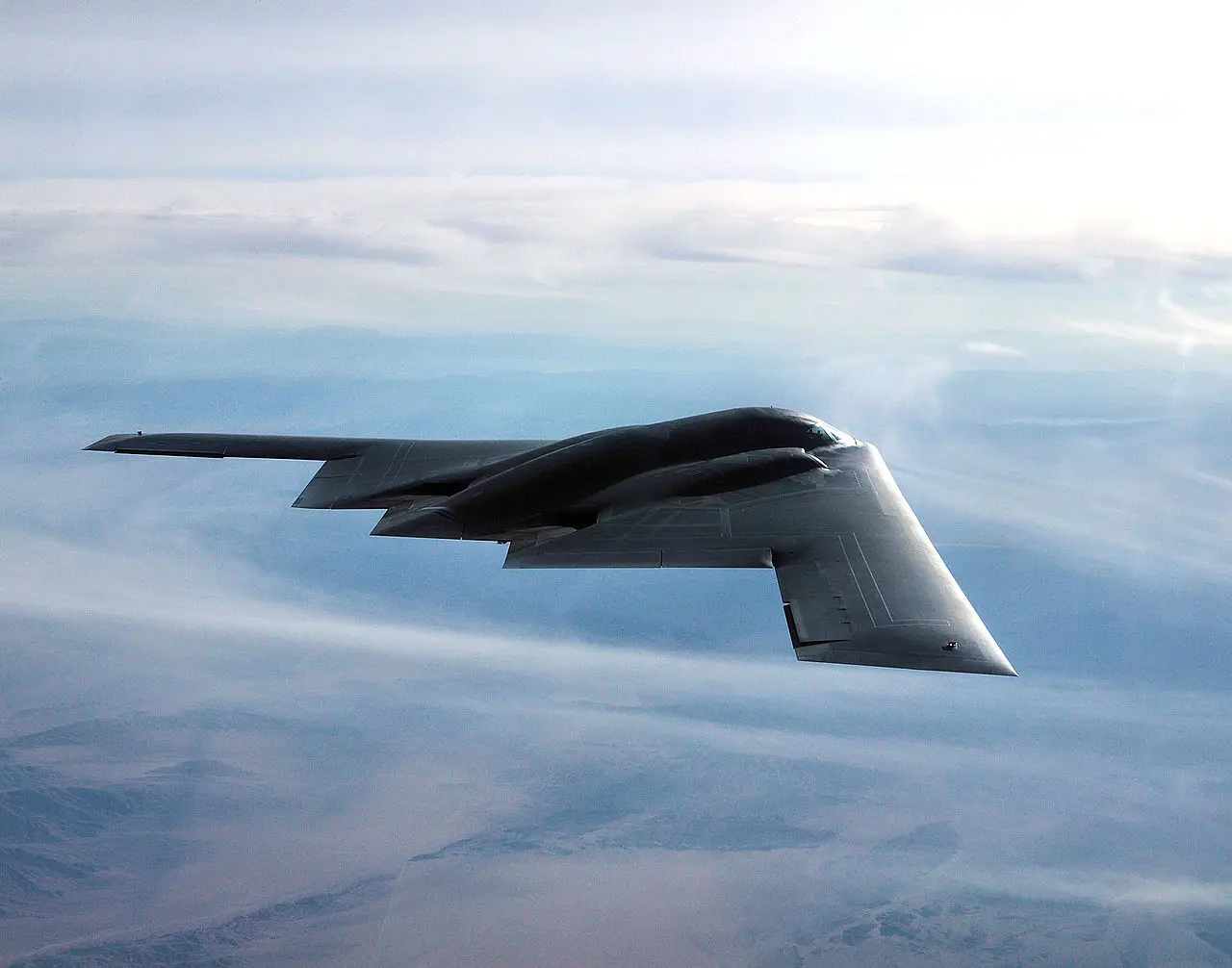
7. Myth: Only Stealth Makes the B-2 Effective
Debunked: Stealth is one part of its value. Range, payload capacity, precision weapon compatibility, and penetration capabilities all contribute to its role.
)
)
)
)
)