7 Most Dangerous Snakes in the World

Authored By Wion Web Desk
Published: May 05, 2025, 11:01 IST | Updated: May 05, 2025, 11:01 IST
The King Cobra is not only the longest venomous snake, but its venom can kill an elephant. Its intimidating hood and defensive behaviour make it a formidable predator.
1 / 14
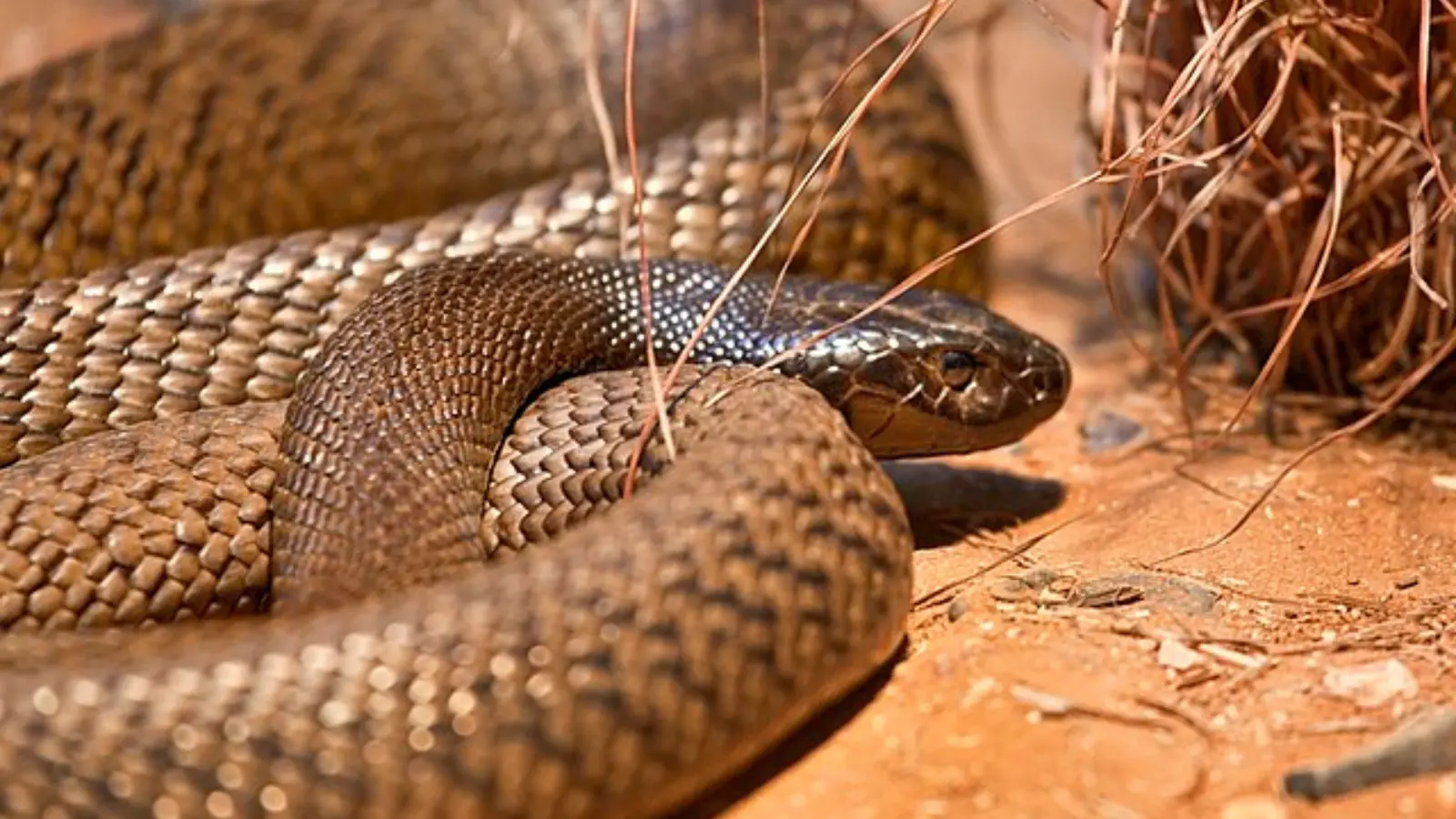
Inland taipan
The inland taipan is one of the most venomous snakes, according to the International Journal of Neuropharmacology, meaning just a teensy bit of its venom can kill prey (or human victims). They live tucked away in the clay crevices of Queensland and South Australia's floodplains.
2 / 14
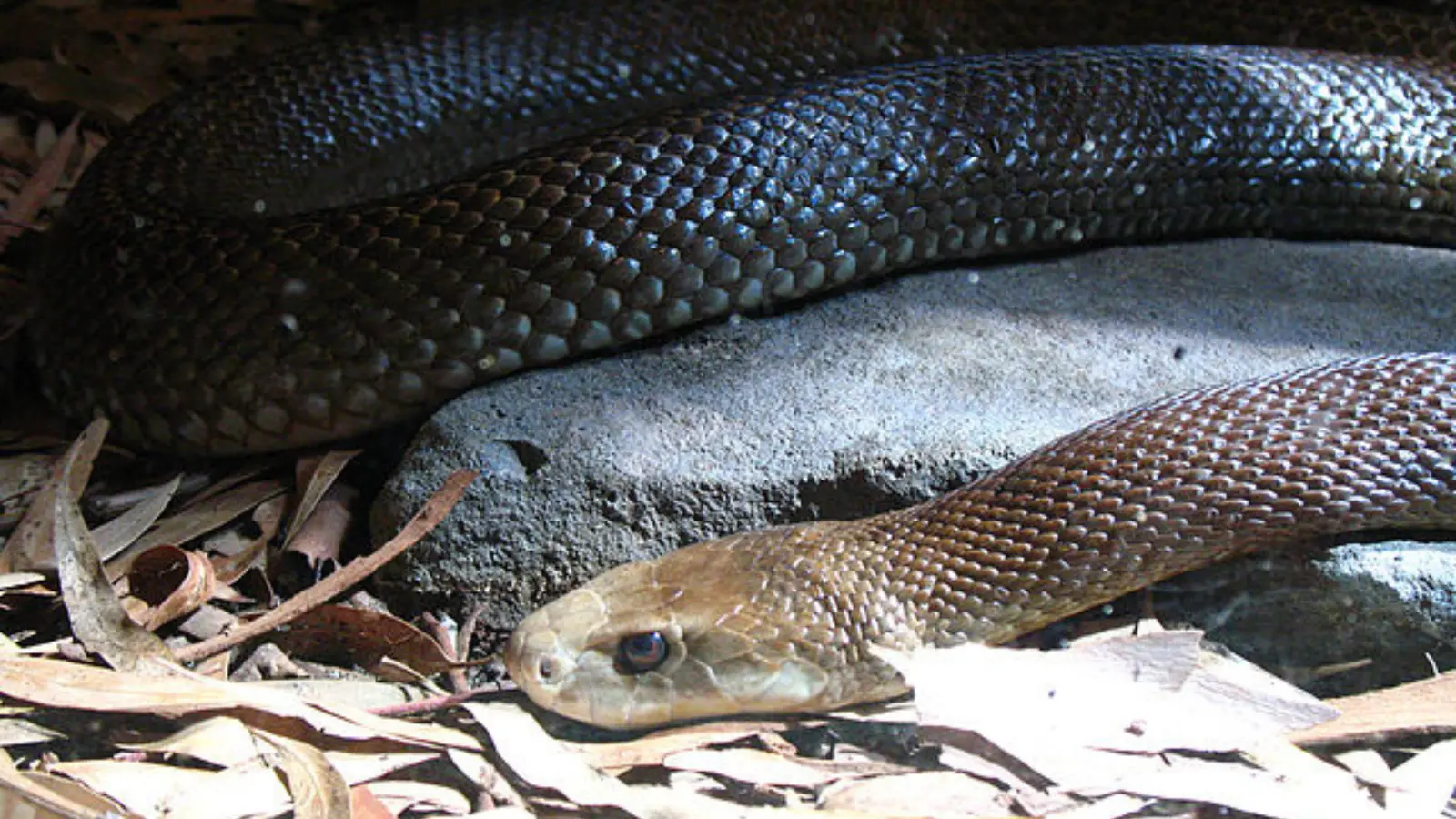
Coastal taipan
Coastal taipans are incredibly fast and can jump into the air fangs-first to attack.The snake's venom contains neurotoxins, which prevent nerve transmission.
3 / 14
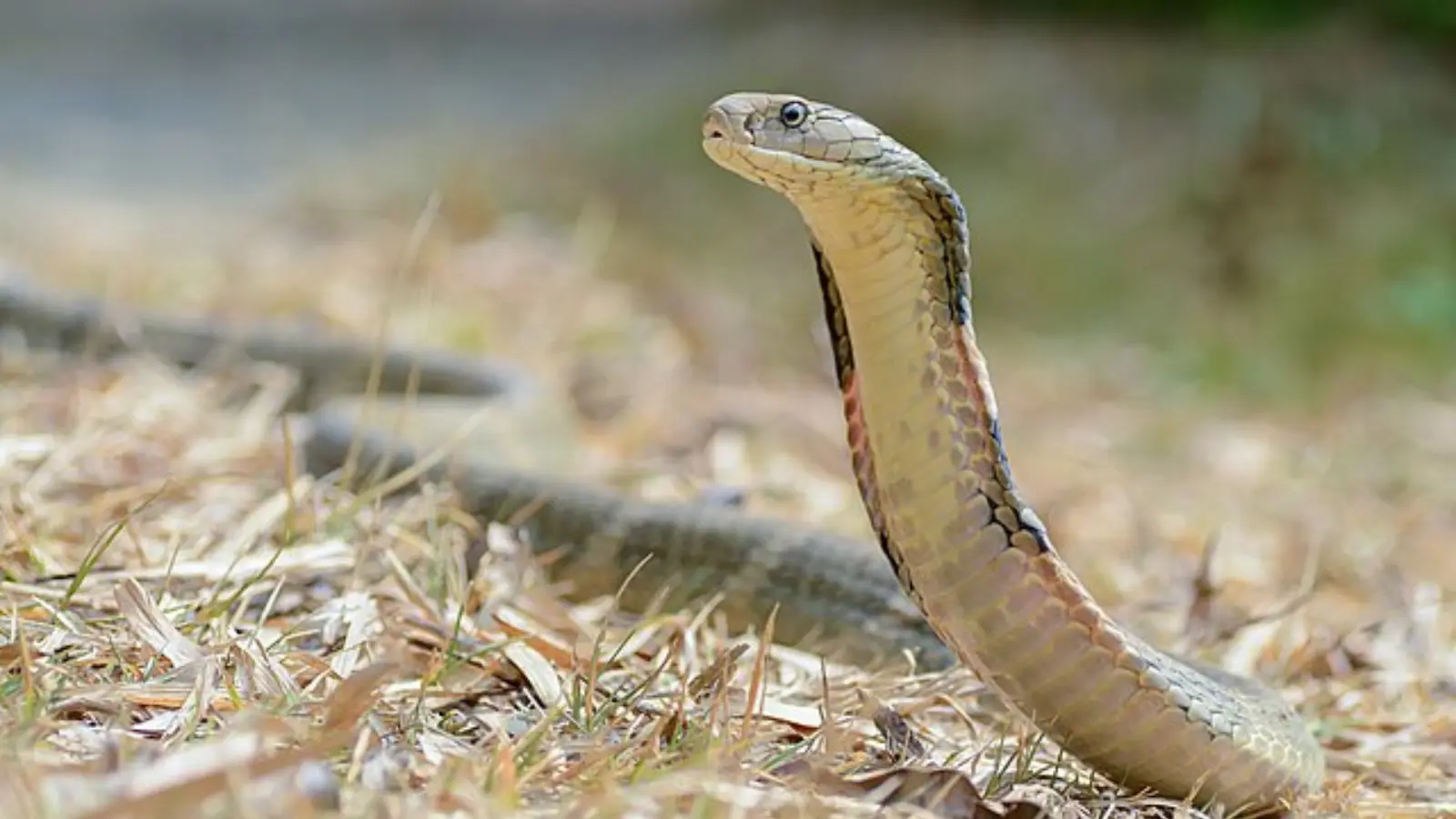
King cobra
The king cobra (Ophiophagus hannah) is the world's longest venomous snake, measuring up to 18 feet (5.4 m). Even a single bite can kill a human in 15 minutes and an adult elephant in just a few hours.
4 / 14
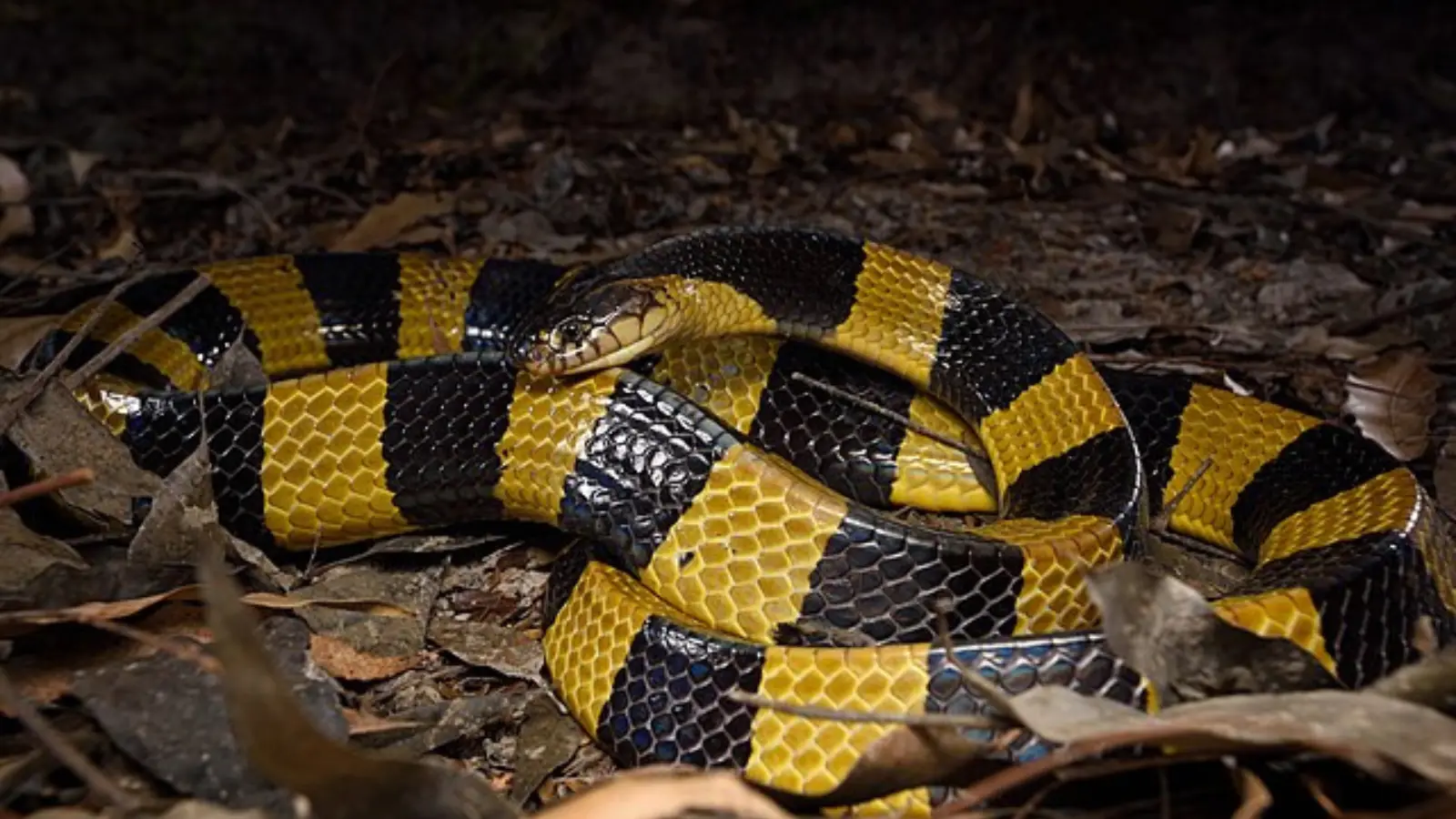
Banded krait
The banded krait (Bungarus fasciatus) is a slow mover during the day and is much more likely to bite after dark. The snake's venom can paralyze muscles and prevent the diaphragm from moving.
5 / 14
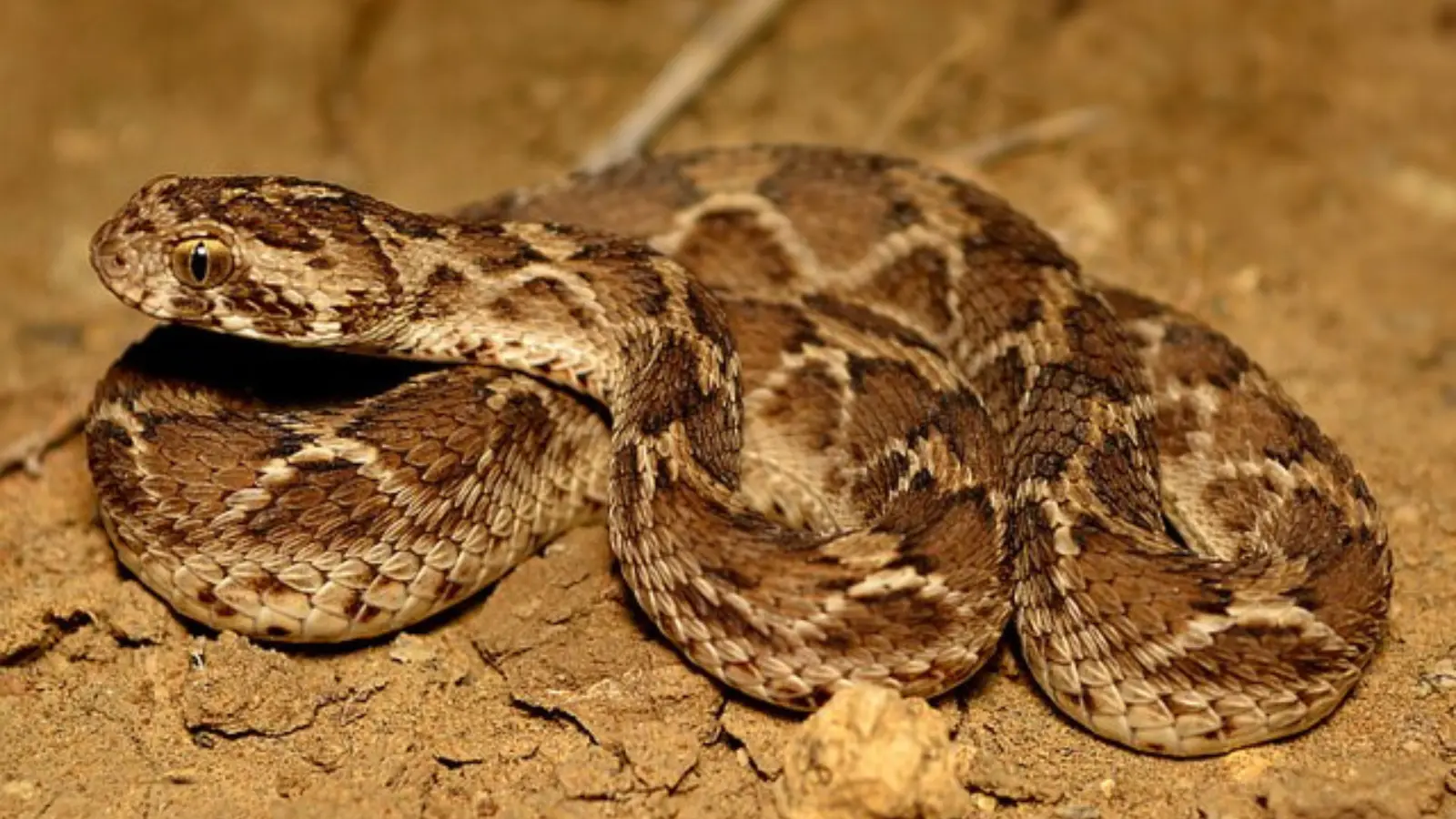
Saw-scaled viper
The saw-scaled viper (Echis carinatus) is the smallest member of the "Big Four" in India thought to be responsible for the most bites and related deaths in the country. Once bitten by this viper, a person will have localized swelling and pain in the area, followed by potential hemorrhage.
6 / 14
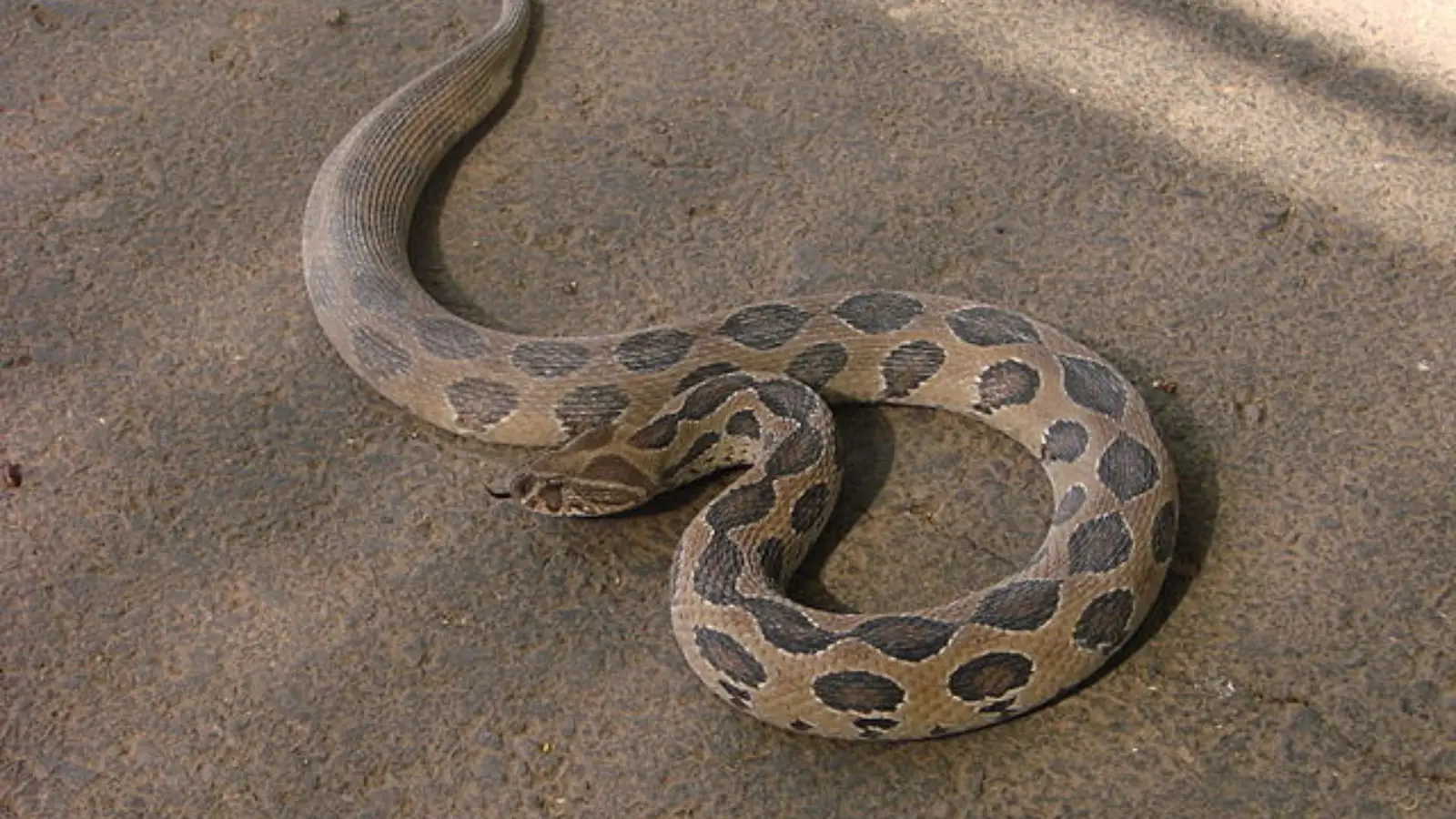
Russell's viper
Around 58,000 deaths in India are attributed to snake bites every year, and the Russell's viper (Daboia russelii) is responsible for the majority of these mortalities. The snake's venom can lead to an awful smorgasbord of symptoms: acute kidney failure, severe bleeding and multi-organ damage.
7 / 14
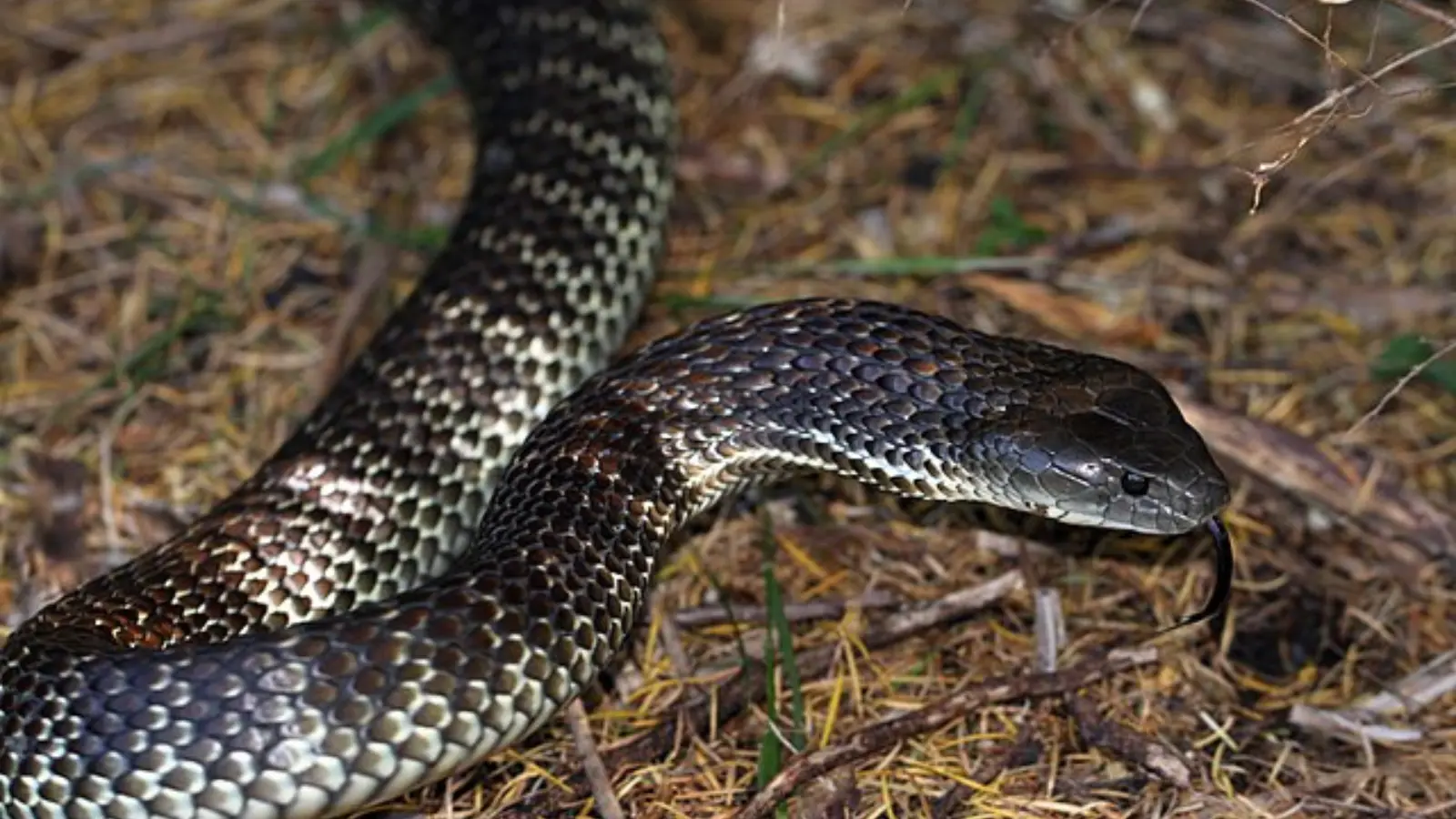
Eastern tiger snake
the eastern tiger snake (Notechis scutatus) is named for the yellow and black bands on its body, though not all populations sport that pattern, Its potent venom can cause poisoning in humans in just 15 minutes after a bite and is responsible for at least one death a year on average.
8 / 14
Inland taipan
The inland taipan is one of the most venomous snakes, according to the International Journal of Neuropharmacology, meaning just a teensy bit of its venom can kill prey (or human victims). They live tucked away in the clay crevices of Queensland and South Australia's floodplains.
9 / 14
Coastal taipan
Coastal taipans are incredibly fast and can jump into the air fangs-first to attack.The snake's venom contains neurotoxins, which prevent nerve transmission.
10 / 14
King cobra
The king cobra (Ophiophagus hannah) is the world's longest venomous snake, measuring up to 18 feet (5.4 m). Even a single bite can kill a human in 15 minutes and an adult elephant in just a few hours.
11 / 14
Banded krait
The banded krait (Bungarus fasciatus) is a slow mover during the day and is much more likely to bite after dark. The snake's venom can paralyze muscles and prevent the diaphragm from moving.
12 / 14
Saw-scaled viper
The saw-scaled viper (Echis carinatus) is the smallest member of the "Big Four" in India thought to be responsible for the most bites and related deaths in the country. Once bitten by this viper, a person will have localized swelling and pain in the area, followed by potential hemorrhage.
13 / 14
Russell's viper
Around 58,000 deaths in India are attributed to snake bites every year, and the Russell's viper (Daboia russelii) is responsible for the majority of these mortalities. The snake's venom can lead to an awful smorgasbord of symptoms: acute kidney failure, severe bleeding and multi-organ damage.
14 / 14
Eastern tiger snake
the eastern tiger snake (Notechis scutatus) is named for the yellow and black bands on its body, though not all populations sport that pattern, Its potent venom can cause poisoning in humans in just 15 minutes after a bite and is responsible for at least one death a year on average.
)
)
)
)
)