7 most costly Russian weapons ever built

Seven of Russia's most costly weapons focus on strategic deterrence and military power. From the Borei-class submarine costing over $700 million to the hypersonic Avangard glide vehicle, these systems demonstrate vast technological investment to maintain global military influence.
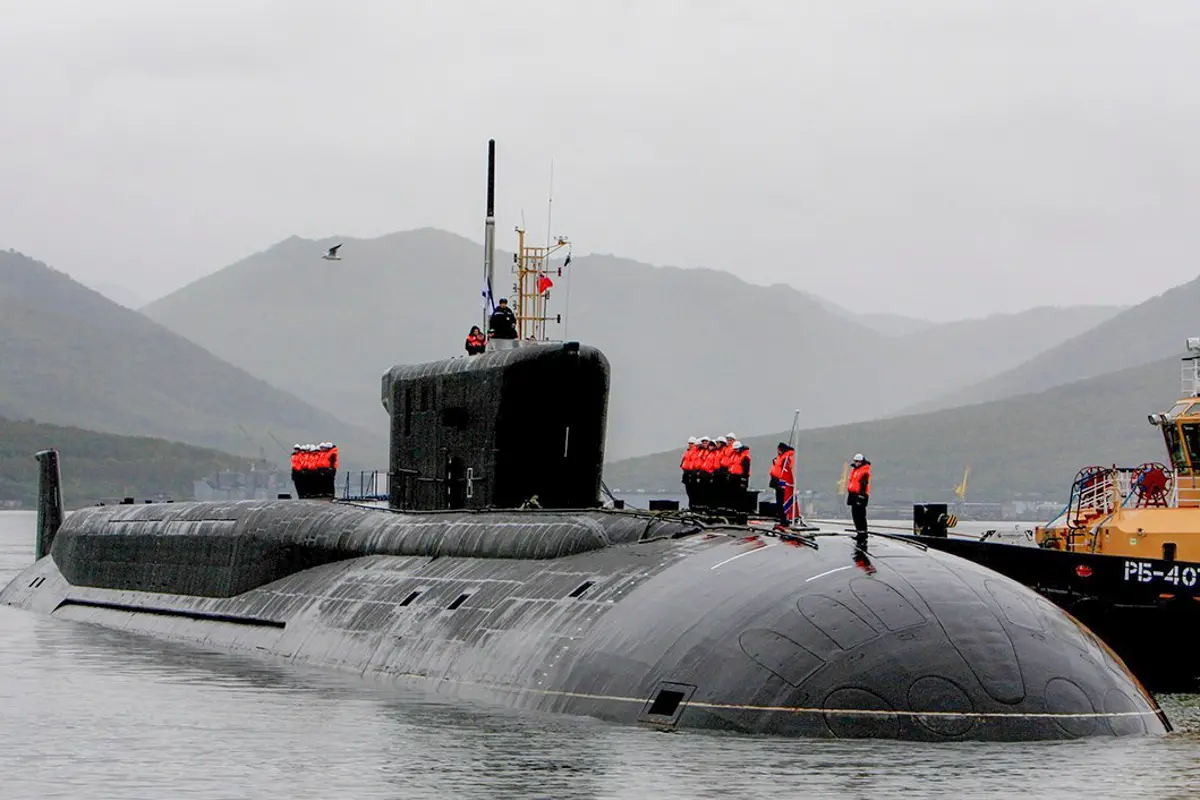
Borei-Class Ballistic Missile Submarine - Over $700 Million Each
The Borei-class nuclear ballistic missile submarines are Russia’s most expensive military assets, with the first unit costing approximately $713 million including research and development. These strategic submarines carry multiple nuclear missiles and provide second-strike capability. The overall program, including Bulava missile development, totals billions of dollars illustrating the strategic priority placed on nuclear deterrence.
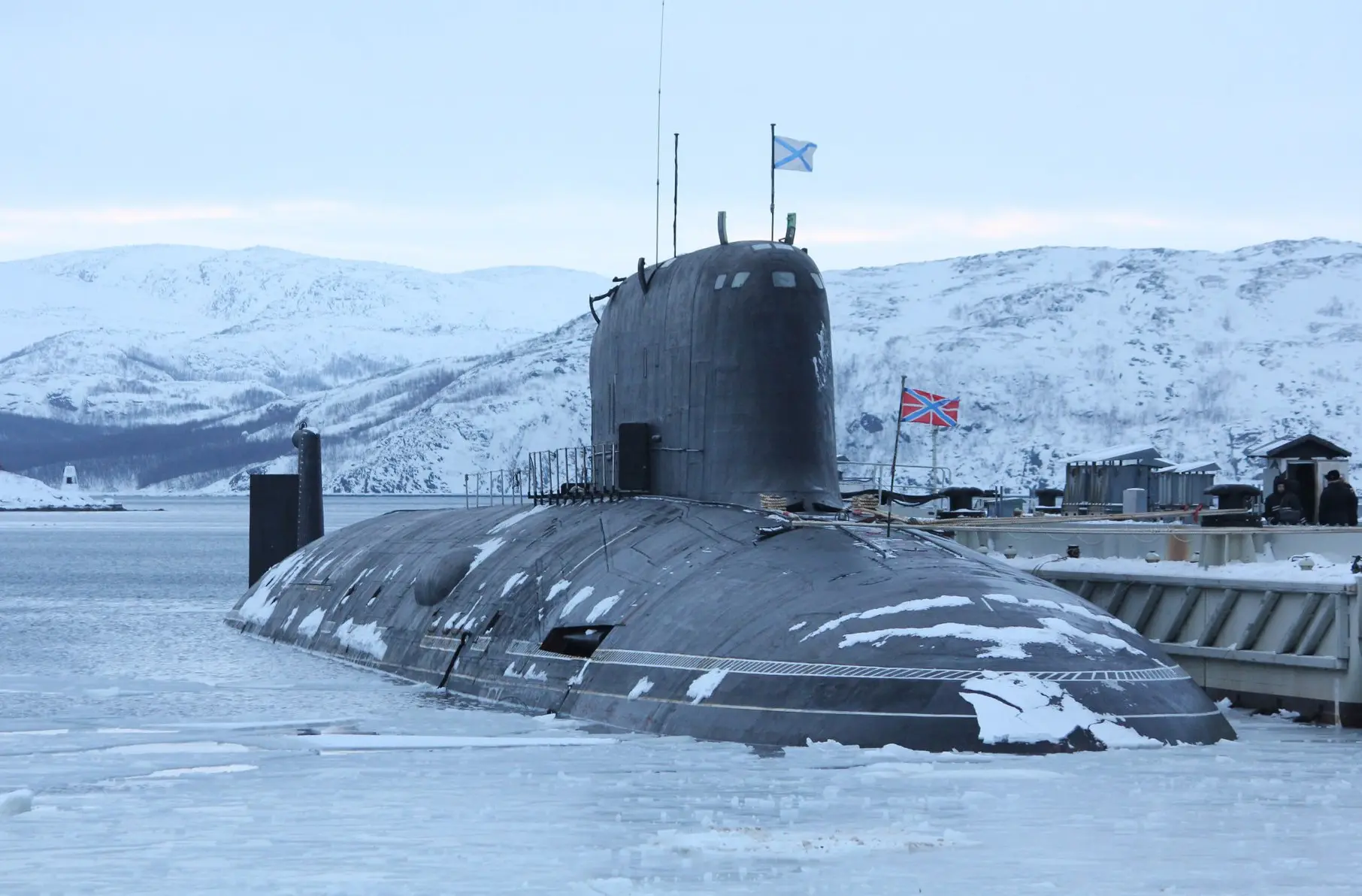
Yasen-Class Nuclear Attack Submarine - $1.6 Billion Per Unit
Yasen-class nuclear-powered attack submarines are among Russia’s costliest naval platforms, with unit prices estimated at $1.6 billion. These submarines combine stealth with heavy torpedo and missile armament. Their advanced propulsion and sensor suites place heavy demand on budgets, restricting fleet numbers despite their combat effectiveness.
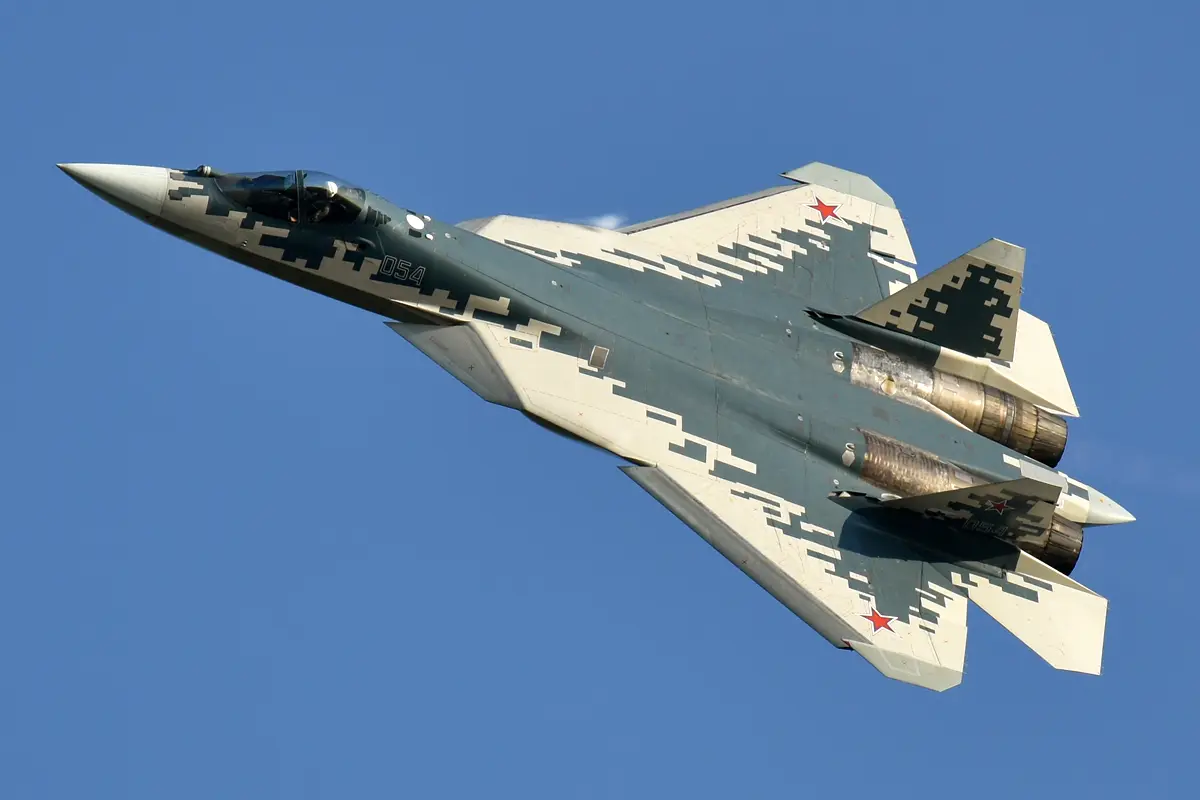
Su-57 Fifth-Generation Fighter Program - Multibillion-Dollar Investment
Russia’s Su-57 program accounts for billions in development and production investments. Though per-unit costs range from $35 million to $50 million, advanced stealth, avionics, and weapons systems require extended funding over decades. Program delays have increased costs, but the fighter remains central to Russia’s air combat modernization.
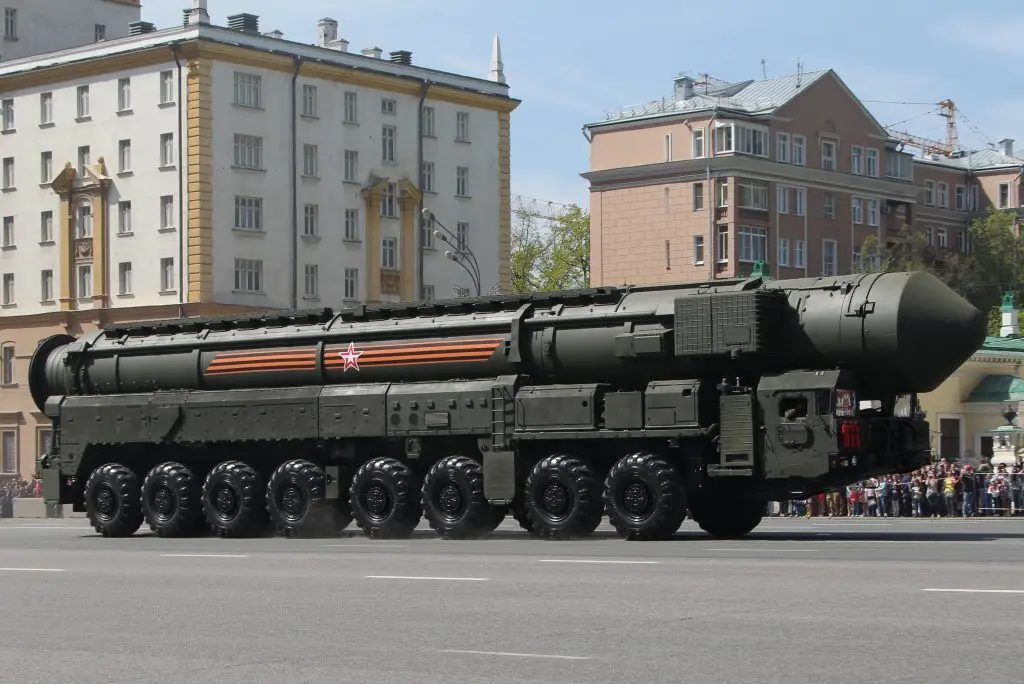
RS-28 Sarmat Intercontinental Ballistic Missile - Strategic Cost
The RS-28 Sarmat heavy ICBM serves as a cornerstone of Russia’s nuclear deterrent. Though its exact cost remains classified, development and deployment represent a multibillion-dollar commitment. Capable of carrying up to 16 warheads or hypersonic glide vehicles, the Sarmat missile’s scale and complexity put it among Russia’s most expensive strategic projects.
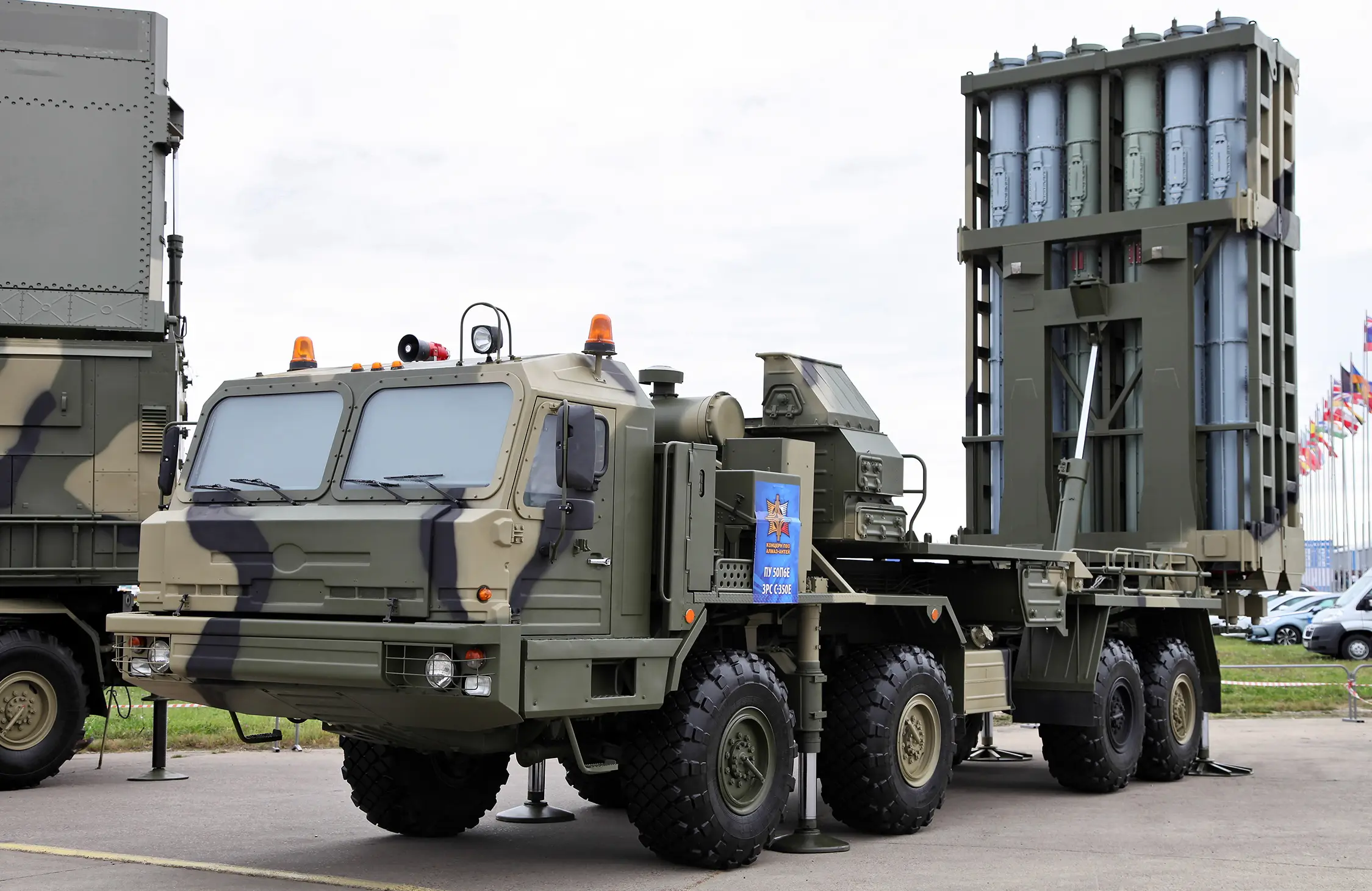
S-500 Prometheus Air Defence System - $2.5 Billion Regiment Cost
The S-500 Prometheus represents Russia’s next-generation air and missile defence system designed to counter hypersonic threats and ICBMs. Cost estimates for a single regiment or battery are around $2.5 billion. Its advanced radar and missile technology make it an expensive but strategic asset against modern aerial threats.
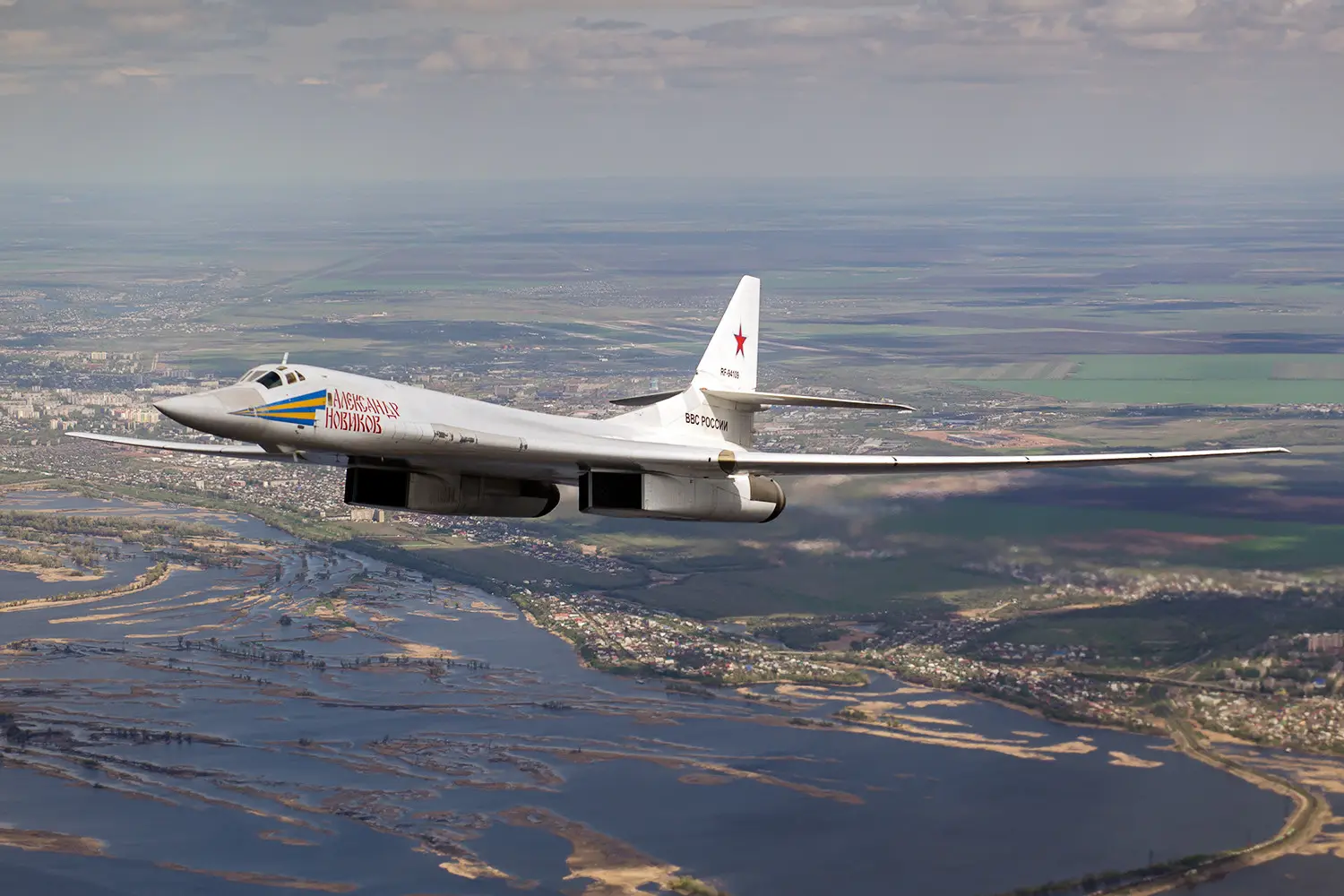
Tupolev Tu-160M Blackjack Strategic Bomber - $500 Million Airframe
The Tu-160M Blackjack’s modernized production and upgrades entail high costs, with each airframe valued near $500 million. These supersonic strategic bombers offer long-range nuclear and conventional strike capabilities with variable-sweep wings and high payload capacity. The Tu-160M remains a symbol of Russia’s strategic reach.
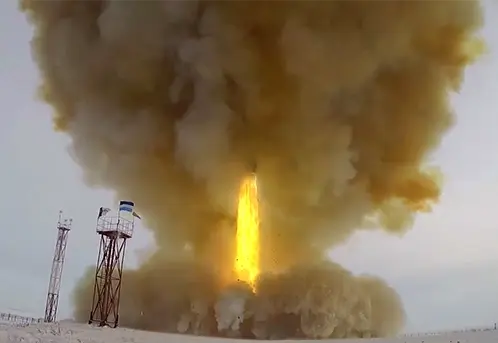
Avangard Hypersonic Glide Vehicle - Critical Nuclear Investment
The Avangard hypersonic glide vehicle, capable of speeds up to Mach 27, is a highly expensive addition to Russia’s nuclear arsenal. Research development and deployment costs run into billions as it provides extreme speed and evasiveness against missile defences. Part of Russia’s "super weapons," Avangard exemplifies costly modern strategic weaponry.
)
)
)
)
)