7 incredible facts about Chhath Puja you probably didn’t know

One of the most distinctive features of Chhath Puja is its simplicity and directness. The festival’s rituals are performed without idols, elaborate temples, or priests.

Introduction
Celebrated with deep devotion in the Indian states of Bihar, Jharkhand, eastern Uttar Pradesh, and parts of Nepal, Chhath Puja is a four-day Hindu solar festival dedicated to worshipping the Sun God (Surya) and the goddess Chhathi Maiya. Beyond its familiar rituals of fasting and offering prayers to the setting and rising sun, this ancient tradition holds several remarkable aspects that even regular devotees may not know. The following seven facts reveal the festival’s scientific, ecological, and cultural richness.
1. Ancient Mythological Roots in the Epics
Chhath Puja finds reference in both the Ramayana and the Mahabharata. In the Ramayana, Sita is said to have observed a fast and prayed to the Sun God for blessings, linking the ritual to motherhood and prosperity. In the Mahabharata, Karna, believed to be the son of the Sun God, offered prayers to Surya while standing in water, a practice that mirrors the core elements of Chhath. These early mentions underline its Vedic antiquity and deep mythological resonance.
2. Rituals Without Idols or Priests
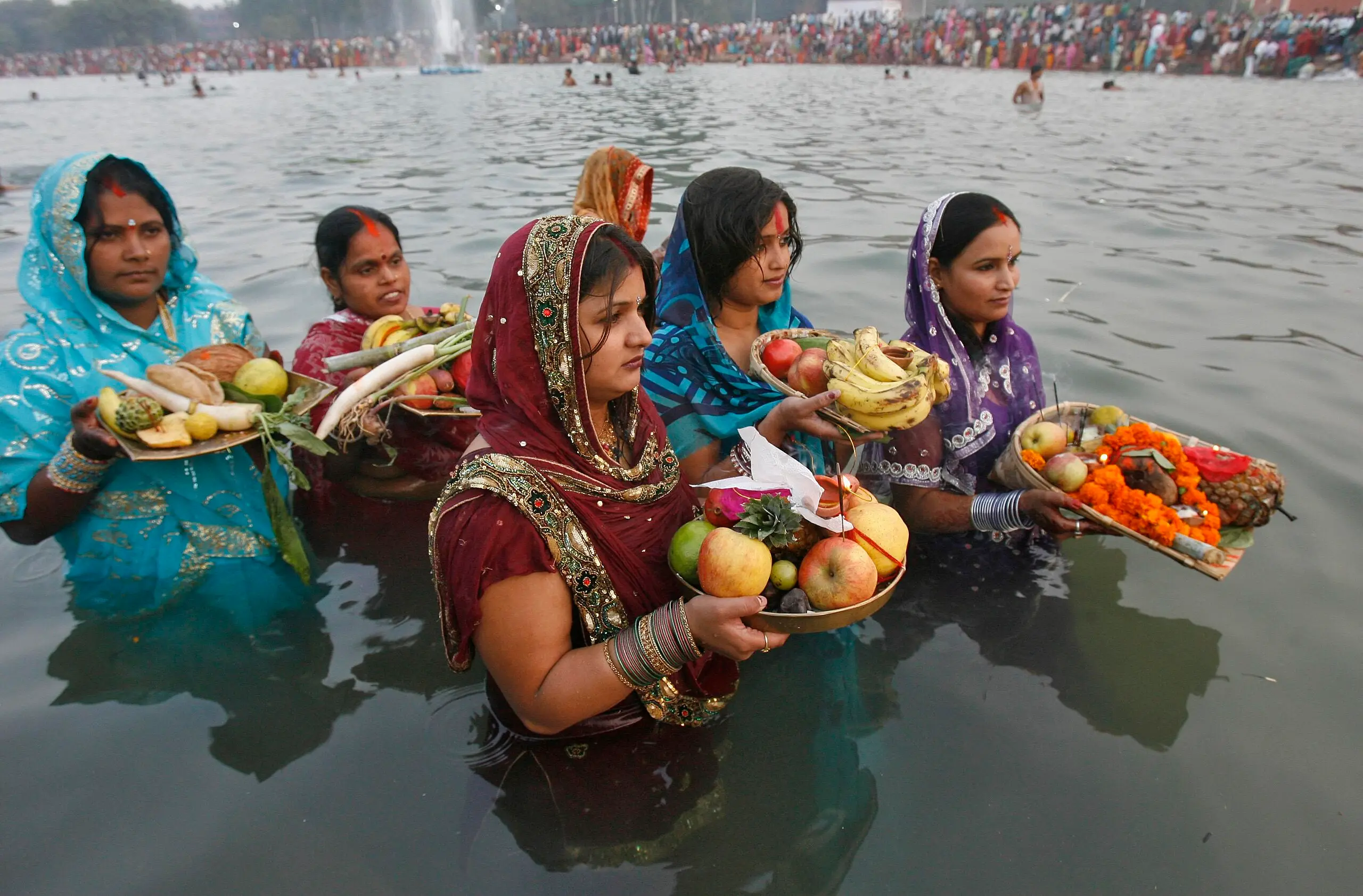
One of the most distinctive features of Chhath Puja is its simplicity and directness. The festival’s rituals are performed without idols, elaborate temples, or priests. Devotees themselves conduct every step, from preparing the offerings to performing the arghya (water offering) to the Sun. This unique structure makes Chhath one of the few major Hindu observances centred on personal connection between devotee and deity, with no intermediaries.
3. Dual Worship of Setting and Rising Sun
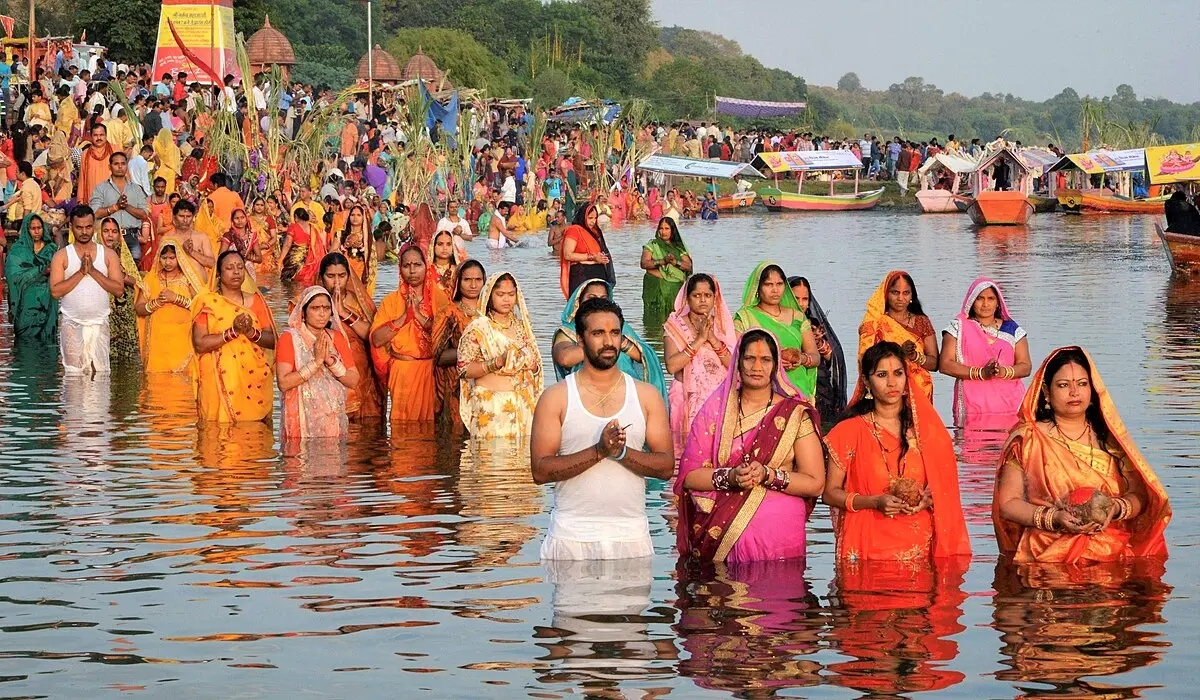
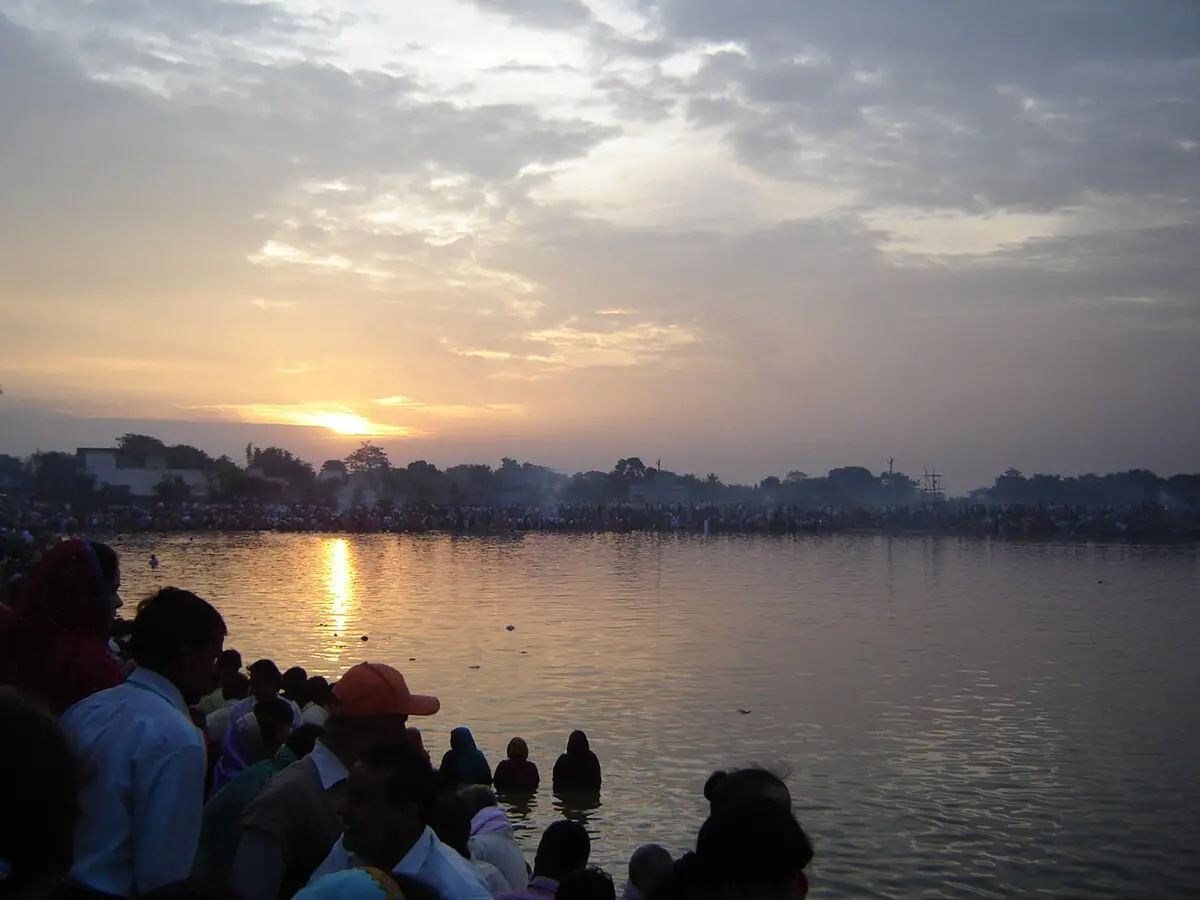
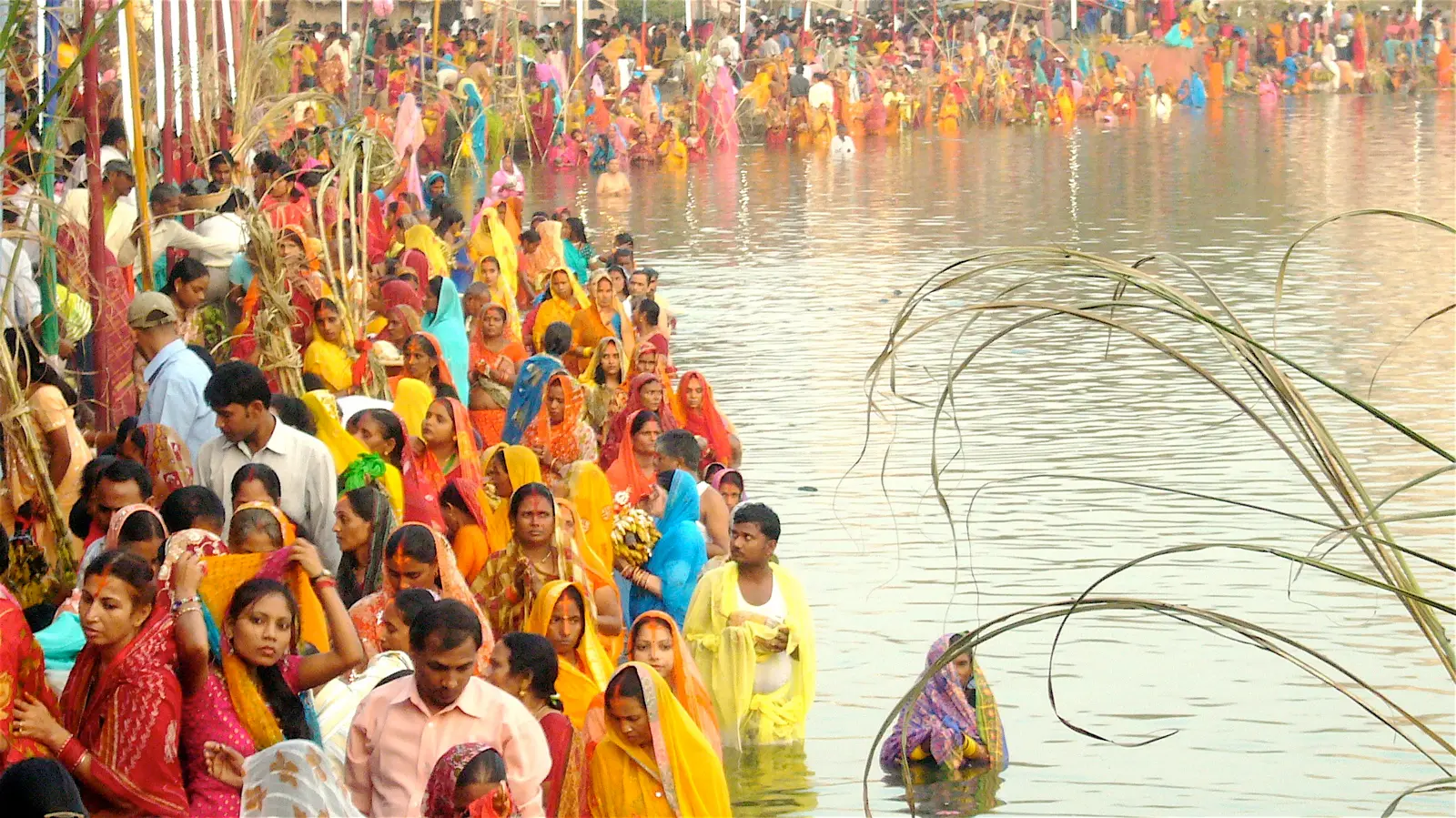
Unlike most sun-worship traditions that focus only on sunrise, Chhath is exceptional for venerating both the setting and the rising sun, known respectively as Sandhya Arghya and Usha Arghya. This practice represents gratitude for both the beginning and the end of the day, symbolising the cyclical nature of energy, life, and renewal. It also reflects an ancient understanding of balance in the universe, honouring transitions as much as origins.
4. A 36-Hour Fast Without Water
The Chhath fast, or vrat, is among the most austere in Indian religious practice. Devotees, known as vratis, abstain from food and water for over 36 hours, maintaining a calm, meditative state. This intense discipline is not viewed as a hardship but as an offering of purity and self-control. It is believed that the fast purifies the body and strengthens the mind.
5. Scientific and Health Dimensions
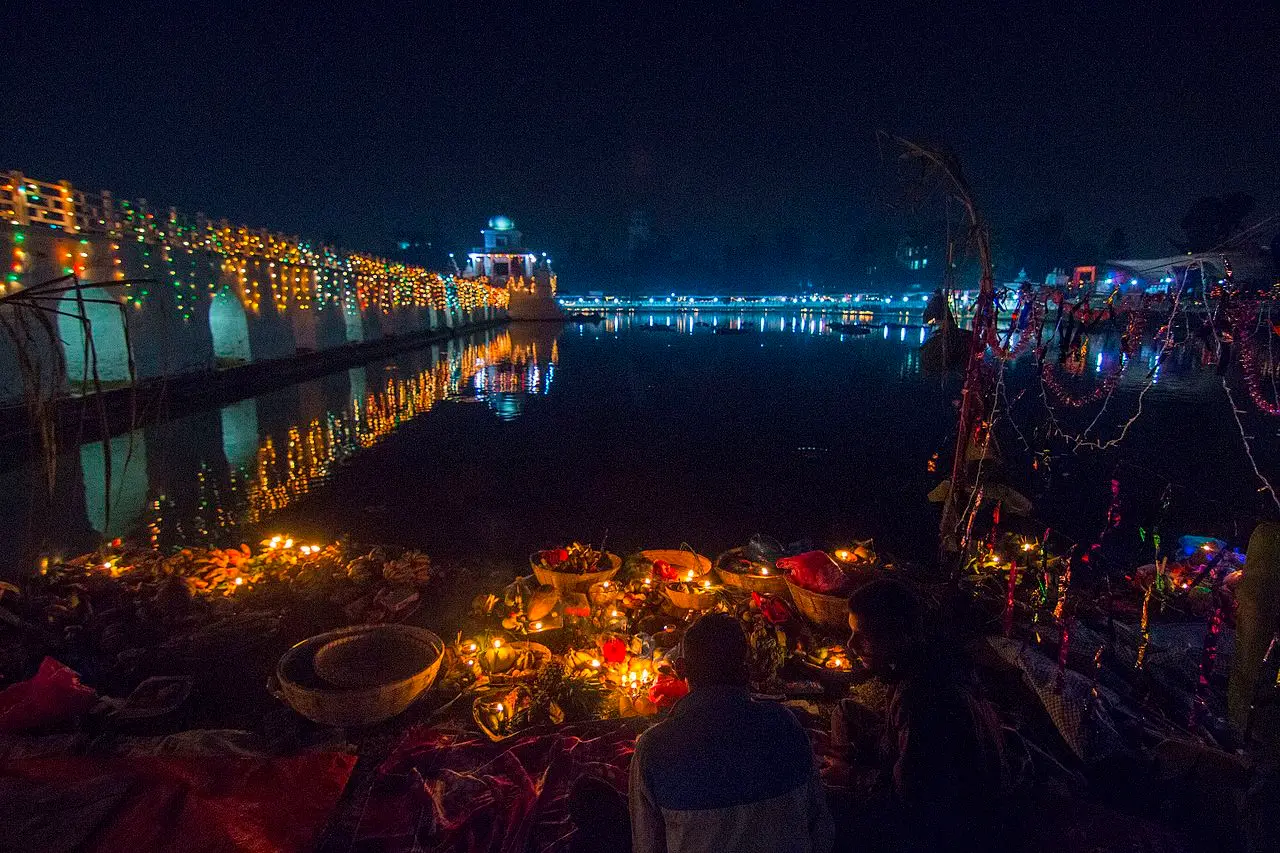
Many aspects of Chhath Puja align with principles of environmental and physical science. Standing waist-deep in water while facing the sun is thought to enhance the body’s absorption of solar energy and aid detoxification. The fasting process allows metabolic rest and has parallels with modern concepts of intermittent fasting. Moreover, the emphasis on cleanliness, timing, and breathing during rituals promotes mental clarity and physical balance.

6. A Deeply Eco-Conscious Tradition
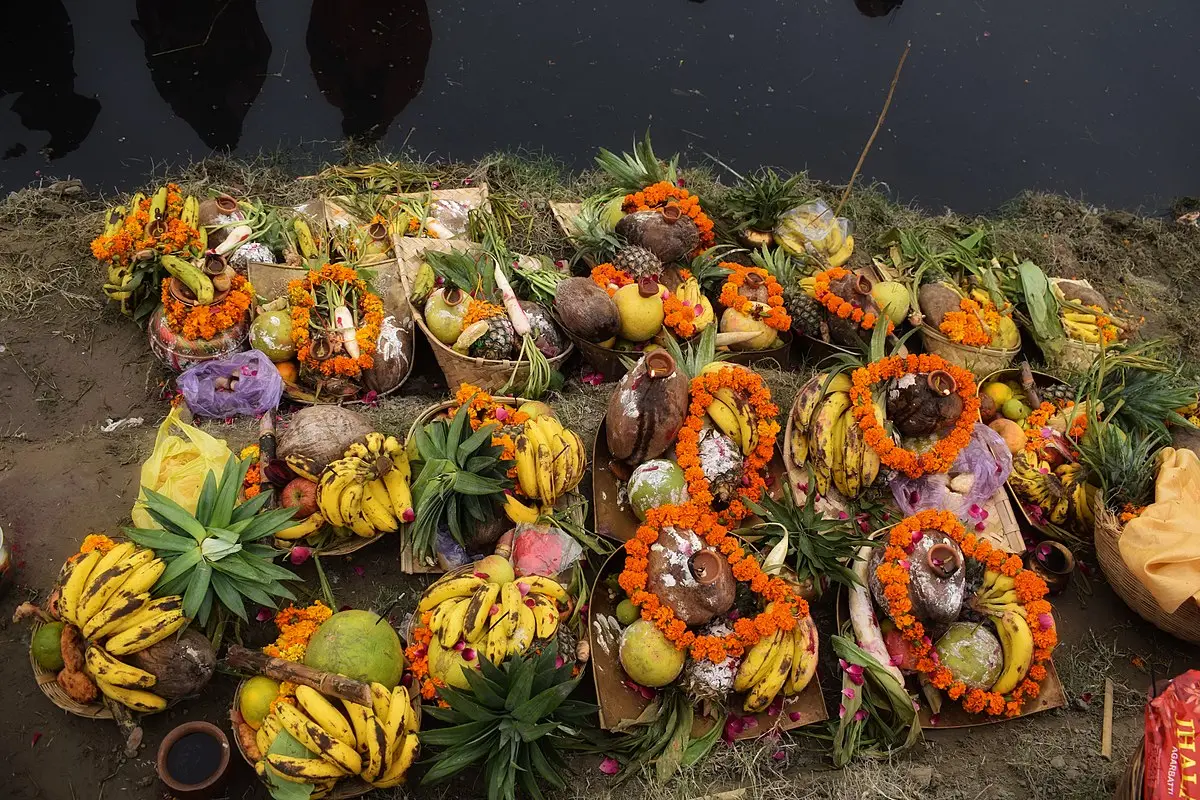
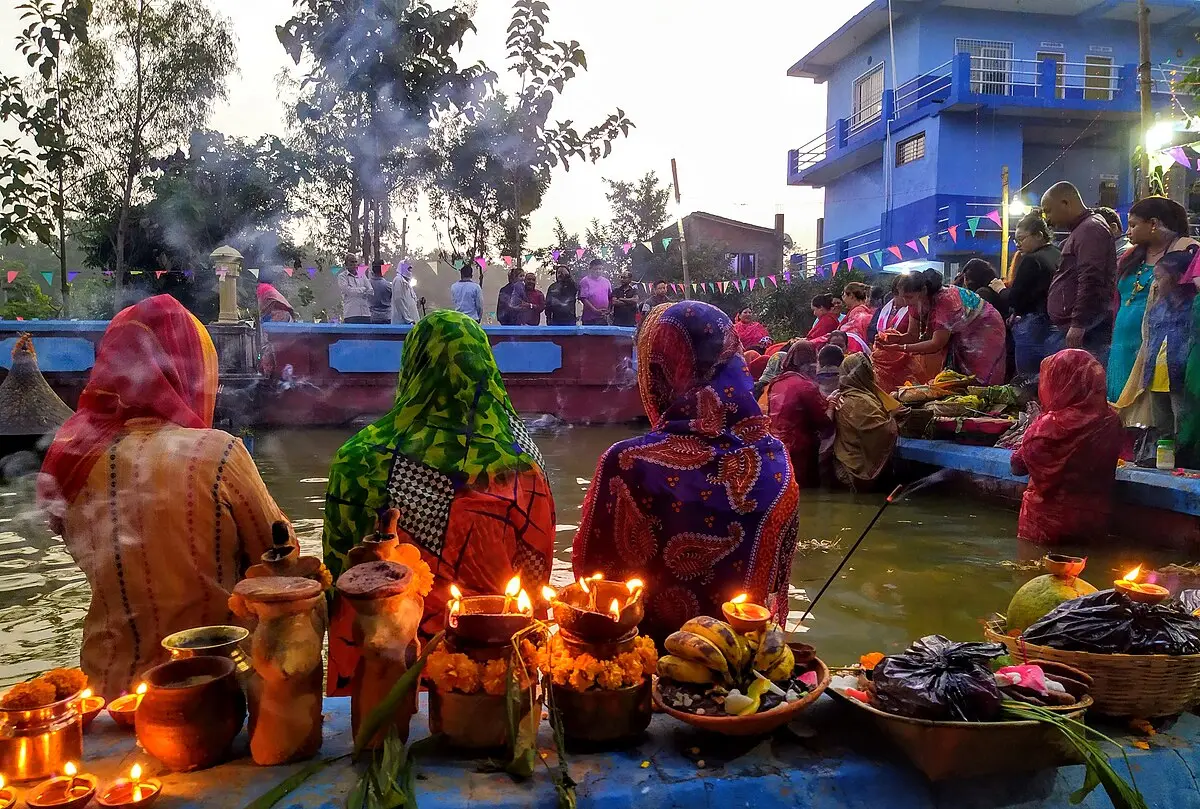
Chhath is inherently rooted in nature worship and environmental harmony. Offerings include seasonal fruits, earthen lamps, and bamboo baskets, all made from biodegradable materials. The rituals take place on riverbanks or ponds, reinforcing the importance of water bodies in sustaining life. In urban areas, communities have begun creating artificial ponds and eco-friendly ghats to prevent pollution while maintaining the sanctity of the observance.
7. Sustaining Local Artisans and Cultural Heritage
The festival also plays a vital role in sustaining traditional livelihoods. Local artisans and craftspeople prepare the soops (woven bamboo trays), clay lamps, and handmade ritual items used during the puja. Small farmers and traders benefit from the seasonal demand for fruits, sugarcane, and grains. Thus, Chhath supports entire rural economies while preserving ancient crafts that might otherwise fade away.
Conclusion
Far beyond its devotional essence, Chhath Puja stands as a remarkable blend of mythology, science, ecology, and cultural identity. Its rituals of simplicity, endurance, and reverence for nature highlight values of gratitude and sustainability that remain as relevant today as they were in Vedic times.
)
)
)
)
)