7 incredible Andromeda Galaxy images released by NASA

Authored By Subhadra Srivastava
Published: Apr 26, 2025, 13:53 IST | Updated: Apr 26, 2025, 13:53 IST
In the years following the launch of the Hubble Space Telescope, astronomers have tallied over 1 trillion galaxies in the universe, but Andromeda stands out.
1 / 7
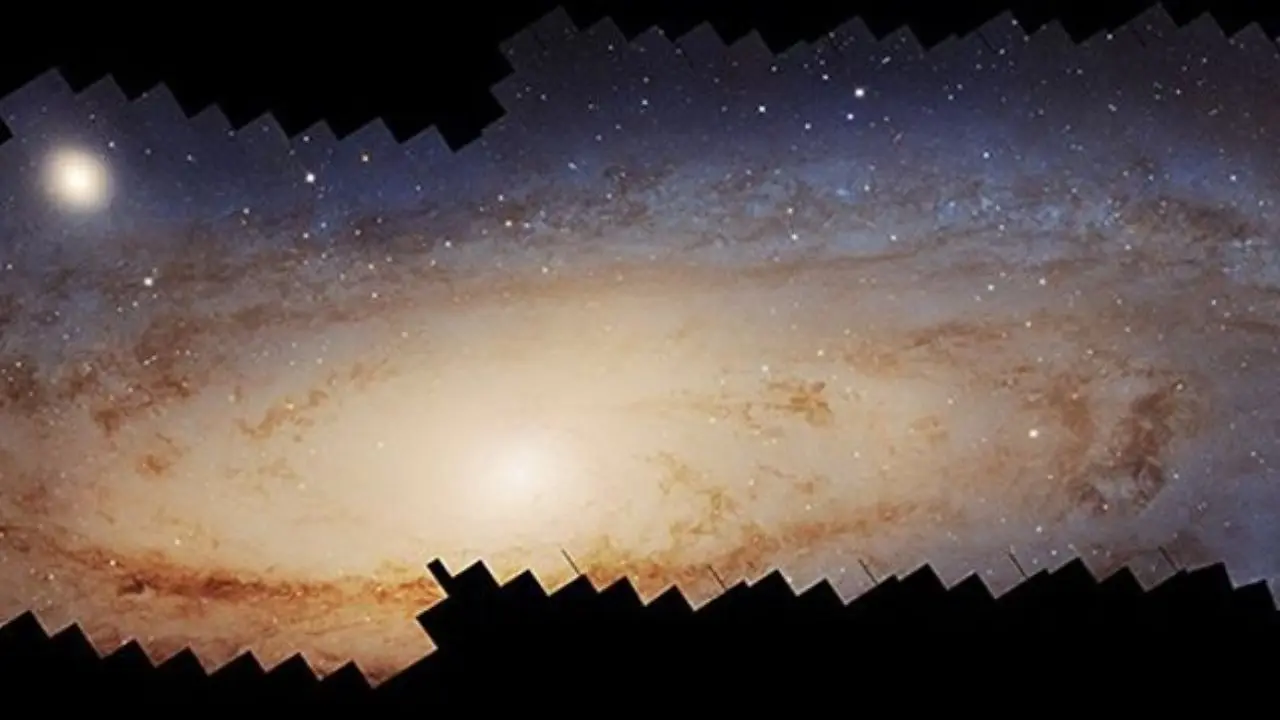
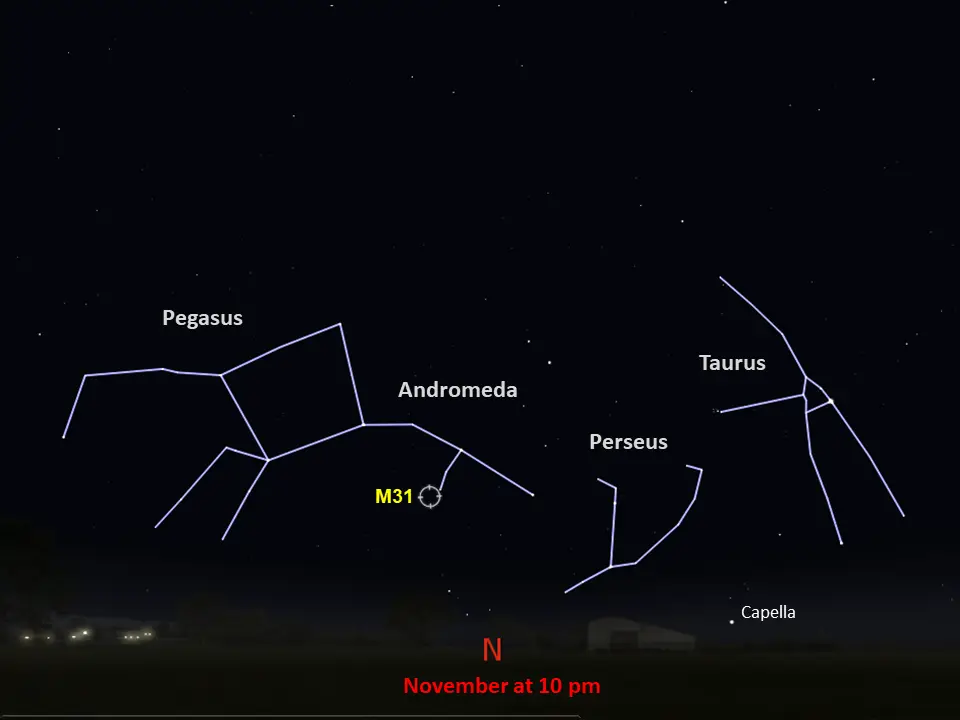
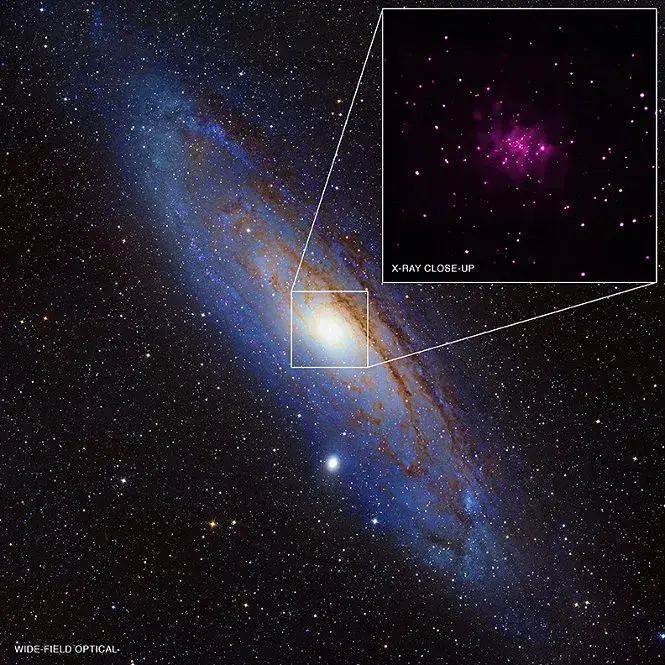
The Andromeda Galaxy or Messier 31, remains the nearest major galaxy to the Milky Way and a vital subject for astronomical research. It appears as a faint, cigar-shaped object to the naked eye on a clear autumn night, roughly the apparent angular diameter of our Moon. In the years following the launch of the Hubble Space Telescope, astronomers have tallied over 1 trillion galaxies in the universe but Andromeda stands out.
2 / 7
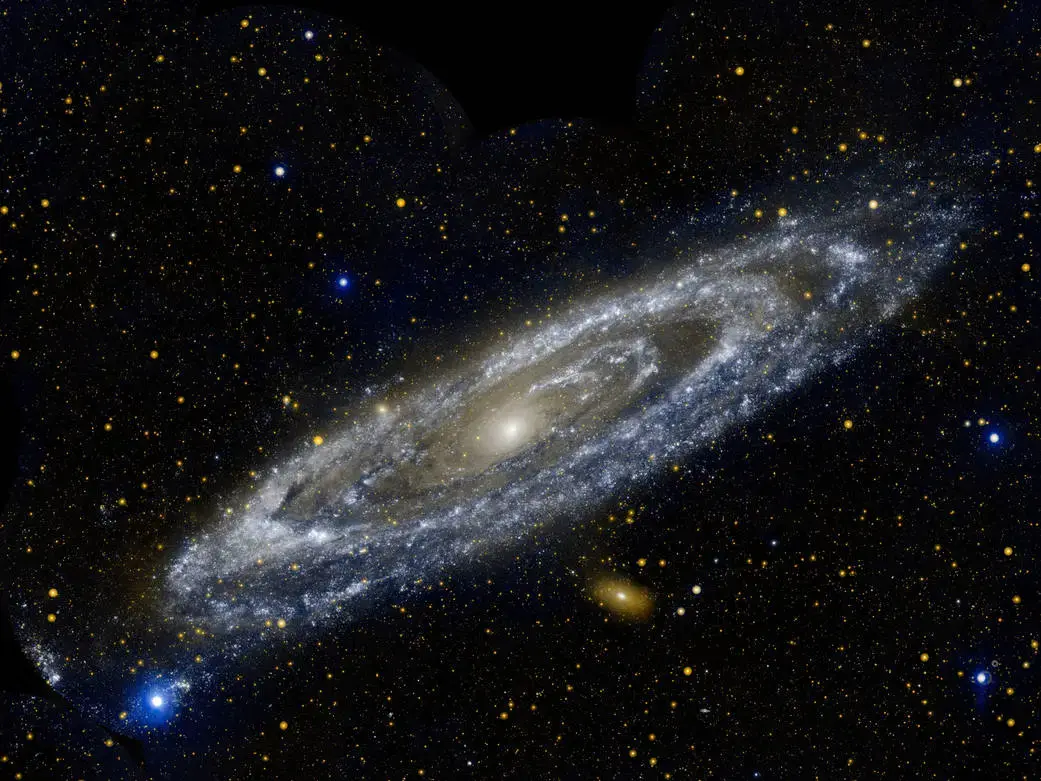
Astronomers use Andromeda as a reference point to understand spiral galaxies across the universe. Studying its structure provides an external view that cannot be achieved with the Milky Way, where our vantage point is from deep within its spiral arms.
3 / 7
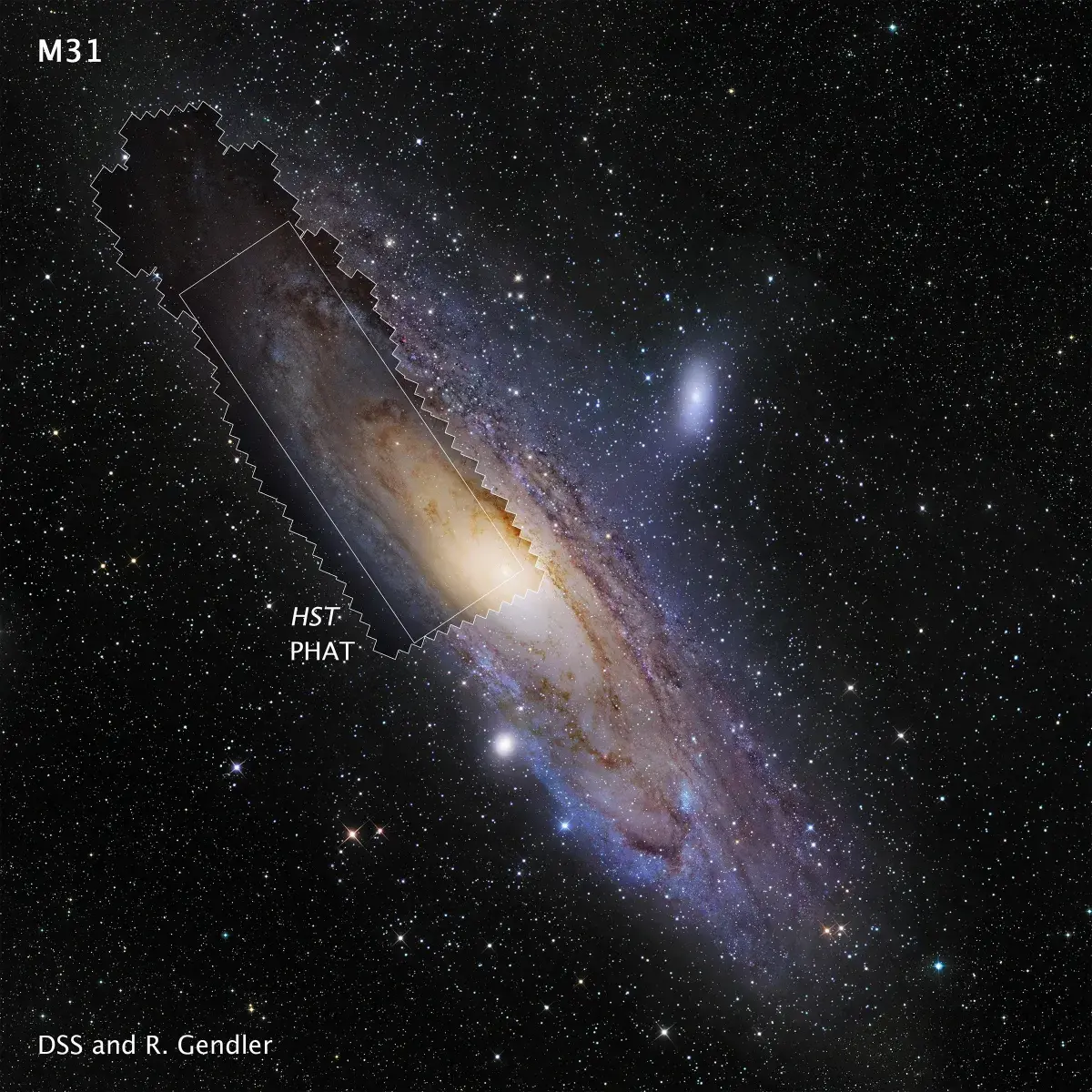
Photographing Andromeda is a complex task due to its size and proximity. It covers a much larger portion of the sky compared to distant galaxies normally observed. Compiling a detailed image required thousands of telescope orbits and many years of coordinated observation.
4 / 7
Hubble traces densely packed stars extending from the innermost hub, seen on the left side of this image of Messier 31.
5 / 7
Andromeda changed the way humanity understood the universe. A century ago, in 1920's Edwin Hubble's work confirmed that Andromeda lies far outside the Milky Way, challenging the belief that the Milky Way comprised the entire universe and opening new avenues in cosmology.
6 / 7
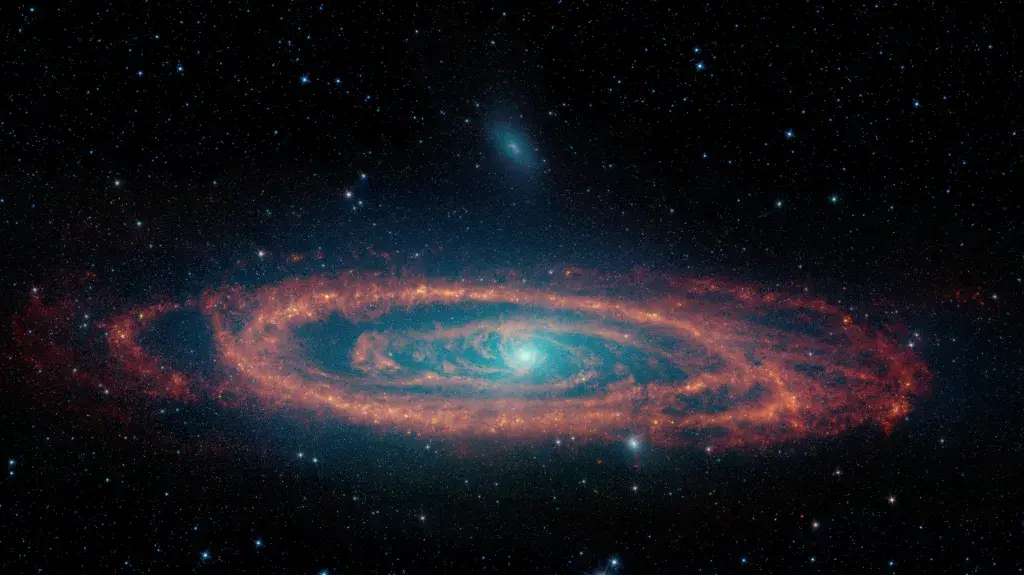
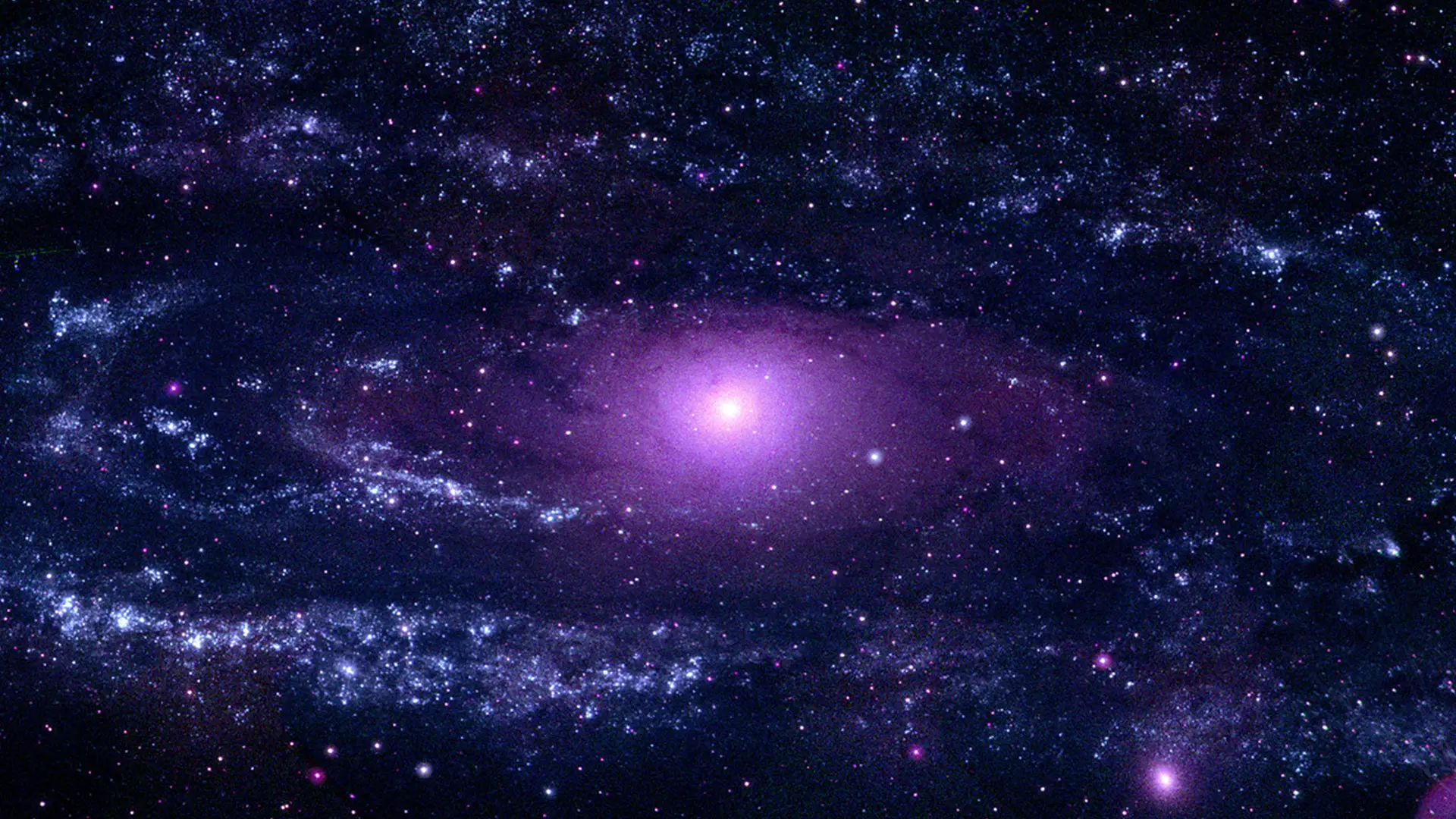
Detailed images of Andromeda has revealed a densely packed central bulge of older, cooler stars surrounded by, what appears to be sprawling spiral arms. These arms contain numerous blue star clusters and complex dust structures, highlighting active regions of star formation.
7 / 7
Observations have also shown the dynamic processes within the galaxy. Star formation, dust distribution, and the galaxy’s gradual motion towards the Milky Way offer vital clues about the life cycles and interactions of large galaxies over time.
)
)
)
)
)