List of 7 famous forts with incredible history in the world

Discover 7 famous forts with incredible history worldwide, exploring iconic historic forts, rich culture, and stunning architecture. These top travel destinations attract history lovers and culture seekers, making them must-visit heritage sites for unforgettable global travel experiences.
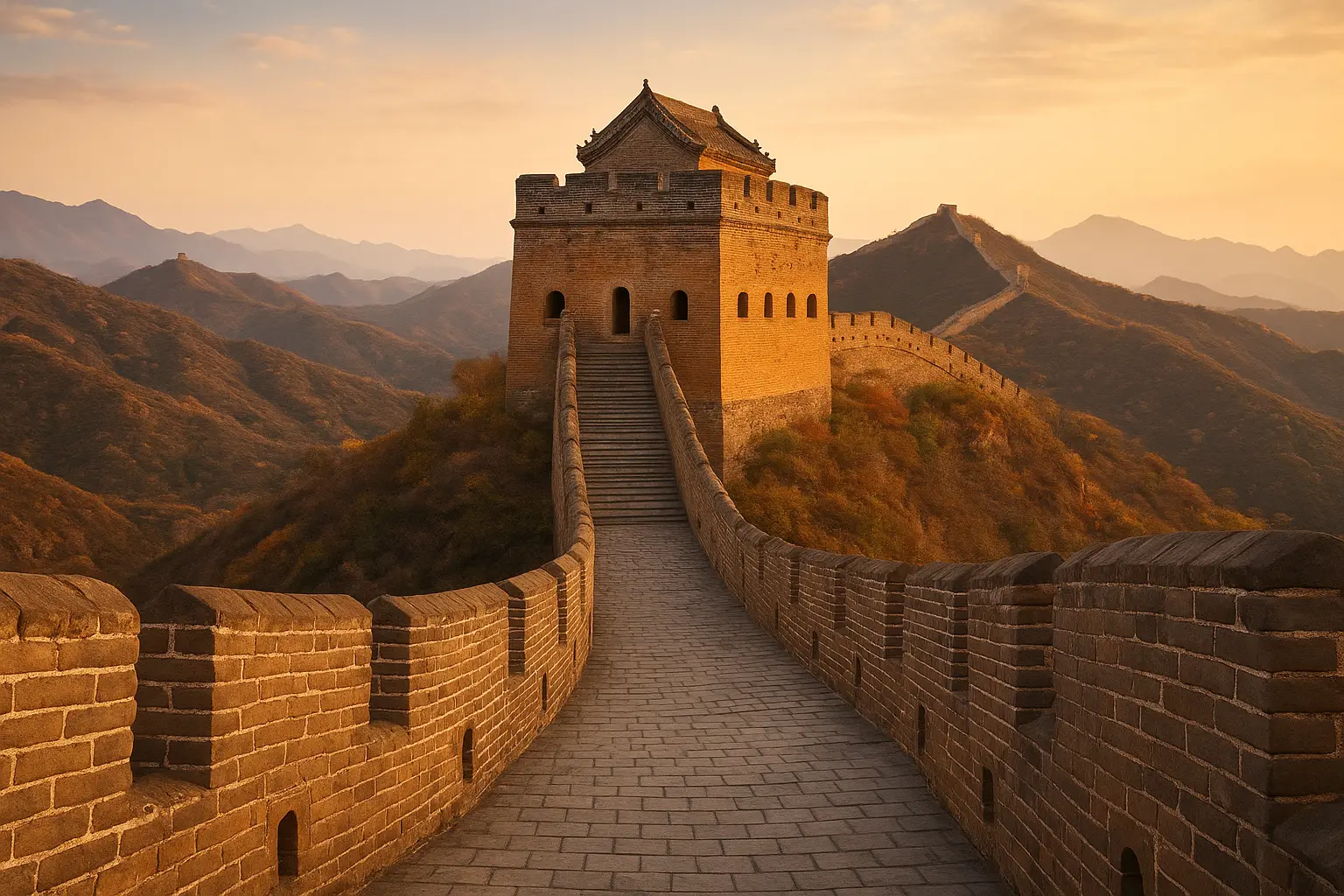
Great Wall Fortresses, China
Spanning thousands of miles, the Great Wall’s forts were built over centuries, starting from the 7th century BC to defend ancient China from invasions. These fortresses housed armies, served as watchtowers, and acted as communication posts using smoke signals. Today, they are a testament to China’s military ingenuity and enduring spirit, offering travellers panoramic views and a deep dive into one of the world’s longest construction feats.
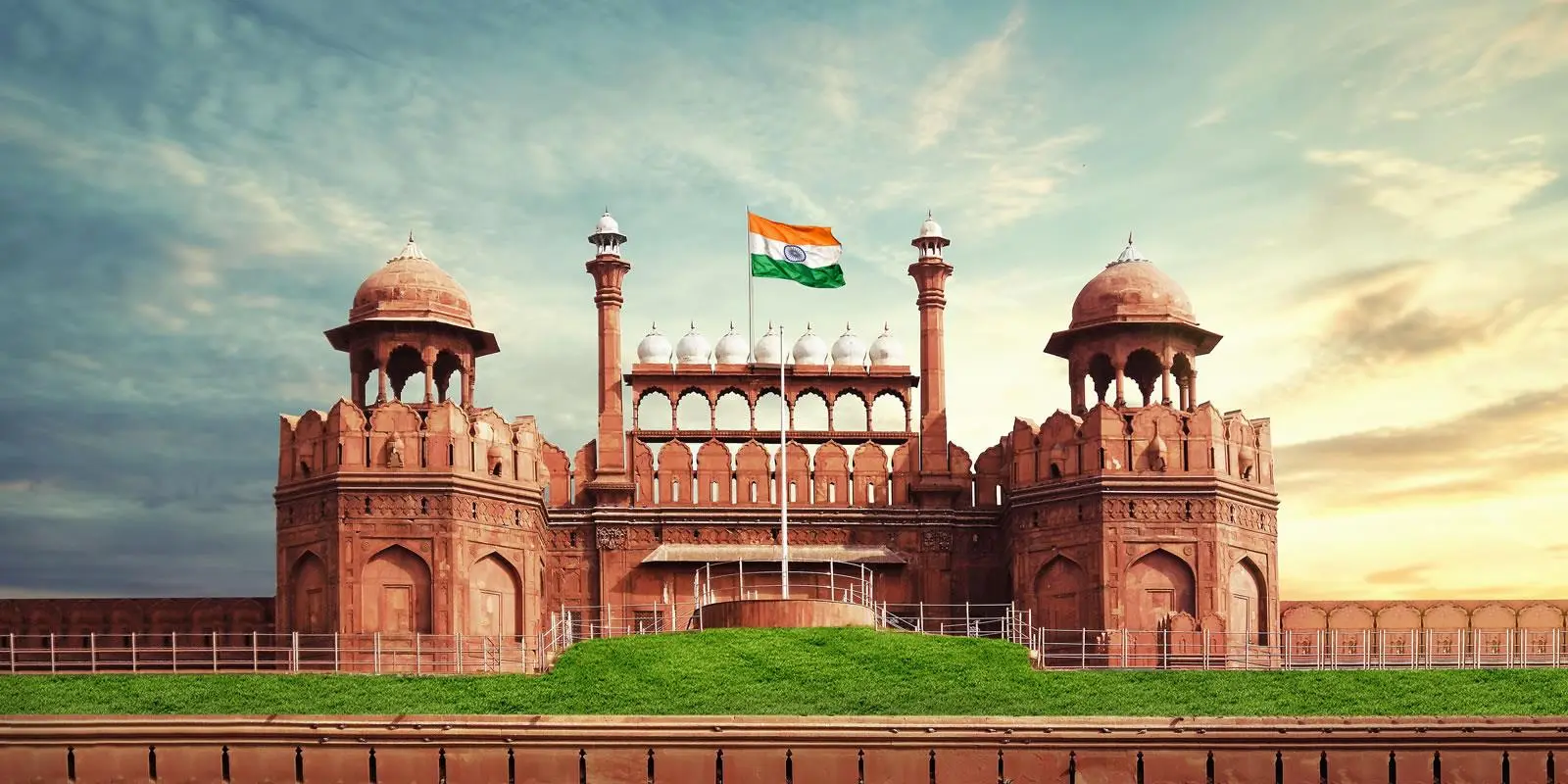
Red Fort, India
Commissioned by Emperor Shah Jahan in 1638, the Red Fort was the epicentre of the Mughal Empire’s power, combining grand architectural splendour with strategic military design. Its massive red sandstone walls enclosed palaces, gardens, and mosques. Beyond its royal past, the fort became an emblem of India’s independence, where the first Prime Minister raised the national flag in 1947. Visitors can witness this blend of history, art, and political legacy while exploring its majestic courtyards.
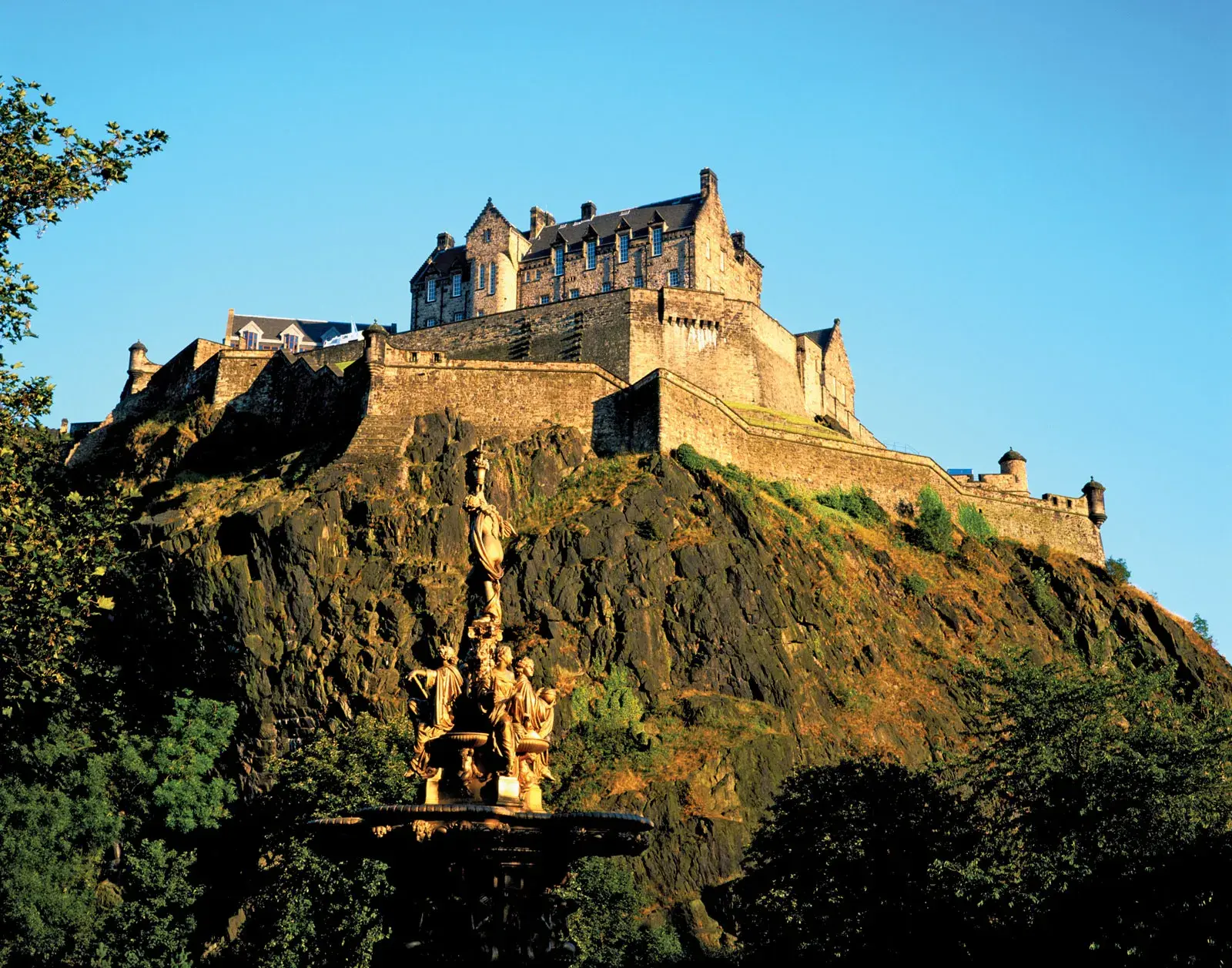
Edinburgh Castle, Scotland
Set atop volcanic Castle Rock, the origins of Edinburgh Castle date back to the 12th century. This fortress witnessed pivotal moments in Scottish history, including battles for control, royal coronations, and imprisonments. Once home to Mary, Queen of Scots, it holds centuries of secrets within its stone walls. Today, Edinburgh Castle offers visitors panoramic views of the city, historic exhibitions, and daily ceremonial traditions, making it a crown jewel among Europe travel landmarks.
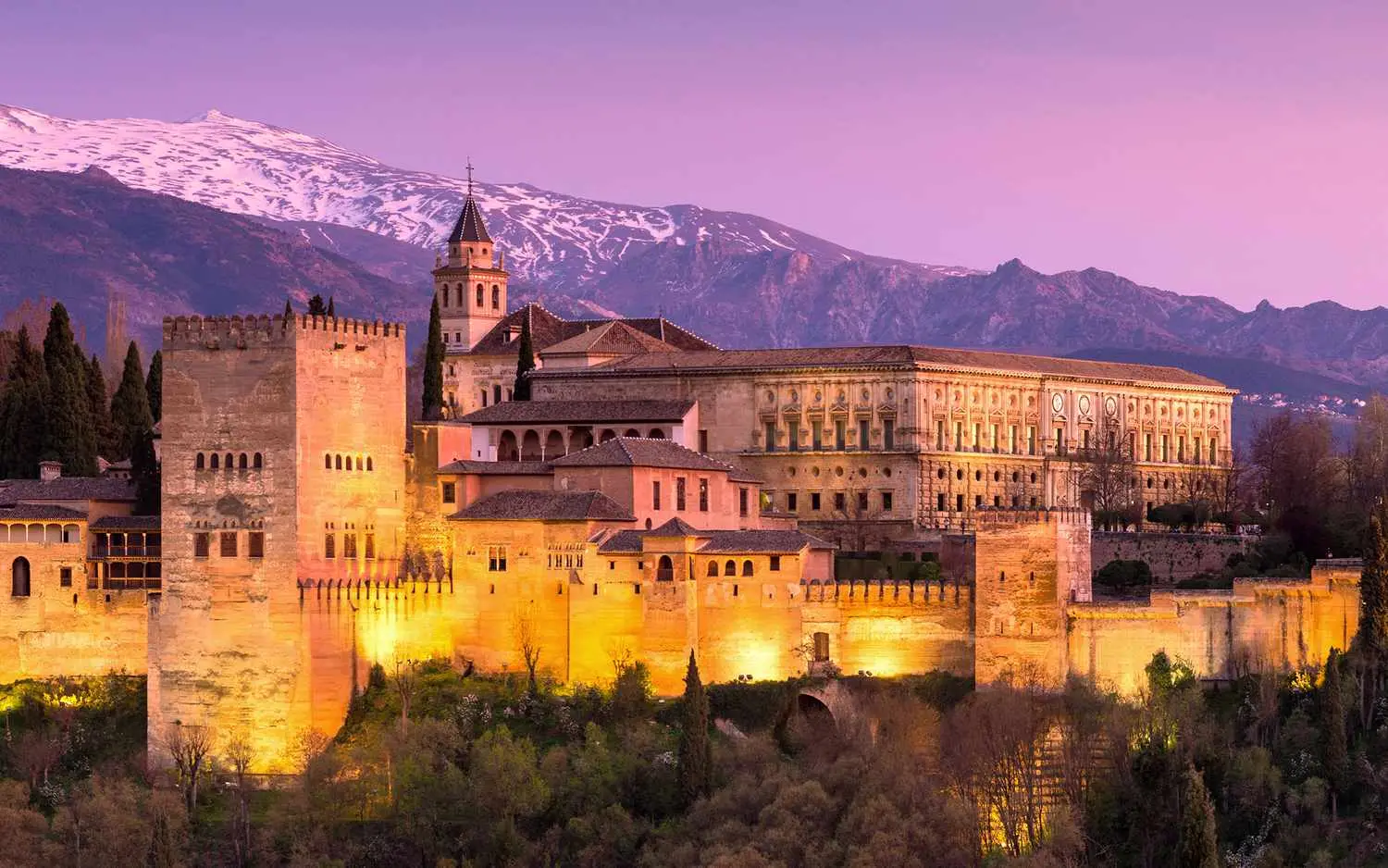
Alhambra, Spain
Built by the Nasrid dynasty in the 13th century, Alhambra is a stunning blend of fortress and palace set against the Sierra Nevada mountains. Its intricate Islamic art and Garden of the Lions illustrate the sophistication of Moorish culture before the Christian Reconquista reshaped the region. Walking through Alhambra, visitors experience centuries of religious and cultural transition, reflected in its architecture and the stories of those who lived within its walls.
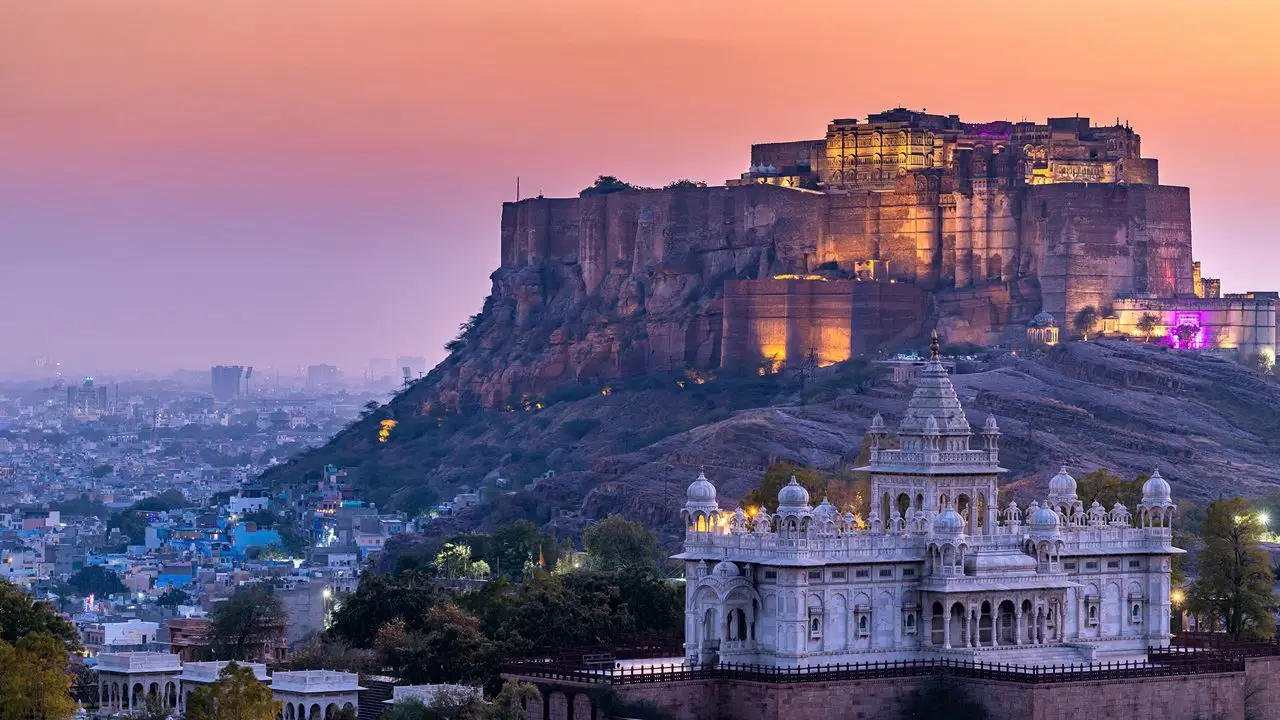
Mehrangarh Fort, India
Rising dramatically 400 feet above Jodhpur, Mehrangarh Fort was founded in 1459 by Rao Jodha to protect his kingdom. Its formidable walls and intricate palaces tell tales of Rajput valour, battles, and celebrations. Inside, museums showcase royal artefacts, weapons, and costumes, immersing travellers in Rajasthan’s proud history and vibrant culture. The fort’s commanding views over the “Blue City” below further enhance its appeal.
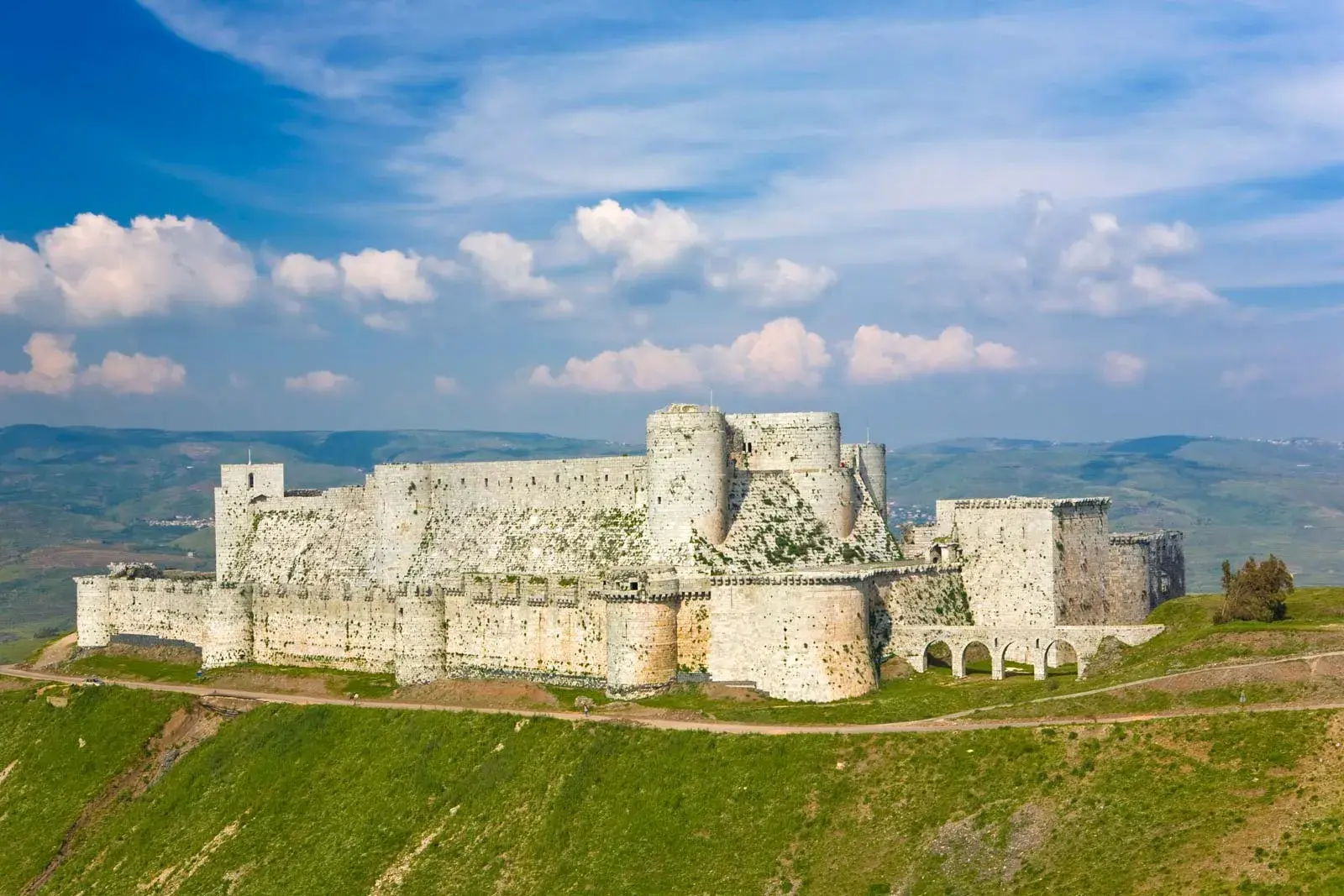
Krak des Chevaliers, Syria
Considered the finest preserved Crusader castle globally, Krak des Chevaliers was built in the 11th century and fortified over the centuries. It played a key role in Crusader-Muslim conflicts, famously falling to Sultan Baibars in 1271. The castle’s thick walls, towers, and labyrinthine corridors reveal medieval military strategy. Though a symbol of past conflicts, it now attracts visitors eager to explore one of history’s best-preserved military strongholds.
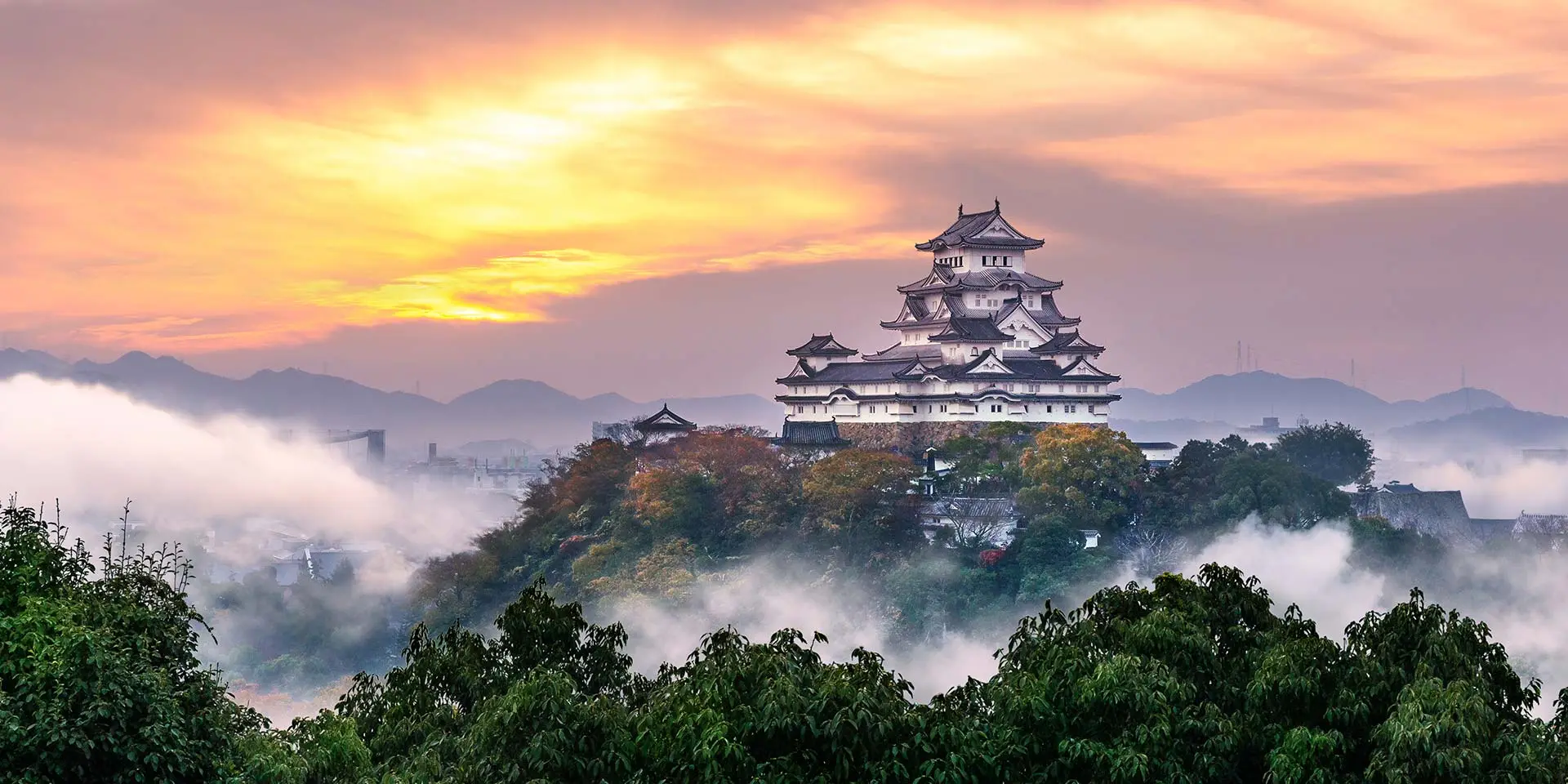
Himeji Castle, Japan
Known as the “White Heron Castle” for its elegant white exterior, Himeji Castle was originally constructed in 1333 and rebuilt extensively in the early 1600s. It served as a defensive fortress during Japan’s feudal wars and remarkably survived World War II bombings and earthquakes. Its complex defensive design, graceful architecture, and pristine condition make Himeji Castle a UNESCO World Heritage Site and a stunning window into Japan’s samurai era.
)
)
)
)
)