7 engineering features that make the B-52 bomber so unique

The B-52 bomber features an eight-engine layout, swivelling landing gear, and downward ejection seats. With a 70,000-pound payload and a USD 48.6 billion digital upgrade, this Cold War marvel remains an unmatched engineering masterpiece.
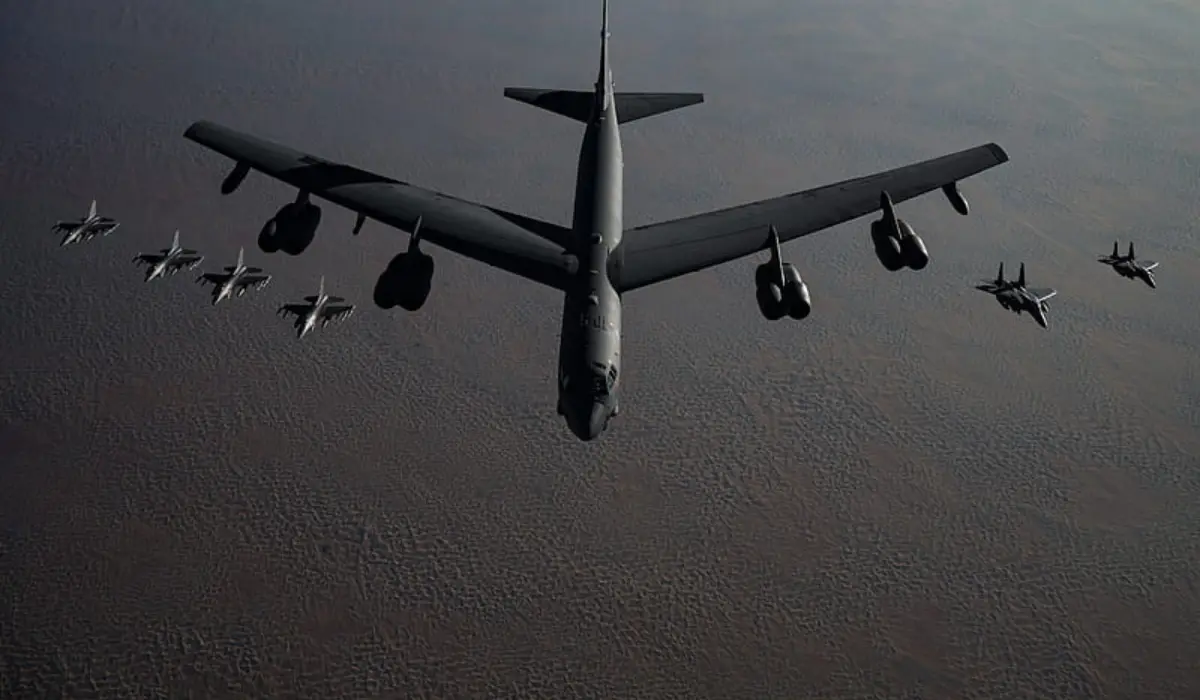
Eight Turbofan Engines
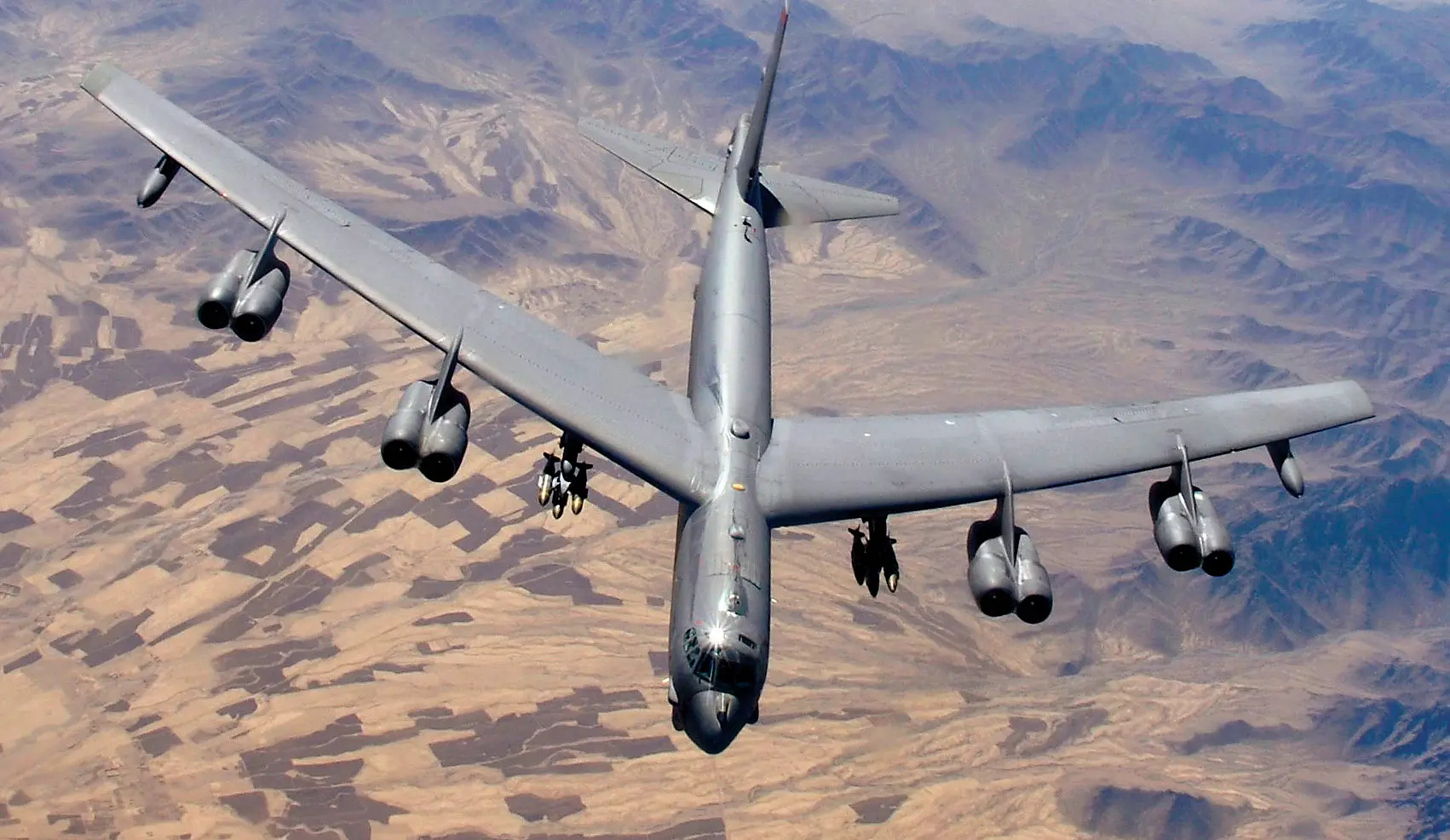
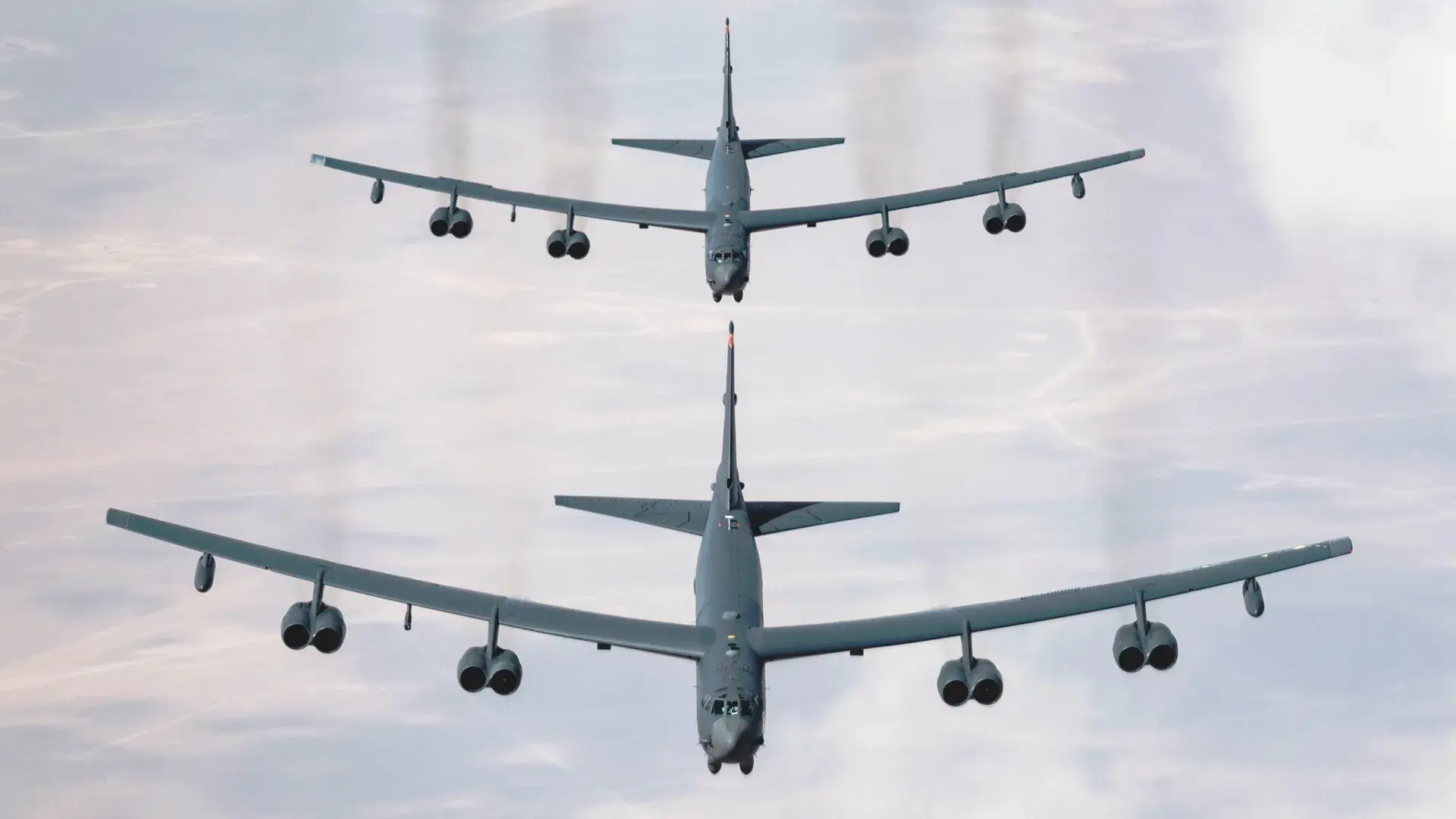
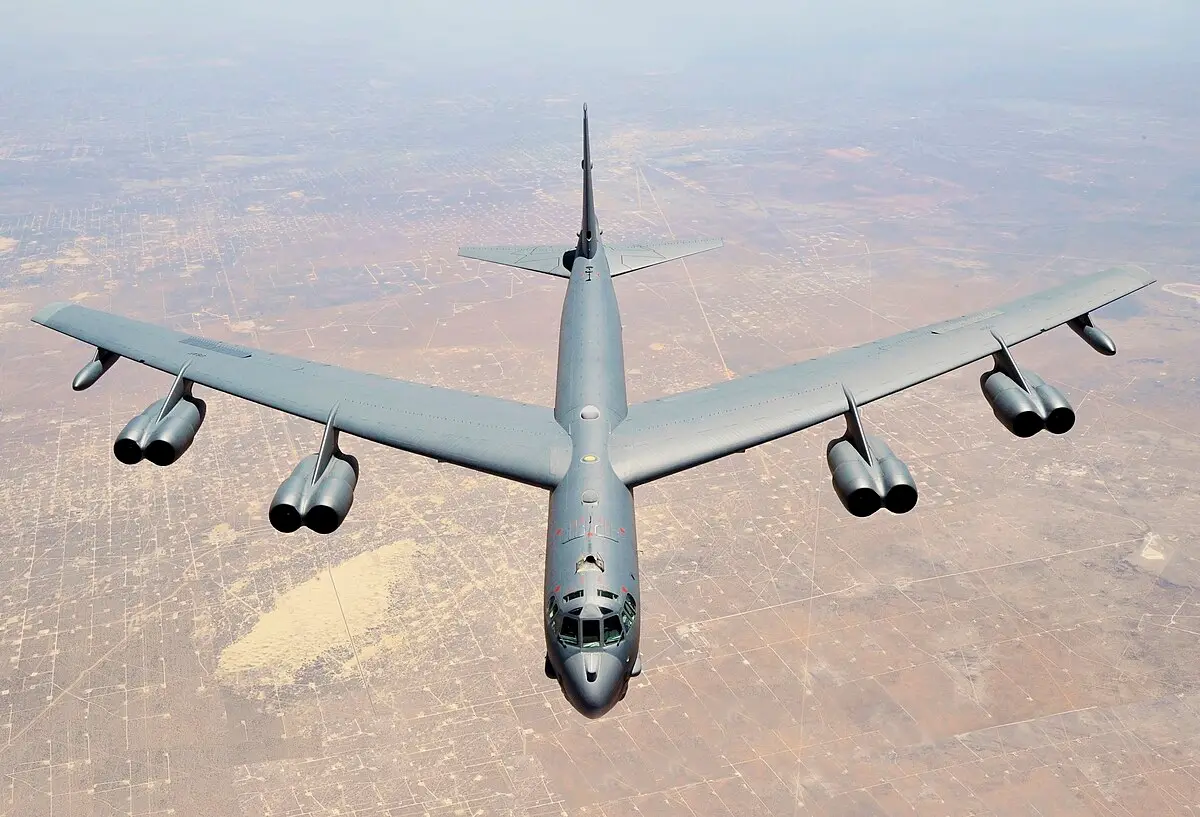
Unlike modern twin-engine or four-engine jets, the Boeing B-52 Stratofortress is powered by an iconic array of eight Pratt & Whitney TF33 turbofan engines. This massive powerplant cluster generates up to 136,000 pounds of combined thrust to lift the heavy bomber into the stratosphere.
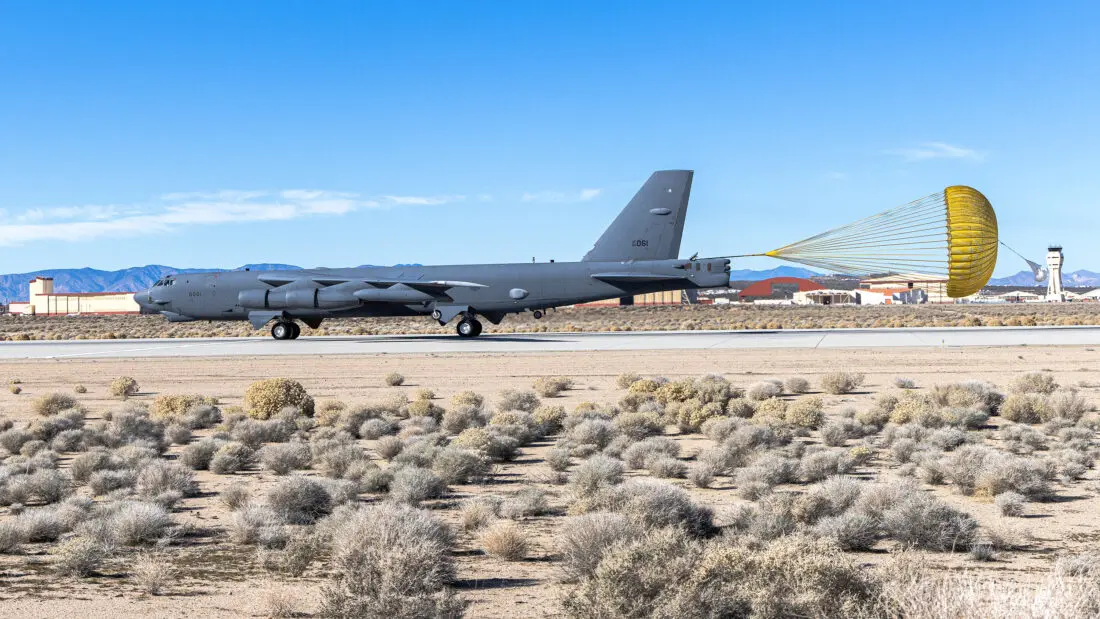
Swivelling Landing Gear
To safely land the massive 185-foot wingspan in heavy crosswinds without dipping a wing, engineers installed a highly unusual swivelling undercarriage. All four main dual-wheel bogies can independently rotate up to 20 degrees, allowing the massive aircraft to touch down while crabbed completely sideways.
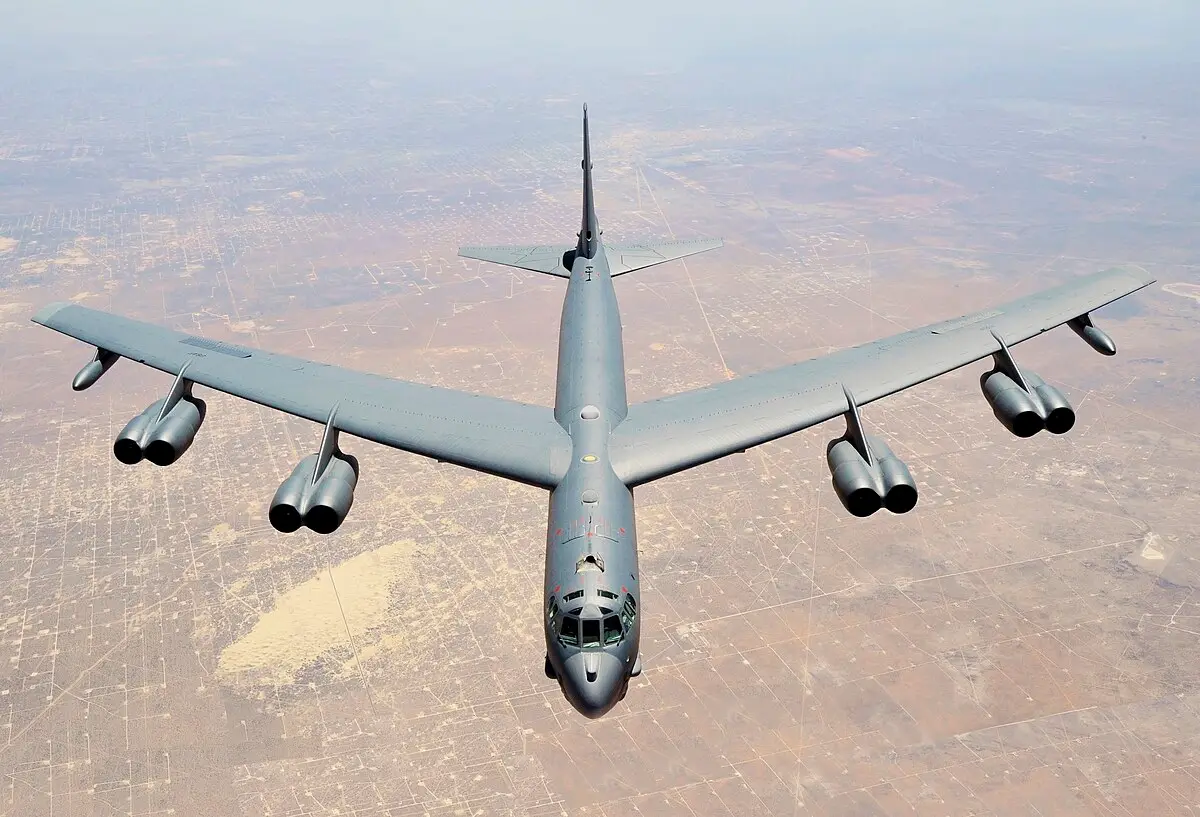
Wingtip Outrigger Wheels
Because the eight main tyres are positioned directly down the centreline in a bicycle layout, the bomber requires vital lateral support. Specialised outrigger wheels are installed near the wingtips to prevent the fuel-heavy wings from scraping the concrete when they physically flex downward by up to 12 feet.
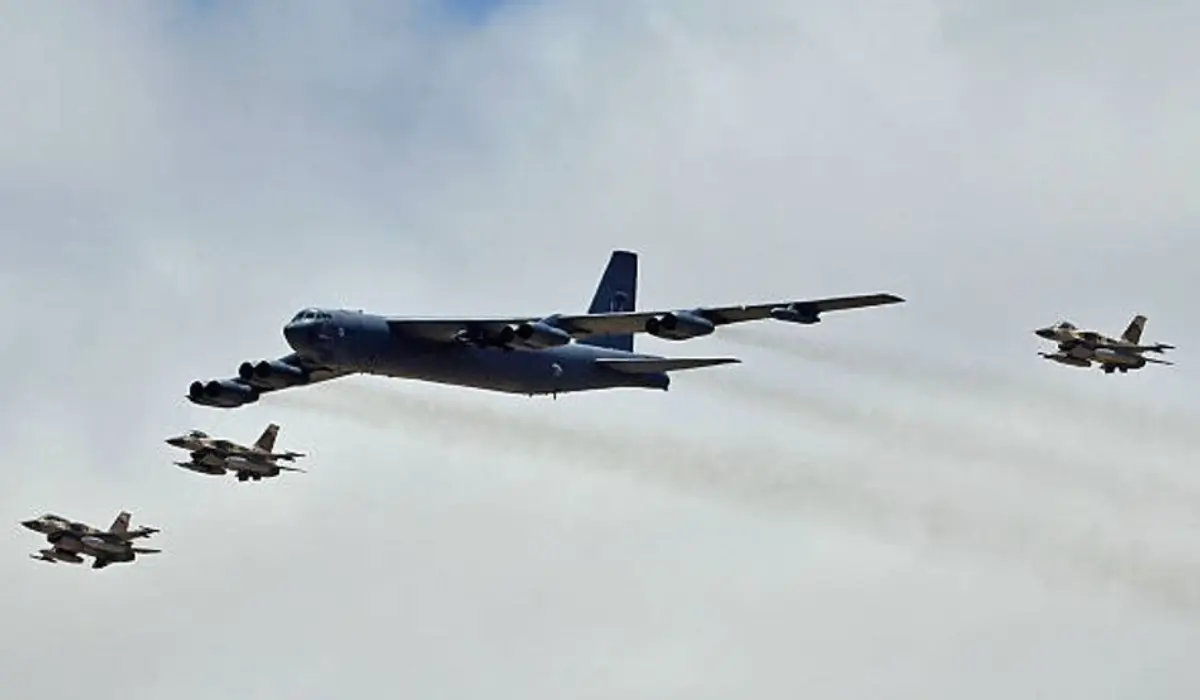
Multi-Directional Ejection
The vintage bomber utilises one of the most complex mechanical escape systems in military aviation to protect its five-person crew. While the pilots and electronic warfare officer blast upwards through the roof hatches, the lower-deck navigators are fired straight down through explosive doors in the belly.
A Colossal Payload Bay
Operating as the ultimate standoff weapons truck, the aircraft features an immense internal weapons bay and heavy external pylons. This extreme structural capacity allows a single B-52 to comfortably carry a staggering 70,000-pound payload of conventional bombs, precision cruise missiles, and advanced hypersonic weapons.
Built for Global Endurance
The heavy bomber is physically engineered to execute record-breaking combat missions lasting over 40 continuous hours without ever landing. To sustain the isolated crew during these marathon global flights, the cramped fuselage features a single fold-down bunk, a basic chemical toilet, and a small inflight oven.
The B-52J Digital Backbone
The Pentagon is currently executing a massive USD 48.6 billion modernisation programme to transition the active fleet into the highly advanced B-52J variant. By installing modern Rolls-Royce F130 commercial engines, a fighter-grade AESA radar, and a digital glass cockpit, this Cold War giant will safely serve into the 2050s.
)
)
)
)
)