7 design angles of the Su-57 fighter jet that maximise stealth

Russia’s Su-57 Felon uses angled edges, serrated panels, hidden engines, retractable sensors and radar-absorbing materials to reduce its radar signature. Its design scatters signals in unexpected directions.
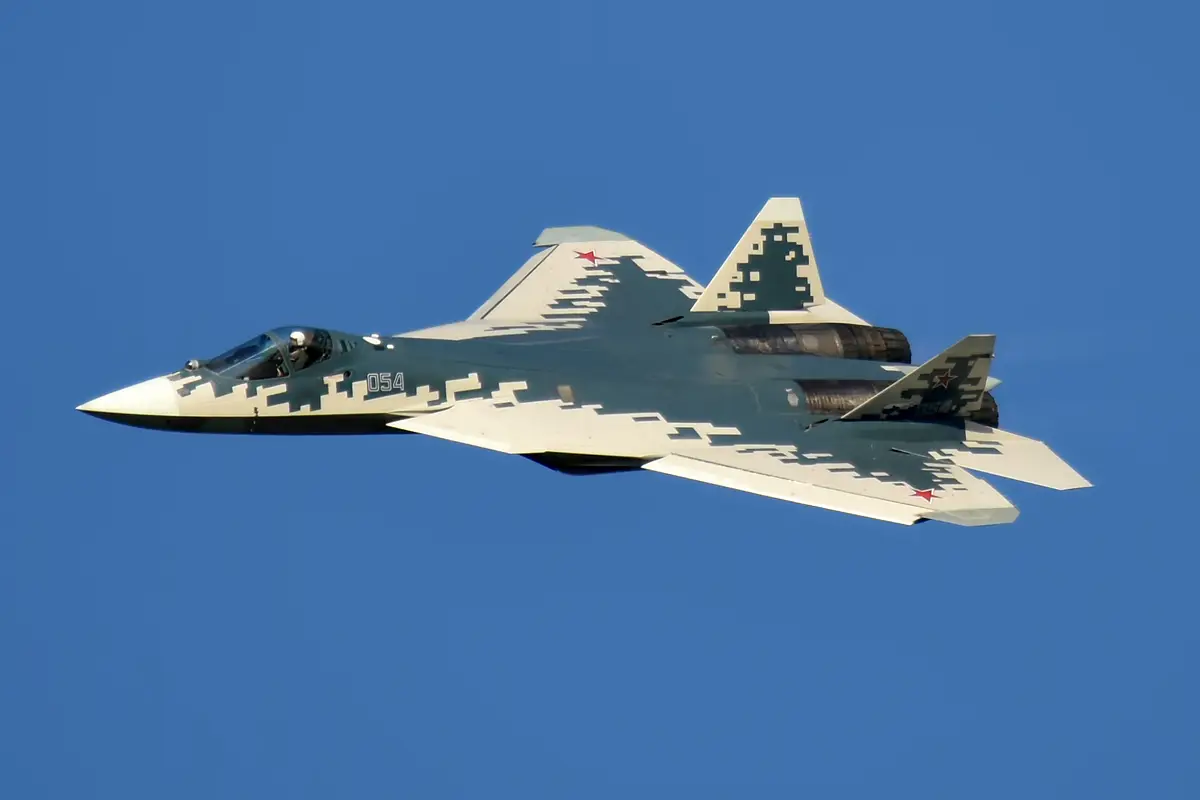
Russia's Su-57 Felon: Engineering Invisibility Through Design
The Su-57 Felon is Russia's stealth fighter jet. It uses special shapes and materials to avoid radar detection. According to Sukhoi's specifications, the Su-57 targets a radar cross-section between 0.1 and 1 square metre. This makes it about thirty times harder to detect than Russia's older Su-27 fighter. Every angle and surface serves a purpose. The jet uses seven main design techniques working together to scatter radar waves away from enemy sensors.
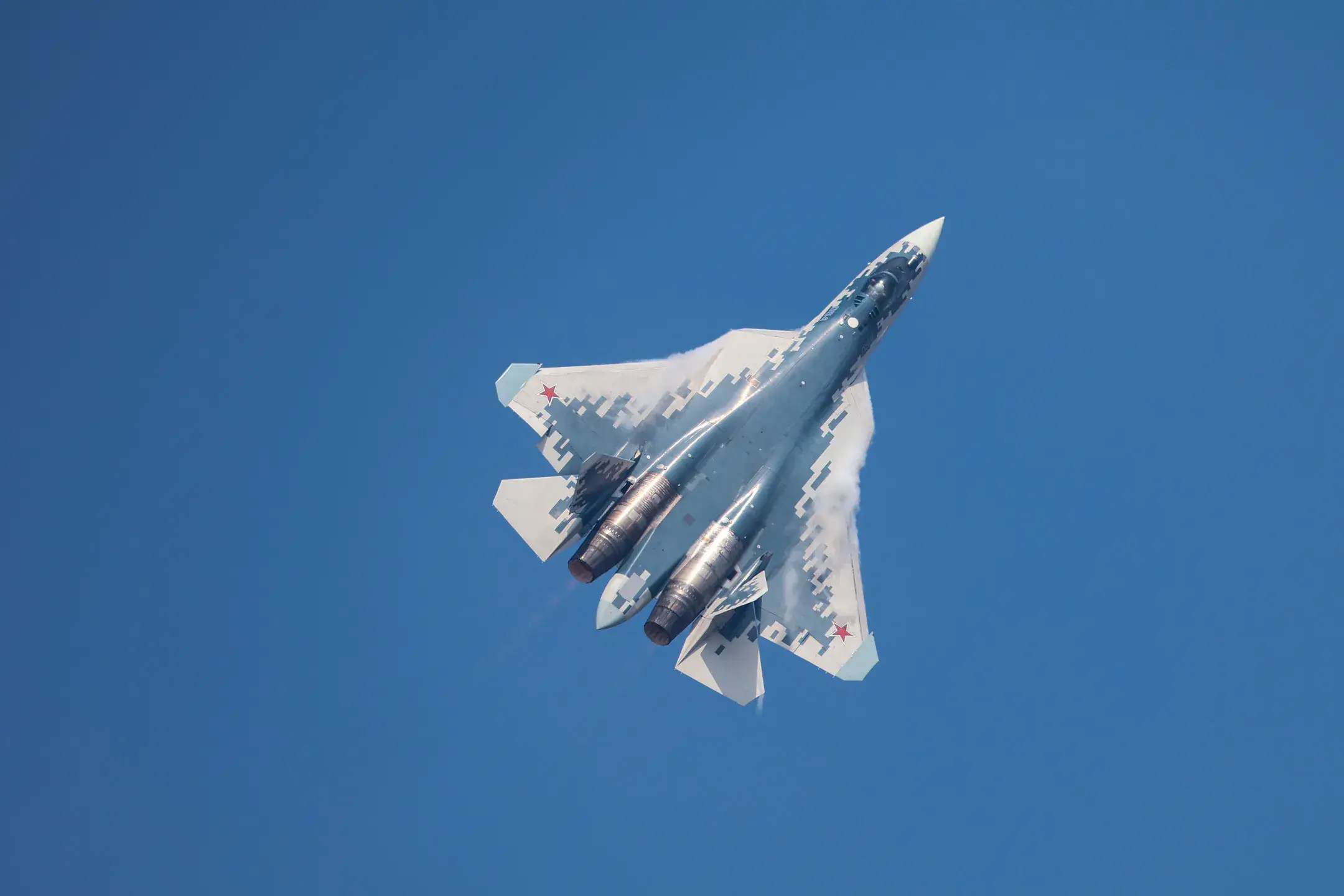
How Carefully Angled Edges Fool Radar Signals
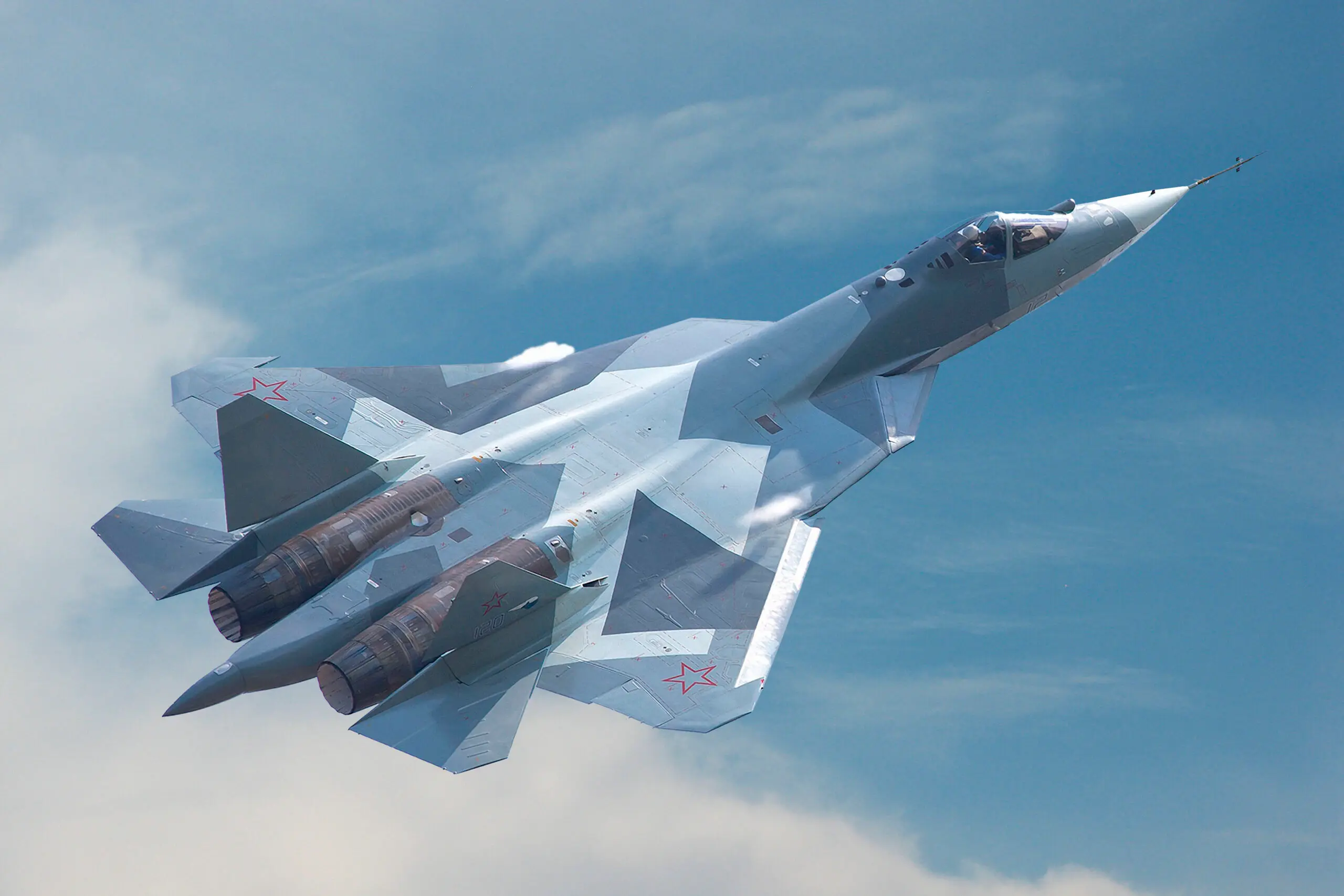
The Su-57's edges are carefully angled, not curved like traditional fighters. This is called planform edge alignment. When radar waves hit angled surfaces, they scatter in many directions instead of bouncing straight back. The edges on wings, control surfaces, and fuselage are positioned at specific angles. Defence reports show this alignment is particularly effective when enemy radar tries to detect the aircraft from the front. This technique came from American stealth jet design.
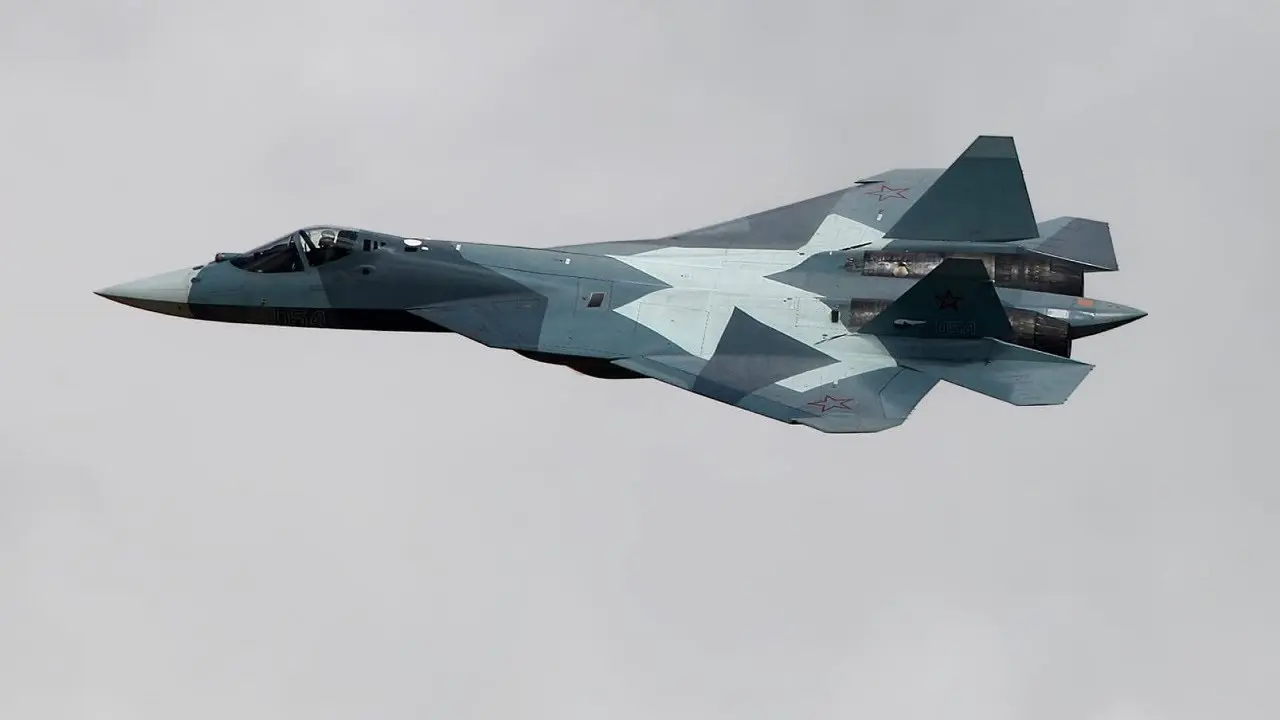
The Sawtooth Pattern That Breaks Radar Waves
The Su-57's skin has serrated edges that look like tiny teeth. This jagged pattern breaks radar waves into smaller pieces. When waves hit these serrated panels, they scatter instead of reflecting clearly. Russia coats these panels with radar-absorbing materials for extra protection. The combination works well together. About 70 per cent of the Su-57 uses carbon fibre mixed with titanium alloys. This material is light, strong, and holds radar-absorbing coatings effectively.
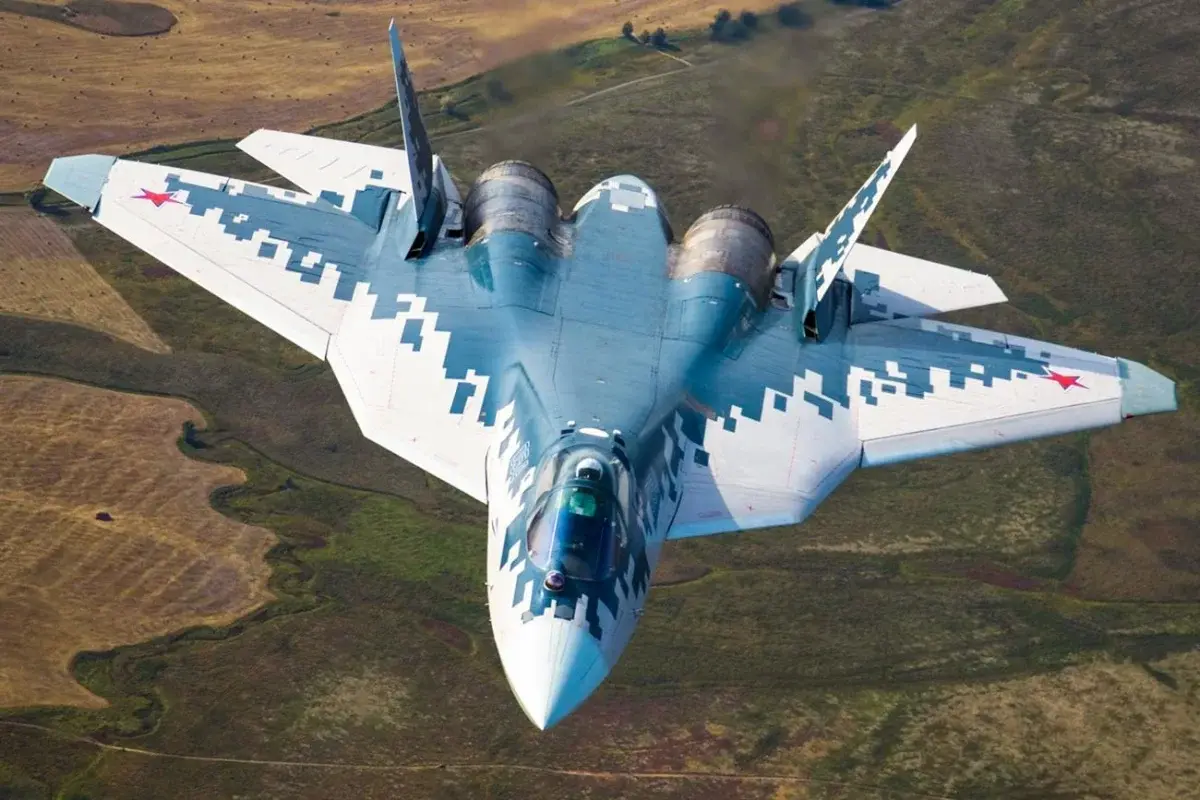
Special Grilles Hide the Engine from Radar Detection
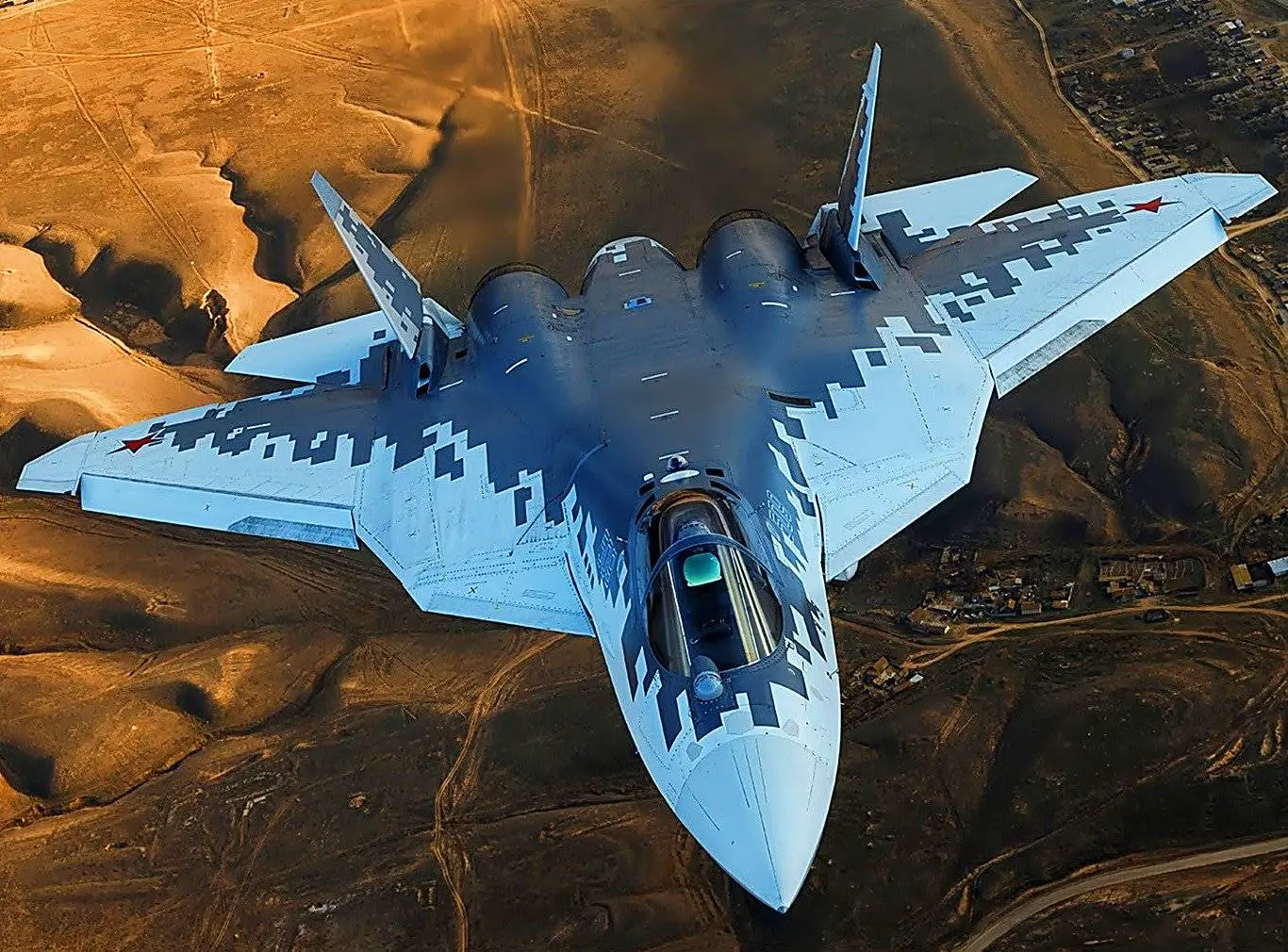
The engine intake is a major challenge for stealth designers because engine fans reflect lots of radar. The Su-57 has a coaxial radial grille made of radar-absorbing material inside the air intake. This grille stops radar waves from reaching the engine blades. Russian defence documents show this reduces cockpit radar reflection by about 30 per cent. The intake also uses a serpentine duct design that curves inside, forcing radar waves to bounce multiple times.
The Nose Sensor That Disappears When Not Needed
The Su-57 has an infrared search and track sensor on its nose to detect enemy aircraft heat signatures. In newer production models, this sensor retracts backwards when not in use. When retracted, the rear is covered with radar-absorbing material, keeping the aircraft's frontal radar signature low. This infrared capability lets pilots find enemy jets without using radar, helping them stay hidden from detection.
Weapons Stored Inside to Maintain Stealth Protection
Traditional fighters carry missiles and bombs under their wings, creating radar reflections. The Su-57 stores all weapons internally inside the aircraft's body. This internal arrangement means the aircraft looks identical to radar whether fully armed or not. The weapons bay doors are angled to scatter radar waves. When closed, they blend with the stealth design. Only brief exposure happens when firing weapons, giving enemy radar minimal detection time.
Special Coatings That Eat Up Radar Energy
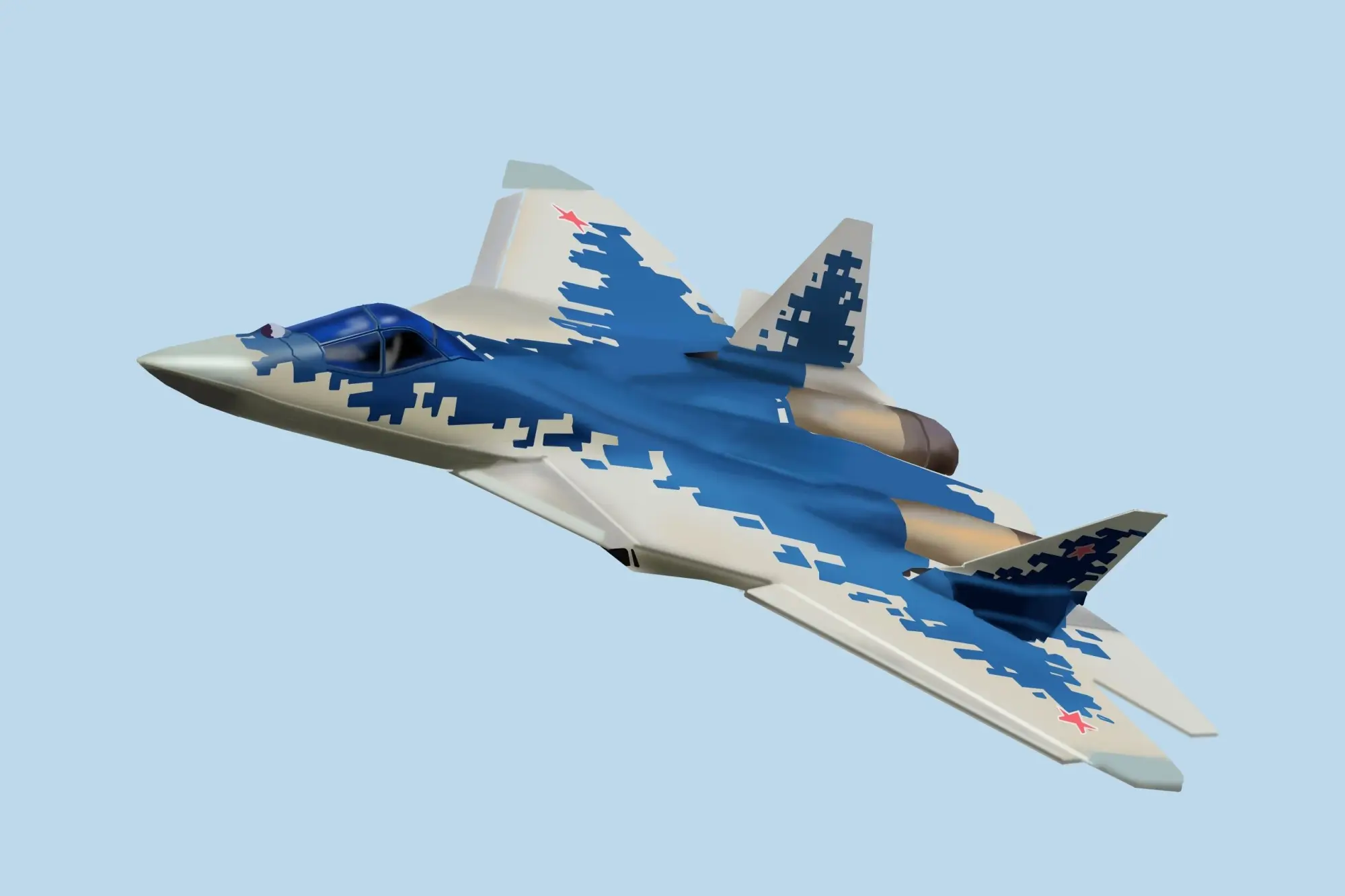
Radar-absorbing materials, called RAM, convert radar energy into heat instead of reflecting it back. The Su-57 uses these coatings across its entire surface, especially on air intakes and engine panels. Technical reports show the RAM absorbs minus 8 decibels at 8.15 gigahertz frequency. Russia states these materials reduce radar return by 30 per cent compared to earlier versions. Combined with geometric design, RAM creates multi-layered radar defence for the aircraft.
)
)
)
)
)