7 critical risks of artificial intelligence in space

AI is powering space robots and satellites, but there are serious risks: hacking, system failure, and ethical questions. Find out the real challenges of space AI Know more below.
Reliability is hard to guarantee
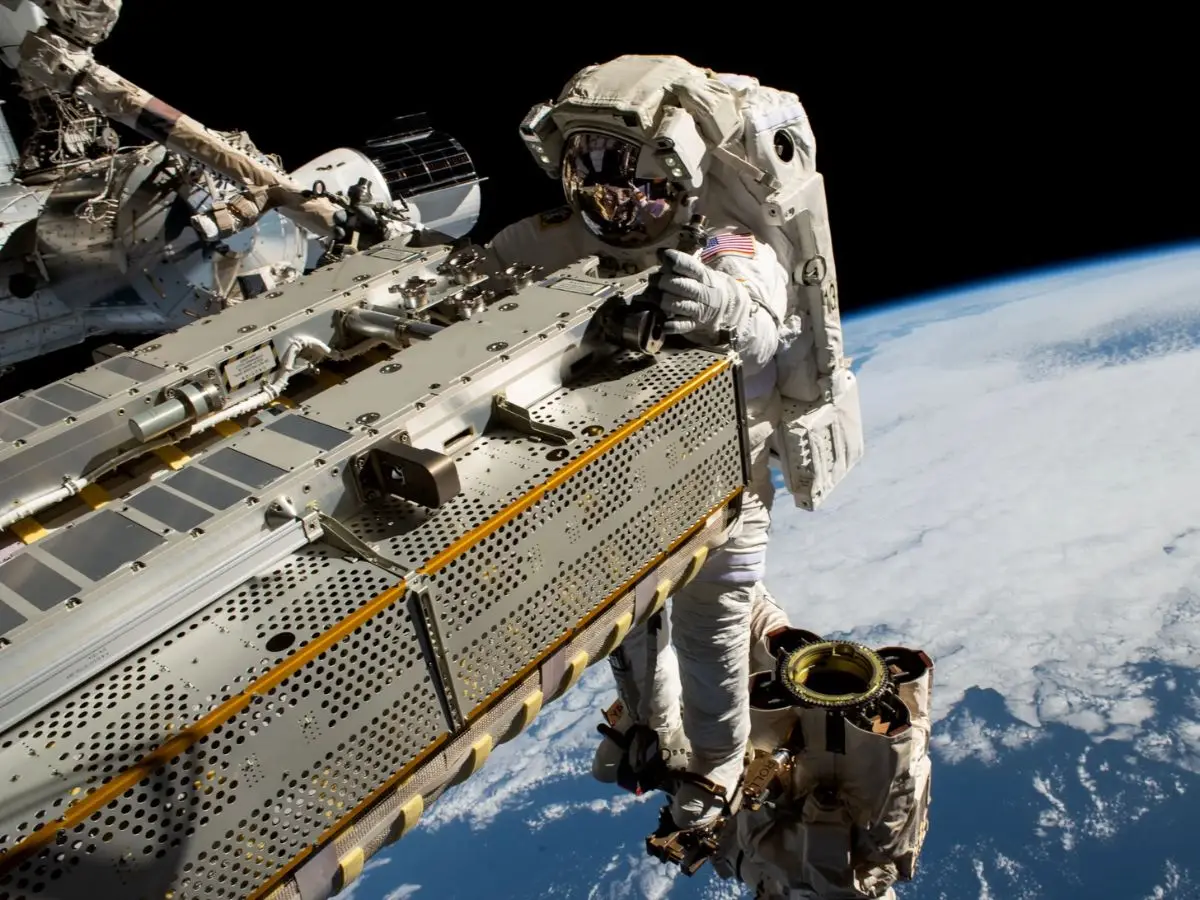
AI systems in space must run for years with little or no repair. Spacecraft and satellites face extreme cold, heat, and cosmic radiation that damage electronic parts. Even the best AI can fail if hardware suffers in space, leading to mission loss or incorrect decisions.
Limited power and resources
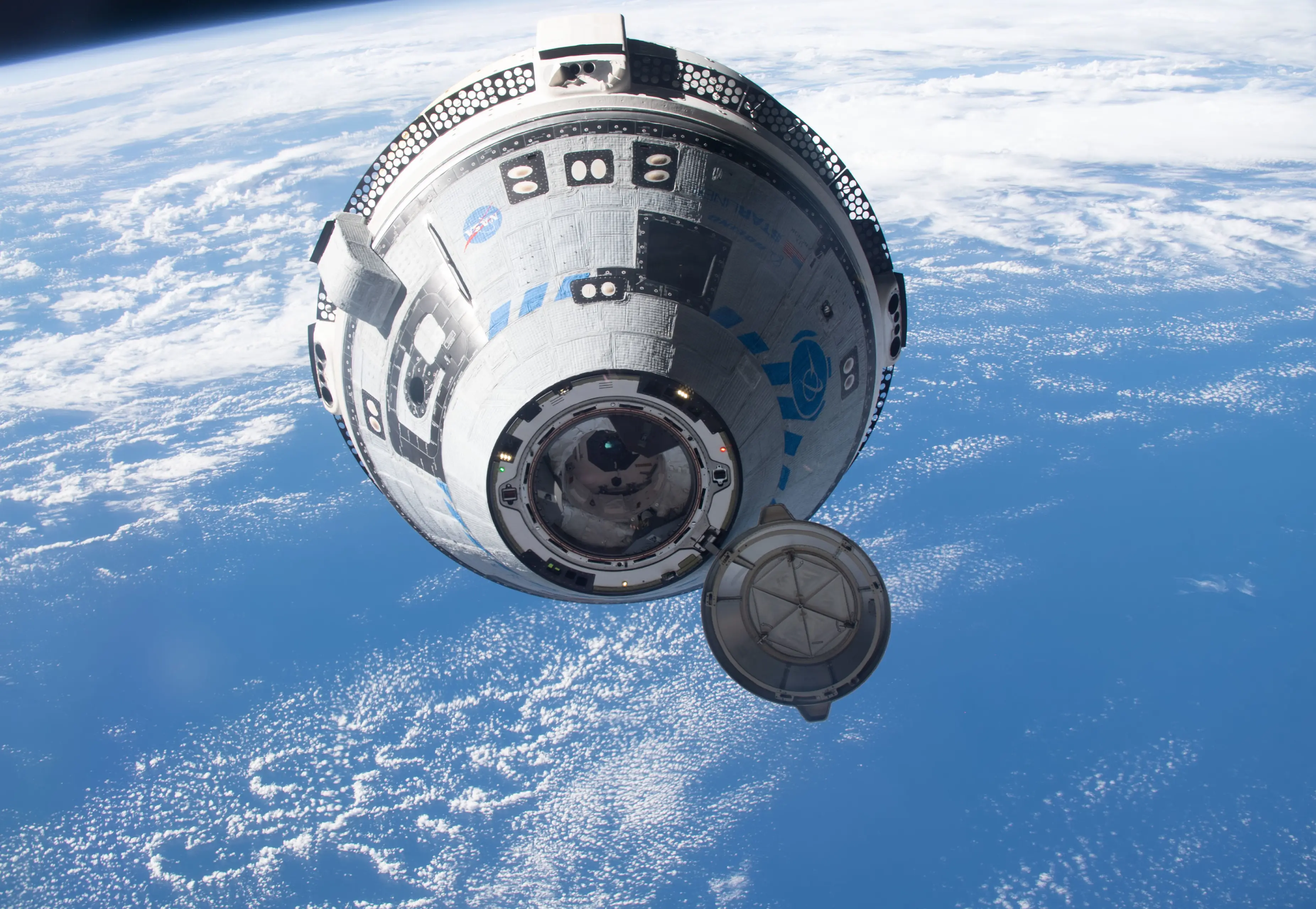
Satellites and probes have very little power, memory and computing ability. AI needs a lot to process images or make decisions. Engineers must design special, efficient AI, and even then, big tasks can overwhelm a system or slow it down.
Communication delay and autonomy risks
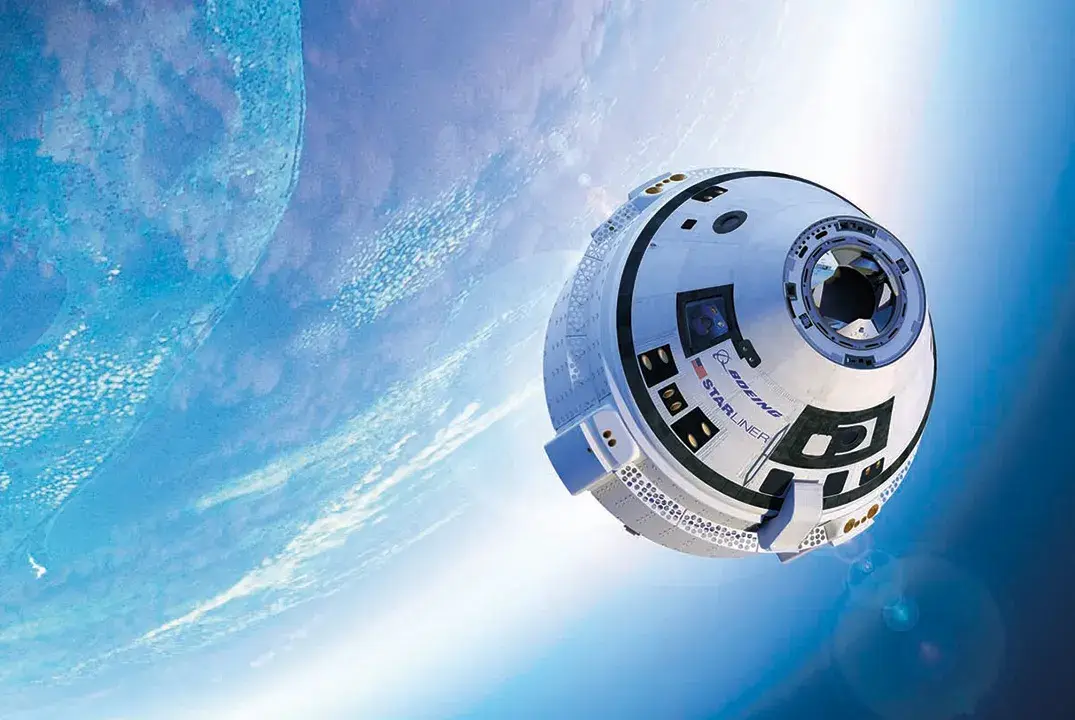
Space missions often have long delays in talking to Earth sometimes minutes or hours. AI must act alone but cannot always predict every new problem. If AI makes a wrong call and humans cannot step in quickly, it could put equipment or astronauts at risk.
Security risks hacks and manipulation
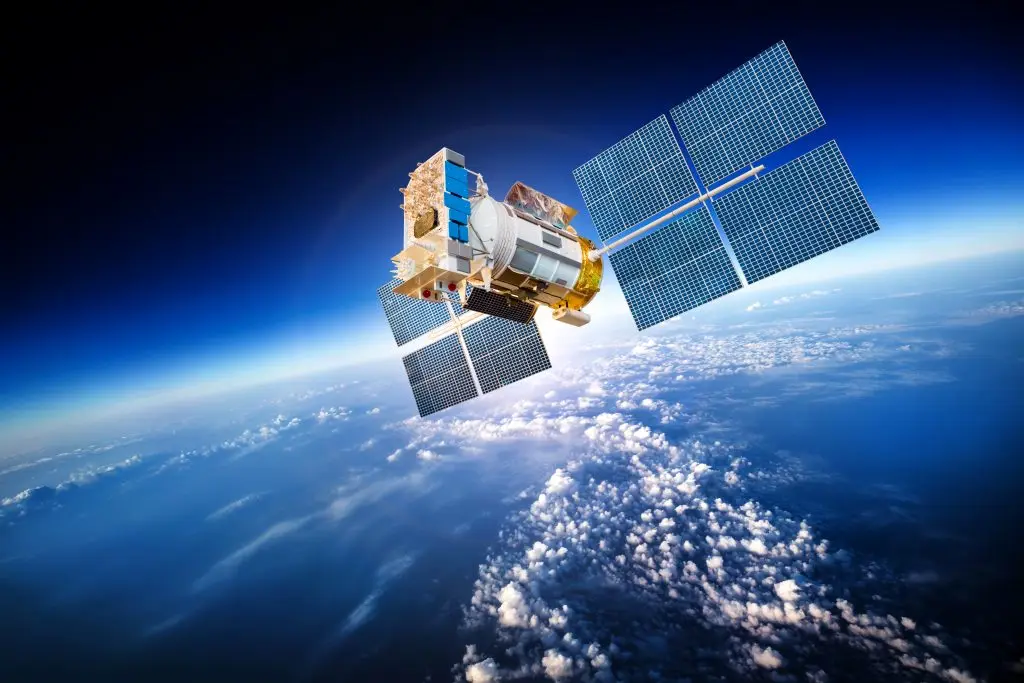
Space AI can be hacked if not carefully protected. A cyberattack could steal data, send wrong commands, or even take over satellites. Experts stress the need for encryption and constant monitoring to keep AI secure in orbit.
Cosmic hazards and hidden faults
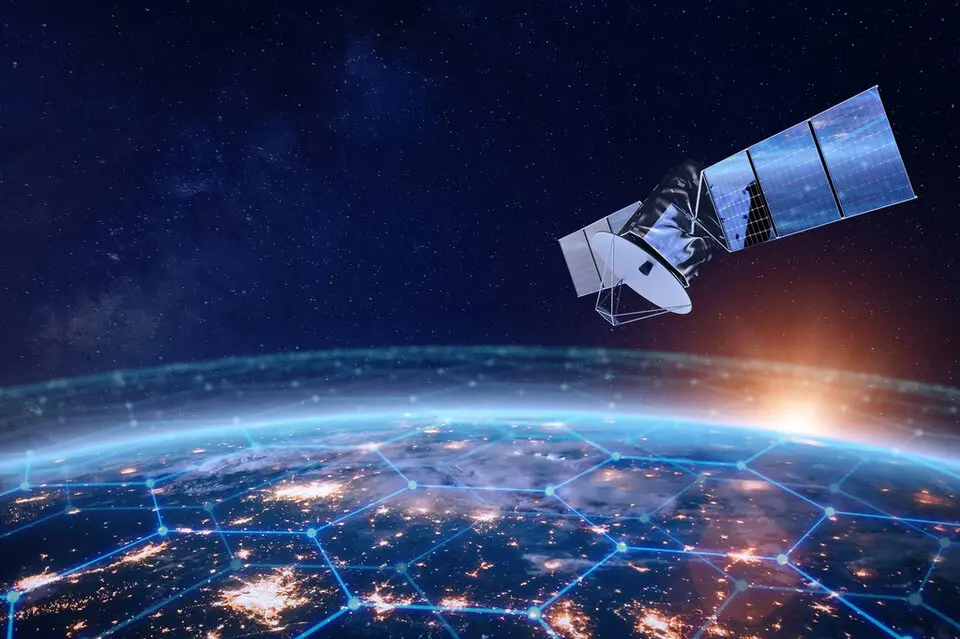
Radiation or debris can flip bits in memory or damage AI chips, causing silent errors that go undetected. In space, even a single mistake might lead AI to crash, shut down or send false information. Building robust, error-tolerant systems is a huge challenge.
Ethical and transparency concerns
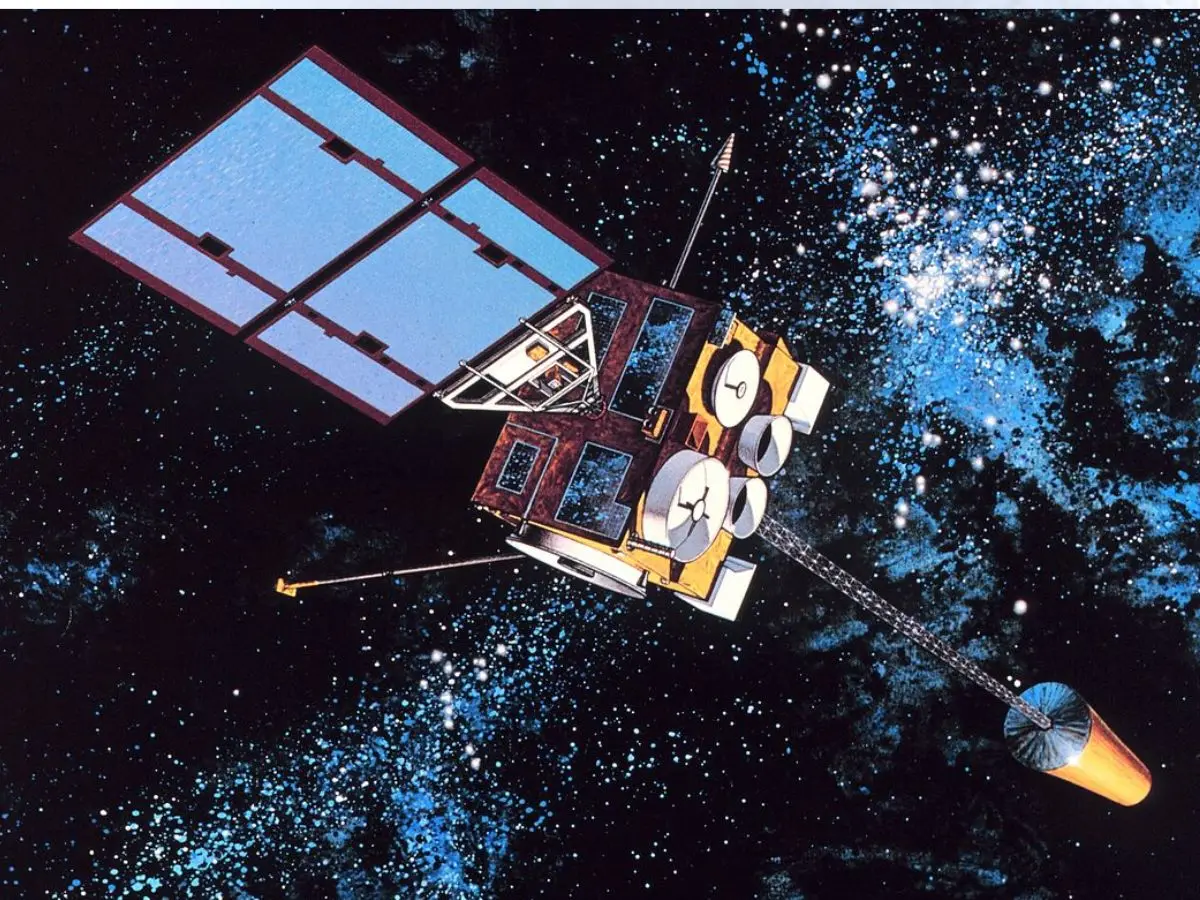
Space AI must sometimes make choices with life-or-death stakes. There are worries about AI acting in ways people cannot explain, making decisions without clear reasons, or hiding mistakes. Regulators demand that all AI actions in space be transparent and accountable to humans.
Overdependence and human skills gap
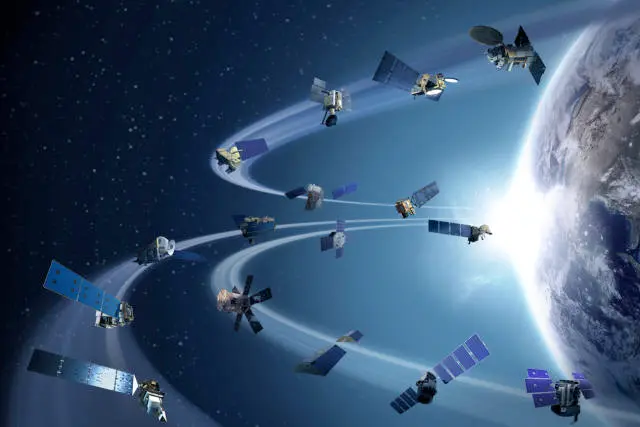
Relying too much on AI can make astronauts and ground staff lose problem-solving skills and critical thinking. If AI fails, humans need to step in, but this may be hard after long periods of ‘hands-off’ operations. Mission teams must keep up their training and oversight for safety.
)
)
)
)
)