7 countries that have tanks but no roads to drive them

Several countries maintain tanks as a deterrent or ceremonial presence, but challenging terrains or underdeveloped infrastructure mean these weapons are rarely used in practical military operations.
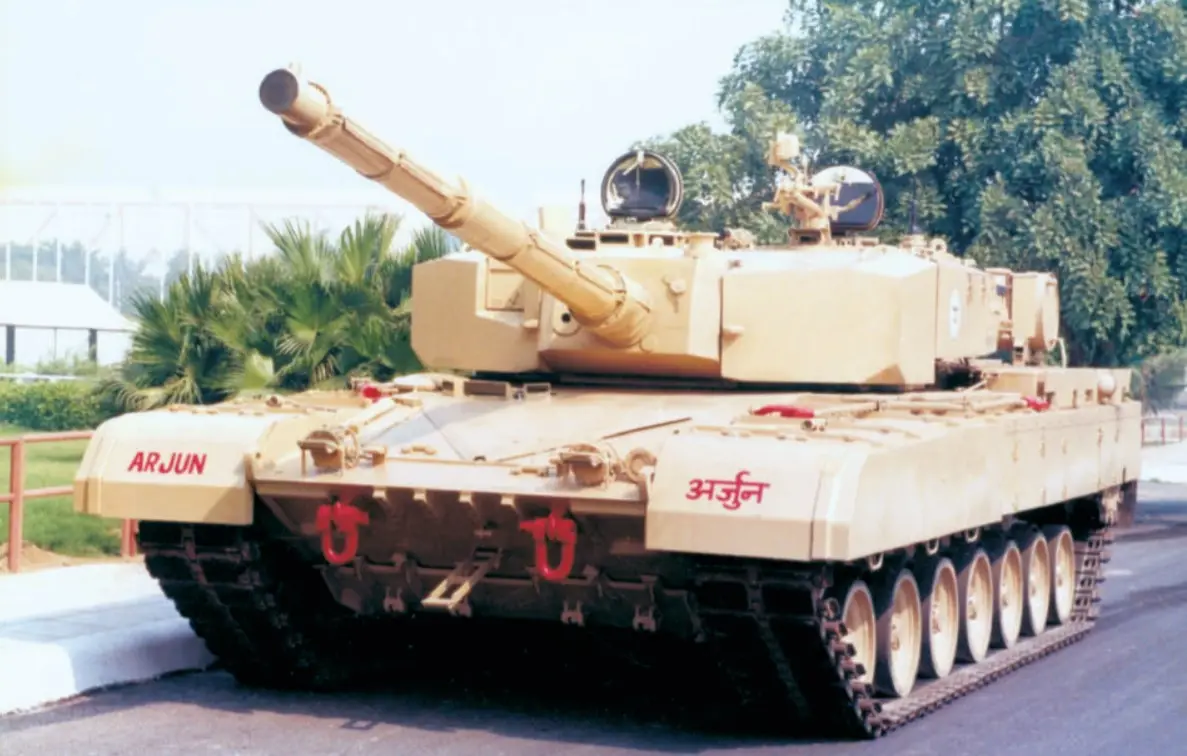
Bhutan – Tanks in the Mountains
Bhutan possesses a small fleet of armored vehicles, including tanks, primarily for defense against potential threats. However, the country’s rugged Himalayan terrain and limited road infrastructure mean these tanks are rarely deployed in practice. They mainly serve as a symbolic deterrent.
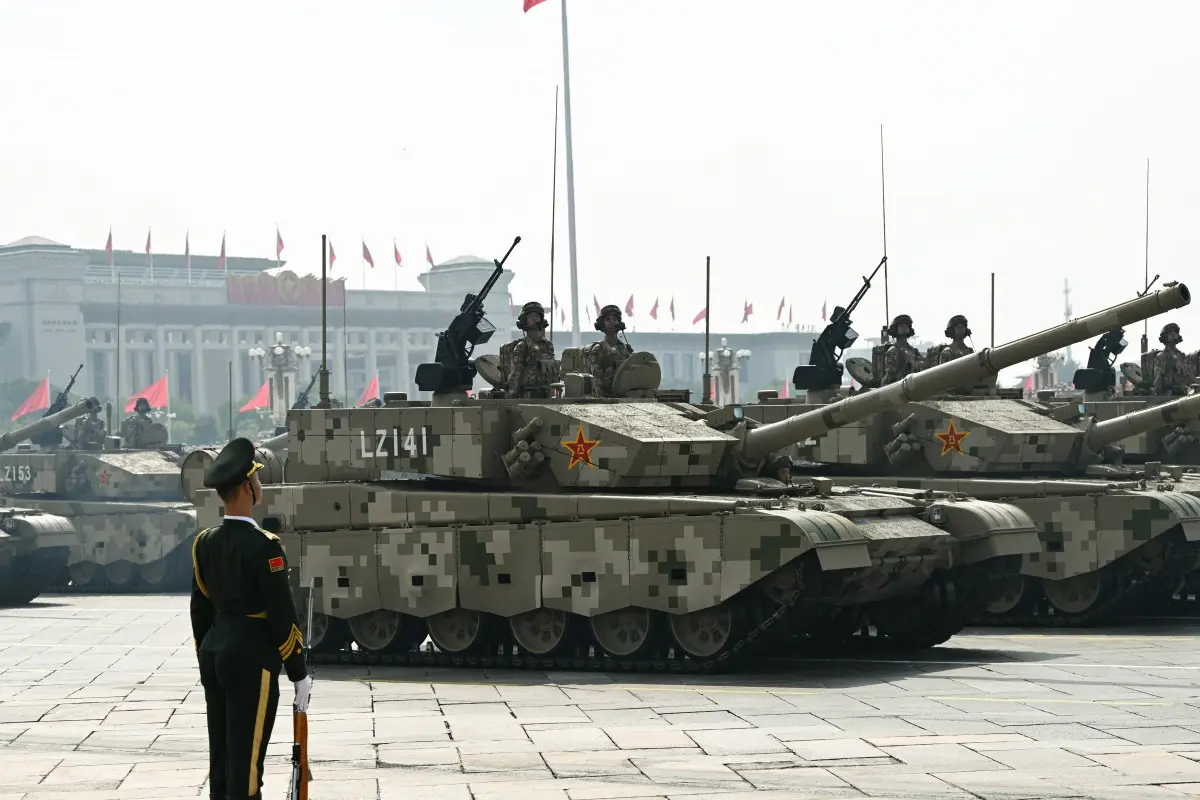
Nepal – Tanks Amidst Hills
Nepal’s army owns tanks for border security purposes, but steep hills and narrow mountain passes make traditional tank maneuvers almost impossible. The armored units are mostly stationed near plains regions and used in ceremonial or strategic defensive roles.
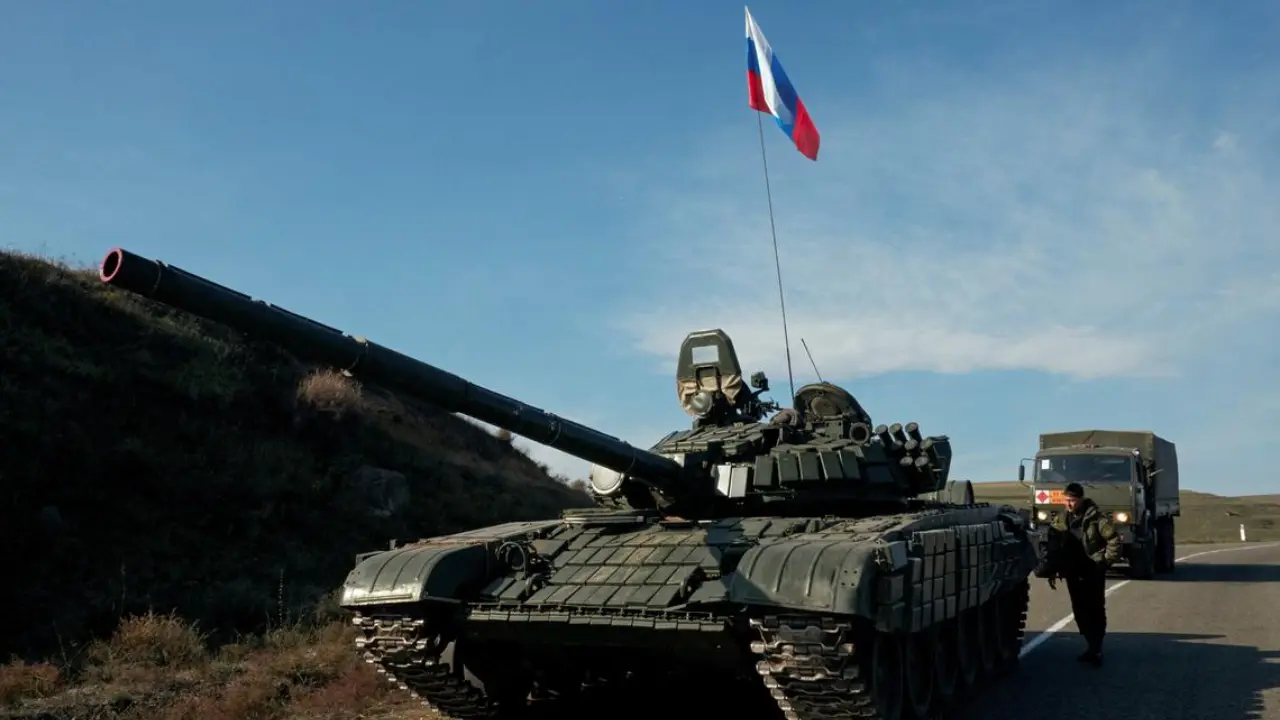
Lesotho – Tanks Without Roads
Lesotho, a landlocked country in southern Africa, has tanks but lacks extensive paved roads for effective deployment. Its mountainous geography forces the military to rely on infantry and light vehicles for most operations.
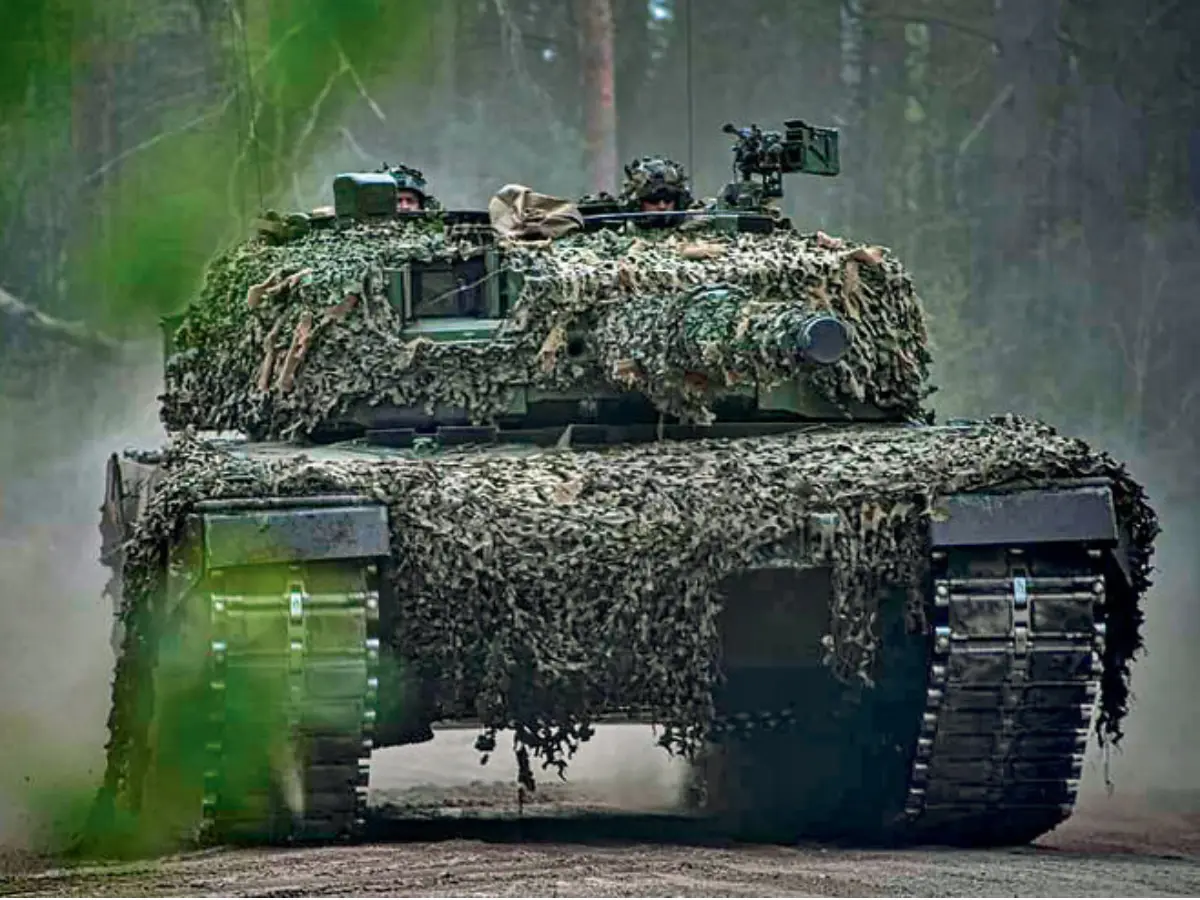
Switzerland – Tanks in Alpine Terrain
Switzerland maintains tanks for national defence, but its Alpine terrain restricts large-scale tank movement. Many armoured units are stored in bunkers or positioned strategically to control key passes rather than for active deployment.
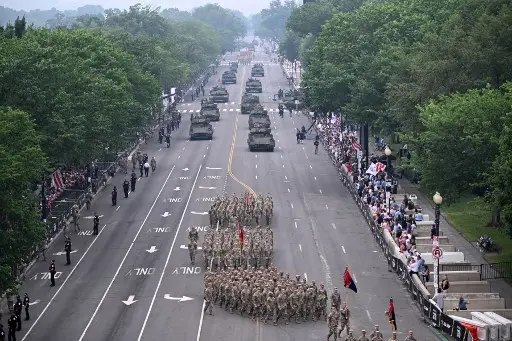
Haiti – Tanks Amid Poor Infrastructure
Haiti has acquired tanks for its military, yet decades of underdeveloped infrastructure and limited roads in rural areas prevent practical tank deployment. Tanks often remain in military bases without seeing field action.
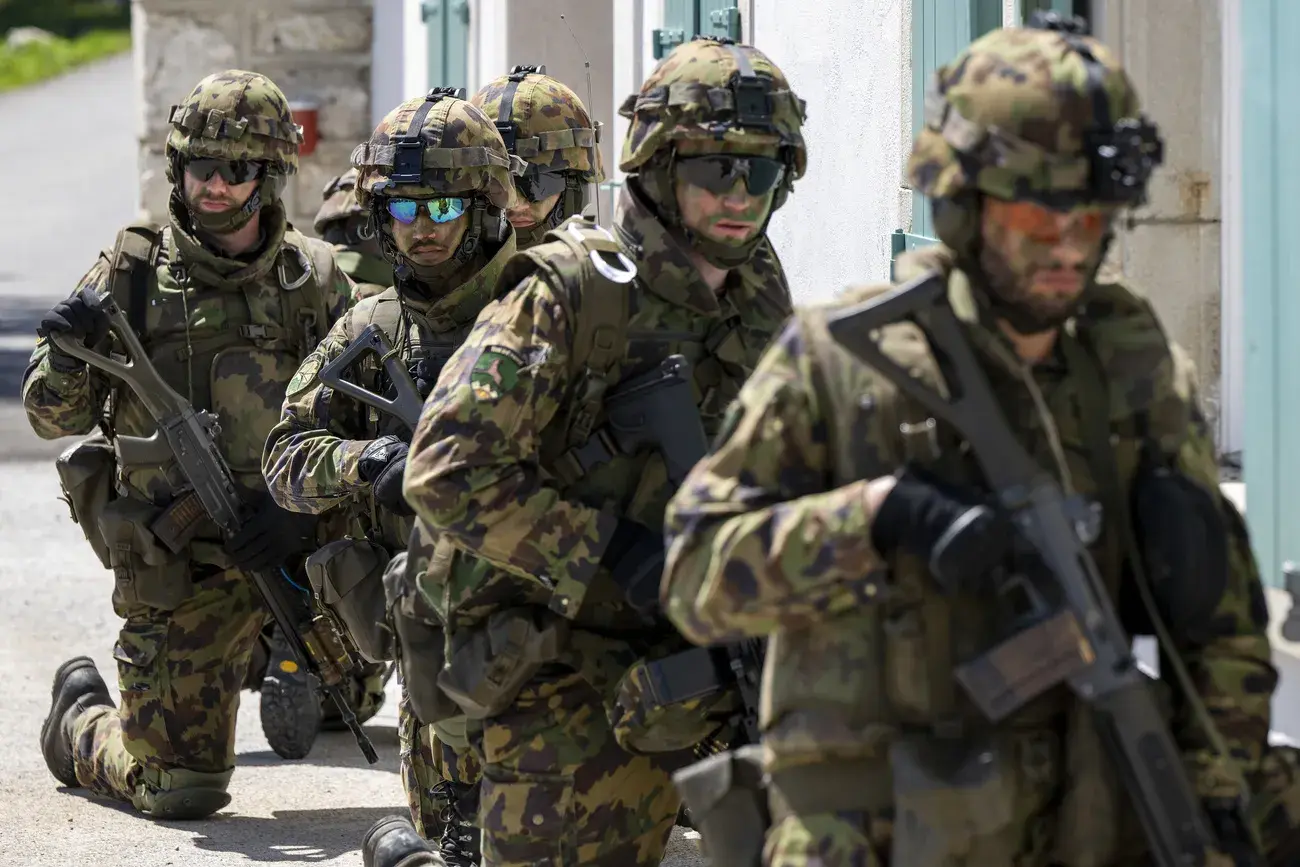
Bhutanese Border Regions – Symbolic Deterrence
In addition to Bhutan’s main fleet, certain remote border regions hold a few tanks. These are largely symbolic, signaling defense capability rather than serving a functional role due to a lack of drivable terrain.
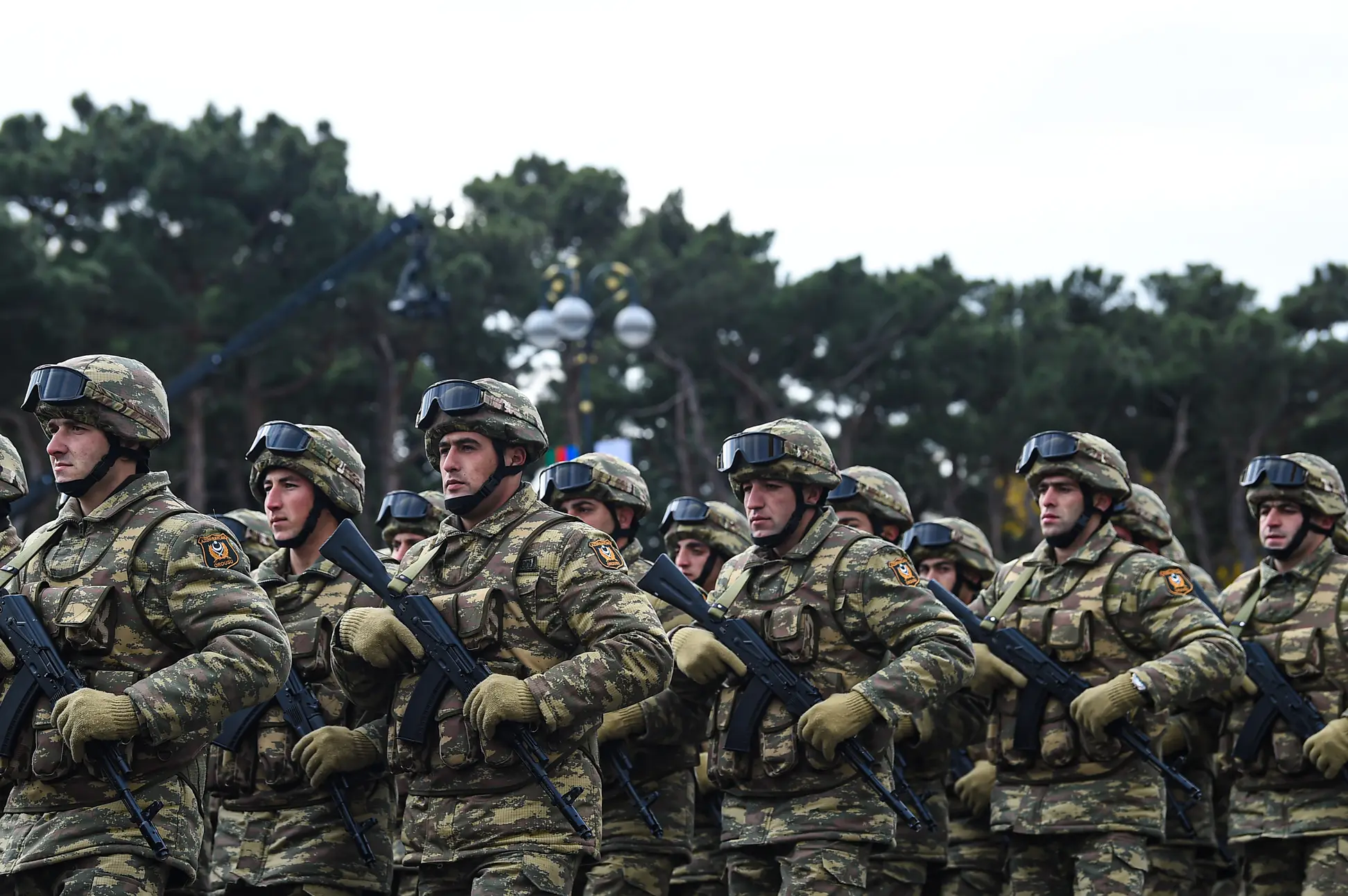
Papua New Guinea – Tanks in Jungle Terrain
Papua New Guinea possesses a few armored vehicles, but dense forests and limited road networks prevent operational use. Tanks are often restricted to military compounds or ceremonial displays rather than active field operations.
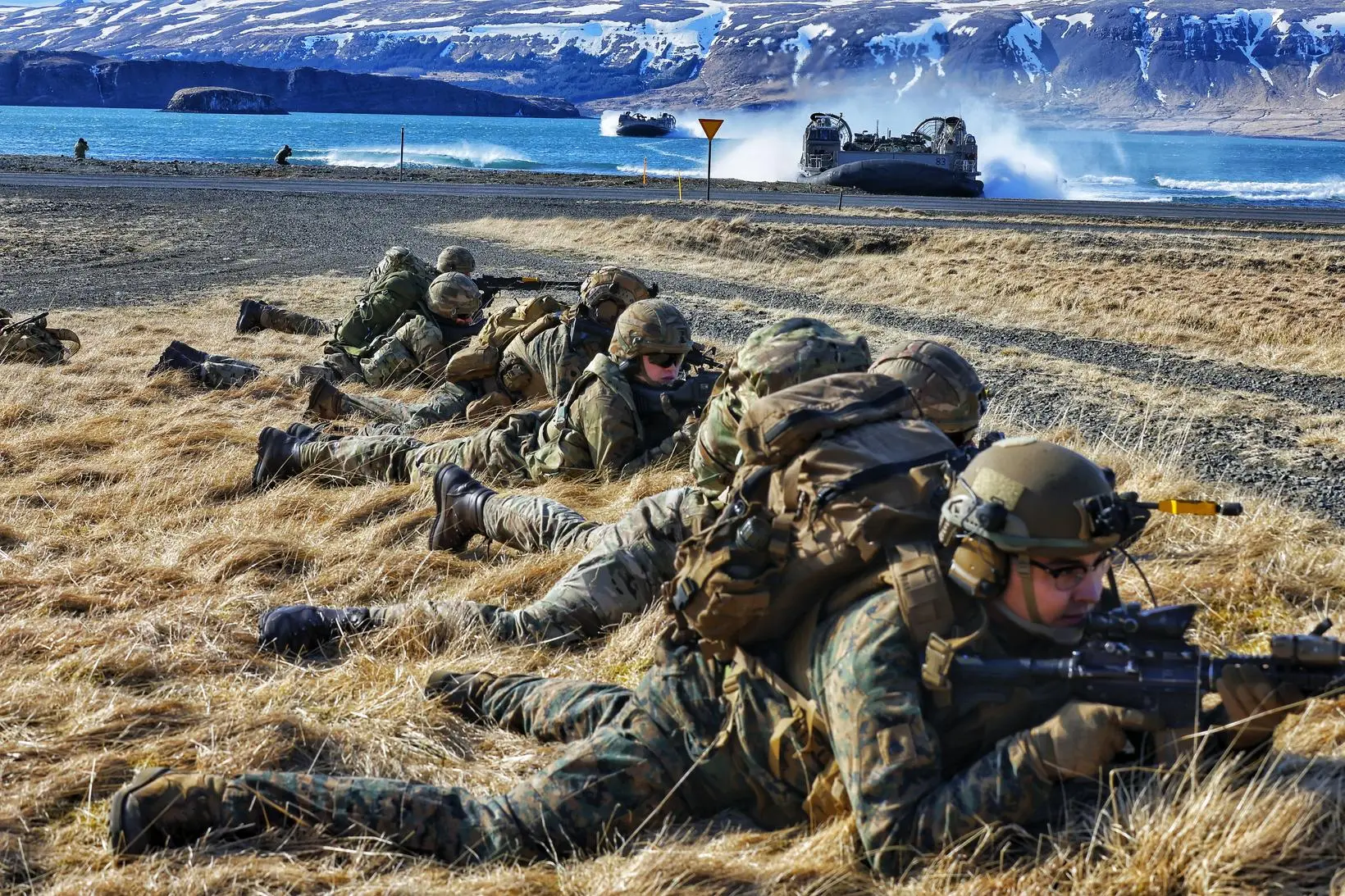
Summary
Several countries maintain tanks as a deterrent or ceremonial presence, but challenging terrains or underdeveloped infrastructure mean these weapons are rarely used in practical military operations. This highlights the contrast between military equipment possession and real-world deployability.
)
)
)
)
)