7 countries that don’t own a single fighter jet. Here’s why

Their airspace remains unpatrolled by high-speed jets, yet their sovereignty and safety are maintained through careful planning and international cooperation.
Introduction
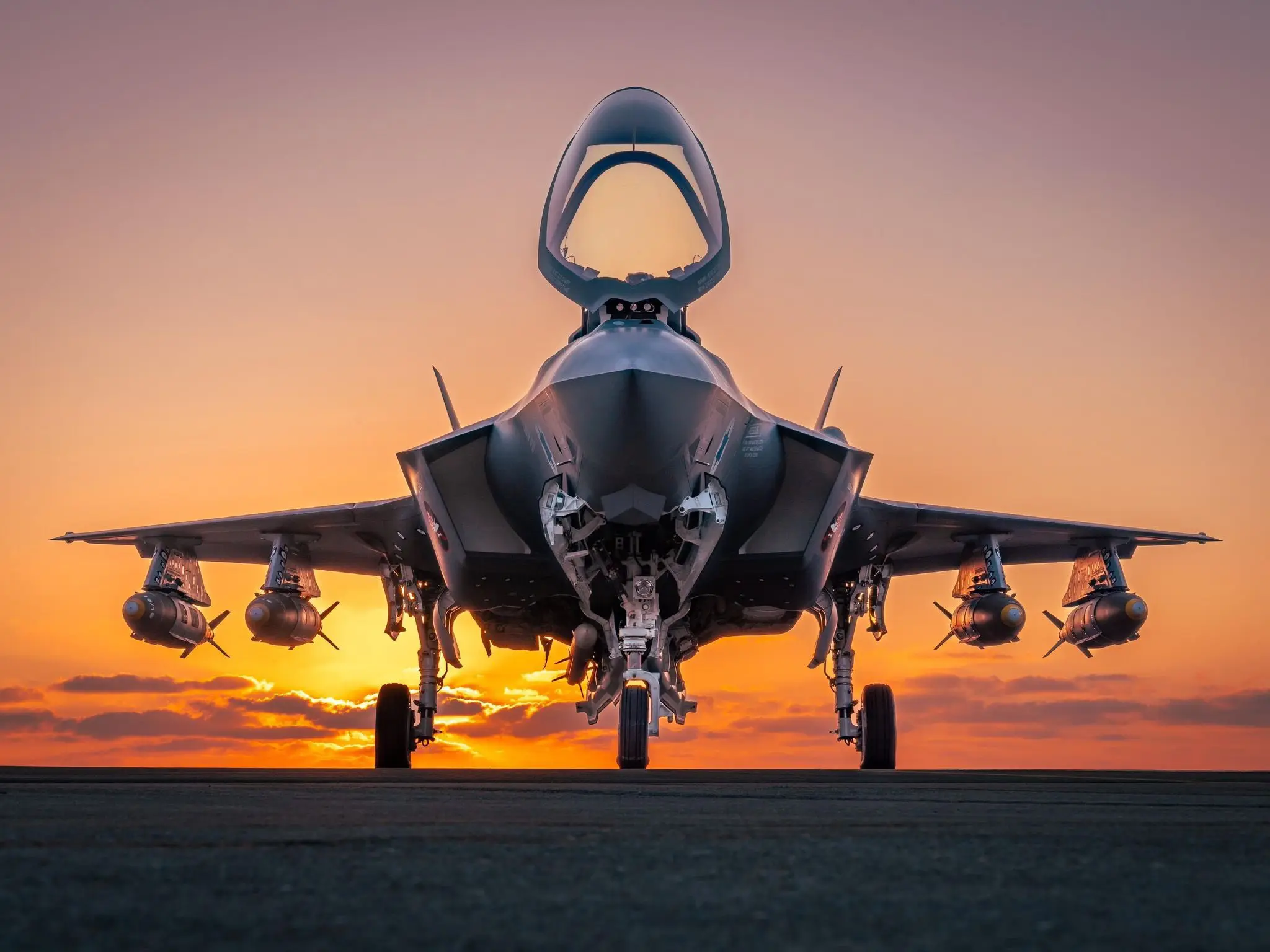
In a world dominated by stealth fighters and cutting-edge jets, a surprising handful of nations operate without a single combat aircraft. From remote island states to neutral European countries, these seven nations have chosen alternative paths to security, relying on alliances, treaties, and strategic geography. Their airspace remains unpatrolled by high-speed jets, yet their sovereignty and safety are maintained through careful planning and international cooperation.

Iceland — NATO air policing rather than a national fleet
Iceland has no standing army and no combat aircraft. Instead, NATO members routinely deploy fighters to Iceland on a rotational air-policing basis, operating from Keflavík to safeguard civilian air traffic and national airspace when required. This model has persisted since the Cold War and remains the country’s principal air-defence arrangement.
Luxembourg — collective defence over national fighters
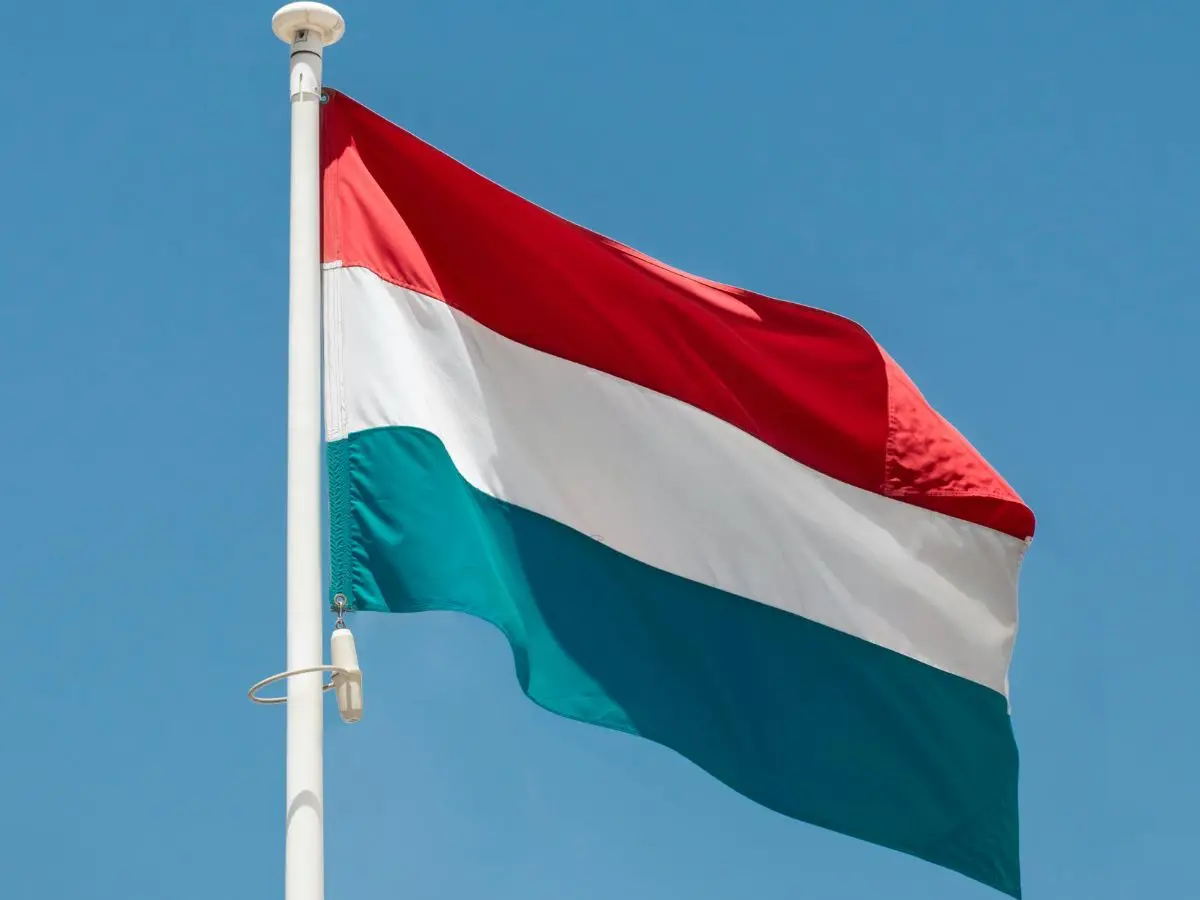
Luxembourg maintains defence contributions through NATO but does not field fighter jets. Policy emphasises investment in capability sharing and niche capacities rather than an independent air combat force, leaving day-to-day air defence tasks to neighbouring allies.

Ireland — neutrality and an Air Corps without fighters
Ireland’s Air Corps operates transport, patrol aircraft, and helicopters but has not maintained jet fighters for several decades. The government has long relied on arrangements with the United Kingdom and other partners for external air-defence contingencies while focusing its limited resources on maritime patrol, search and rescue, and internal security. Recent debate about acquiring interceptors does not alter the present absence of fighters.
Bhutan — defence by treaty and practical limits
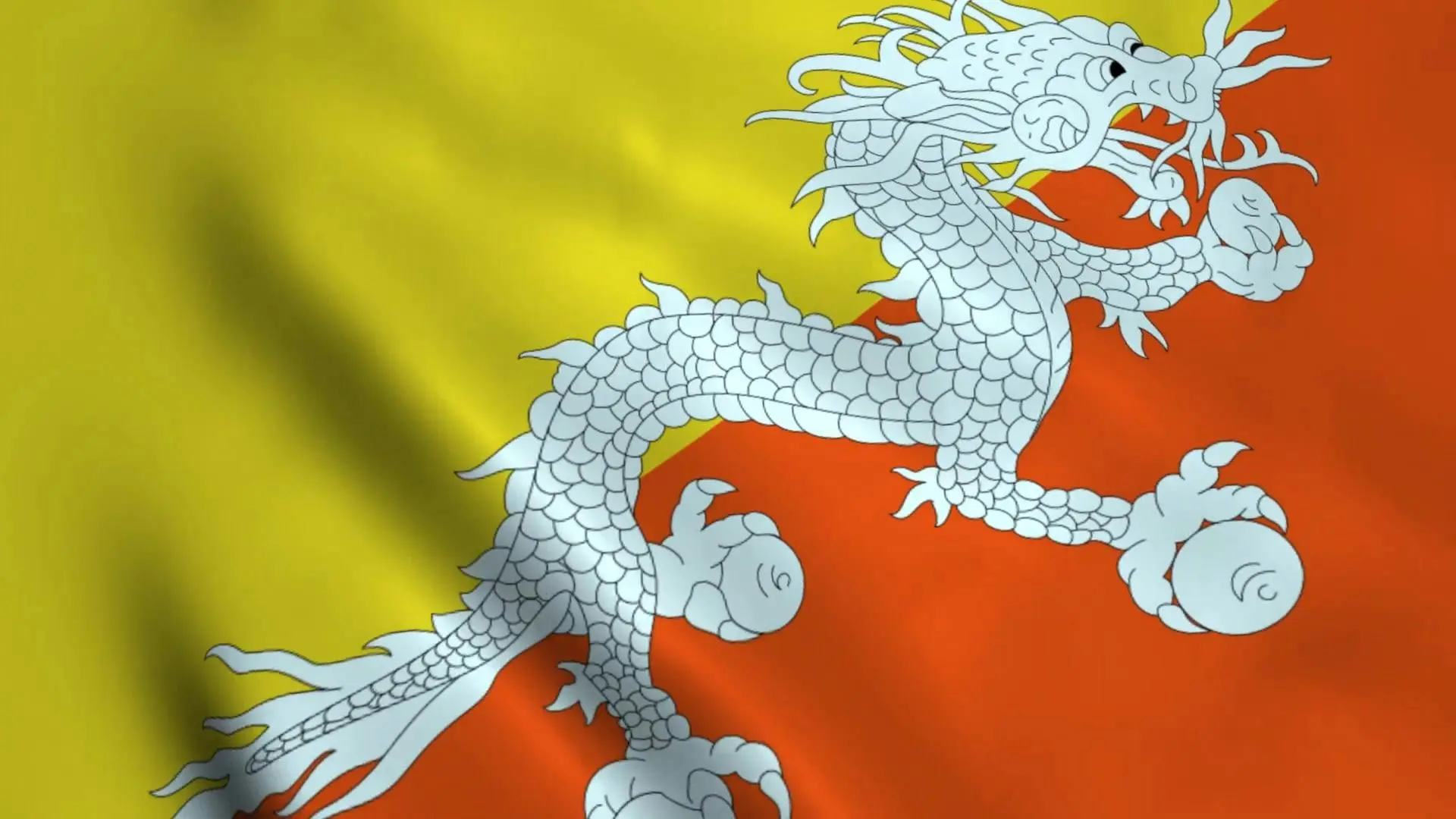
Bhutan has no independent combat air arm. Its defence posture is closely coordinated with India, which supplies training, equipment, and an explicit security guarantee; Bhutan’s terrain and policy choices have made a national fighter fleet neither practical nor necessary.
Maldives — maritime focus and dependence on partners
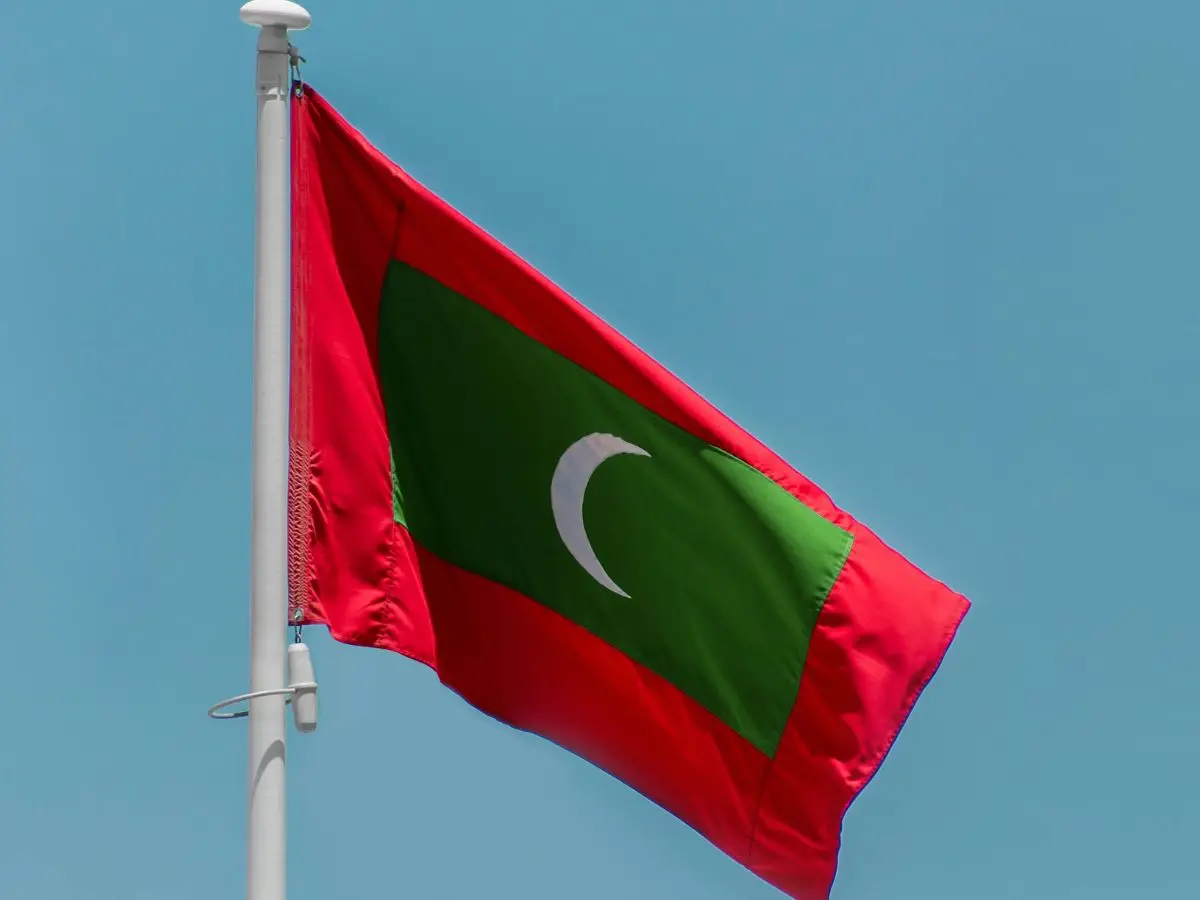
The Maldives operates a small air component oriented to patrol and transport; it lacks jet fighters and faces capability gaps, including pilot training for donated aircraft. Defence assistance from regional partners addresses infrastructure and patrol needs rather than creating a combat-jet force.

Costa Rica — abolition of the army and enduring consequence
Costa Rica abolished its standing army in 1949 and has preserved that decision in its constitution. Security is provided through police and international cooperation; there is no air combat capability and no domestic rationale for acquiring fighter jets.
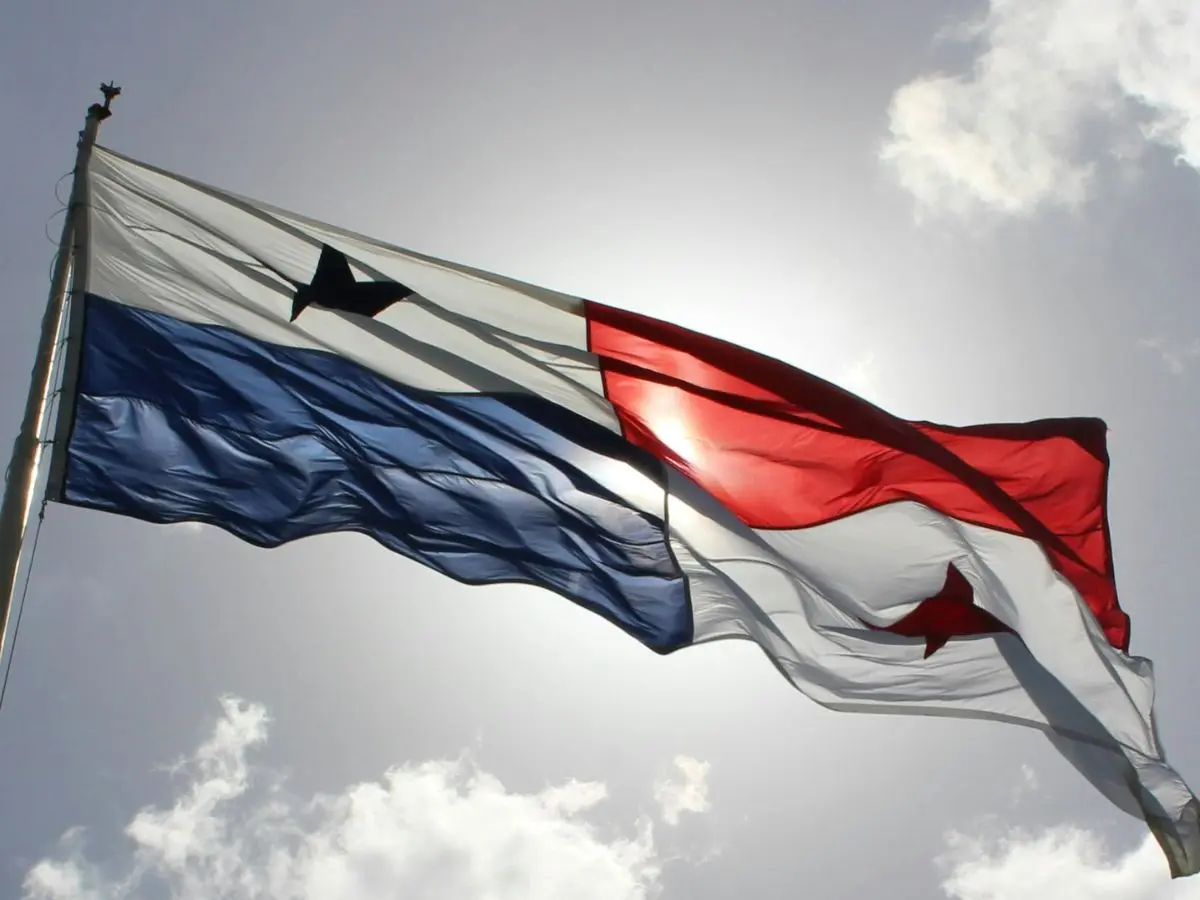
Panama — post-invasion restructuring and limited aviation capability
Panama dismantled its old defence forces after 1989 and since then has not operated a conventional combat air arm. Recent procurements have focused on light attack and patrol aircraft for the national aeronaval service rather than on fast jet squadrons, meaning Panama continues without a true fighter-jet fleet.
)
)
)
)
)