7 countries outside India where millions still speak Hindi

Sharing both geography and culture with India, Nepal is the closest extension of Hindi’s influence. About 8 million people understand Hindi, and around 80,000 use it as their primary language.
A language without borders
Hindi is spoken by more than 425 million people worldwide as their mother tongue, and another 120 million use it as their second language. While its heartland is India, the language has travelled with migration, culture, and history to reach far corners of the globe. The Global Hindi Diwas celebrated on September 14 serves as a reminder of its influence well beyond South Asia. Recent figures highlight seven countries where Hindi continues to flourish, offering a striking reminder of how languages travel, endure, and shape identities across continents.
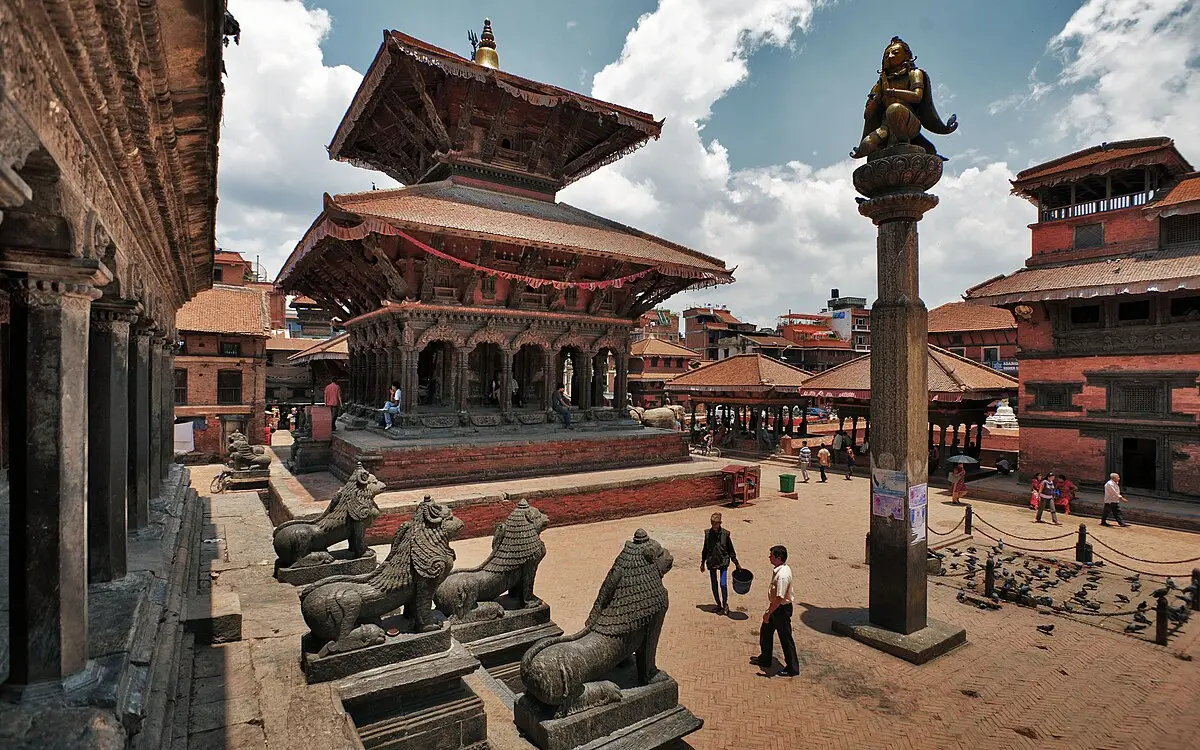
Nepal
Sharing both geography and culture with India, Nepal is the closest extension of Hindi’s influence. About 8 million people understand Hindi, and around 80,000 use it as their primary language. Proximity to northern India and exposure to Indian films, music, and television have ensured that Hindi remains not only understood but often used in commerce and daily conversation.

Mauritius
Hindi enjoys official recognition in Mauritius, where nearly one-third of the population speaks the language. The roots lie in the 19th century when indentured labourers from India were brought to the island. Today, Hindi is taught in schools, used in cultural programmes, and celebrated in religious rituals, making it one of the strongest diasporic Hindi-speaking centres outside India.

Fiji
In Fiji, about 38 per cent of the population speaks a distinct variant known as Fiji Hindi. This too is a legacy of indentured labourers from Uttar Pradesh and Bihar who migrated during colonial rule. Though younger generations often mix English with Hindi, the language remains vibrant in homes, religious gatherings, and local media, making Fiji one of the most remarkable examples of Hindi’s survival overseas.

United States
The United States has emerged as one of the largest hubs of Hindi speakers outside South Asia. Data suggests that around 6,50,000 people speak Hindi, driven by the Indian diaspora. Concentrated in states such as New Jersey, California, and Texas, Hindi is not only spoken in families but also increasingly visible in media, religious institutions, and cultural festivals.

United Kingdom
The United Kingdom, with its longstanding Indian diaspora, has around 1.53 per cent of the population speaking Hindi. Communities in London, Leicester, and Birmingham sustain the language through temples, community centres, and cultural festivals. Although English dominates, Hindi continues to thrive within families and neighbourhood networks, giving it an enduring presence in British society.

Singapore
In Singapore, about 1.2 per cent of the population speaks Hindi. Though a relatively small percentage, it represents a community that keeps the language alive through education, cultural events, and media. Hindi is also one of the officially recognised Indian languages in the country, taught in schools to ensure generational continuity.

South Africa
South Africa is home to more than 2,50,000 Hindi speakers, concentrated particularly in Durban and KwaZulu-Natal. Hindi’s survival here is linked to the Indian indentured labour system of the 19th century. Even today, Hindi is spoken in religious practices, family circles, and cultural programmes, making it a language of identity for South African Indians.
)
)
)
)
)