7 countries offering the best education systems

Education is the foundation for growth and innovation. South Korea, Finland, Denmark, Singapore, Canada, Germany, and the Netherlands lead global education in 2025. They combine innovation, accessibility, and strong governance to create future-ready students. Know more below.
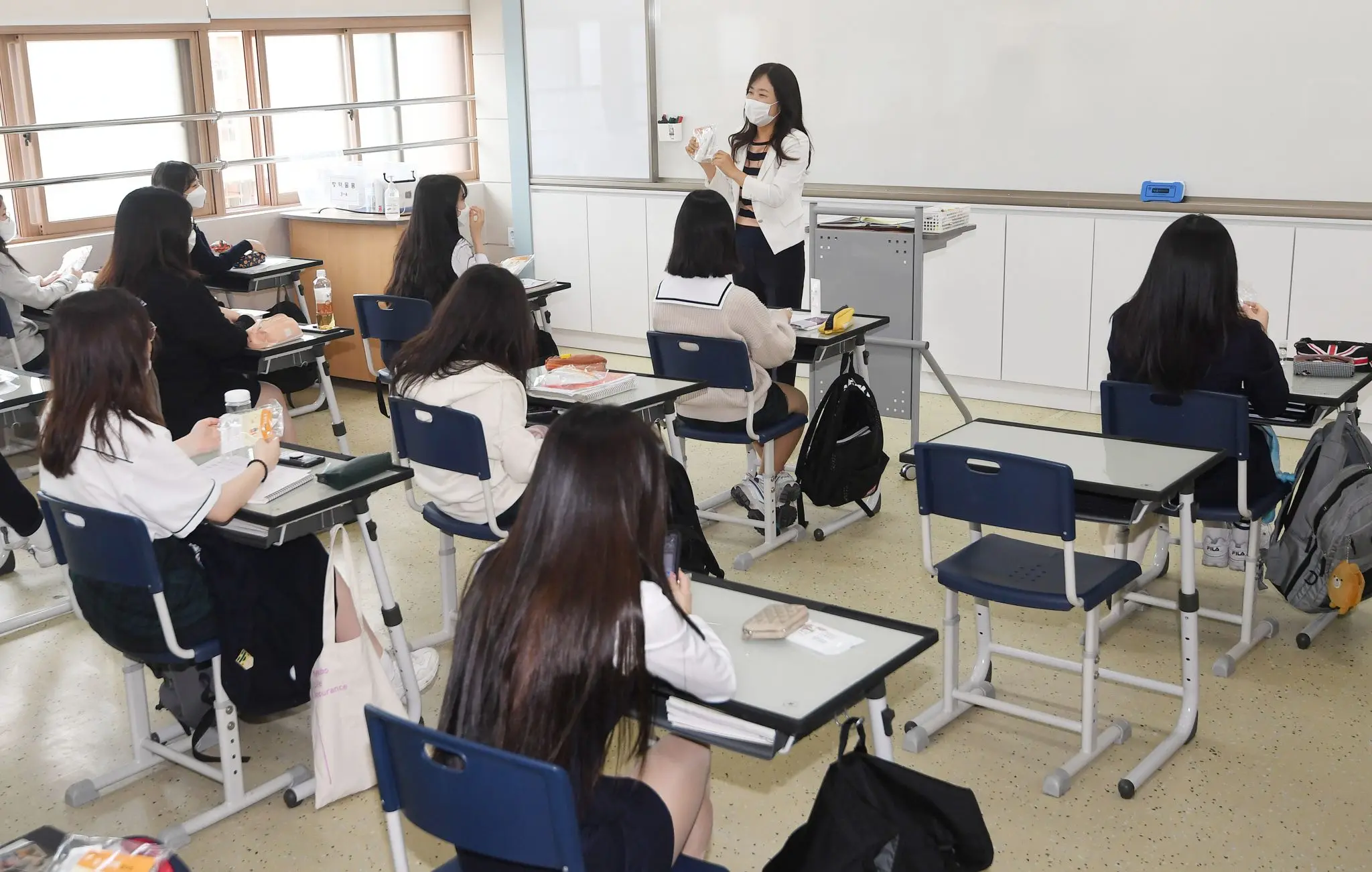
South Korea - Academic Excellence and Technology Integration
South Korea ranks #1 globally for education quality in 2025. Its system values discipline, STEM learning, and early education. With 98 per cent high school completion rates and top scores in global tests like PISA, South Korea invests 4.6 per cent of GDP in education. Students often attend after-school academies (hagwons) to gain extra skills, placing the country among the world’s most consistent academic performers.

Finland - Equity and Creative Learning
Finland continues to be a model for modern education, focusing on student-centred learning and equality. Teachers require master’s degrees, ensuring high classroom standards. The Finnish system reduces exam pressure, encourages innovation, and blends academic with life skills. According to the OECD Education at a Glance 2025, Finland’s literacy and numeracy rates remain among the highest globally.

Denmark - Free and Forward-Thinking Education
Denmark ranks among Europe’s best with a 99 per cent literacy rate and state-funded education from preschool through university. The country promotes collaboration and creativity over competition. Its education structure allows flexible pathways, vocational options, and student welfare support, making Denmark ideal for nurturing lifelong skills and innovation.
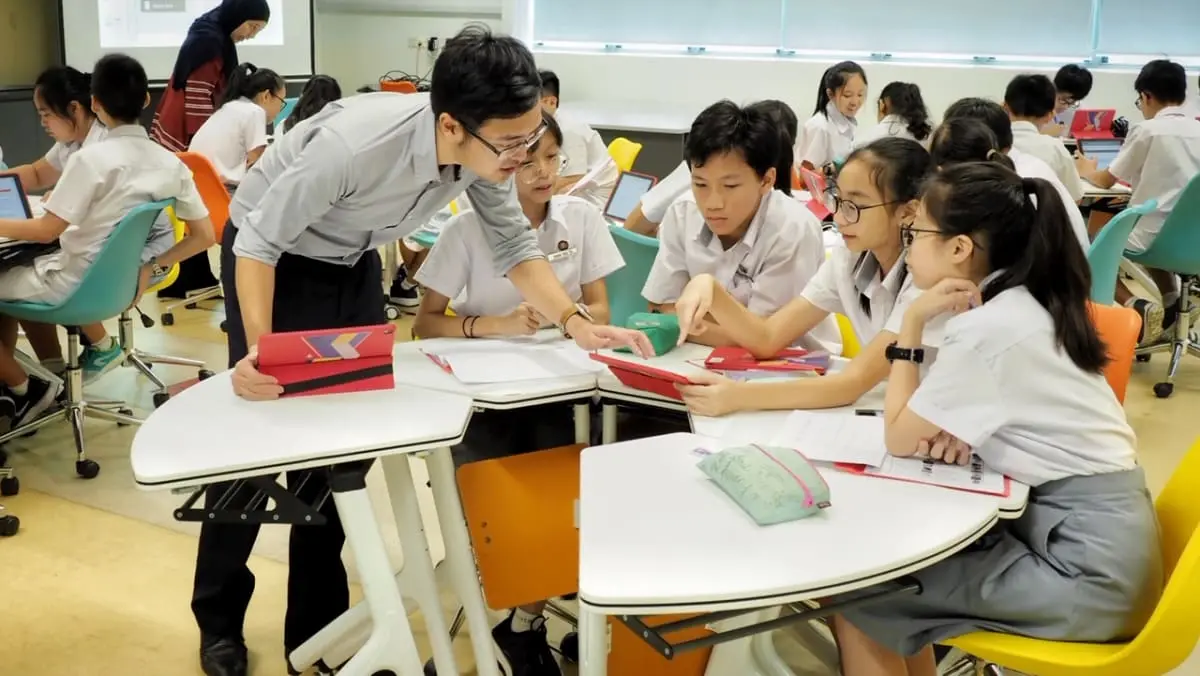
Singapore - Precision and Performance
Singapore achieves world-class outcomes with a system built on precision and consistency. Ranked in the top five globally, Singapore’s students consistently outperform others in math, reading, and science. Education policies balance rigour with creativity, ensuring adaptability to future jobs. The government continues to promote AI integration and teacher development under its Education 2035 pathway.

Canada - Inclusive and World-Class Education
Canada’s education system is admired for its accessibility and fairness. With a 99 per cent literacy rate and 60 per cent tertiary attainment, Canada ranks high in global reading and science performance. Education investment equals 5.9 per cent of national income, and universities like the University of Toronto remain global leaders. Canada’s system balances free K–12 public schooling with world-class universities.
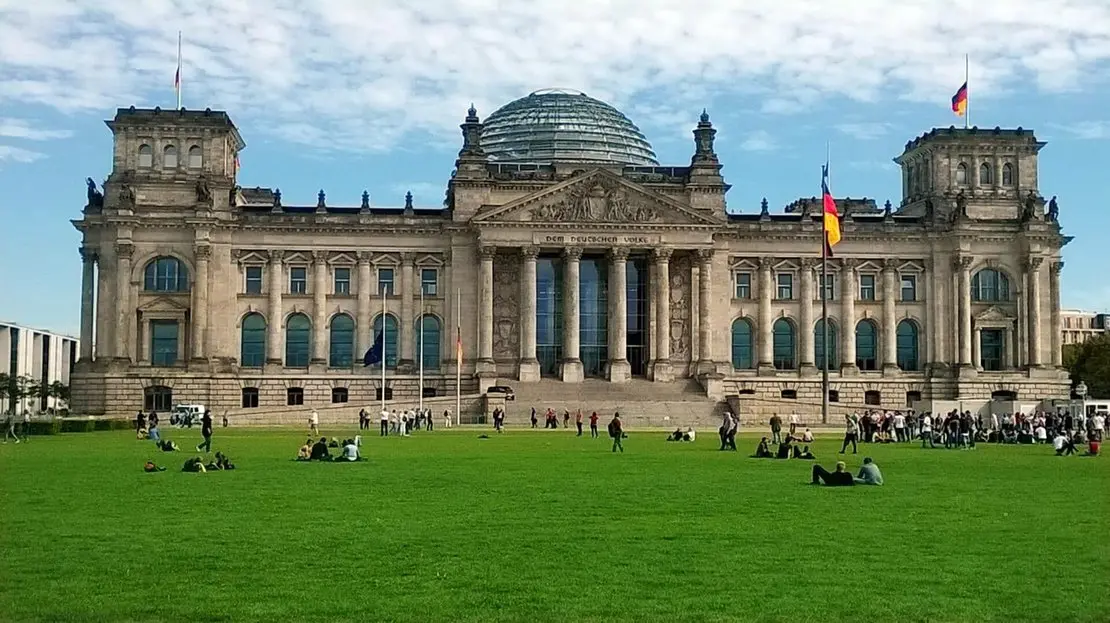
Germany - Excellence in Dual Education
Germany’s education model combines academic and vocational training through its dual system, mixing classroom learning with apprenticeships. This practical approach reduces youth unemployment and strengthens the country’s industrial workforce. German universities maintain top global research positions in engineering and applied sciences, according to the QS World Rankings 2025.
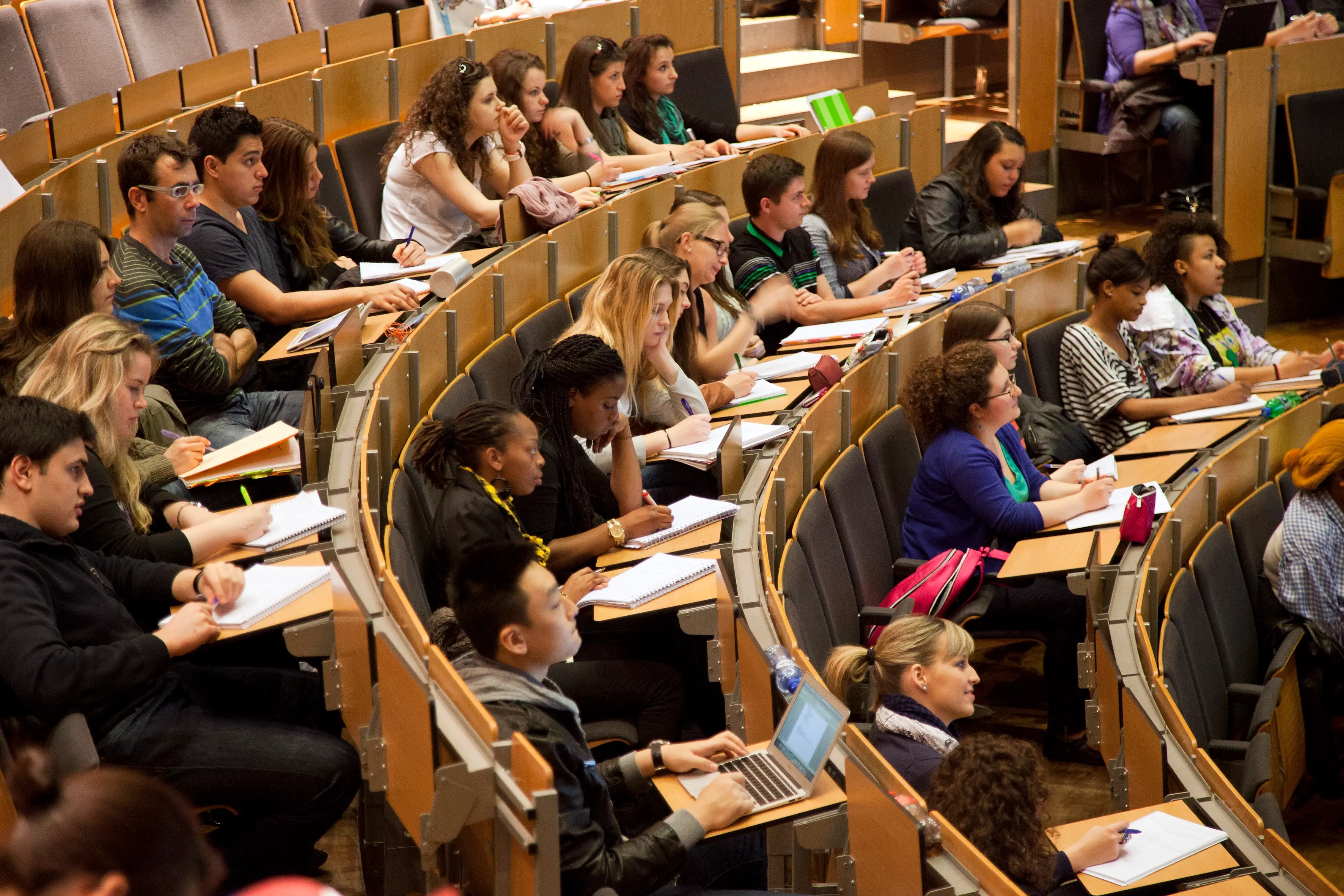
Netherlands - Innovation with Global Outlook
The Netherlands excels through its child-centred schools and innovation-driven higher education. Students have flexibility in choosing subjects, and schooling promotes problem-solving over memorisation. Dutch universities like Delft University of Technology and Leiden University consistently rank high internationally, while government-supported research ensures global competitiveness.
)
)
)
)
)