7 cockpit systems that help Su-57 fighter jet pilots react faster

The Su-57 uses seven advanced cockpit systems to help pilots react faster, including an AI co-pilot, AR helmet display, automated threat detection, data fusion screens, three-axis displays, full automation support, and life-support for 9-g manoeuvres.
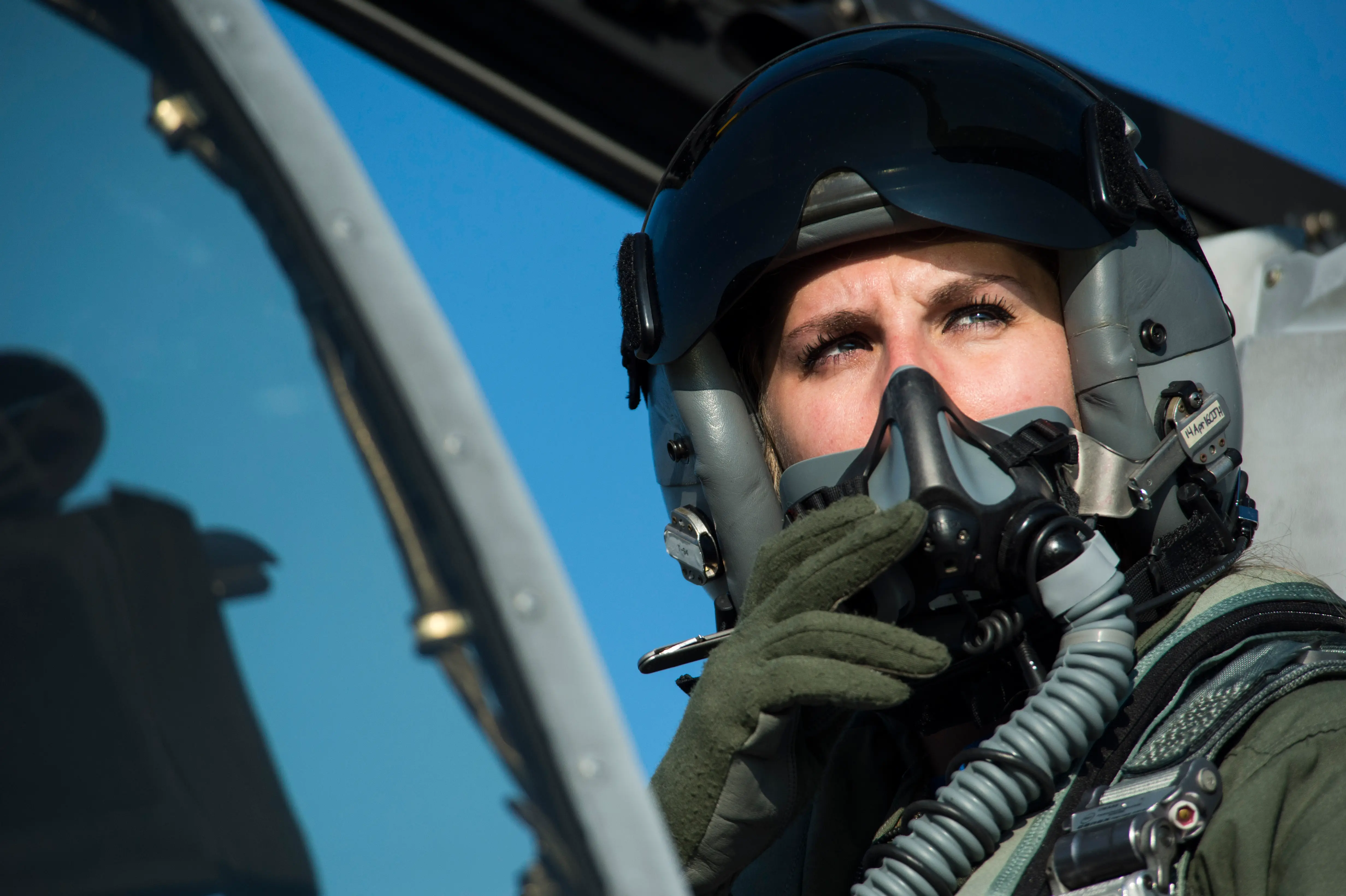
AI Co-Pilot System - Real-Time Decision Support
The Su-57 integrates an AI co-pilot functioning as a virtual second pilot in the single-seat cockpit. This system identifies threats, manages navigation waypoints, and handles routine flight operations automatically. Rosoboronexport officials state the AI provides real-time tactical suggestions whilst keeping critical weapons decisions under human control. Customisable assistance levels adapt to pilot experience, reducing workload significantly. The system allows pilots to focus on engagement strategies rather than routine management tasks.
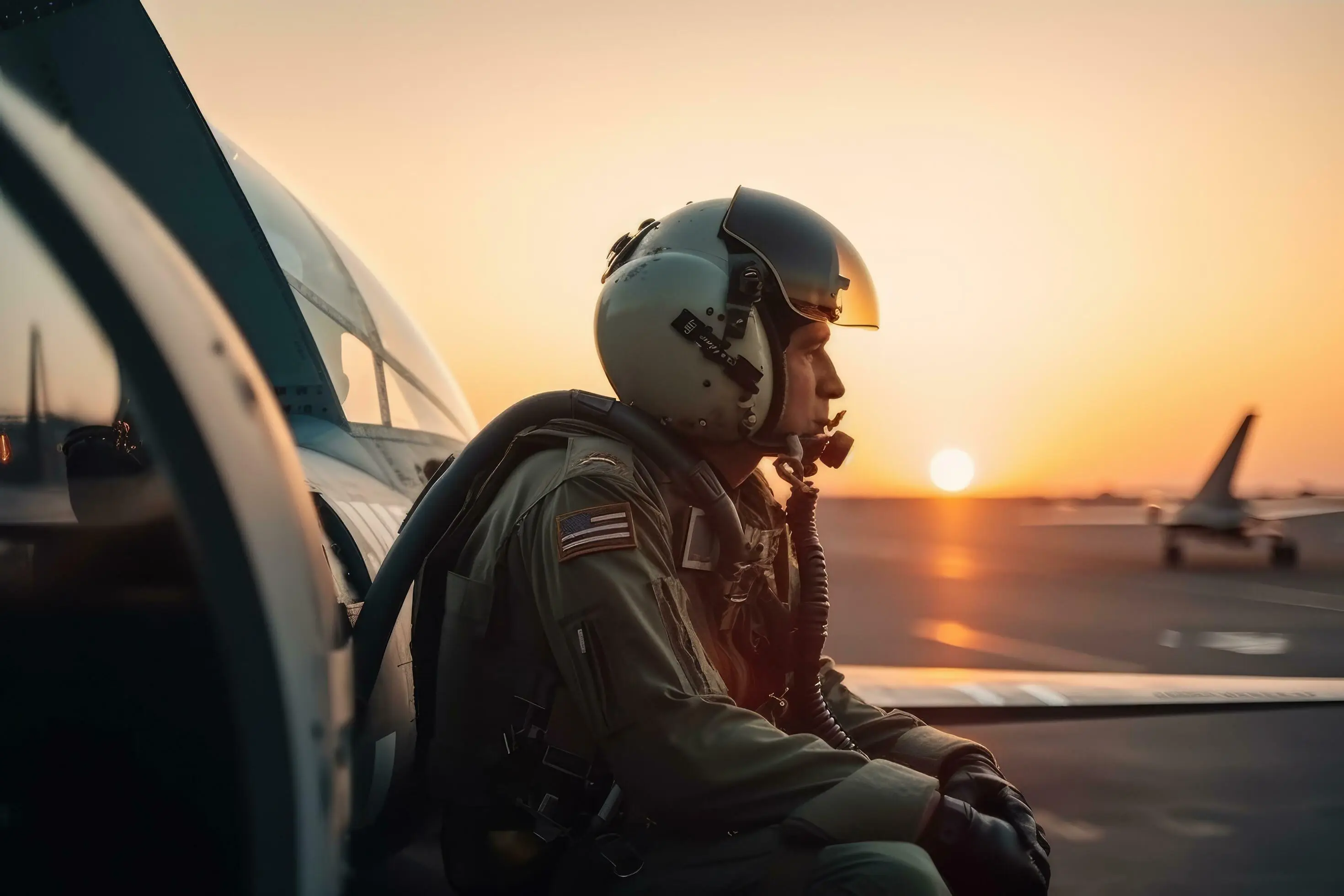
Helmet-Mounted Display System - 360-Degree Awareness
Su-57 pilots wear advanced helmet-mounted displays projecting critical flight and targeting data directly onto the visor. The system uses optoelectronic positioning sensors detecting head movements, displaying relevant information as pilots look around. Unlike traditional cockpit gauges requiring head-down time, this augmented reality system enables pilots to maintain visual contact whilst receiving tactical updates. The display covers speed, altitude, target distance, and aircraft status simultaneously. Russian developers describe it as a significant leap forward compared to previous fighter helmet systems.
Automated Threat Detection - Instant Recognition
The Su-57's threat detection system automatically identifies hostile targets and air-defence signals in real-time. This automation removes manual scanning delays, presenting threats to pilots immediately upon detection. Advanced radar fusion combines multiple sensor inputs into single threat pictures. Pilots react to pre-processed information rather than raw sensor data, accelerating decision cycles significantly. The system reduces reaction time from minutes to seconds during complex scenarios
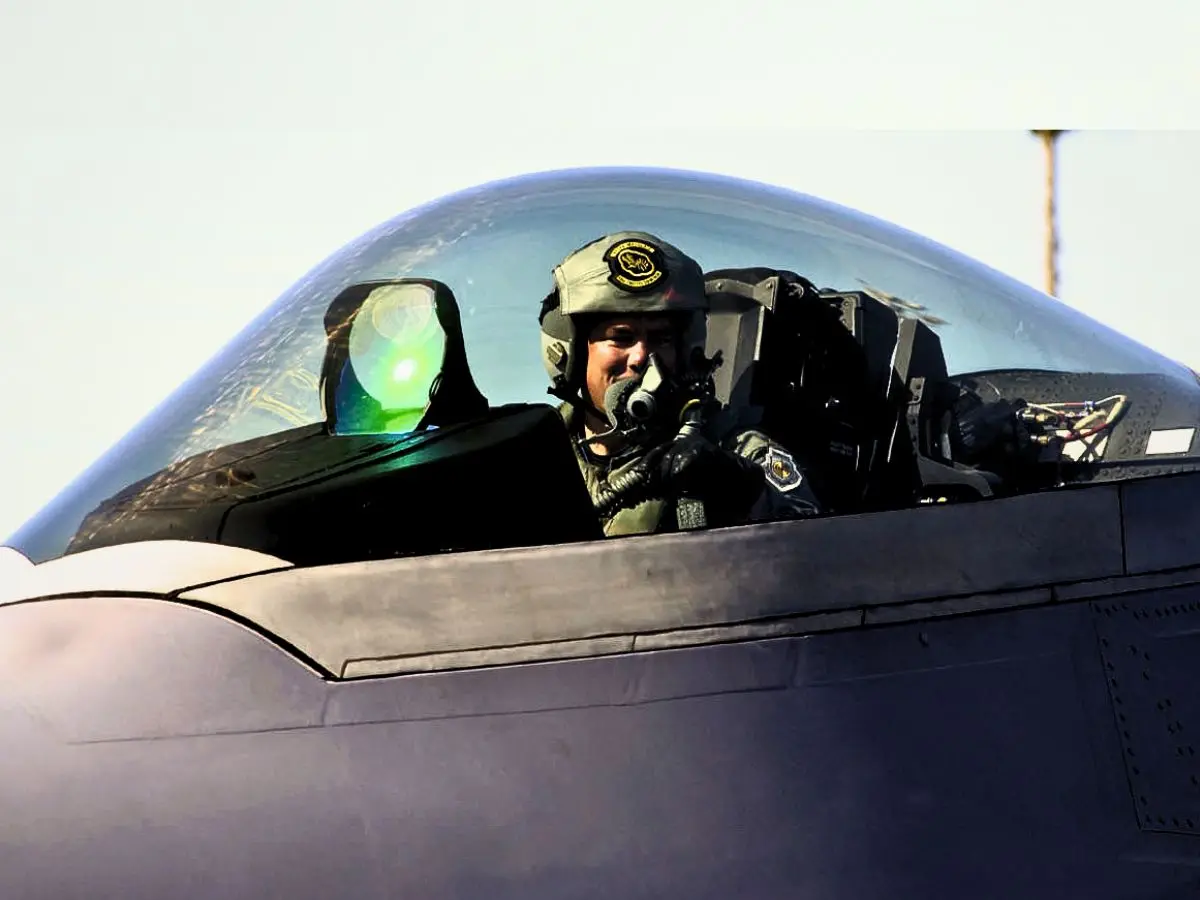
Data Fusion Architecture - Consolidated Information Display
Su-57 cockpit systems fuse data from radar, electronic warfare sensors, and navigation sources into unified tactical displays. Rather than monitoring separate instruments, pilots access integrated information showing complete air picture simultaneously. This consolidated architecture eliminates information gaps that delay threat recognition. Complex tactical situations become readable at a glance. Data-to-Decision processing compresses situation assessment into minimal time.
Three-Axis Flat-Panel Display - Rapid Information Access
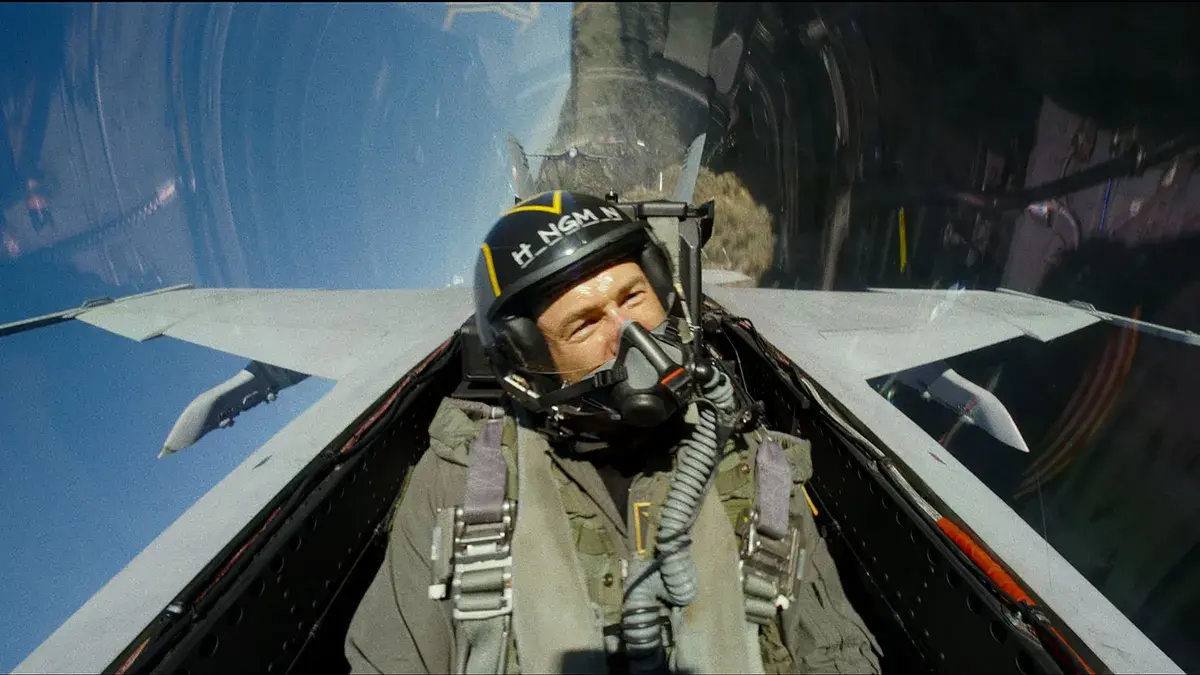
The Su-57 features modern flat-panel displays across three cockpit positions providing simultaneous information access. Unlike older single-display systems creating bottlenecks, this architecture distributes critical data across multiple viewable areas. Pilots access weapon status, navigation, and threat information without sequential menu navigation. Rostec confirmed the cockpit achieves maximum automation, allowing pilots to search and attack targets with minimal manual control inputs.
Maximum Cockpit Automation - Hands-Off Operations
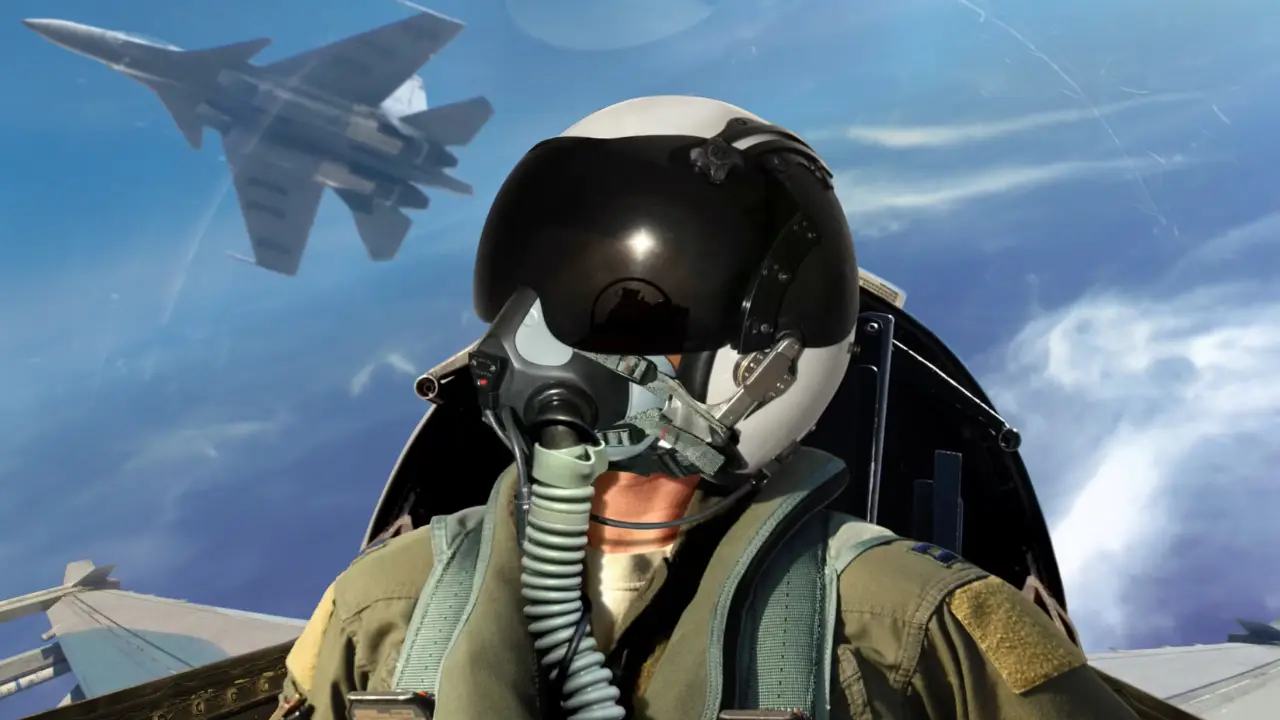
The Su-57 cockpit automation is designed for maximum hands-off capability during tactical phases. Theoretically, pilots can conduct takeoff, then shift focus entirely to target search and engagement whilst automation handles routine flight control. Rostec stated: "The pilot, after taking-off and before landing approach, may not fly at all, but search and attack targets." This frees mental resources for tactical decision-making. Automation handles systems management, leaving combat planning to human pilots.
Advanced Life Support - Sustained High-G Performance
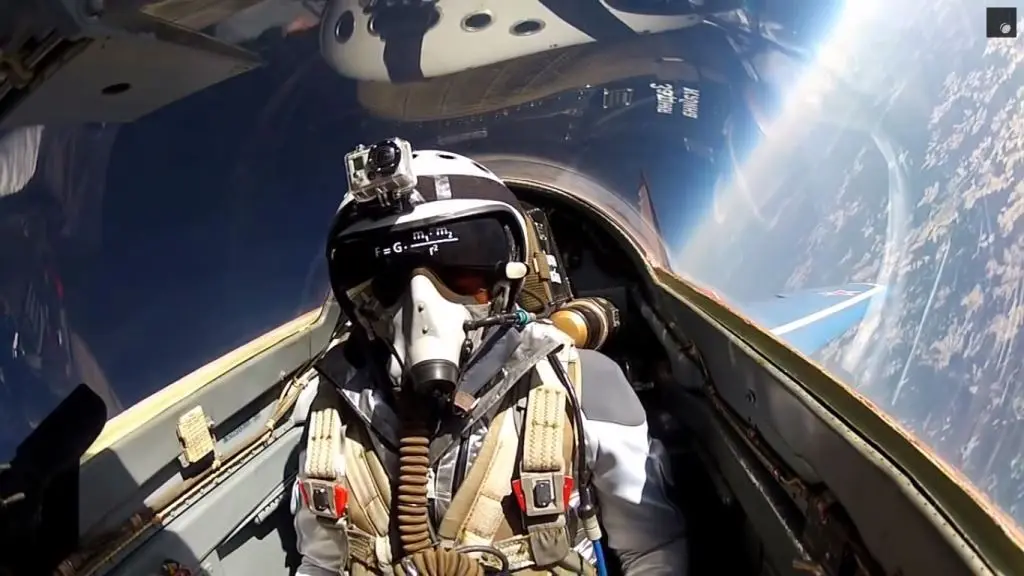
The Su-57's SOZhE-50 life support system enables pilots to perform sustained 9-g manoeuvres for up to 30 seconds continuously. The K-36D-5 ejection seat and PPK-7 flight suit protect pilots during high-stress combat. Unlimited oxygen supply generated onboard supports intense manoeuvring without pilot fatigue. This physiological support ensures pilots maintain reaction speed and decision accuracy during extended high-stress engagements. Safe ejection capability ranges from 0 to 20,000 metres and 0 to 1,300 km/h.
)
)
)
)
)