7 animals that went to space before humans, what did they teach us?

Between the 1940s and 1960s, several animals made pioneering spaceflights, laying the groundwork for human exploration.
Introduction
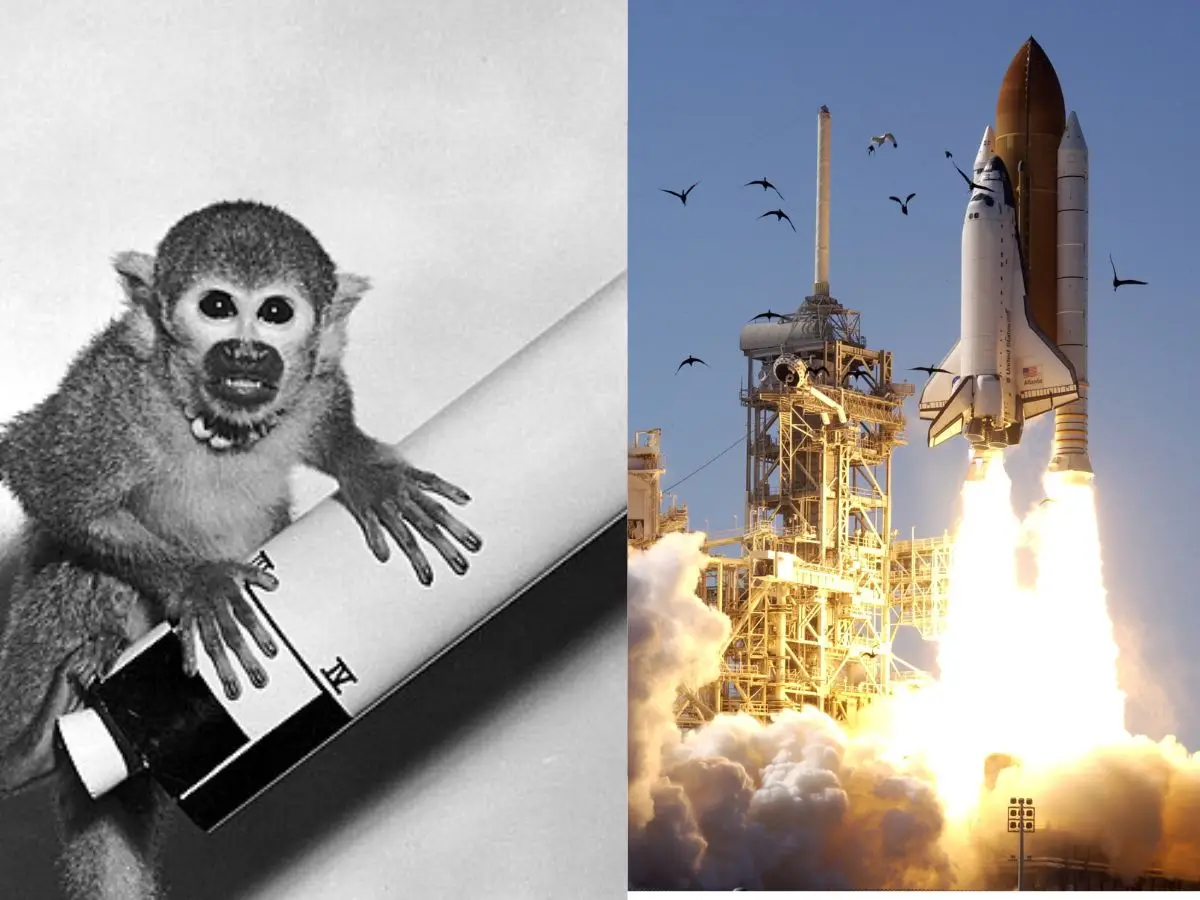
Before human spaceflight became a reality, scientists relied on animals to test the effects of space travel. These early missions aimed to understand how living organisms responded to microgravity, radiation, re-entry forces, and isolation. Between the 1940s and 1960s, several animals made pioneering spaceflights, laying the groundwork for human exploration. Their contributions provided critical biological data, helping engineers refine spacecraft and mission planning.
Fruit Flies – The First Space Travellers
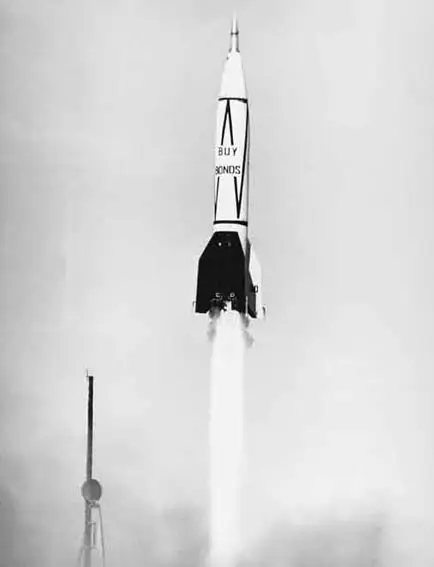
On 20 February 1947, the United States launched fruit flies aboard a V-2 rocket to study cosmic radiation exposure at high altitudes. They were the first animals in space and survived the mission, paving the way for further biological experiments.
Albert Monkeys – Primate Testing Begins
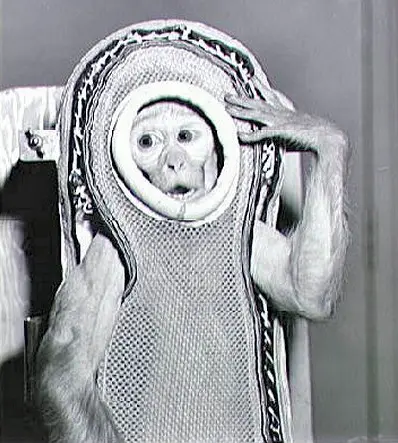
The 'Albert' series included rhesus macaques launched by the US between 1948 and 1951. Albert II became the first monkey in space on 14 June 1949, reaching an altitude of 83 miles. He died on impact due to parachute failure. These missions helped test life-support systems and biomedical sensors.
Laika – First Animal to Orbit Earth
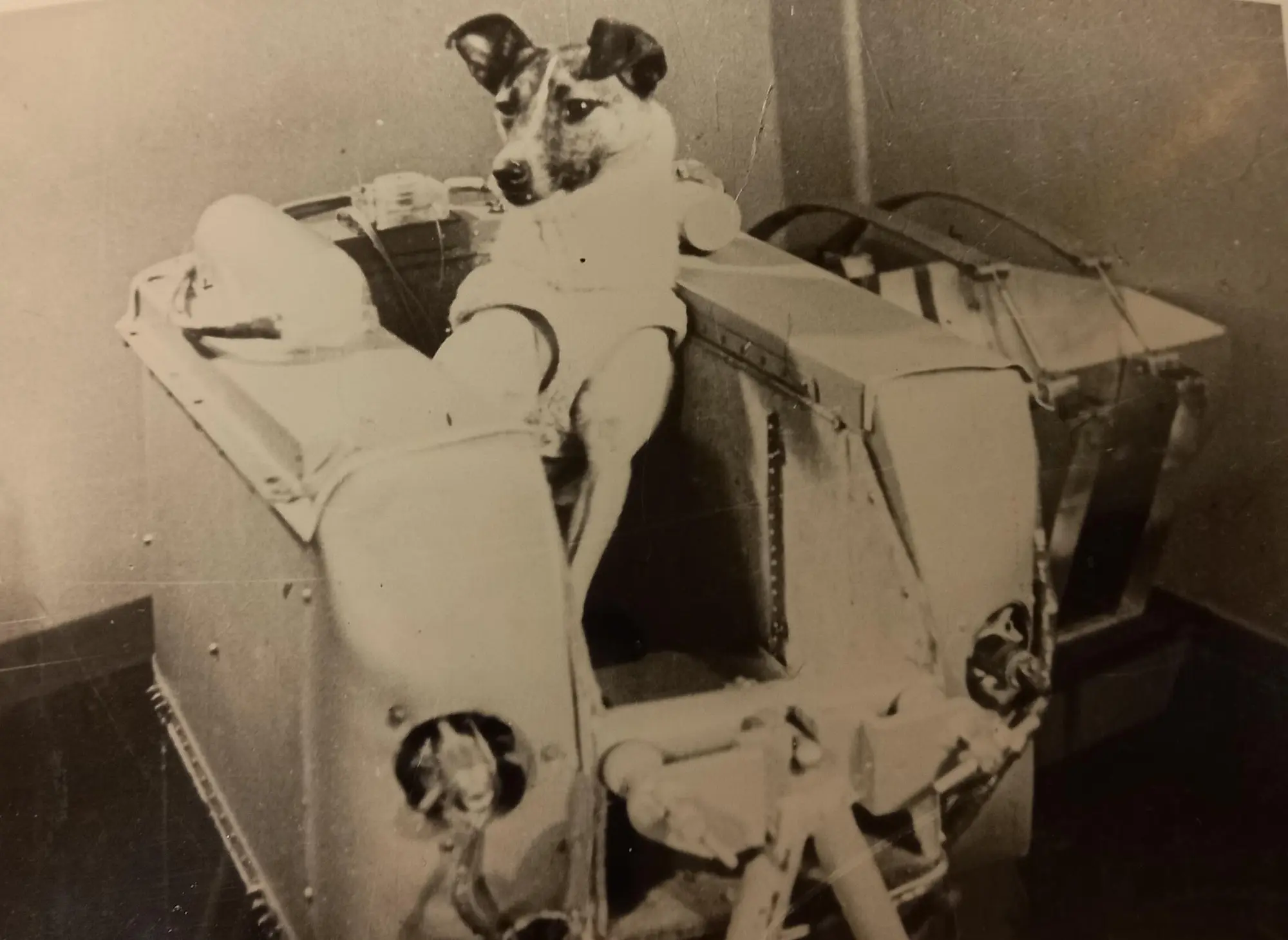
Laika, a Soviet stray dog, was launched aboard Sputnik 2 on 3 November 1957. She became the first living creature to orbit Earth. There was no plan for recovery, and she died within hours due to overheating. Laika’s mission provided data on orbital biology and stress in space.
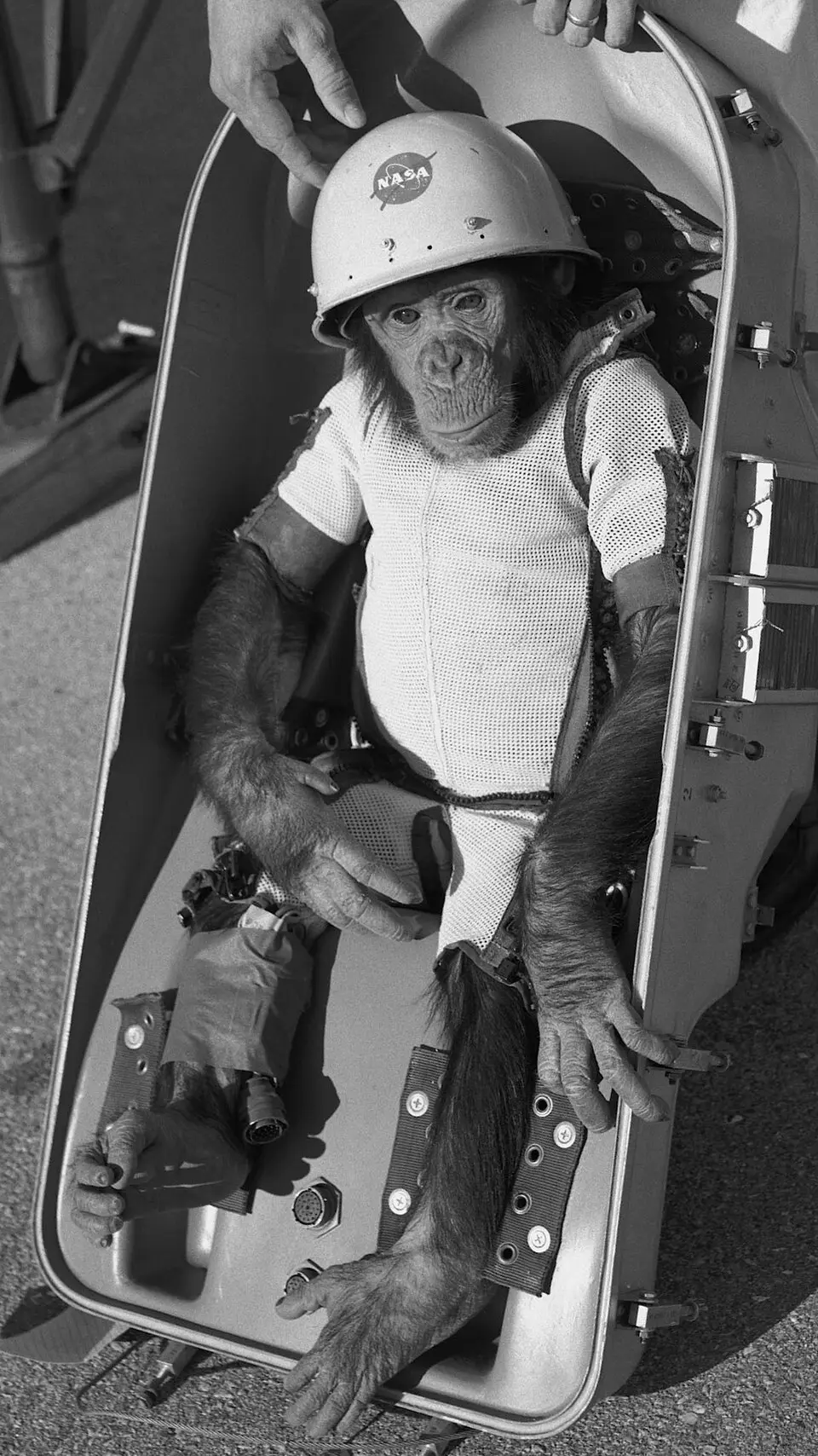
Ham – First Trained Chimpanzee in Space
On 31 January 1961, Ham flew on a suborbital Mercury-Redstone 2 flight. Trained to perform tasks mid-flight, Ham demonstrated that complex commands could be executed in microgravity. He returned safely, validating procedures for upcoming human missions.
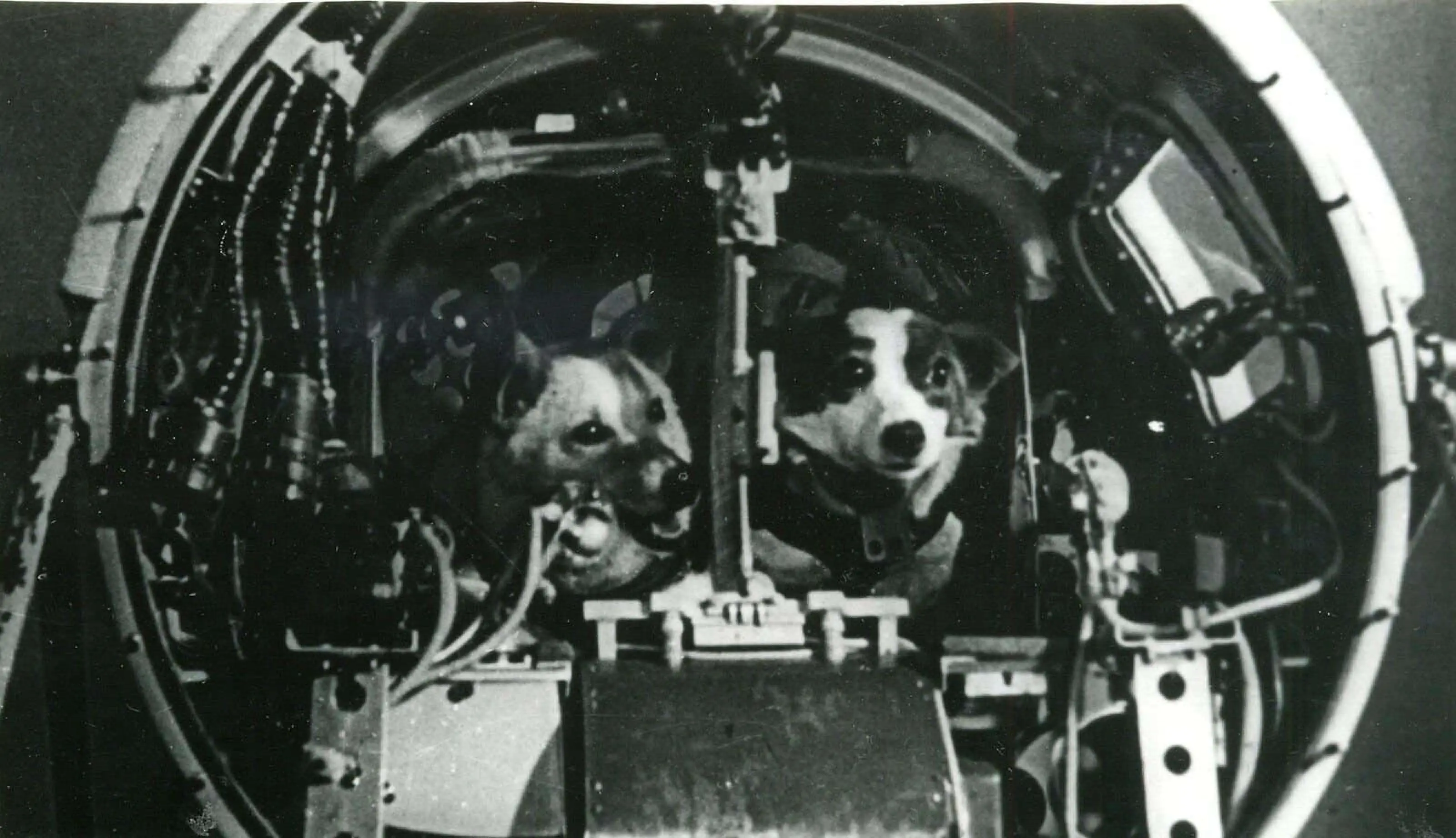
Belka and Strelka – Safe Return from Orbit
Launched by the Soviet Union on 19 August 1960 aboard Sputnik 5, Belka and Strelka became the first animals to orbit the Earth and return alive. Their survival proved that life could endure extended orbital conditions.
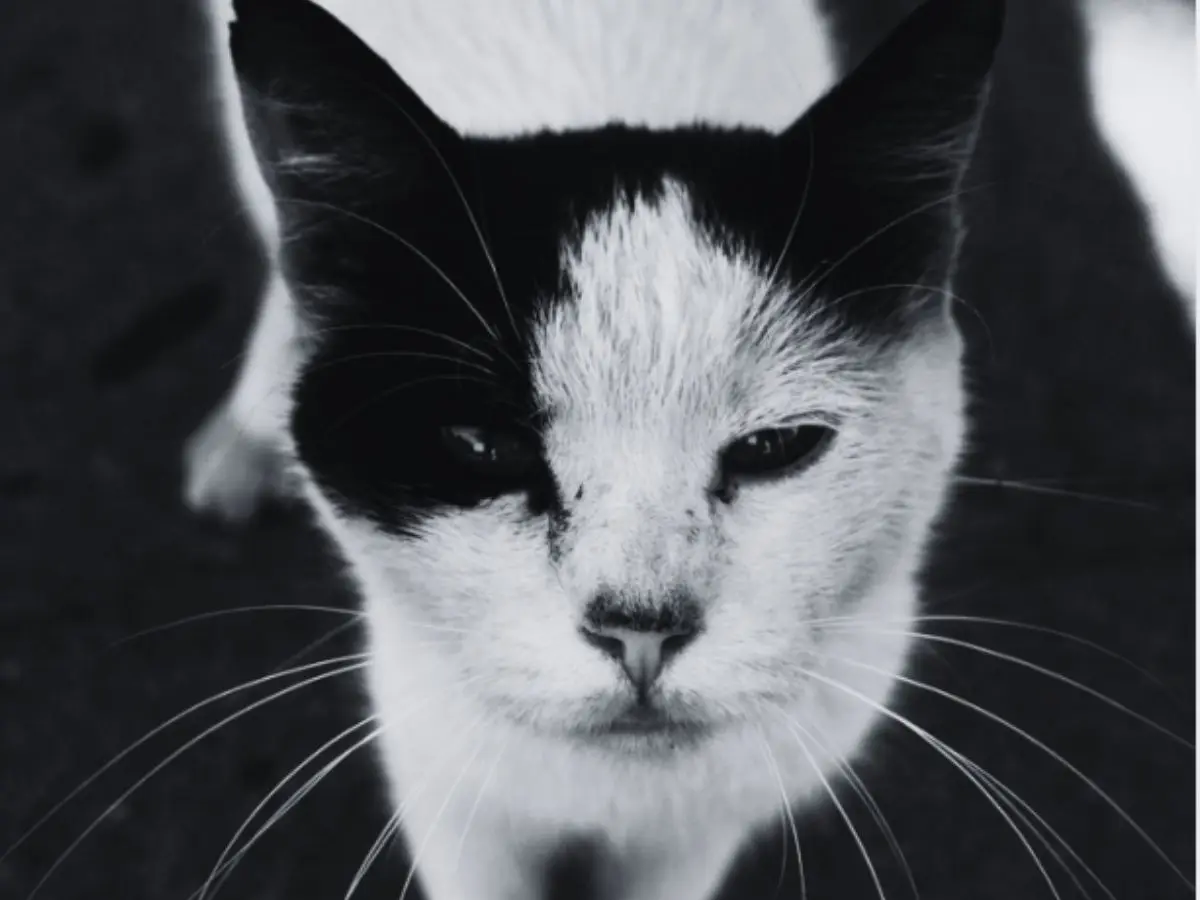
Félicette – The Cat in Space
France launched Félicette, the only known cat in space, on a suborbital flight in 1963. Electrodes implanted in her brain provided neurological data during the flight. She was safely recovered after the mission.
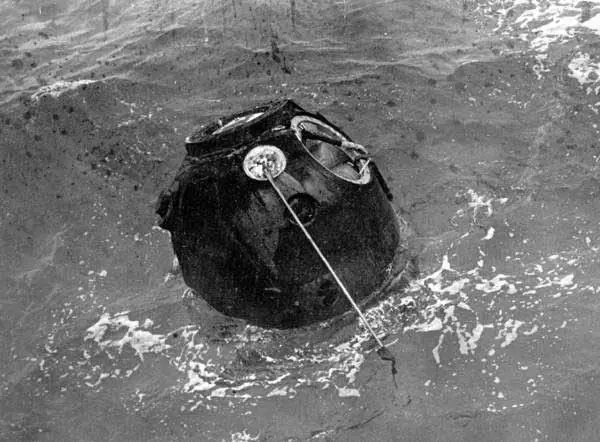
Tortoises on the Moon – Zond 5 Mission
In September 1968, the Soviet Zond 5 spacecraft carried two tortoises, fruit fly eggs, and mealworms around the Moon. After a six-day journey, the capsule returned to Earth, and the tortoises survived, showing signs of minor weight loss.
)
)
)
)
)