6th-generation fighter jets will face new threats? How stealth is losing its edge to modern detection systems

Stealth fighter jets are designed to evade radar and infrared sensors, and have reshaped air combat by shifting battles beyond visual range.
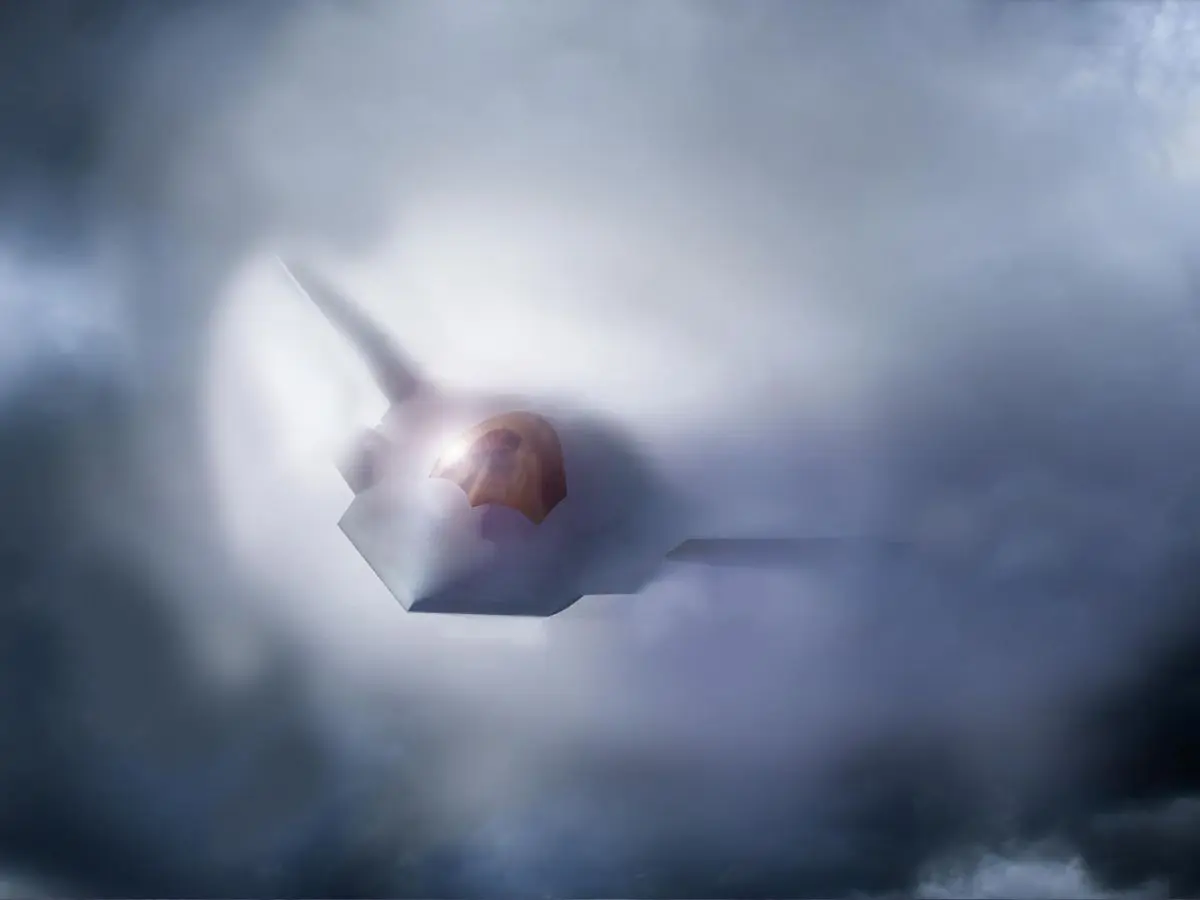
The stealth advantage under pressure
For decades, stealth has been the defining edge for modern fighter jets, that allow aircrafts to smartly penetrate heavily defended airspaces while remaining largely unseen. Stealth fighter jets are designed to evade radar and infrared sensors, and have reshaped air combat by shifting battles beyond visual range. However, advances in detection technology are beginning to challenge the very idea of aerial invisibility.
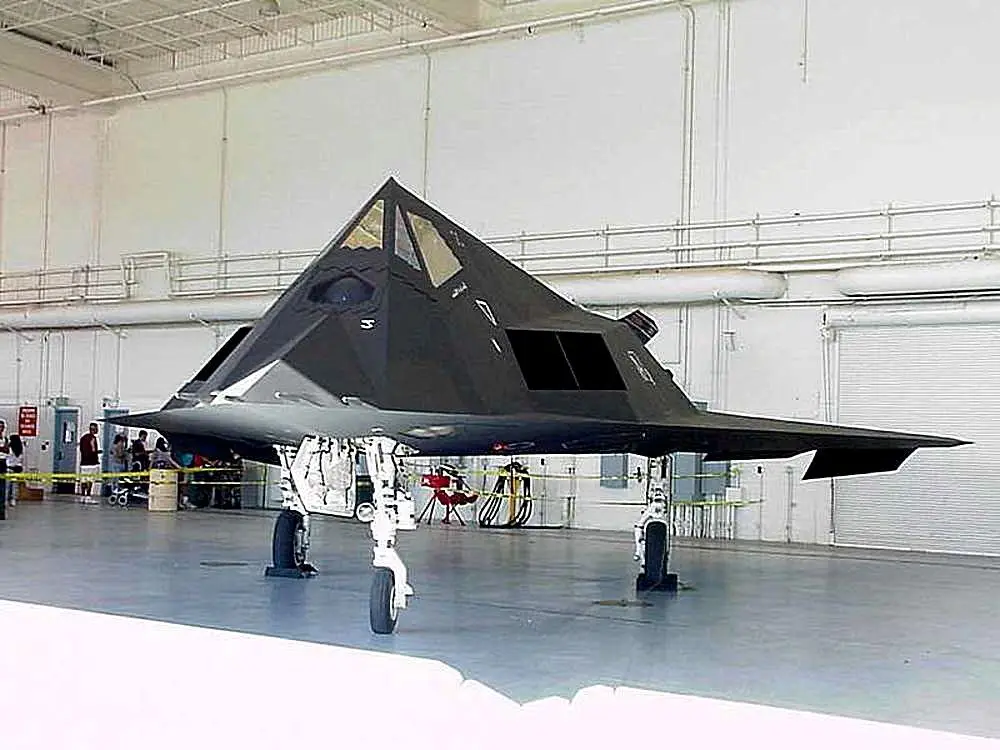
How stealth traditionally works
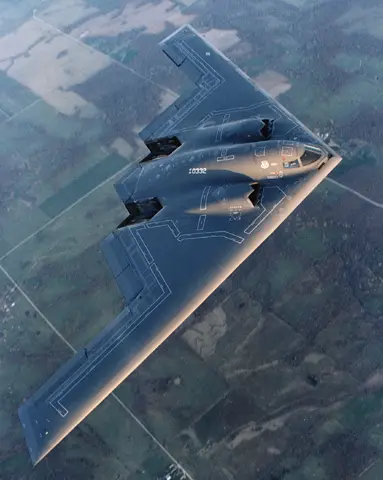
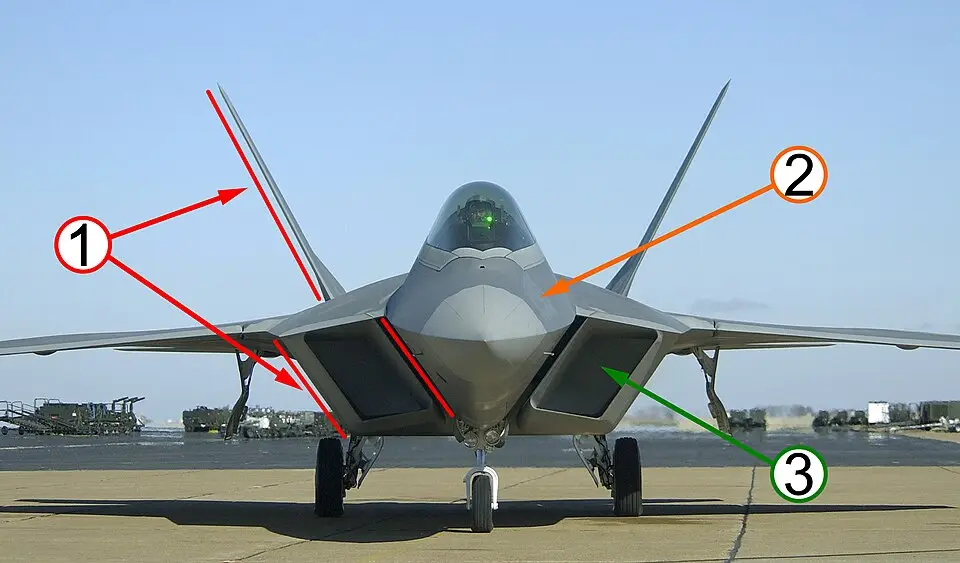
Stealth aircraft rely on carefully shaped airframes, radar-absorbing materials and reduced heat signatures to minimise detection. Jets such as the B-2 Spirit and China’s J-20 are engineered to scatter radar waves rather than reflect them directly back to sensors. These features are designed to confuse or weaken radar returns rather than eliminate them entirely. Stealth has therefore always been a matter of delaying the detection long enough to strike first or disengage and not complete invisibility.
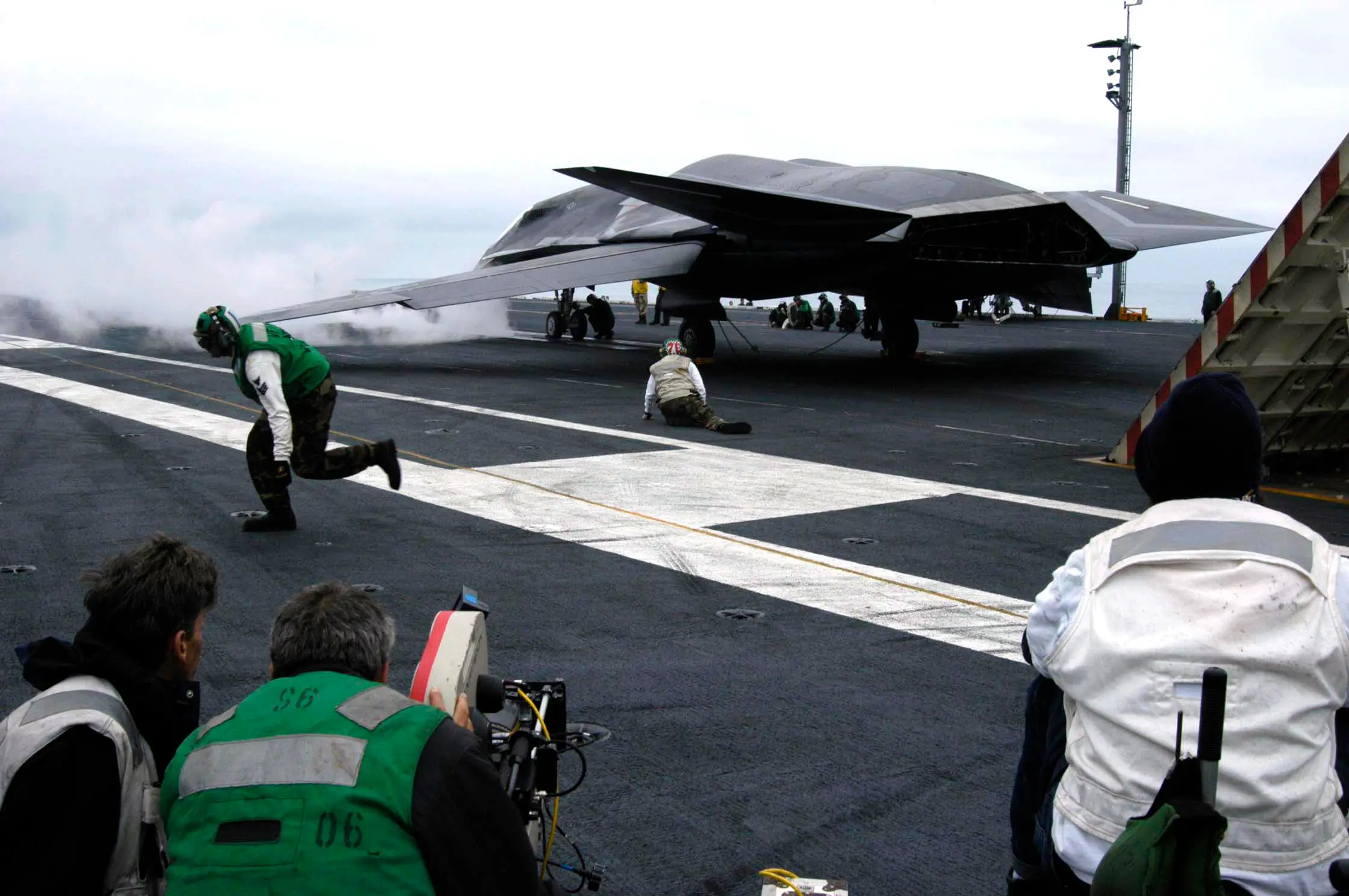
The rise of new radar technologies
Modern detection systems are now exploiting weaknesses in traditional stealth design. Low-frequency radars, particularly VHF and UHF bands, can detect aircraft shapes that were optimised to defeat higher-frequency systems. While these radars lack precision targeting, they can provide early warning and cue other sensors. Thus, they can now narrow the window of advantage once enjoyed by stealth fighters.
Multi-sensor tracking and data fusion
The most significant shift lies in sensor fusion. Air defence networks increasingly combine radar, infrared search-and-track systems, electronic intelligence and passive sensors. By merging multiple data sources, the defenders can detect and track stealth fighter jets without the need of relying on a single detection method, this can significantly reduce the effectiveness of traditional countermeasures.
Space and airborne surveillance
Satellites and high-altitude airborne sensors are adding another layer of visibility. Persistent surveillance from space, combined with wide-area airborne radar platforms, allows continuous tracking over large regions. This reduces the ability of stealth aircraft to exploit gaps in coverage or predictable radar blind spots.
How fighter jets are adapting
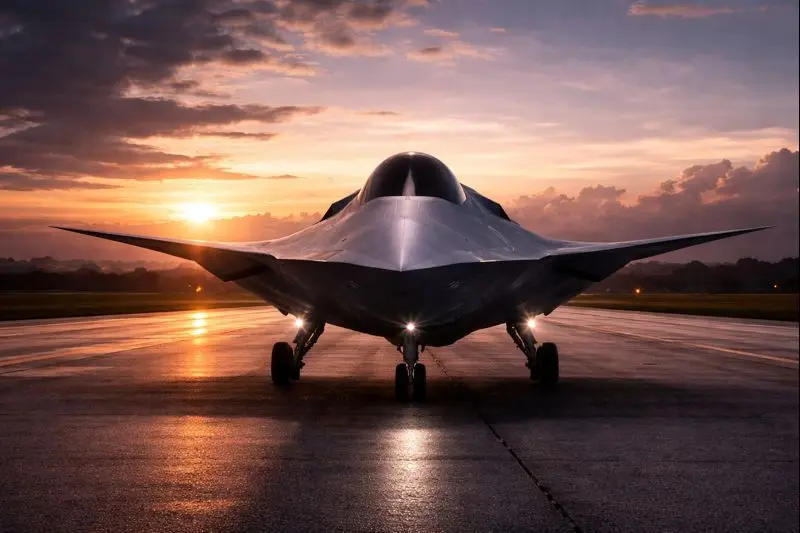
Rather than abandoning stealth, modern fighter jets are evolving beyond it. New designs emphasise electronic warfare, cyber capabilities, networked operations and cooperative tactics with unmanned systems. Stealth is increasingly one element within a broader system of survivability rather than the sole line of defence.
How next-generation fighters are countering detection advances
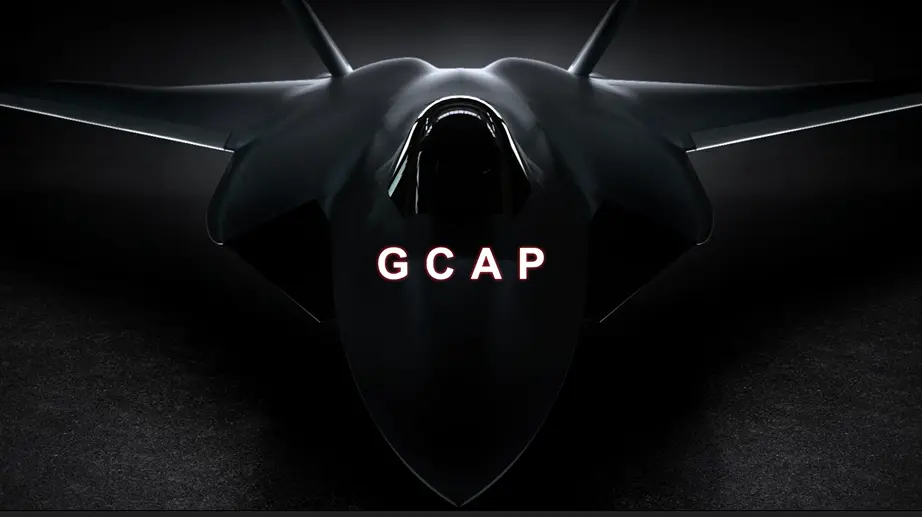
To stay ahead of evolving detection technologies, countries like the US, UK, Japan and other developers of sixth-generation fighters are integrating a combination of advanced features beyond traditional stealth. Programs such as the US Air Force’s NGAD (Next Generation Air Dominance) and the UK-Italy-Japan's GCAP are emphasising more adaptive shaping, advanced materials, and active camouflage systems to further reduce radar and infrared signatures. According to the US Air Force's press release, the F-47's adaptability and modular design will 'ensure seamless integration with emerging technologies, positioning it as a dominant platform for decades to come. Advanced stealth shaping and materials.'
)
)
)
)
)