60,000,000°C: That's how hot solar flares can get. Meanwhile, the Sun is a measly 15,000,000°C

We all know that the Sun is superhot. But the solar flares it releases are millions of times hotter than our star. A study has revealed just how hot the solar plasma can get. The discovery has solved a 50-year mystery.
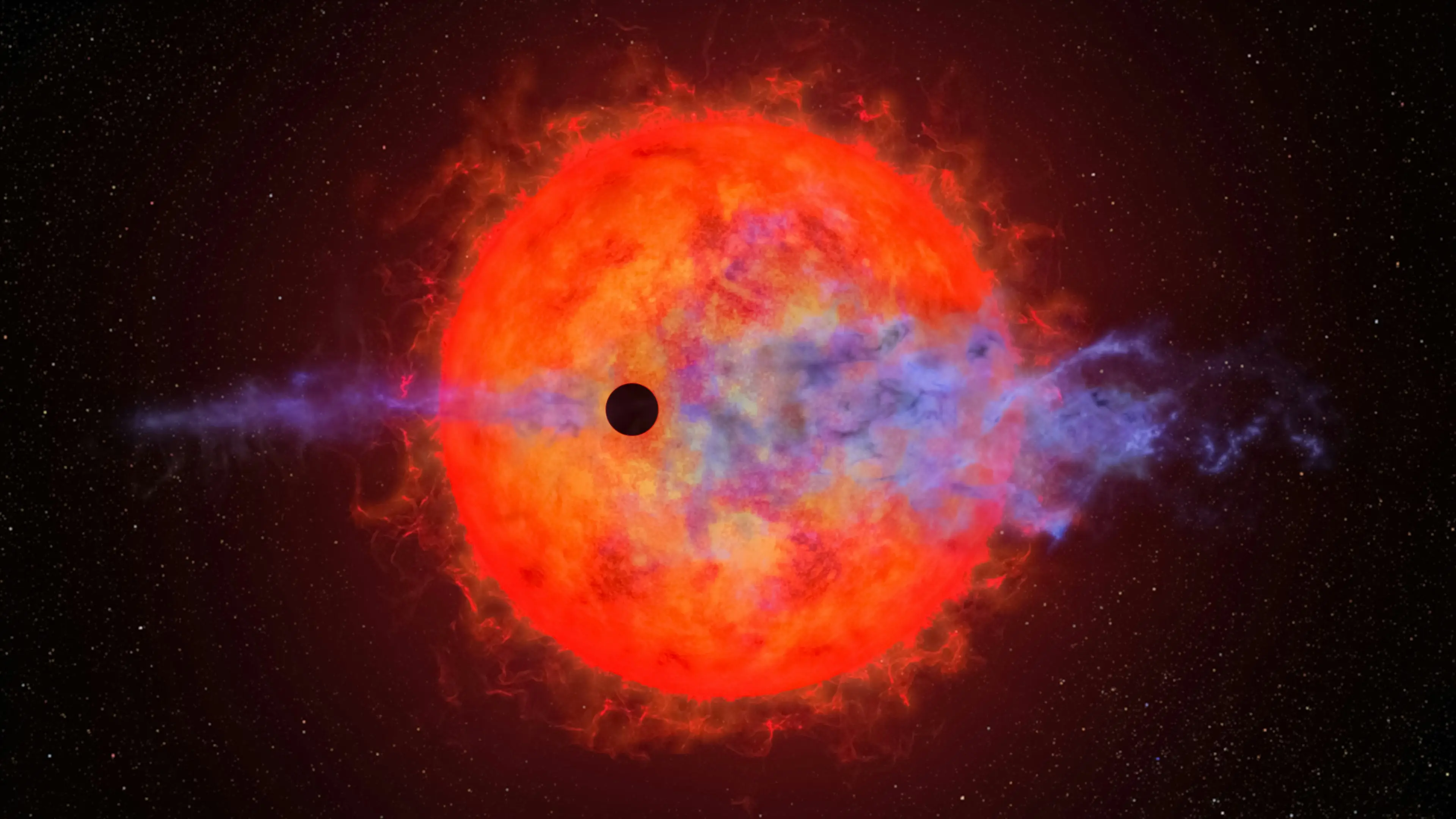
How hot can solar flares get? Millions of time more than the Sun
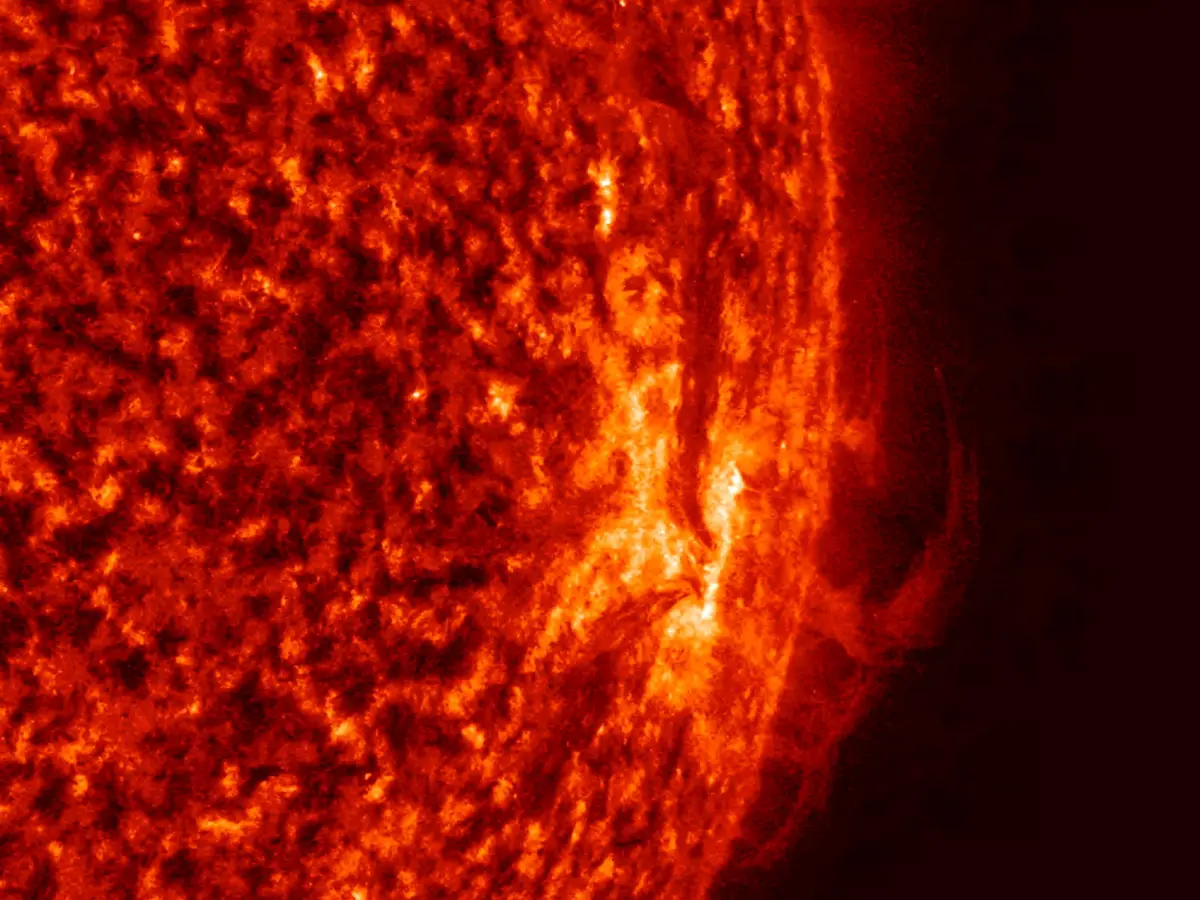
Scientists have figured out just how hot a solar flare plasma can get when the sudden bursts of magnetic energy are released by the Sun. According to NASA, the Sun can be 15 million degrees Celsius (15.7 million Kelvin) at the core, and come down to only about 5,500 degrees C at the surface. But the plasma it releases is way hotter than you can imagine. Since it is being unleashed by the Sun, it is expected to be around at least the same range as the core temperature.
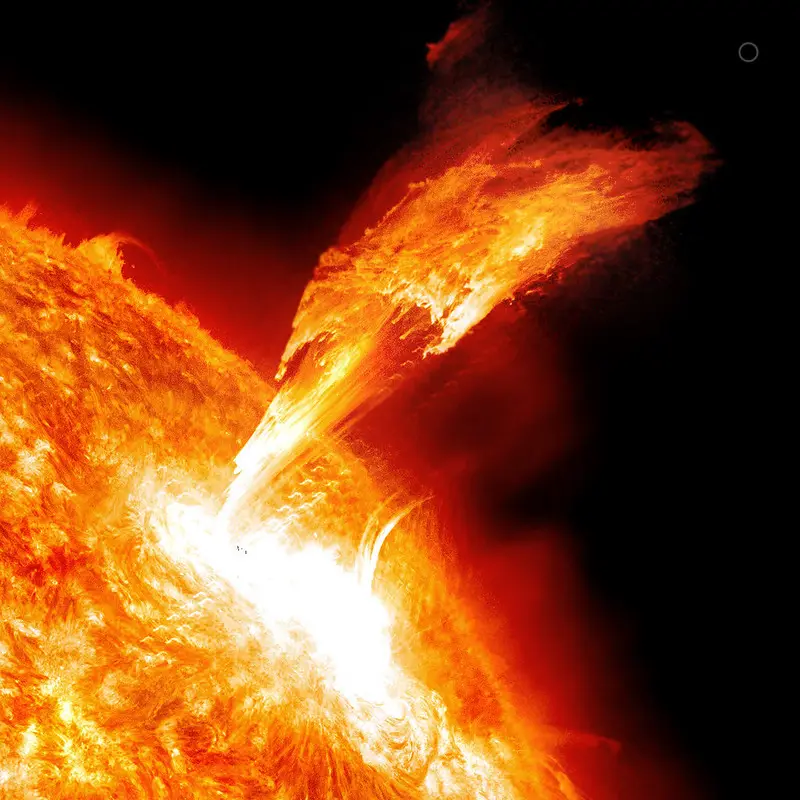
ions are far hotter than the electrons
But a new study has found that it is a million times hotter than the Sun's core. Alexander Russell at the University of St Andrews wrote in a research paper that during key phases of a solar flare, the ions are far hotter than the electrons. He says that they are 6.5 times hotter, and ion temperatures can exceed 60 million degrees Kelvin.
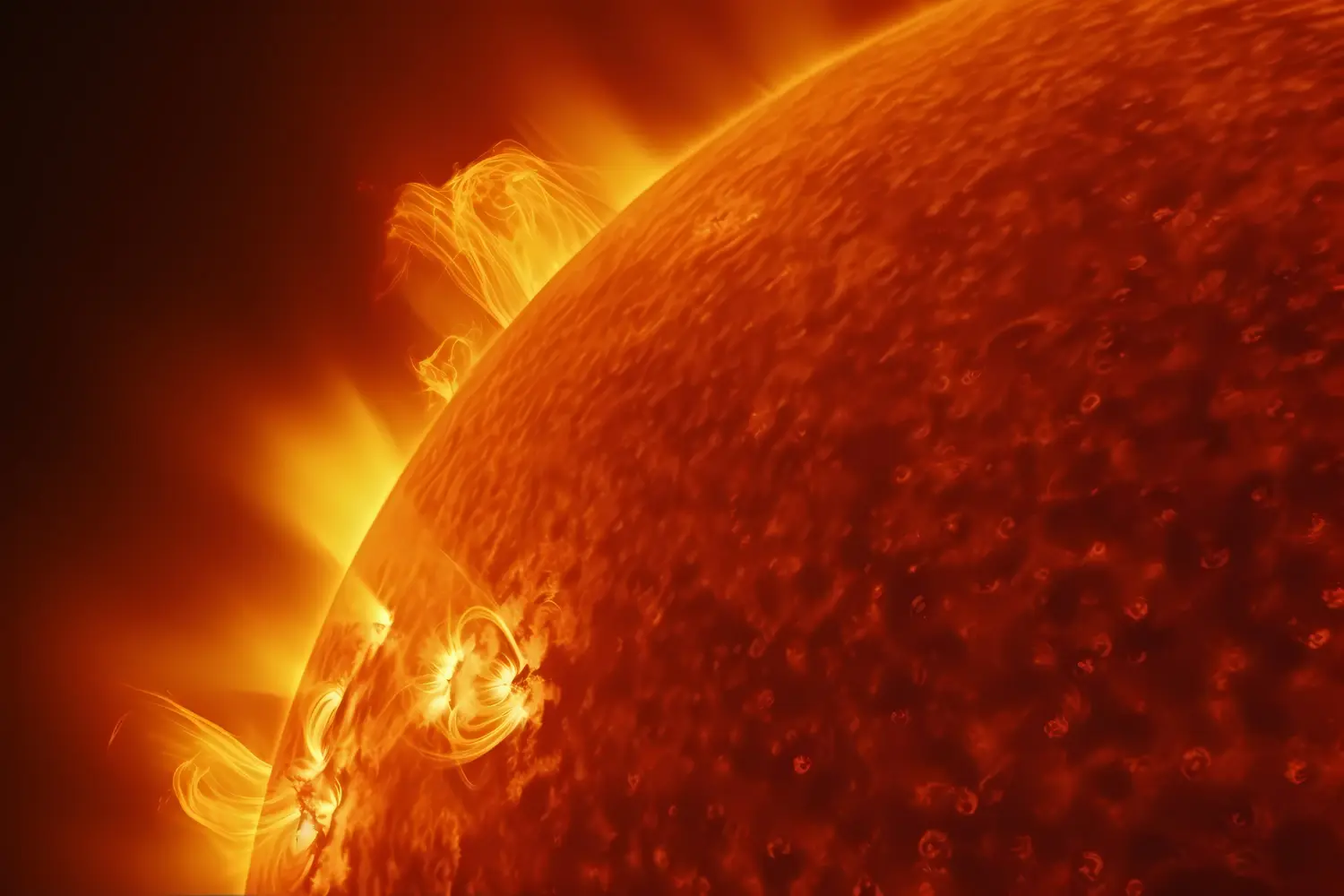
Many flare emission lines appear broader
The researchers say this massive temperature difference also explains why a lot of flare emission lines appear broader than expected. They used basic heating physics in flares and used the data from plasma collected over the years to figure out how hot it is. They found that a process called magnetic reconnection makes ions hotter than electrons.
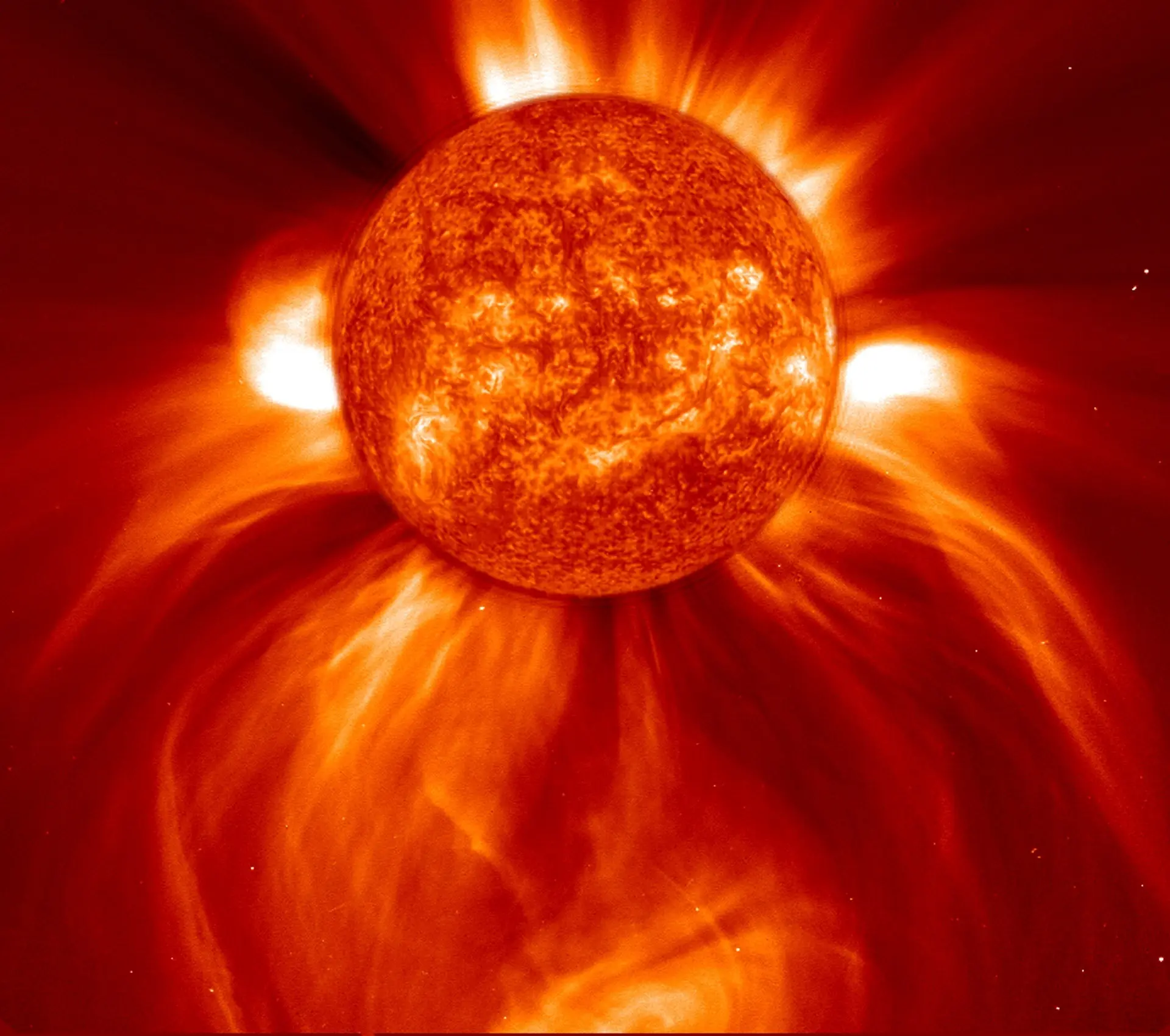
Magnetic reconnection was heating ions
The process caused stressed magnetic field lines to snap and rapidly rejoin. They noticed that this was happening at a surprisingly consistent ratio. “We were excited by recent discoveries that a process called magnetic reconnection heats ions 6.5 times as much as electrons,” Russell explained.

Simulations confirmed ions were heating 6.5 times more than electrons
He said that what they observed seems to be a universal law, which, when applied to the Sun, gave startling results. They carried out near-Earth space, the solar wind and computer simulations, and all of them confirmed that magnetic reconnection heats ions 6.5 times more than electrons.

Solar flares can get as hot as 60 million Kelvin
The researchers noted that when a solar flare is in its early phase and high above the bright loop of hot plasma, the temperature can soar past 60 million Kelvin. This higher temperature than the electron can persist for tens of minutes. Spectral lines, the bright features that exist at specific ultraviolet and X-ray wavelengths, were seen to get wider when the particles emitting them are hotter and moving faster.
Superhit ions spread light far and wide
These wide lines were a mystery for over 50 years. Scientists believed they were a result of unresolved turbulent motions. Russell and his team sat down to understand what was happening, and their simulations showed that super-hot ions were causing some lines to get wider. When ions are superhot, they emit light that spreads over a wider range of wavelengths.
)
)
)
)
)