6 ways Rolls-Royce makes its cars impossibly quiet

Rolls-Royce uses special tyres, about 100 kg of insulation, double-glazed glass, and even endoscopes to make their cars nearly silent. Learn how tech and design come together to build the quietest luxury cars in the world.
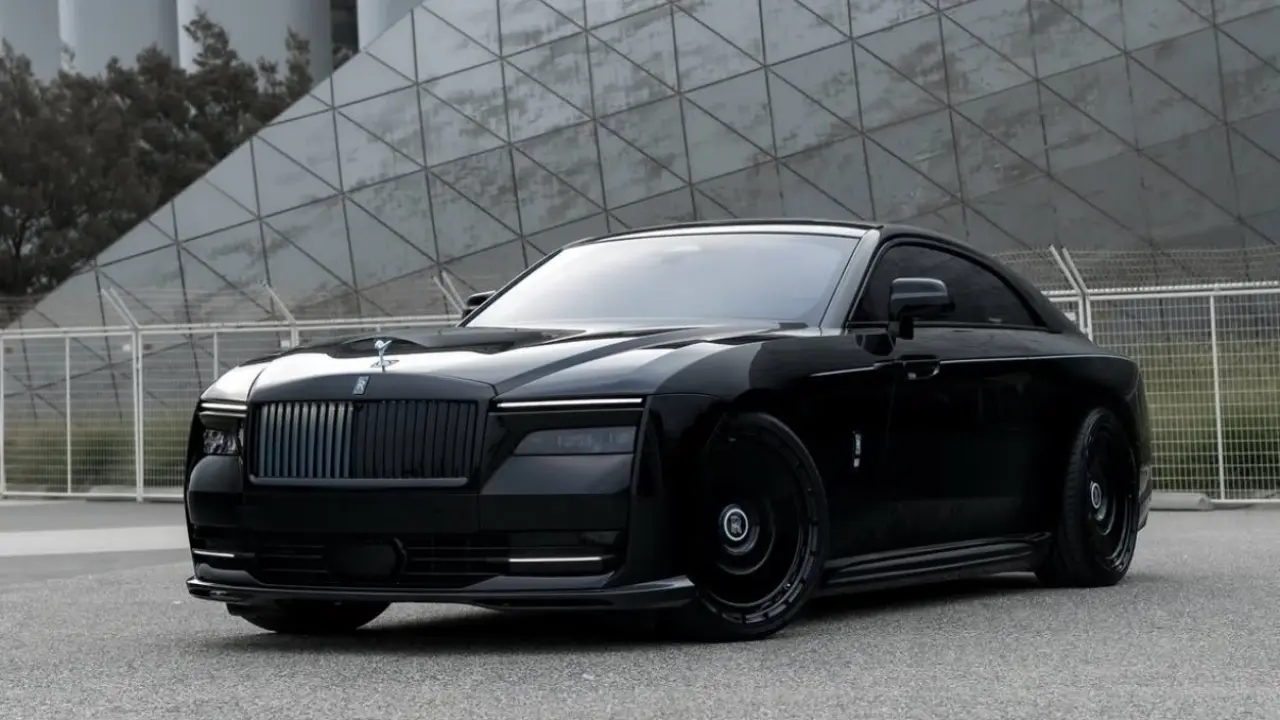
Rolls‑Royce once advertised
“At 60 mph, the loudest noise comes from the electric clock.” That promise of silence remains today. These luxury cars use some of the most detailed sound-deadening engineering on Earth possible. Let’s explore six smart ways they stay nearly silent on the road.
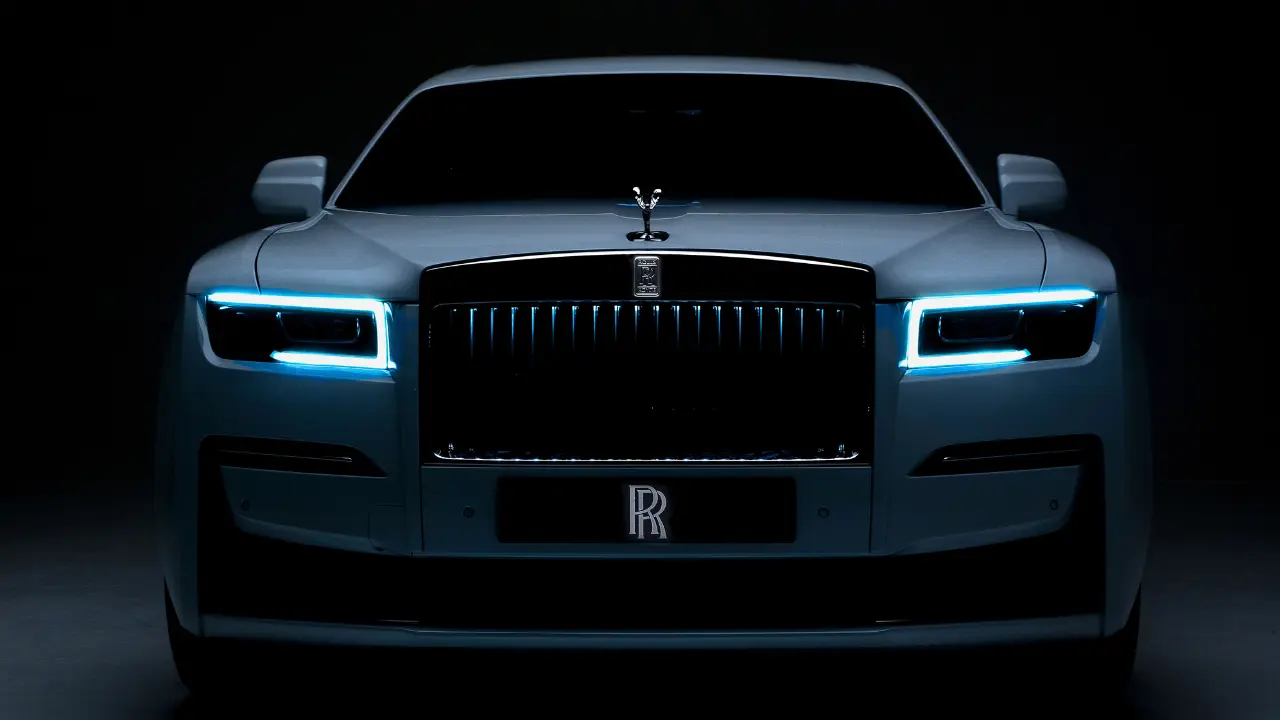
Silent Seal Tyres
Rolls‑Royce designs special tyres with foam lining inside. This foam reduces cavity noise, cutting down tyre rumble dramatically. These are bespoke designs made just for Rolls‑Royce, ensuring a smooth, quiet ride from the ground up.
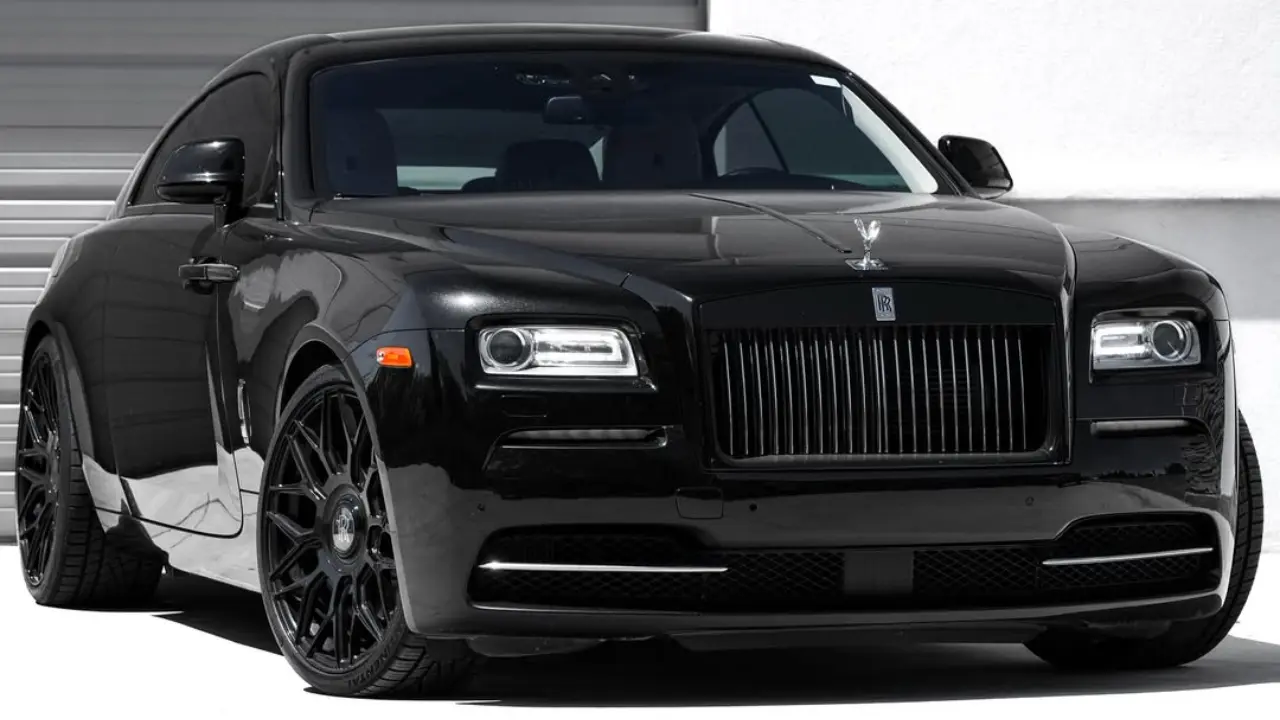
Over 100 kg of Insulation
A modern Rolls‑Royce hides more than 100 kg of sound-deadening material in its body. Which includes hidden insulation in the doors, floor, and roof, creating a quiet cocoon for passengers even at high speeds.
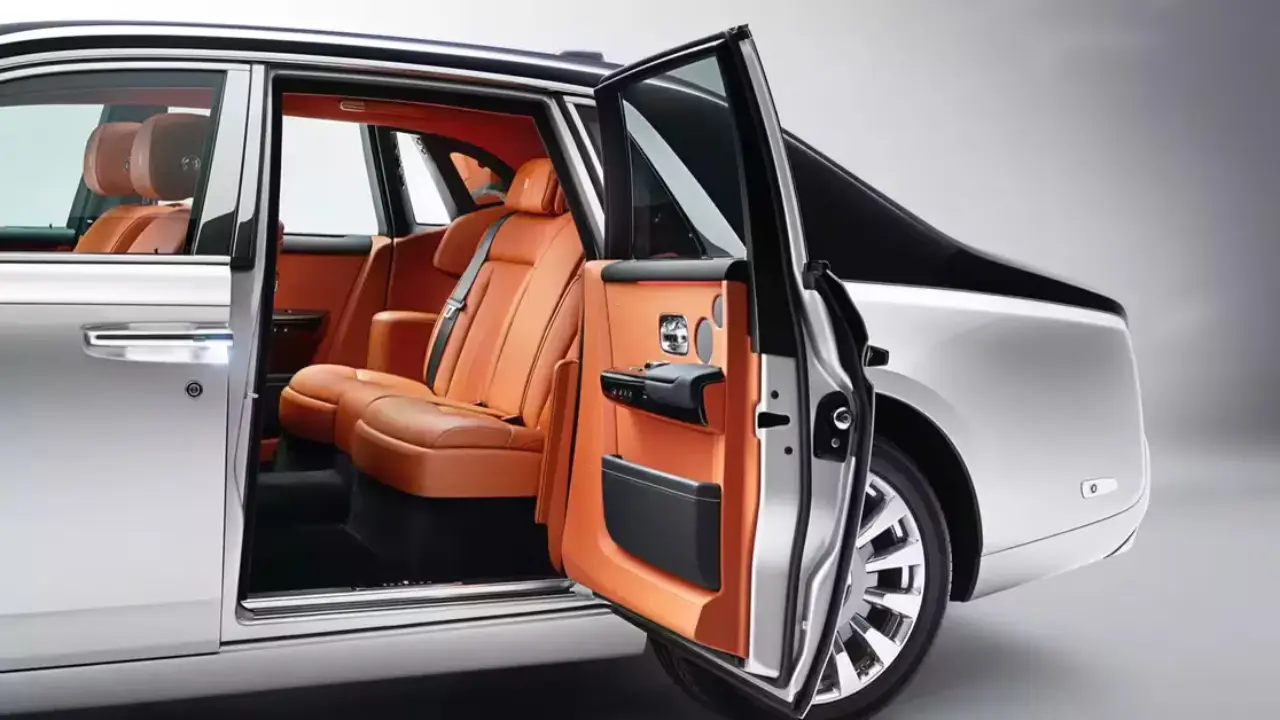
Double-Glazed Windows
Each Rolls‑Royce window features two panes of glass with an acoustic membrane in between. This blocks wind and street noise far more effectively than normal windows, keeping the cabin hushed and peaceful.
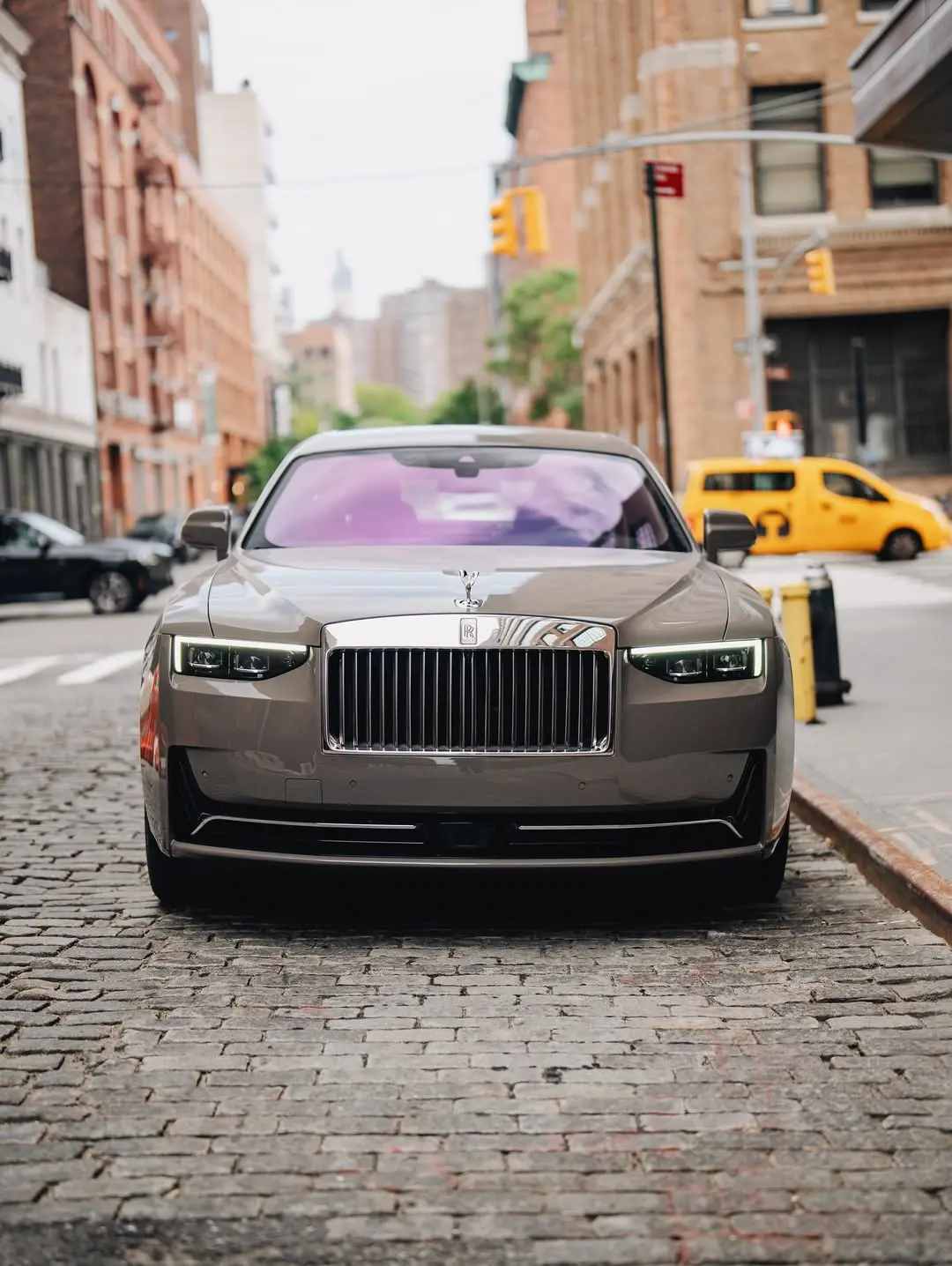
Foamed Body Chassis
The aluminium "Architecture of Luxury" spaceframe is filled with sound-absorbing foam. These dampening materials prevent noise from rattling through the chassis, so the car remains quiet from all directions.
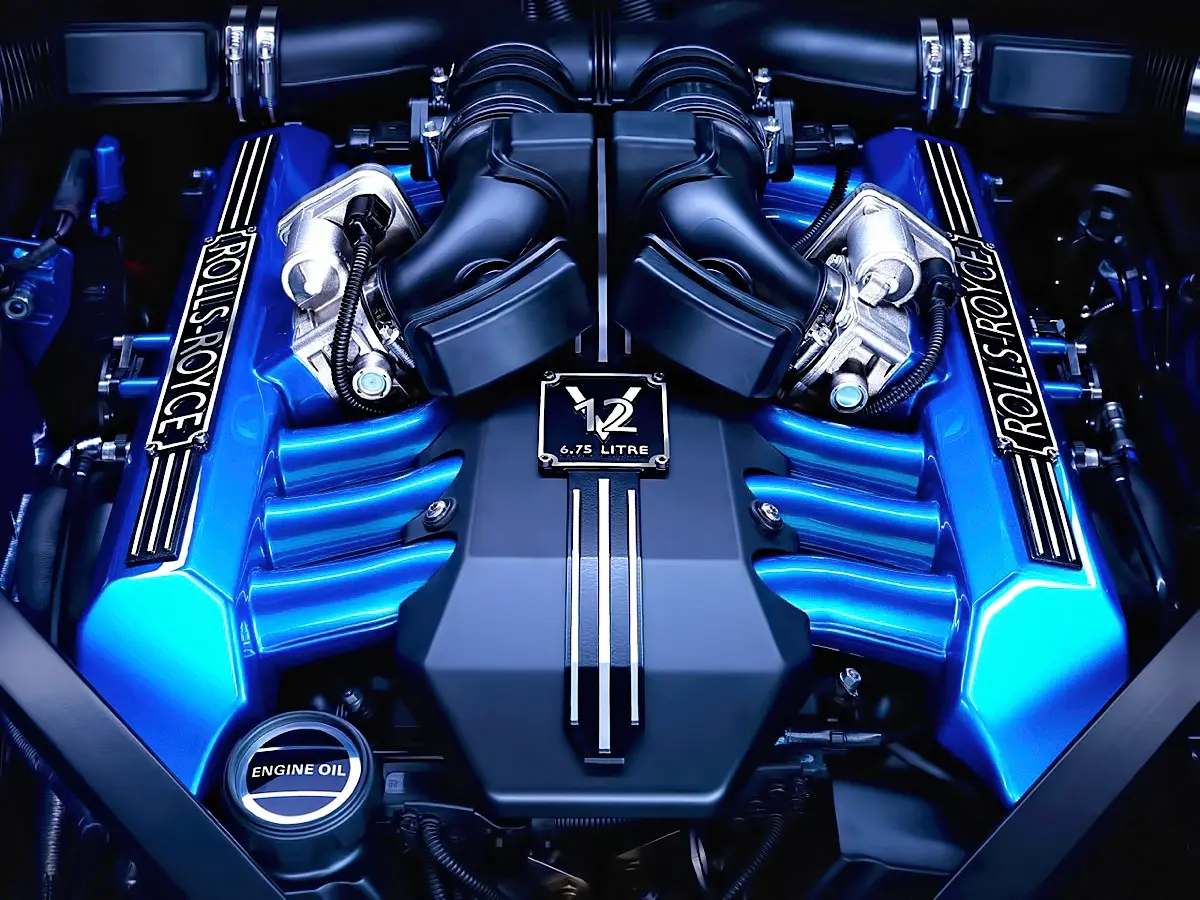
The Whisper-Quiet V12
Rolls‑Royce’s famous 6.75‑litre twin‑turbo V12 engine is built for smooth, silent power and great performance. You feel the strength rather than hear it, all because of the careful engineering and tuning.
Endoscope Cavity Analysis
After sealing tests like simulating monsoon rain, engineers use medical-grade endoscopes to check tiny cavities for moisture. This also ensures that wind can’t sneak through and create noise every seal is tested to stay quiet.
)
)
)
)
)