6 things that could happen if Voyager collides with interstellar dust

Voyager 1 and 2 are travelling through the interstellar medium, a region filled with sparse gas and dust particles. While mostly empty, collisions with denser dust could occur over their billion-year journeys. What would happen if one of the spacecraft struck such a region?
Surface Erosion
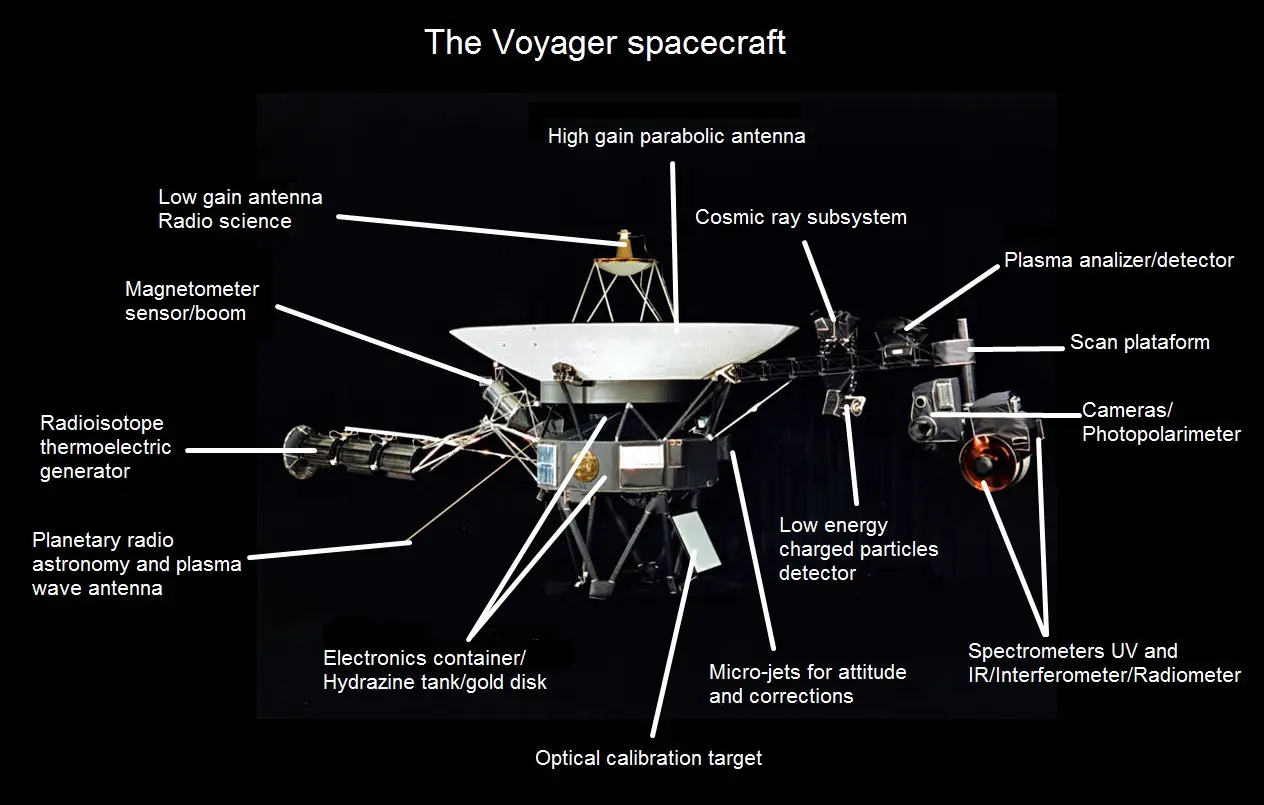
Tiny dust grains, moving at tens of kilometres per second relative to Voyager, could erode its outer layers. Over long timescales, this would strip away insulation, paint, and exposed metal.
Antenna Damage
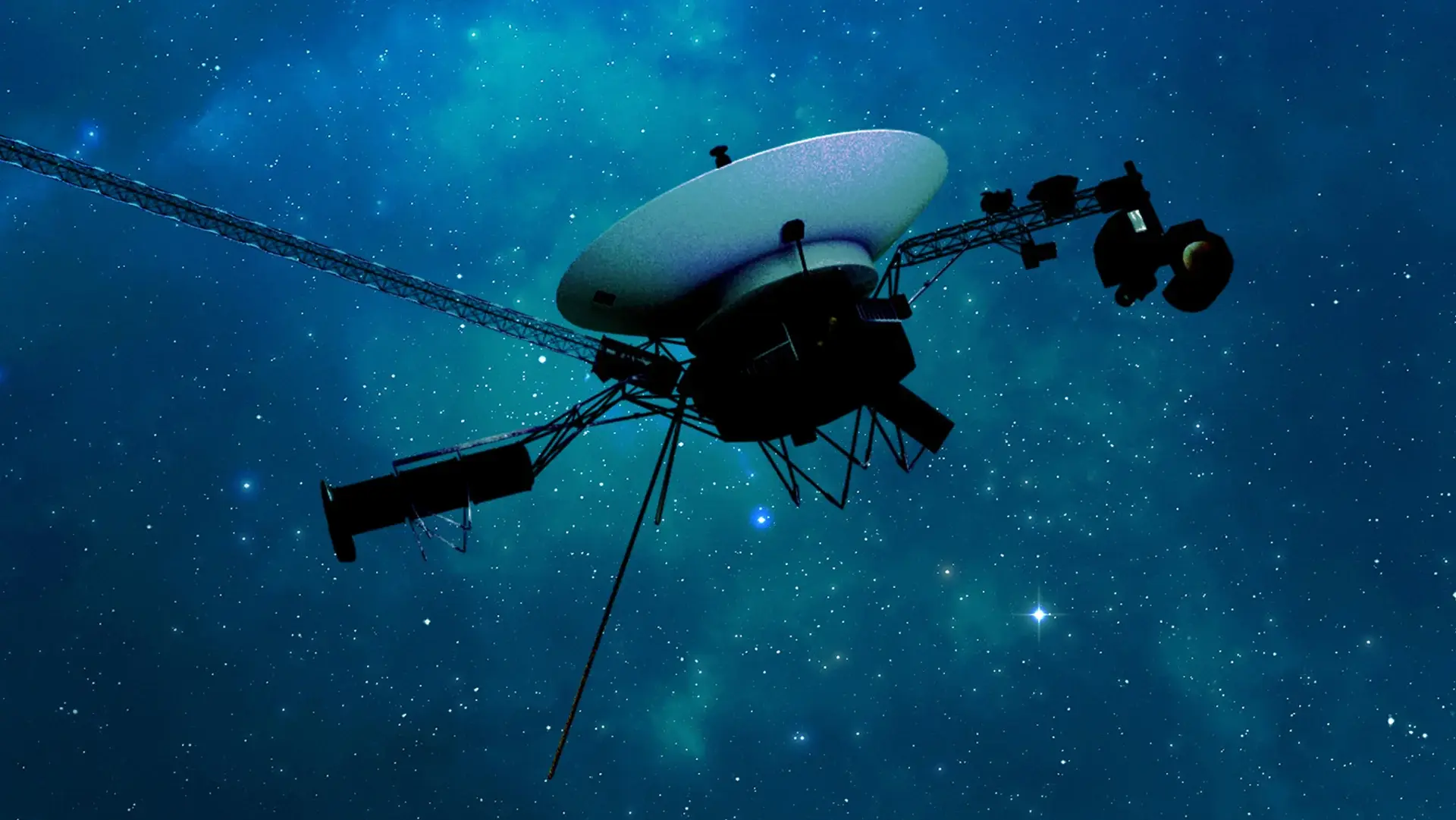
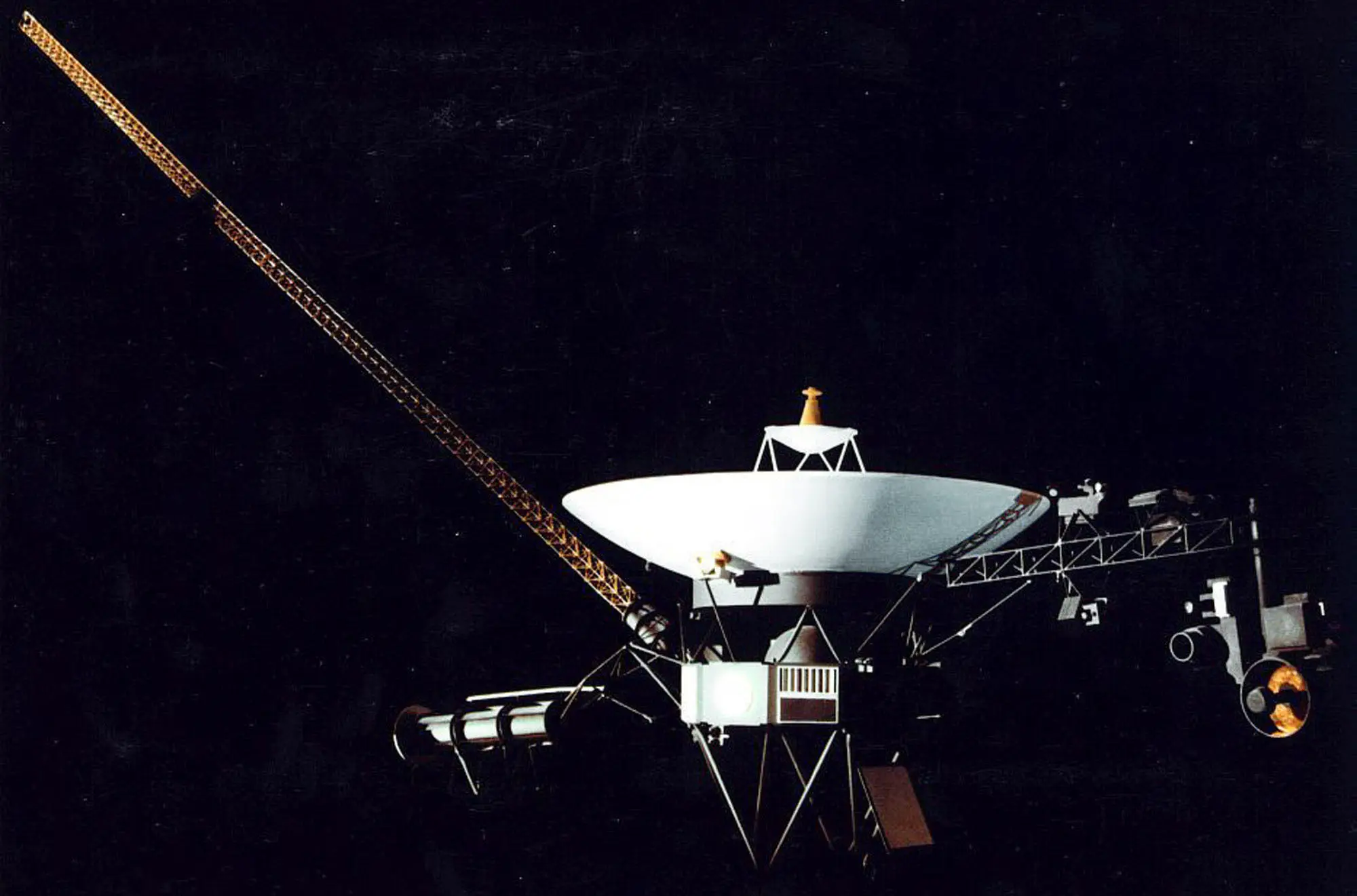
A collision with larger particles could dent or puncture the high-gain antenna, making communication impossible if the spacecraft were still active.
Complete Fragmentation
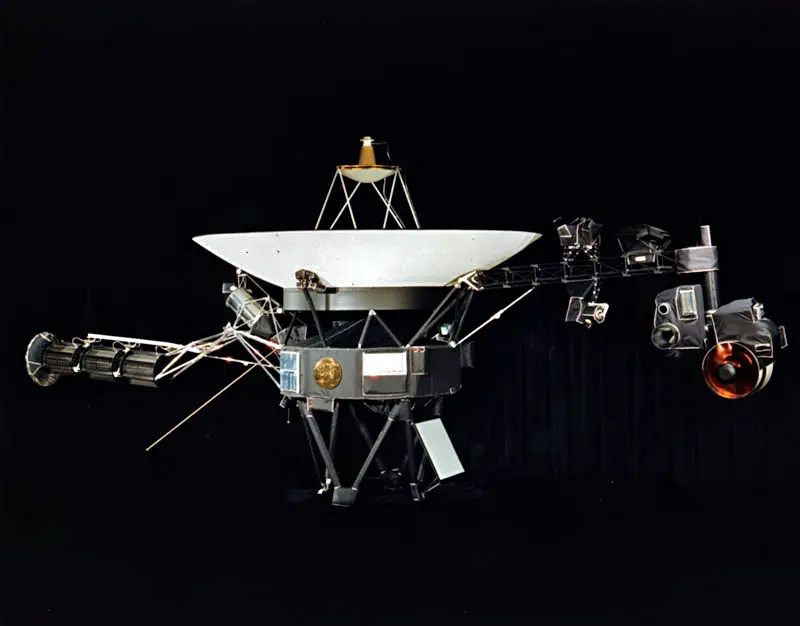
In rare cases, a collision with a large enough particle could destroy the spacecraft entirely, scattering fragments along its path.
Thermal Effects
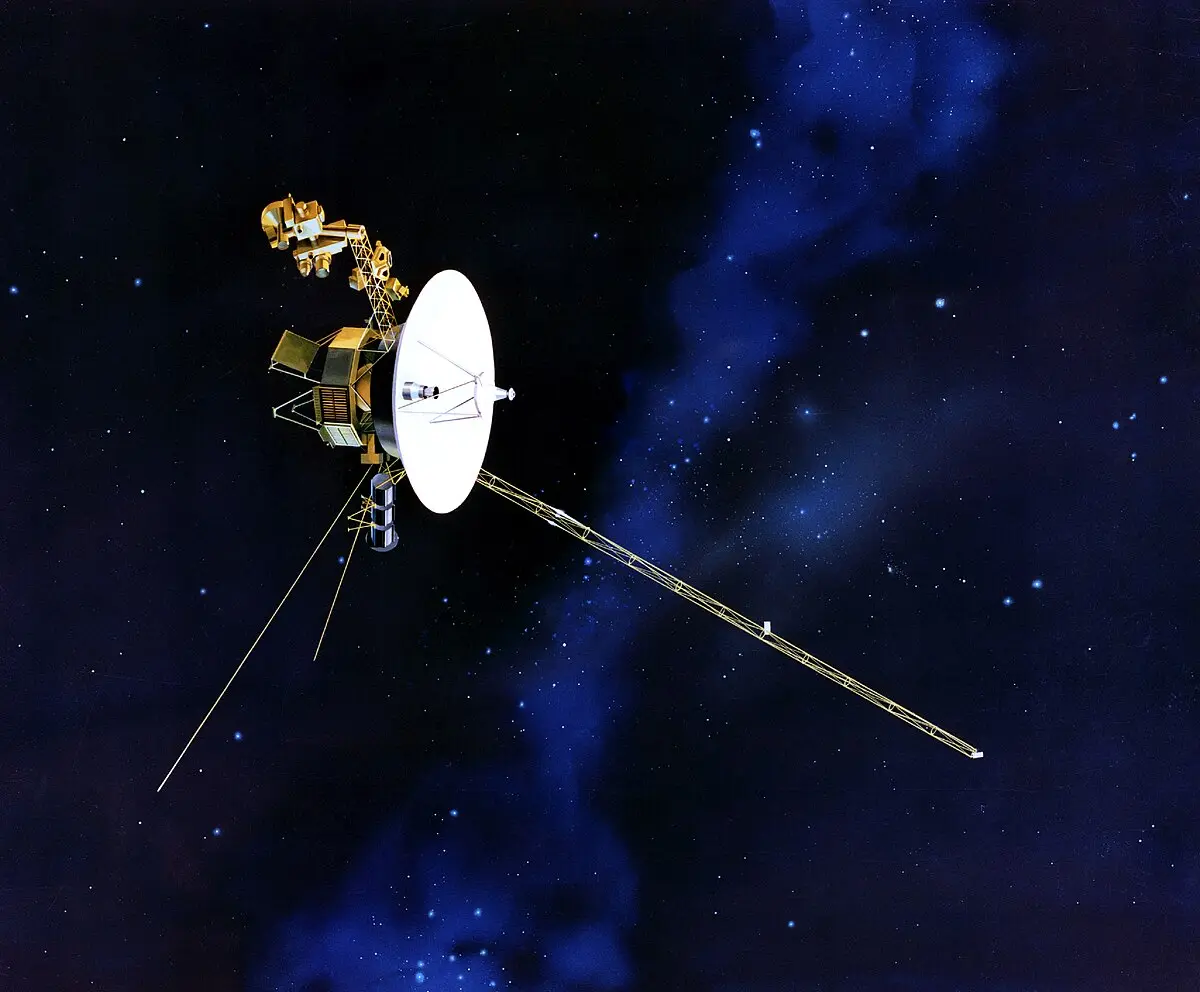
Impacts generate heat. Though minimal, repeated strikes over millions of years could weaken materials by microscopic fracturing and heating.
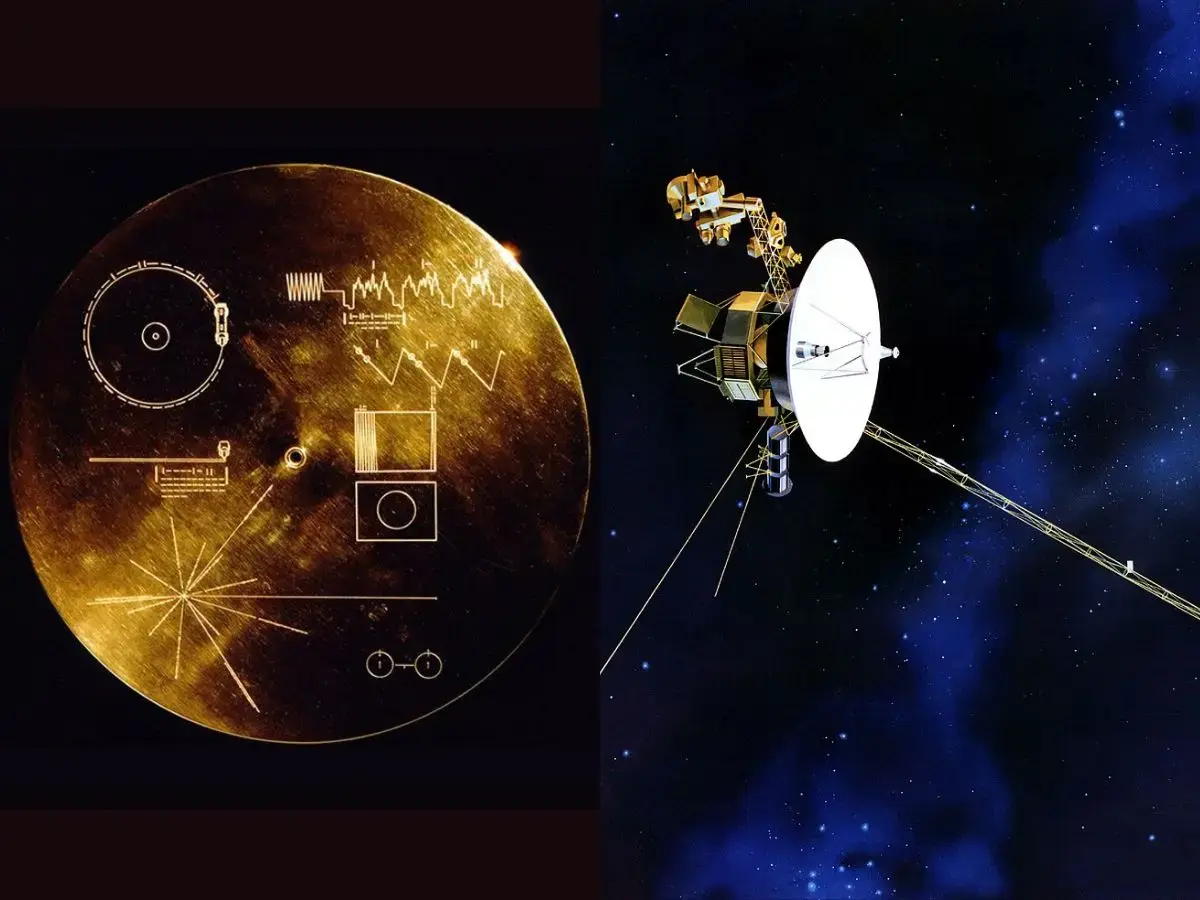
Trajectory Change
Accumulated impacts could slightly alter Voyager’s path, though the change would be too small to notice with current instruments.
Symbolic Survival
Even if the spacecraft were shattered, fragments would still drift through space. In this sense, Voyager would endure as human artefacts scattered across the interstellar medium.
)
)
)
)
)