6 special things to know about NASA's ESCAPADE mission to Mars

NASA's ESCAPADE mission took off for Mars on Thursday. It was launched atop Blue Origin's New Glenn rocket and is special in several ways. Here are some reasons why the New Glenn launch is extremely crucial for future space missions.
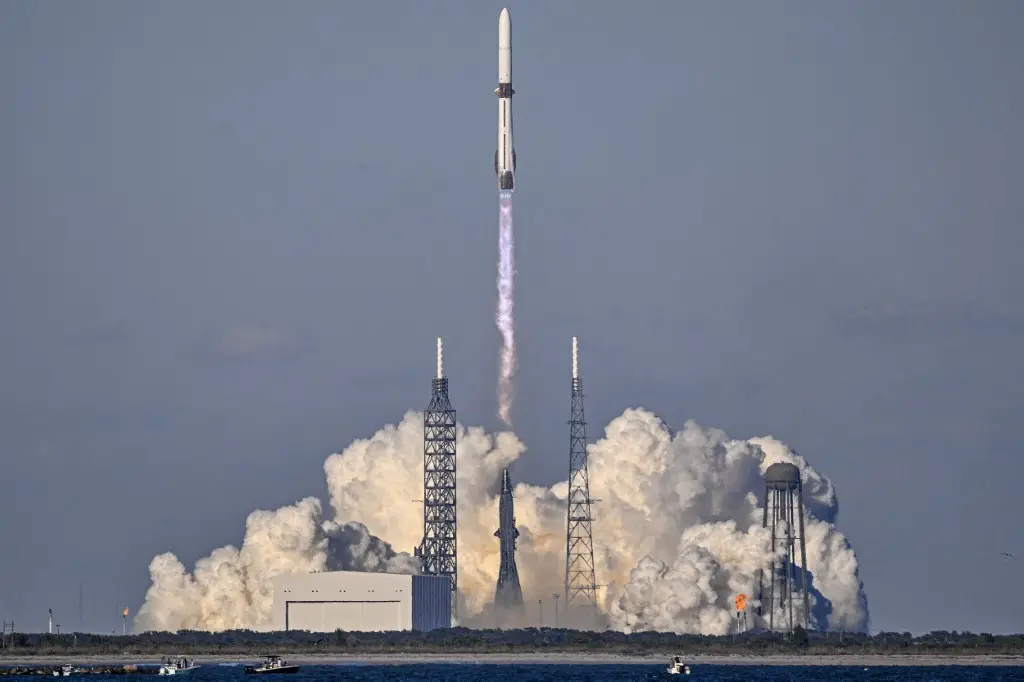
NASA's ESCAPADE mission takes off for Mars
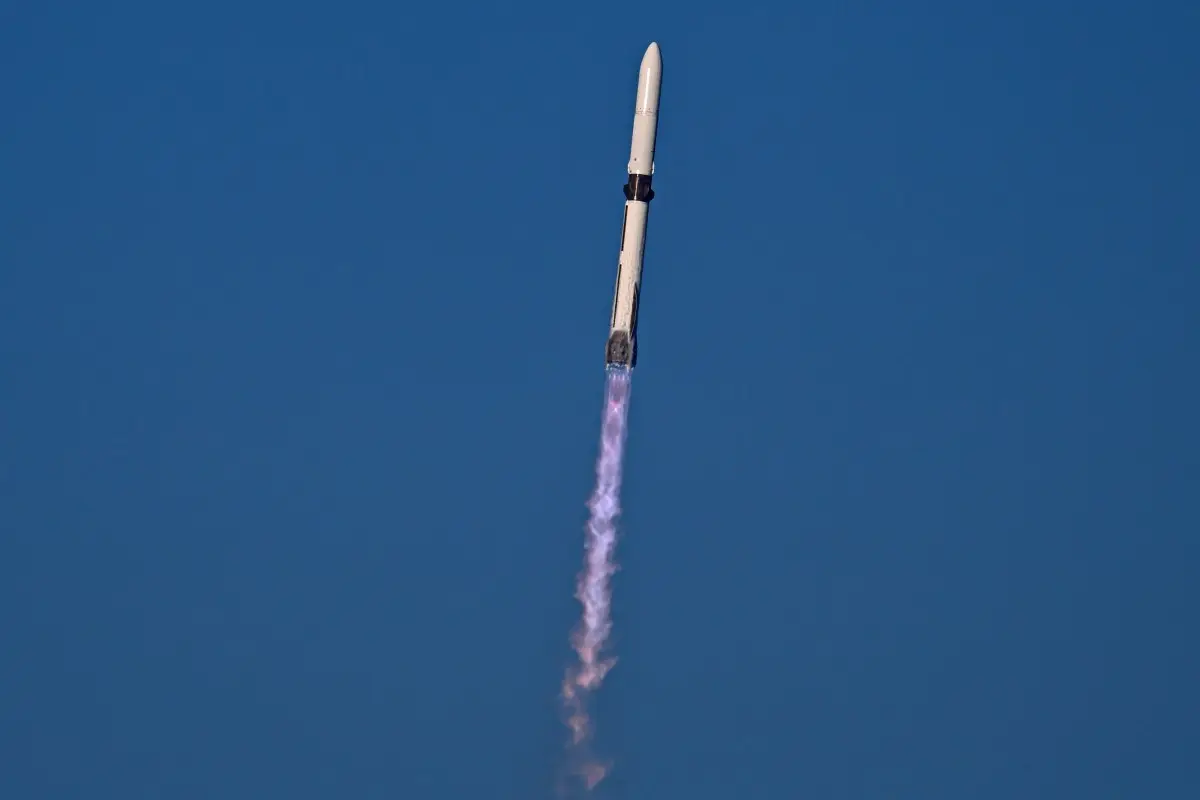
NASA's ESCAPADE, or Escape and Plasma Acceleration and Dynamics Explorers, Mars mission was launched aboard Blue Origin's New Glenn rocket from Florida's Space Coast on Thursday (November 13) after being delayed earlier due to bad weather. The mission is carrying two NASA satellites and is also aimed at achieving a successful return landing of its reusable booster for the first time. This mission is special for several reasons.
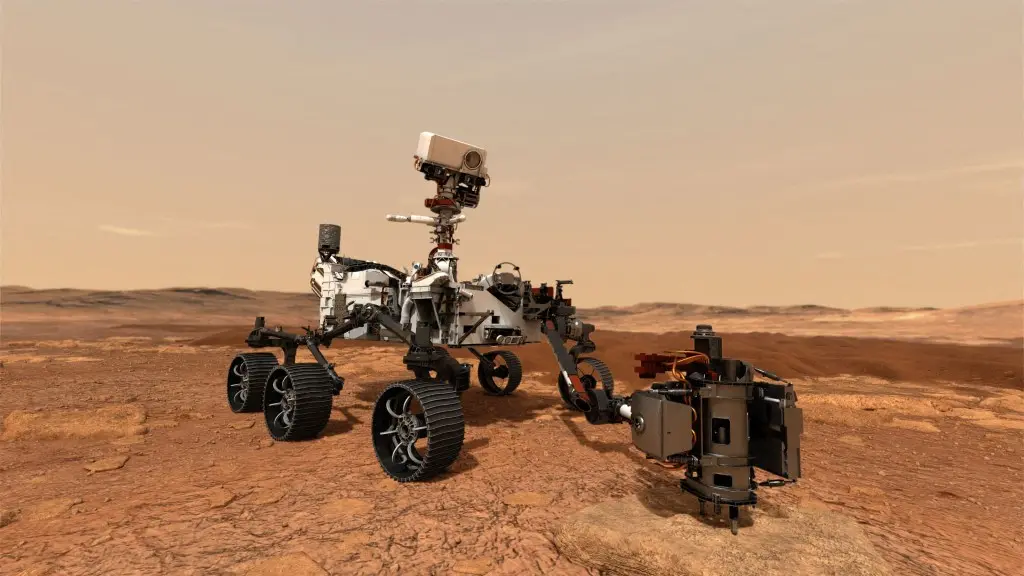
First Mars missions in five years
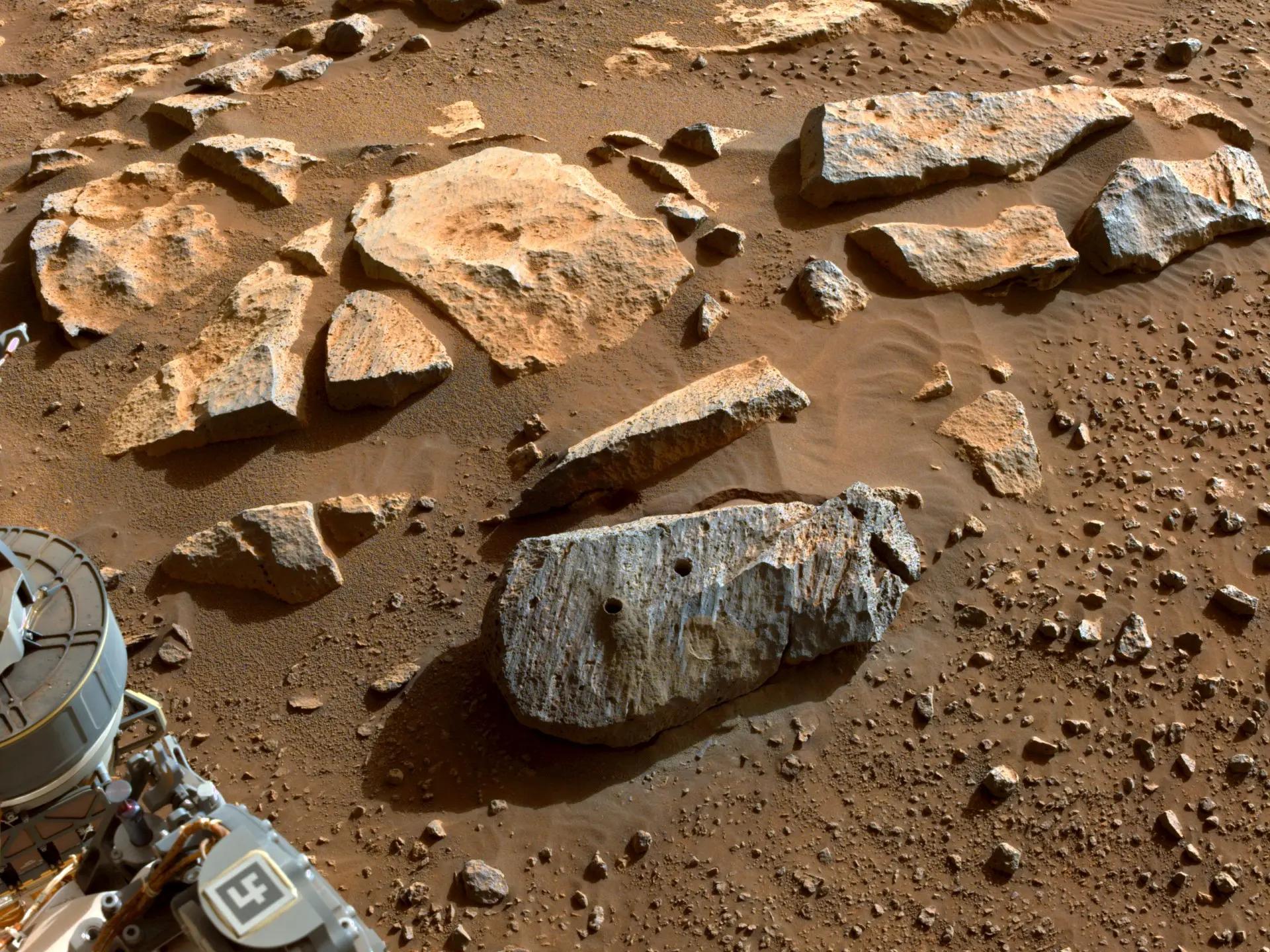
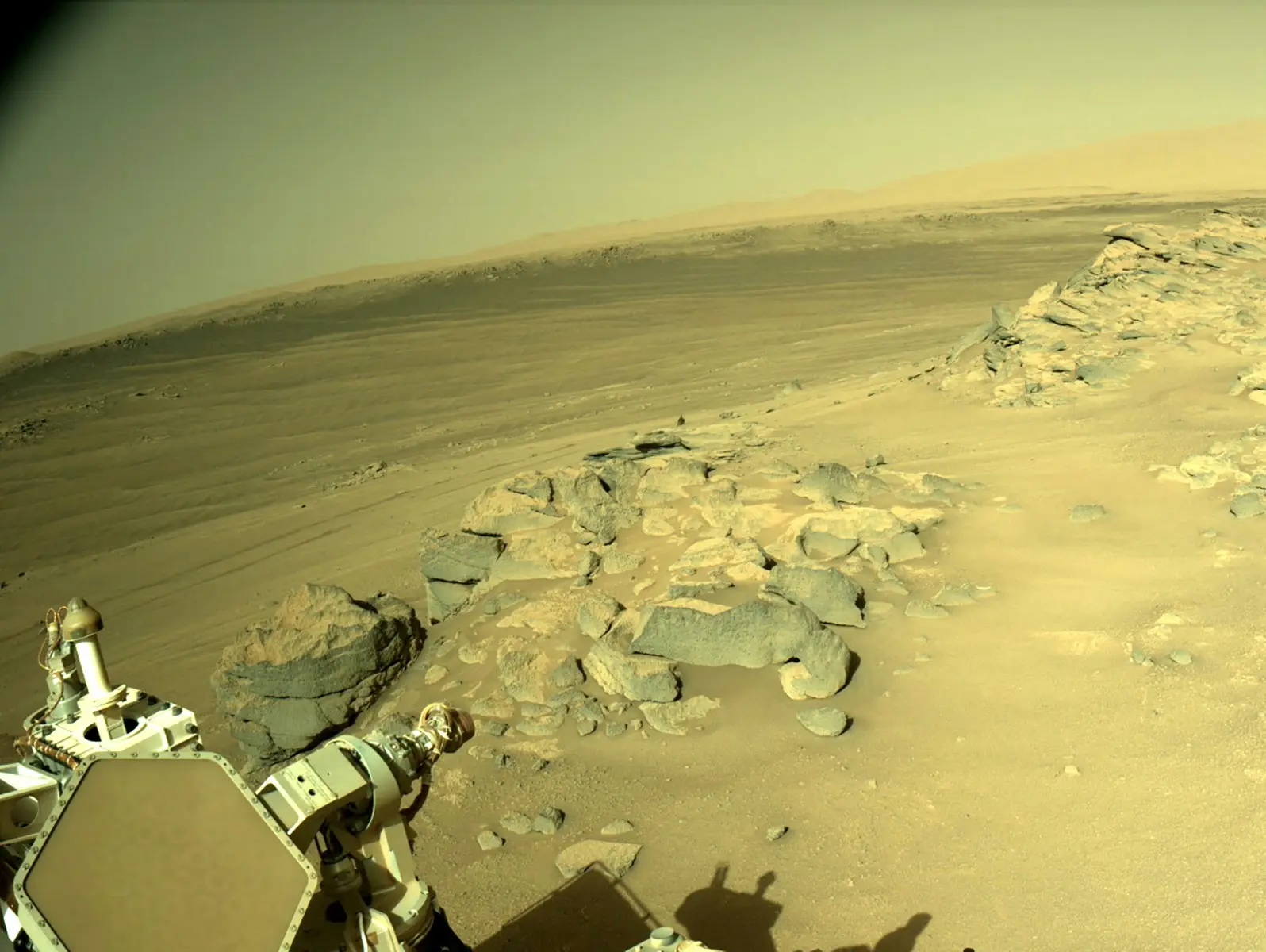
This is the first launch to Mars in over five years. The last Mars mission was in 2020, when NASA sent the Perseverance rover and Ingenuity helicopter aboard the United Launch Alliance Atlas V rocket. Ingenuity completed 72 flights in nearly three years, and it took off for the last time on 18 January 2024. Meanwhile, Perseverance continued to explore the Jezero Crater.
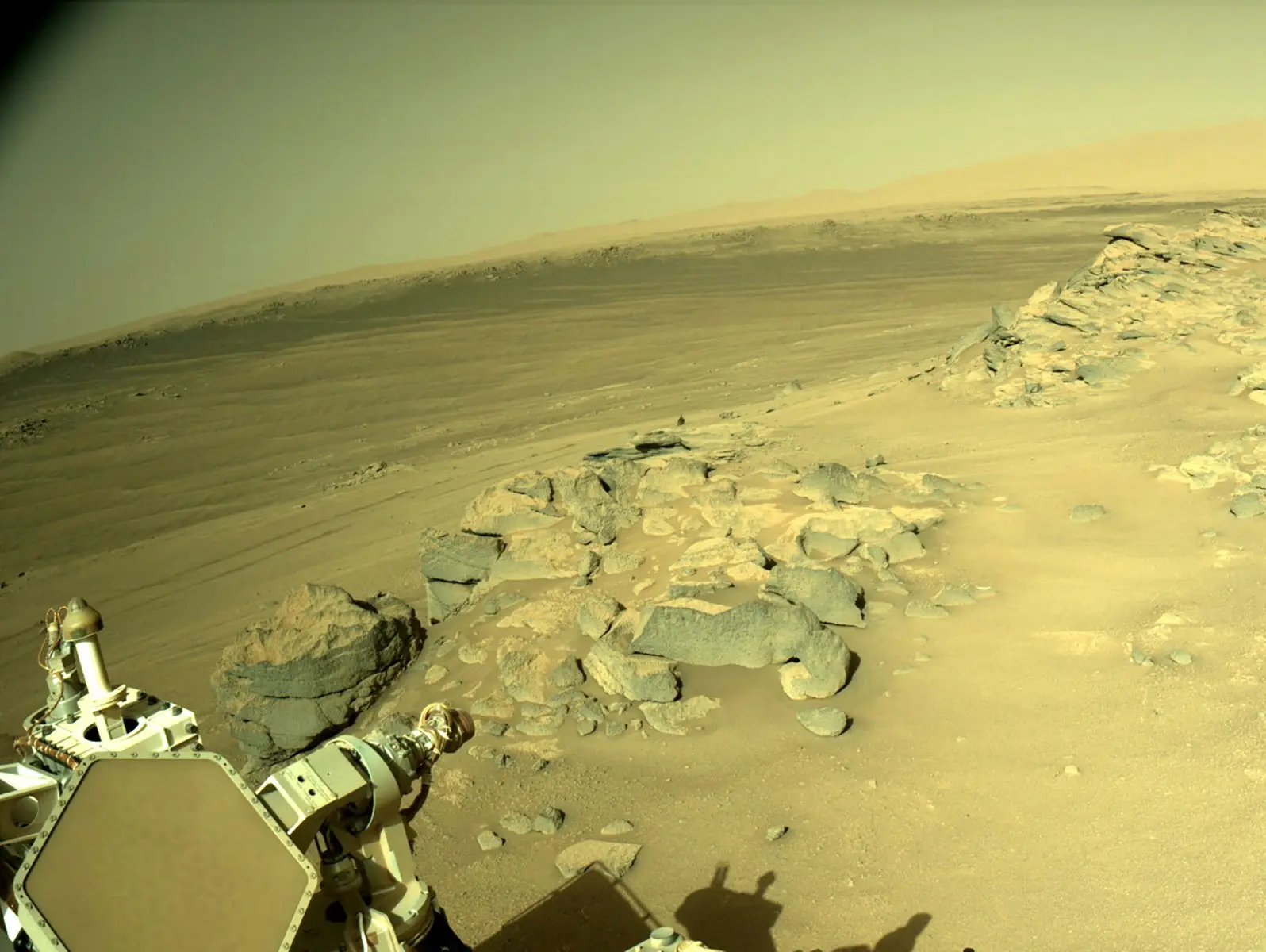
First time two orbiters to Mars were launched together
This is the first time that a Mars mission is carrying two orbiters to Mars. There have been multi-spacecraft Mars missions in the past, such as NASA's Viking 1 and Viking 2, which each carried an orbiter and a lander, and the Mars Exploration Rover mission, which sent two wheeled robots, Spirit and Opportunity, to study the surface of the Red Planet. However, never have two spacecraft meant to hover over Mars been sent together before.
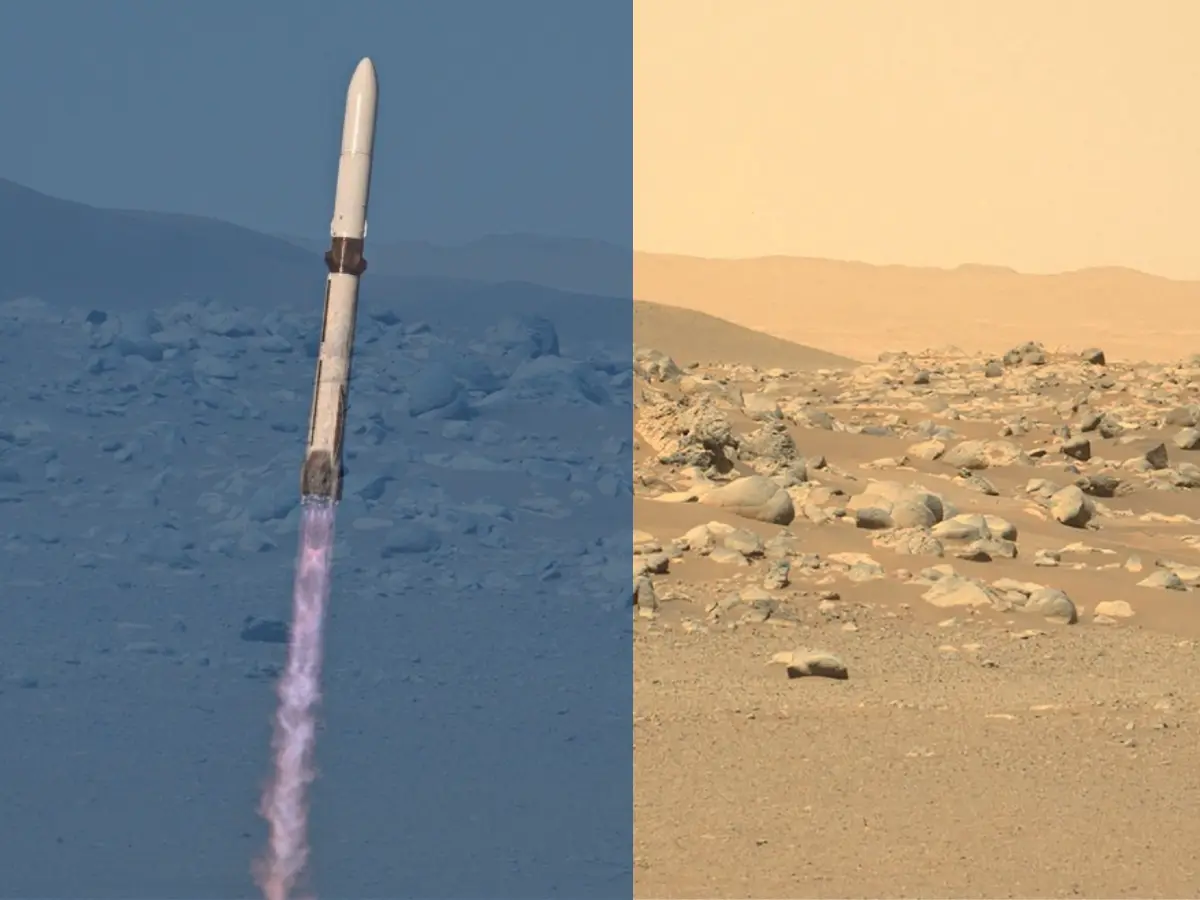
ESCAPADE orbiters will study how Mars lost its atmosphere
NASA said the mission aims to study how Mars lost its thick atmosphere billions of years ago. Both orbiters are carrying the same instruments that will study the interaction of solar particles with Mars' magnetic environment.
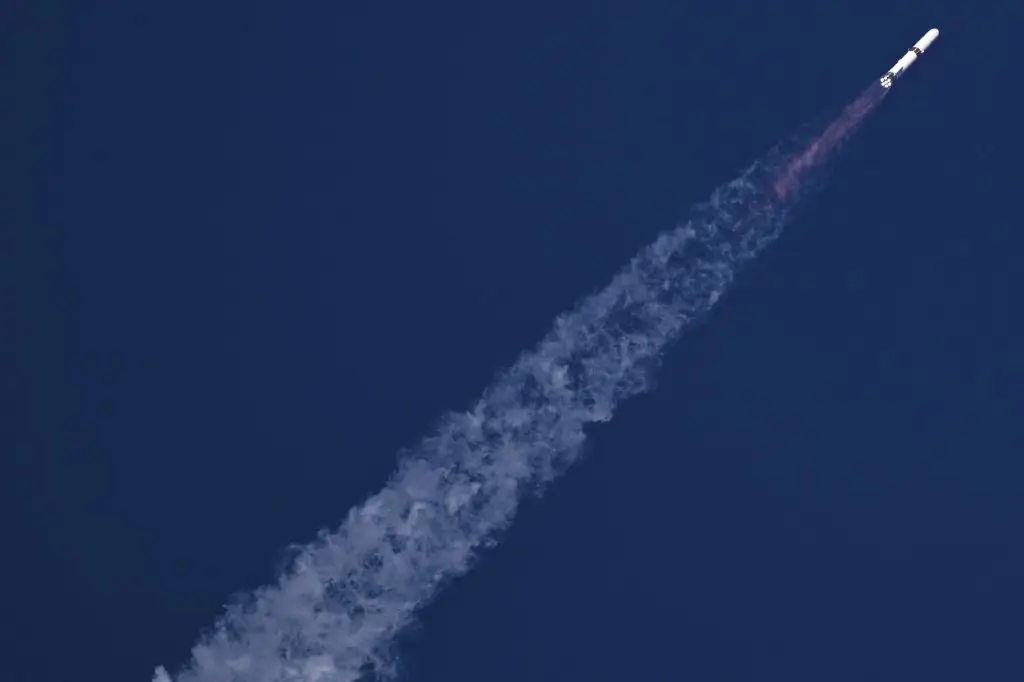
ESCAPADE mission trajectory - A year's wait at Lagrange Point 2
NASA's ESCAPADE mission is using a novel trajectory to reach Mars. Typically, missions are launched when the Mars launch window opens every 26 months, when Earth and Mars are closest to each other. But ESCAPADE will first go to the Sun-Earth Lagrange Point 2, located 1.5 million kilometres from us. They’ll study space weather here for a year before using Earth’s gravity assist for a shover towards Mars. Achieving this trajectory can help future Mars missions to launch every few months in the future instead of waiting 26 months.
Probes atop New Glenn first interplanetary mission by the company that made them
ESCAPADE probes, named Blue and Gold, were built by Rocket Lab, a California-based company which is part of an interplanetary mission for the first time. It is a crucial step for Rocket Lab since it has other interplanetary missions planned, including hunting for signs of life in the clouds of Venus and helping get Martian samples collected by Perseverance safely back to Earth.
Blue Origin's first orbital rocket
New Glenn, the two-stage heavy rocket that launched ESCAPADE, is the first orbital rocket developed by Blue Origin. Before Thursday, it had had only one test launch. Jeff Bezos has grand plans for the 321-foot-tall rocket, sending not only payloads on their desired trajectory, but also flying humans to space. "We are open for business, baby, on New Glenn!" Blue Origin's Ariane Cornell said during the ESCAPADE launch webcast.
New Glenn first stage rocket landing
New Glenn’s first stage can fly at least 25 times, and on Thursday, for the first time, it landed down on its recovery ship, nicknamed Jacklyn (The name of Bezos’s mother). This feature that will make the rocket more affordable and more efficient. During its January flight, it crashed into the sea. But with ESCAPADE, it tasted success, and is now only the second company to do so after SpaceX.
)
)
)
)
)