From Saleem Malik to Mohammad Amir: 6 Pakistani cricketers who were involved in match fixing

From Saleem Malik to Mohammad Amir, here's a look at the six Pakistani cricketers who were involved in match fixing.
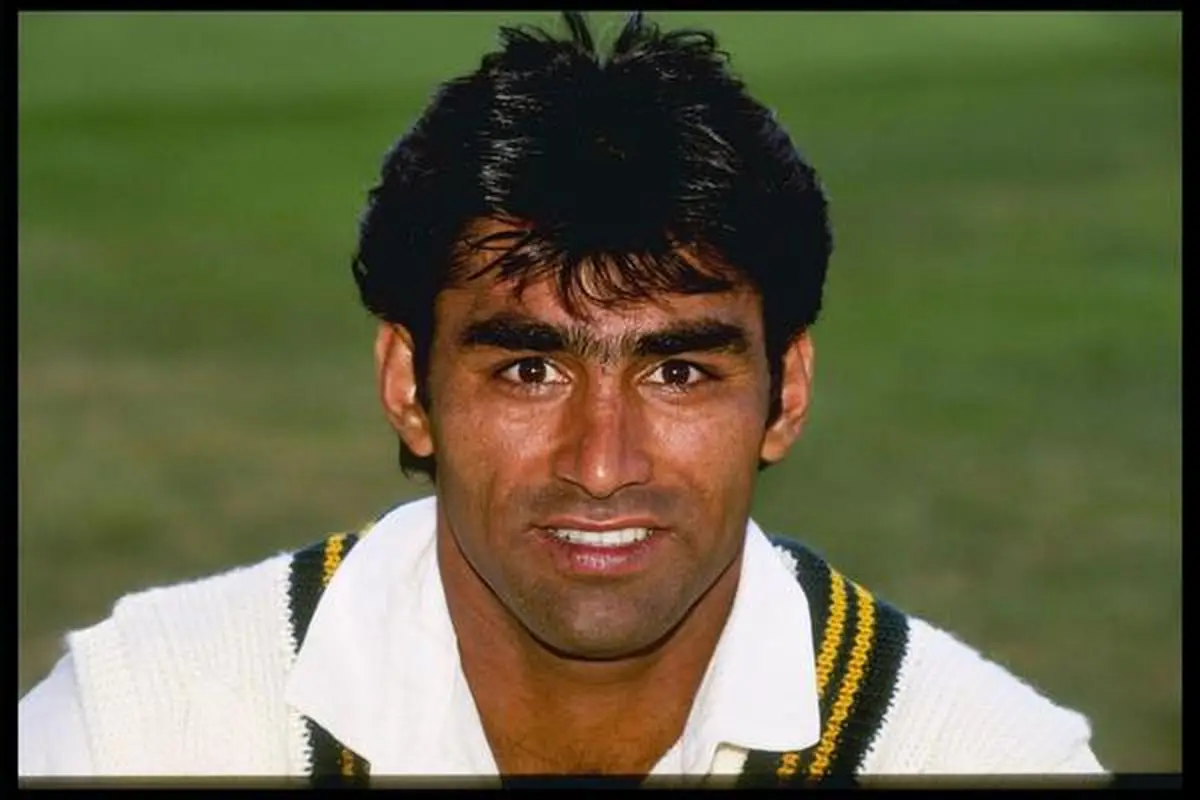
Ata-ur-Rehman
Ata-ur-Rehman made his Pakistan debut in 1992 at the age of 17. In 2000, he was banned for life by the ICC due to his involvement in match fixing. In 2007, the ICC dropped all charges against him, but he never returned to professional cricket.
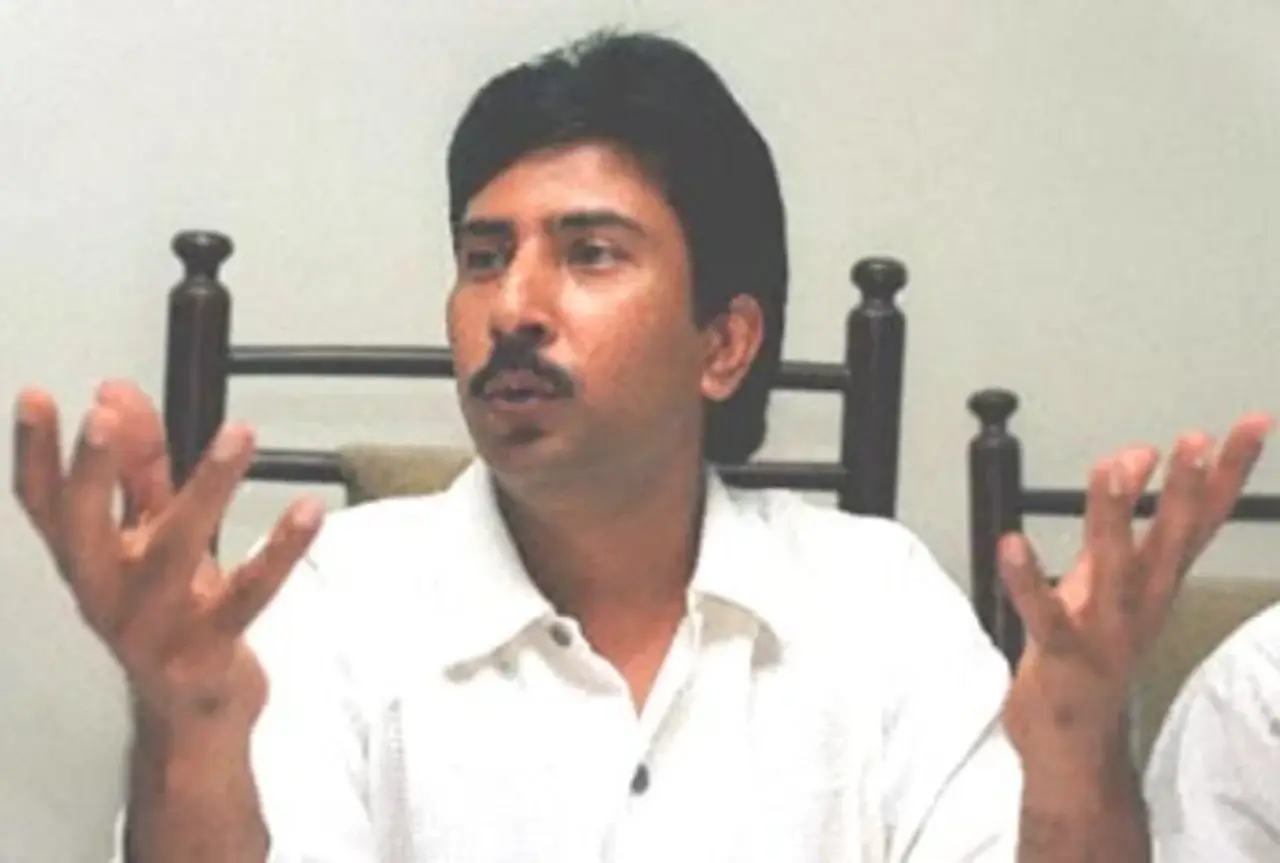
Saleem Malik
Pakistan's batting mainstay in the late 80s and 90s, Saleem Malik, was banned for life in 2000 for match-fixing. Justice Qayyum’s investigation found him guilty, later banning him from all cricket formats.
Australian cricketers Shane Warne and Mark Waugh later confirmed that Malik tried to influence them to lose a Test match in 1994-95. Salim, meanwhile, challenged the ban in 2001, but the court rejected his request. In 2008, the Lahore court overturned his ban.
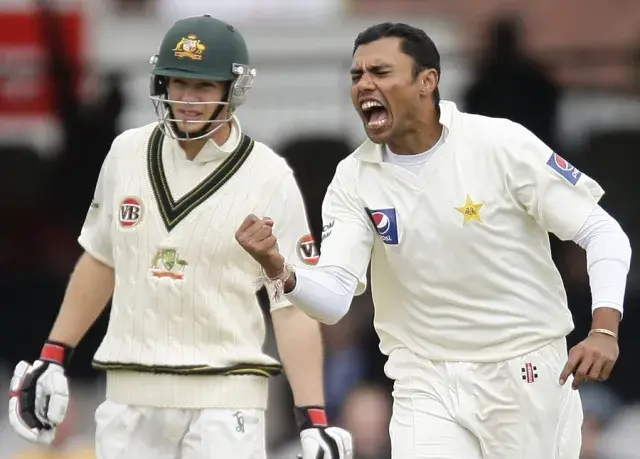
Danish Kaneria
Danish Kaneria was once Pakistan’s leading spin bowler, especially effective on turning pitches in the subcontinent. In 2012, he was investigated for fixing-related activities, and although initially cleared, the England and Wales Cricket Board (ECB) found him guilty and handed him a lifetime ban. Kaneria appealed the ban in 2013, but it was not overturned.
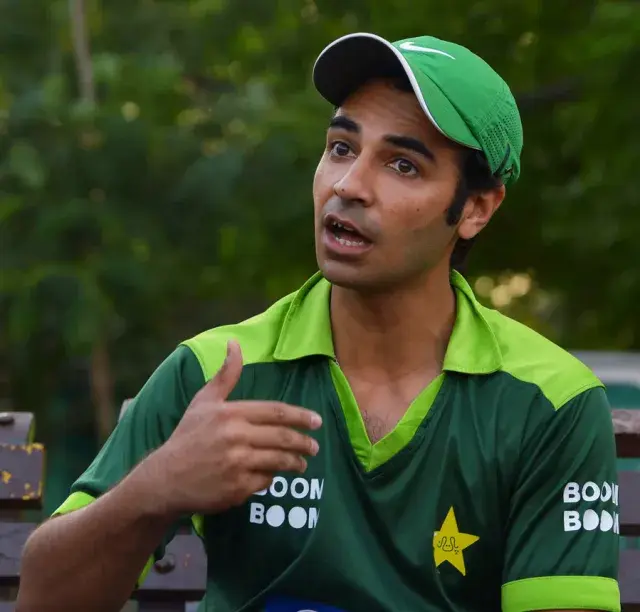
Salman Butt
The former Pakistani captain, Salman Butt, was found guilty of spot-fixing during the team’s 2010 tour of England. He asked his bowlers to bowl no-balls and also allegedly dropped catches after accepting money from agent Mazhar Majeed. The ICC banned Butt later on.
Mohammad Asif
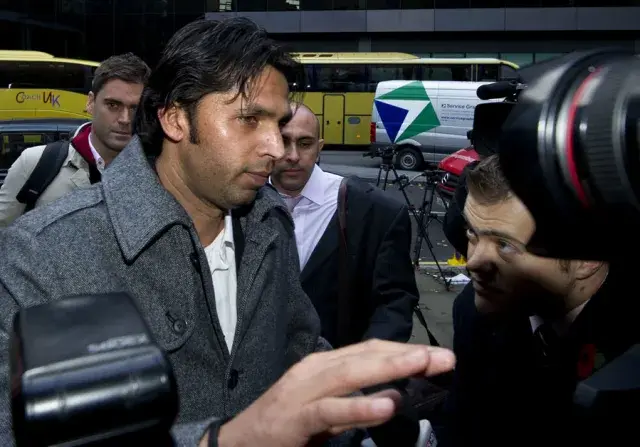
Former Pakistani pacer Mohammad Asif also features on this list. His career was cut short after being found guilty of spot-fixing alongside Butt and Mohammad Amir. He received a five-year ban from the ICC and also spent time in jail after being convicted in the United Kingdom (UK).
Mohammad Amir
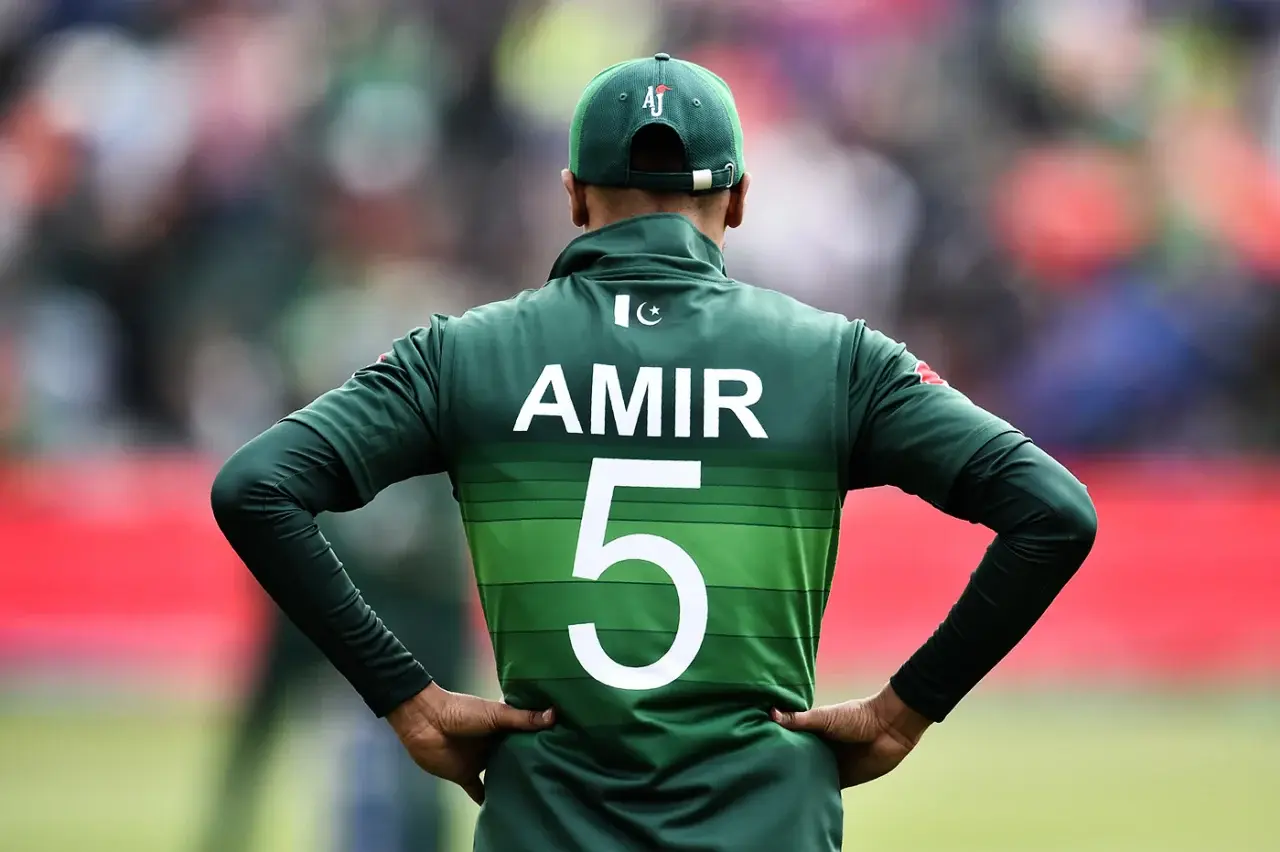
Amir was the youngest of the three players involved in the 2010 spot-fixing case. He bowled no-balls on purpose under the direction of his then-captain, Salman Butt. This incident caught the attention of the ICC’s Anti-Corruption Unit. Amir later served a ban and a jail sentence. Unlike the other players, the Pakistan Cricket Board (PCB) allowed him to return to international cricket in 2016.
)
)
)
)
)