6 mind-blowing facts about the universe that will leave you stunned

From invisible forces shaping the stars to the birth of time itself, here are six discoveries that continue to redefine our understanding of existence.
Introduction
The Universe is far stranger and more astonishing than everyday experience suggests. Modern astronomy has uncovered truths that challenge intuition and reveal a cosmos far more mysterious than we could have imagined. From invisible forces shaping the stars to the birth of time itself, here are six discoveries that continue to redefine our understanding of existence.
1. Most of the Universe Is Invisible
For centuries, scientists assumed that the matter we can see, stars, planets and galaxies, was the essence of the Universe. Yet research shows that all of this accounts for less than 5 per cent of its mass-energy. About 27 per cent is dark matter, an unseen substance detected only by the gravitational pull it exerts. Stranger still, roughly 68 per cent of the Universe is made up of dark energy, a mysterious phenomenon discovered in 1998 that appears to accelerate cosmic expansion. Together, these invisible components mean that everything studied by science until recently is just a sliver of reality.
2. The Universe Was Born in a Fireball
The Universe has not always existed. Evidence shows it began 13.82 billion years ago in the Big Bang, when all matter, energy, space and even time erupted into existence. As the fireball expanded and cooled, galaxies eventually formed from the debris. The idea that everything emerged from 'a day without a yesterday' was once controversial, but the evidence is overwhelming. The question of what happened before the Big Bang remains one of the deepest puzzles in physics.
3. Black Holes Lurk in Every Galaxy
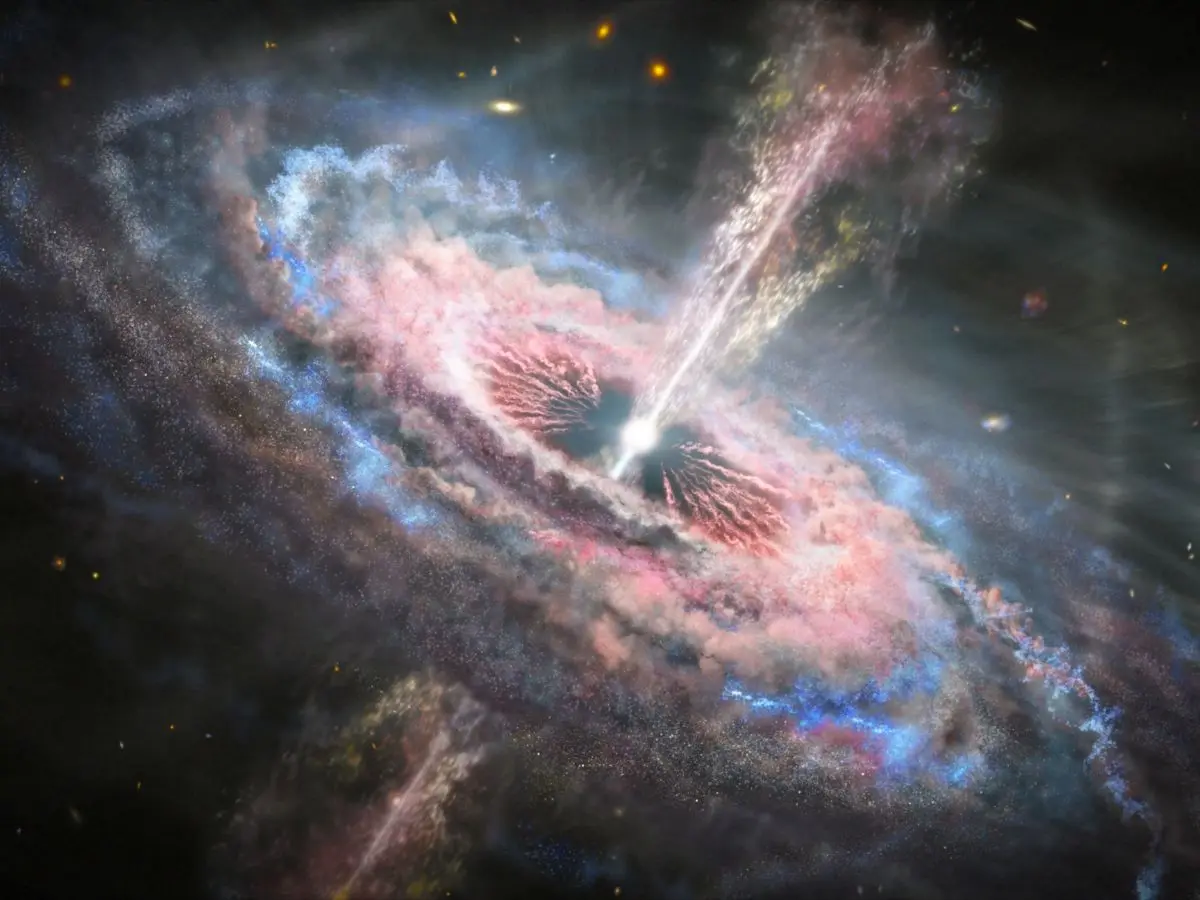
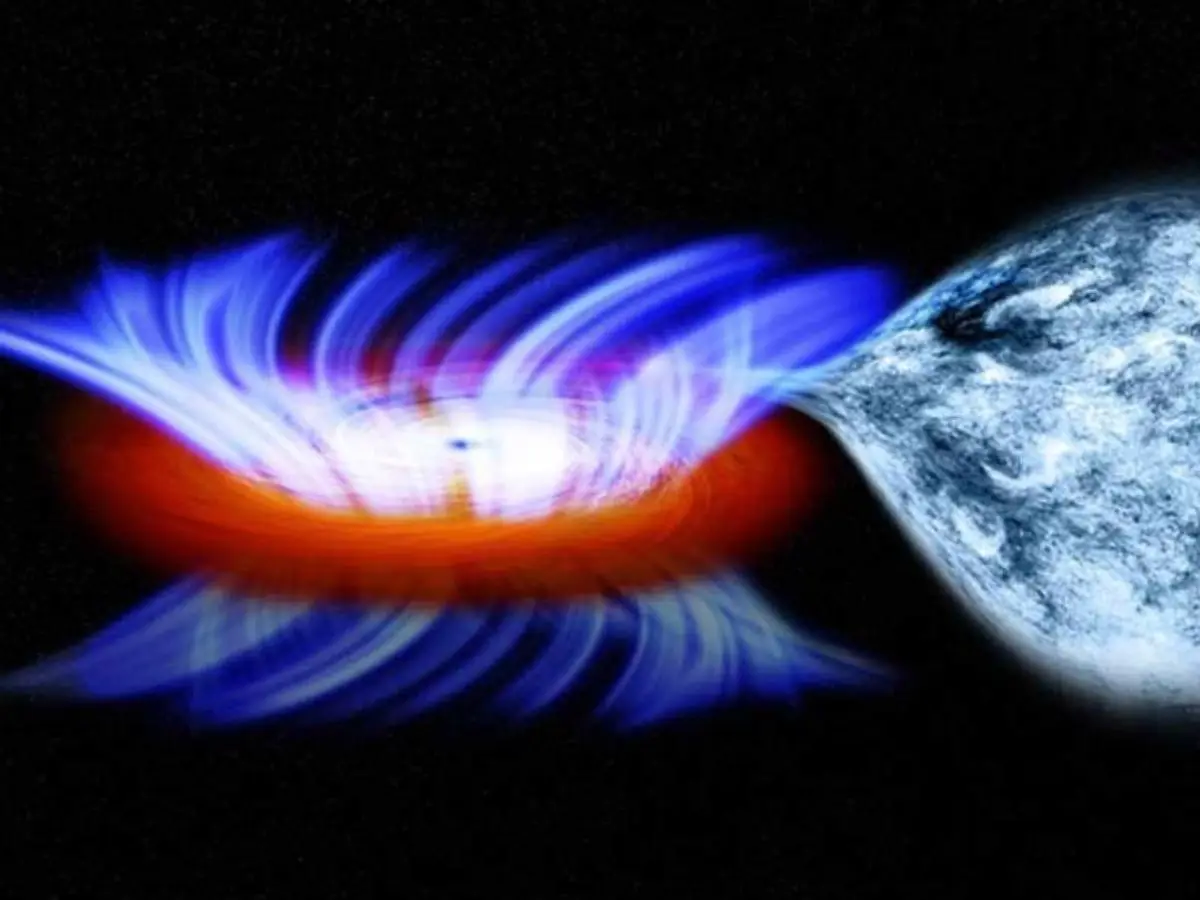
In 1963, astronomers discovered quasars, enormously bright objects powered not by stars but by matter spiralling into colossal black holes. We now know that nearly every galaxy, including the Milky Way, contains a supermassive black hole at its heart. Some grow to tens of billions of times the mass of the Sun. These black holes may have shaped galaxies themselves, though whether they formed first or emerged afterwards is still unknown.
4. The Universe Has the Same Temperature Everywhere
The Cosmic Microwave Background, faint radiation left over from the Big Bang, is detectable in all directions. Its temperature is remarkably uniform at 2.7 degrees above absolute zero. The paradox is that regions of the sky on opposite sides of the Universe should never have been in contact to exchange heat. To resolve this, scientists propose that the Universe underwent a brief but staggering burst of expansion, known as inflation, just moments after the Big Bang.
5. Gravity Does Not Always Pull
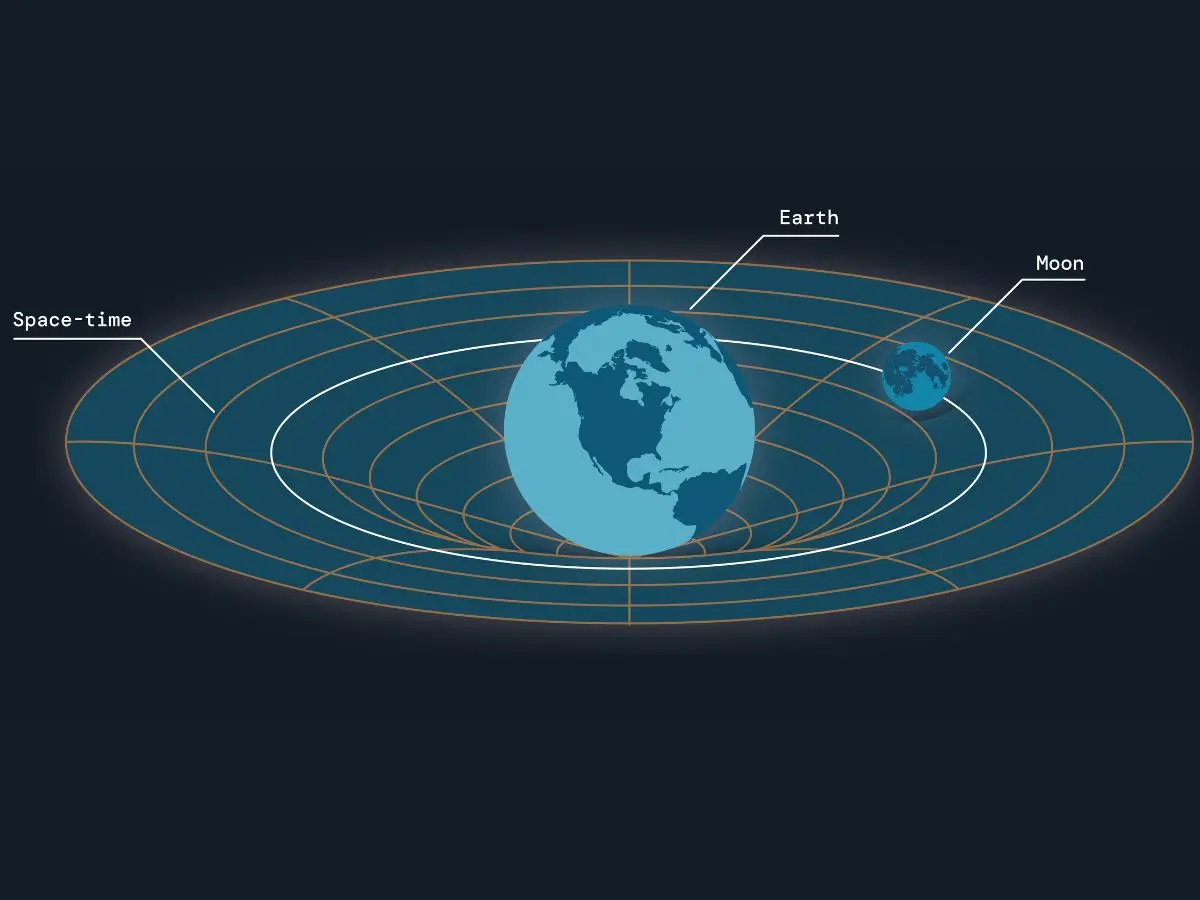
In 1998, astronomers discovered that galaxies are not merely drifting apart after the Big Bang but accelerating away from each other. This implies the existence of dark energy, which behaves as if it has repulsive gravity. Far from gravity always pulling things together, most of the Universe is dominated by a force that pushes it apart. This unexpected finding overturned centuries of scientific assumptions about cosmic forces.
6. Other Solar Systems Defy Expectations
The discovery of thousands of planets orbiting other stars has revealed systems very different from our own. Some worlds, known as 'hot Jupiters', are giant gas planets orbiting closer to their stars than Mercury is to the Sun. Others travel on eccentric or even backward paths. Our Solar System, once thought to be typical, is now seen as surprisingly unusual, and the reasons why remain unclear.
)
)
)
)
)