• Wion
  • /Photos
  • /6 hidden truths behind the luxury Rolls-Royce flying lady ‘spirit of ecstasy’

6 hidden truths behind the luxury Rolls-Royce flying lady ‘spirit of ecstasy’

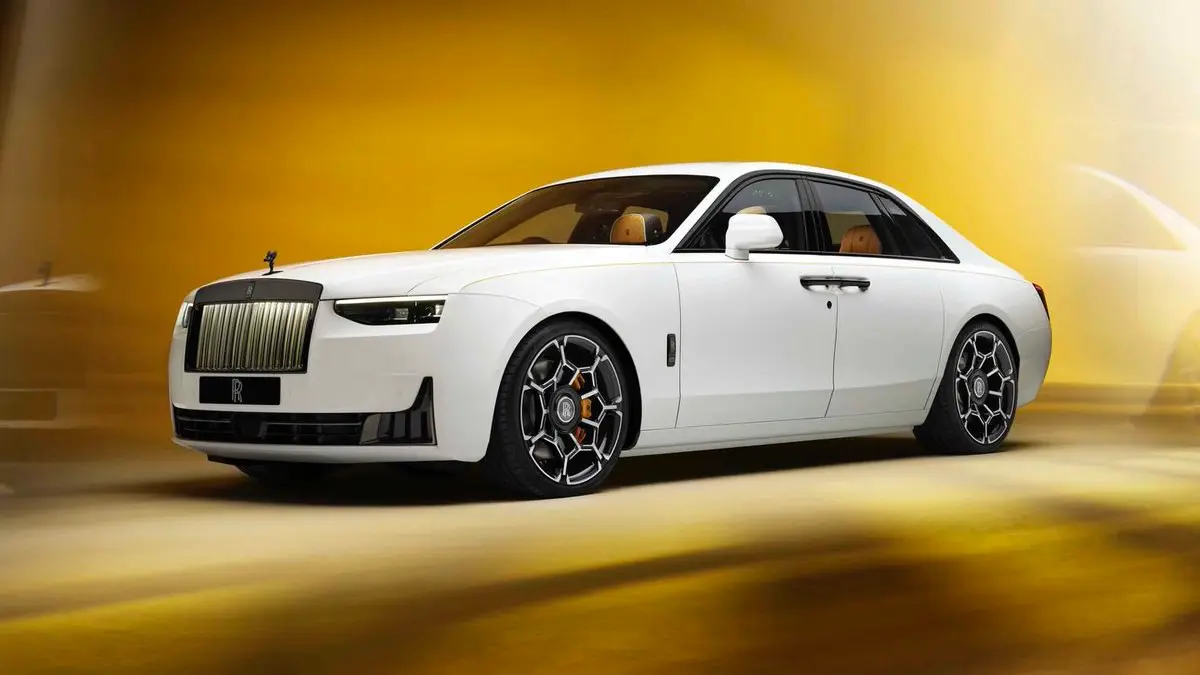
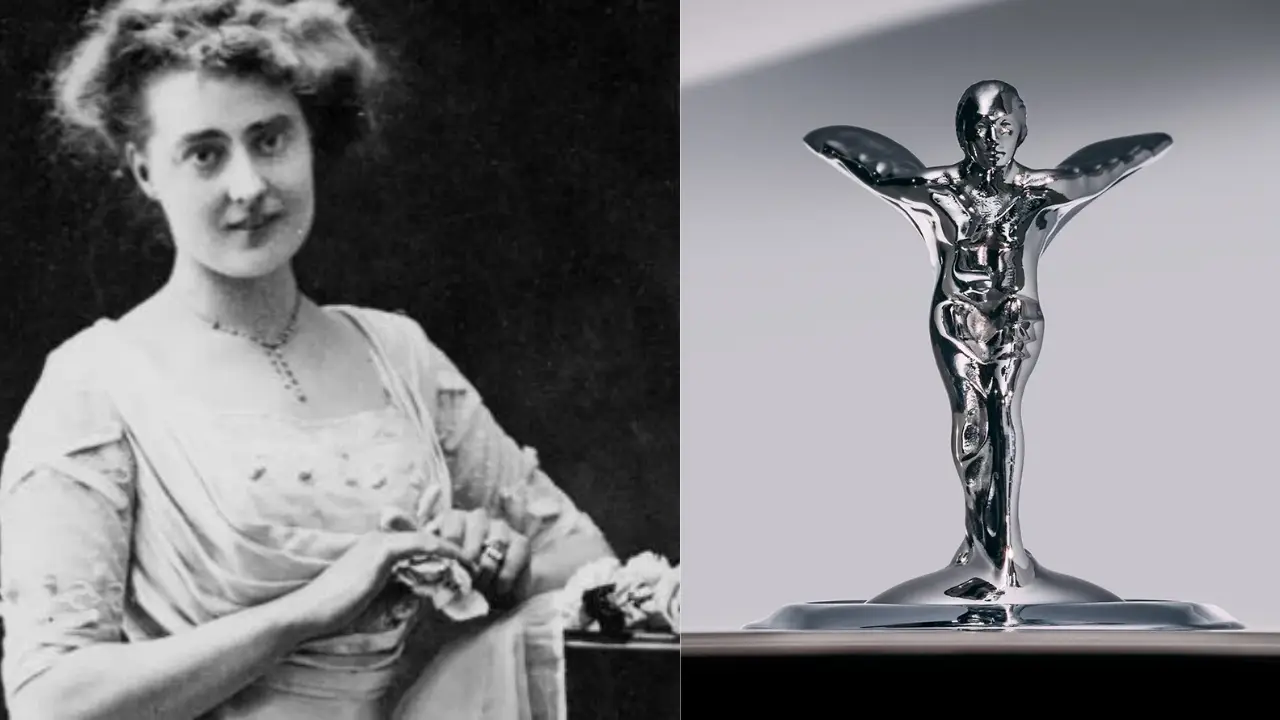
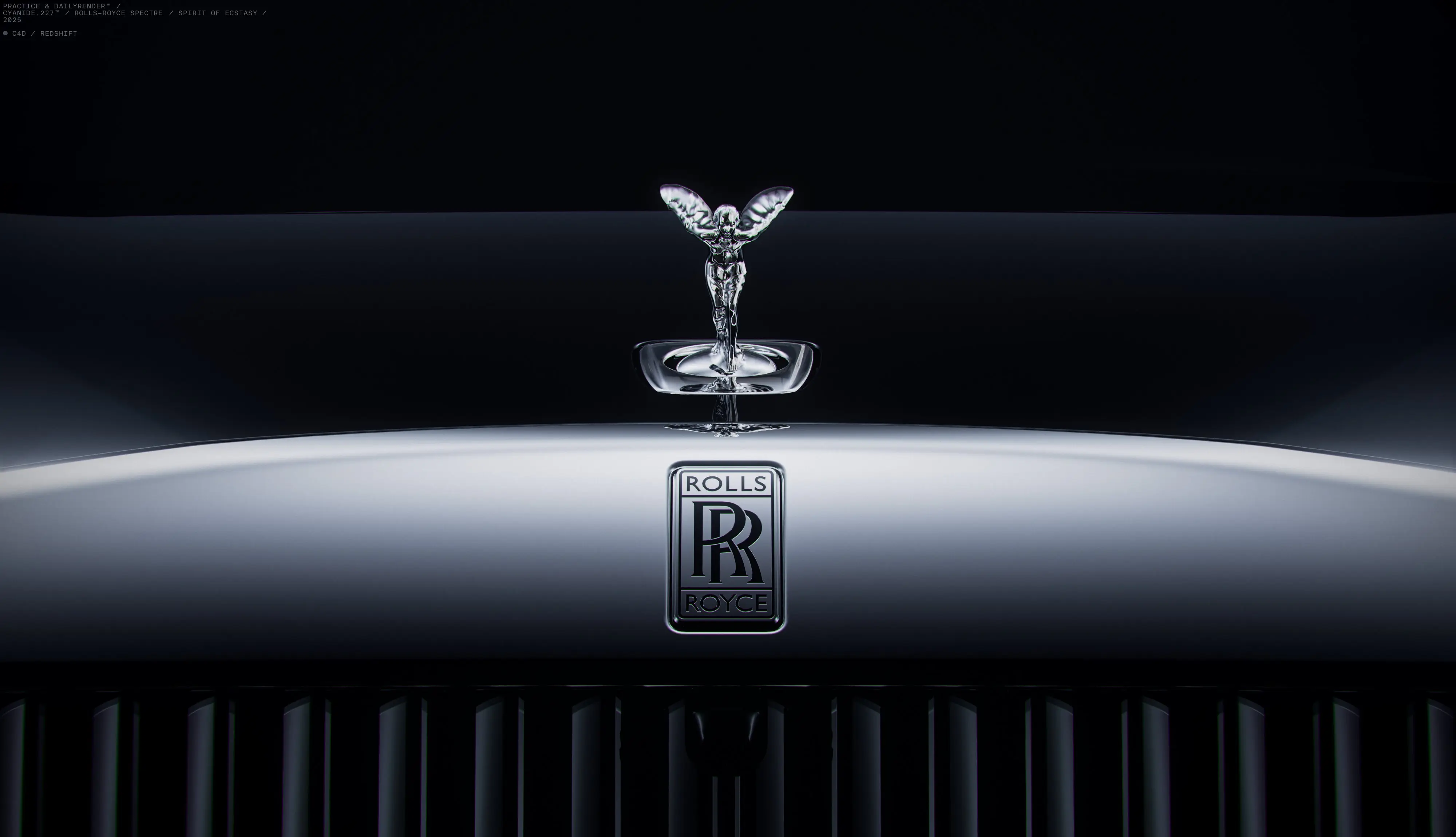
Rolls‑Royce most iconic mascot, the Spirit of Ecstasy, was inspired by Eleanor Velasco Thornton, who shared a secretly love with Baron John Montagu. from “The Whisper” to a luxury symbol, her love story blends love and elegance in Rolls‑Royce.
The secret love behind the flying lady
1 / 7
(Photograph: Rolls-Royce)

The secret love behind the flying lady

The Rolls-Royce “Flying Lady” mascot, known as the Spirit of Ecstasy, it has a deeper story than most people realise. The woman who inspired it was Eleanor Velasco Thornton. She was secretly in love with her boss, Baron John Montagu, who was a pioneer in early British motoring and an influential car magazine editor. He and Eleanor had a secret romance, which inspired this famous mascot.

‘The Whisper’ a code for romance
2 / 7
(Photograph: Rolls-Royce)

‘The Whisper’ a code for romance

Before the famous Spirit of Ecstasy, there was “The Whisper”. Once Montagu asked sculptor Charles Sykes to make a mascot for his Silver Ghost. He created a figure of Eleanor placing a finger to her lips. This gesture symbolised the need for secrecy about their hidden relationship.

Rolls-Royce’s mascot enters officially
3 / 7
(Photograph: Rolls-Royce)

Rolls-Royce’s mascot enters officially

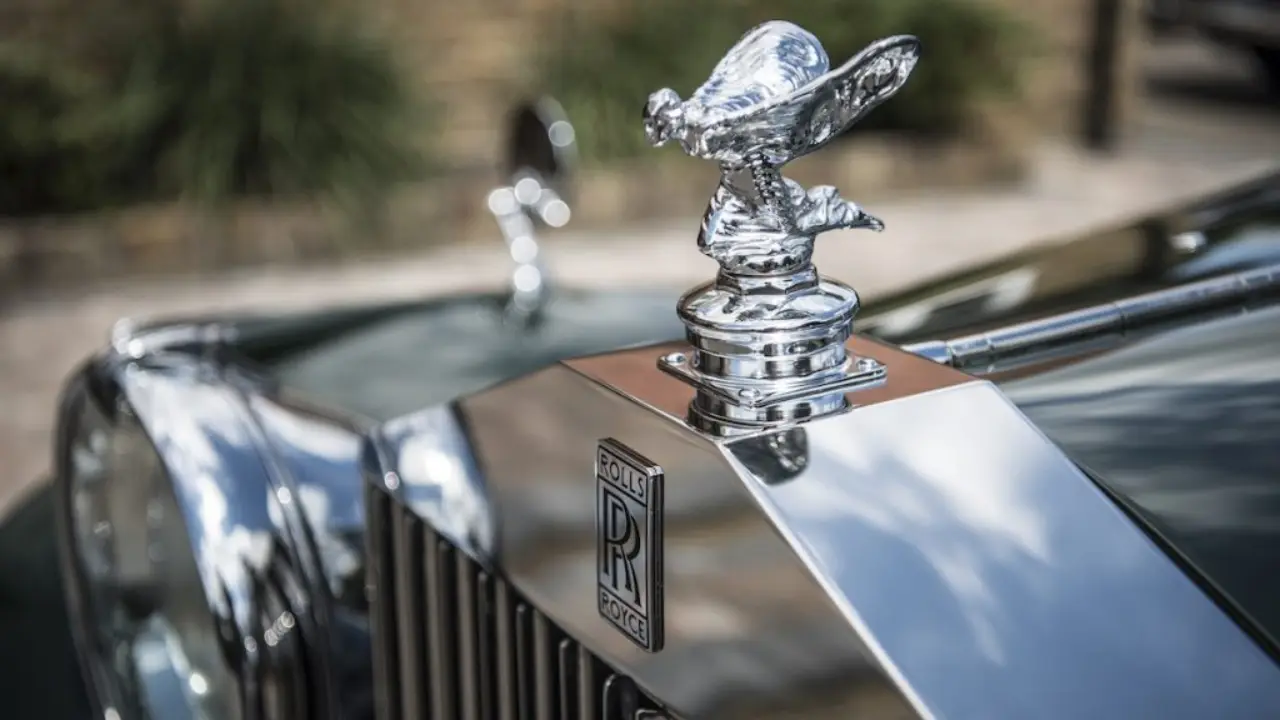
Originally, Rolls-Royce cars only bore the classic badge. Owners often added their own mascots sometimes in poor taste. In 1911, after seeing this, Rolls-Royce commissioned Sykes to design an official mascot. He transformed “The Whisper” into what we know as the Spirit of Ecstasy.

Henry Royce (Cofounder) was not impressed
4 / 7
(Photograph: Rolls-Royce)

Henry Royce (Cofounder) was not impressed

Not everyone liked the idea. Henry Royce, one of the company’s founders, reportedly disliked the mascot, he argued it blocked the view of the road.

A “Graceful Little Goddess”
5 / 7
(Photograph: Rolls-Royce)

A “Graceful Little Goddess”

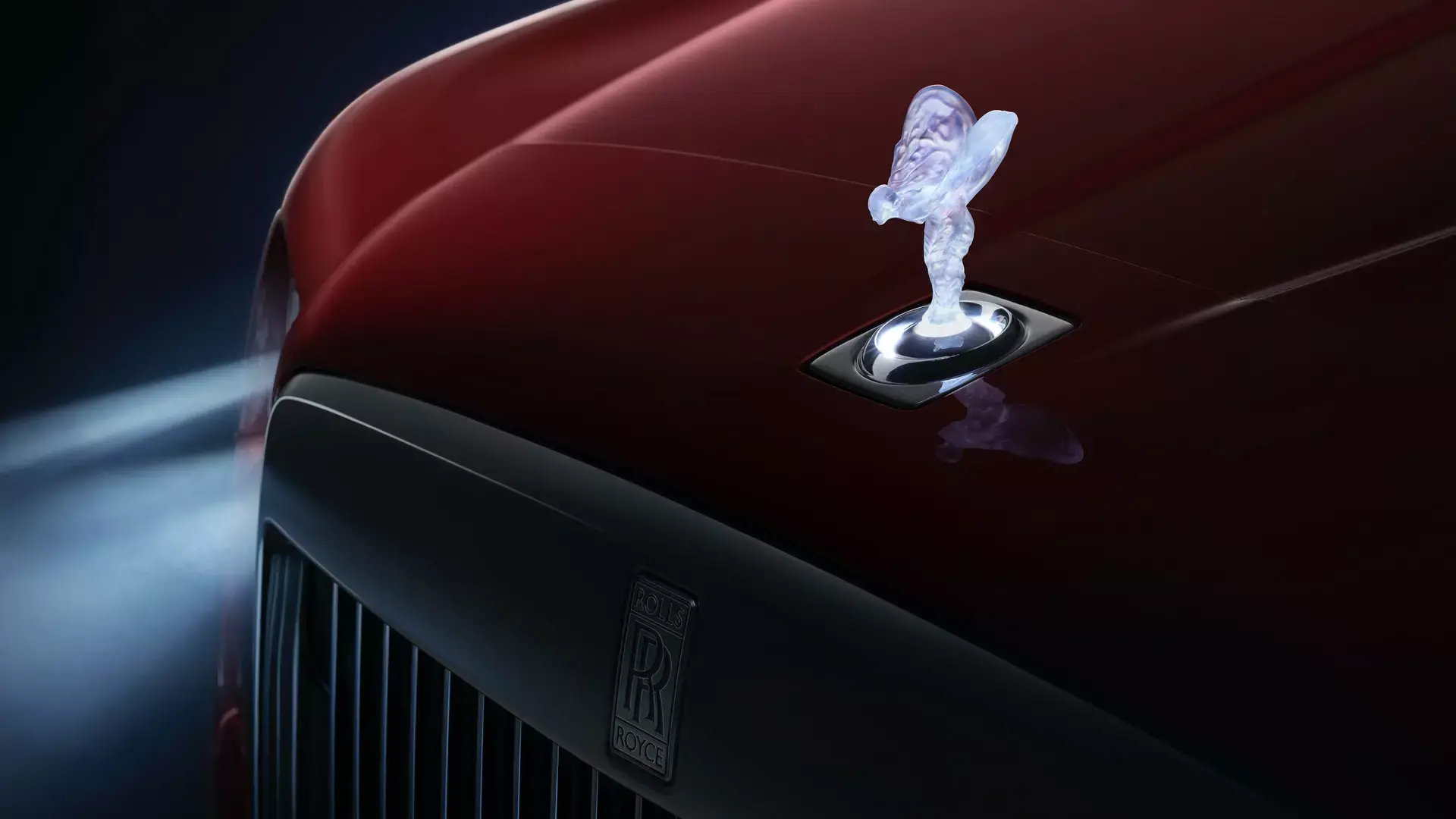
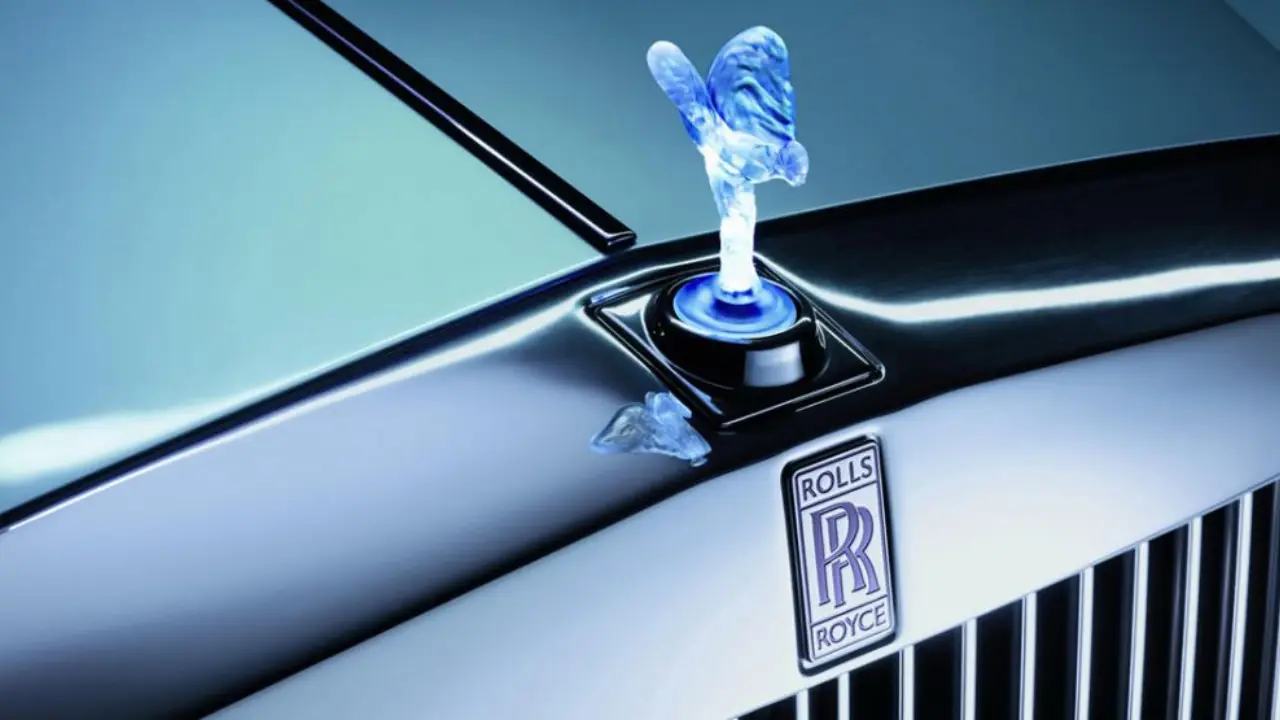
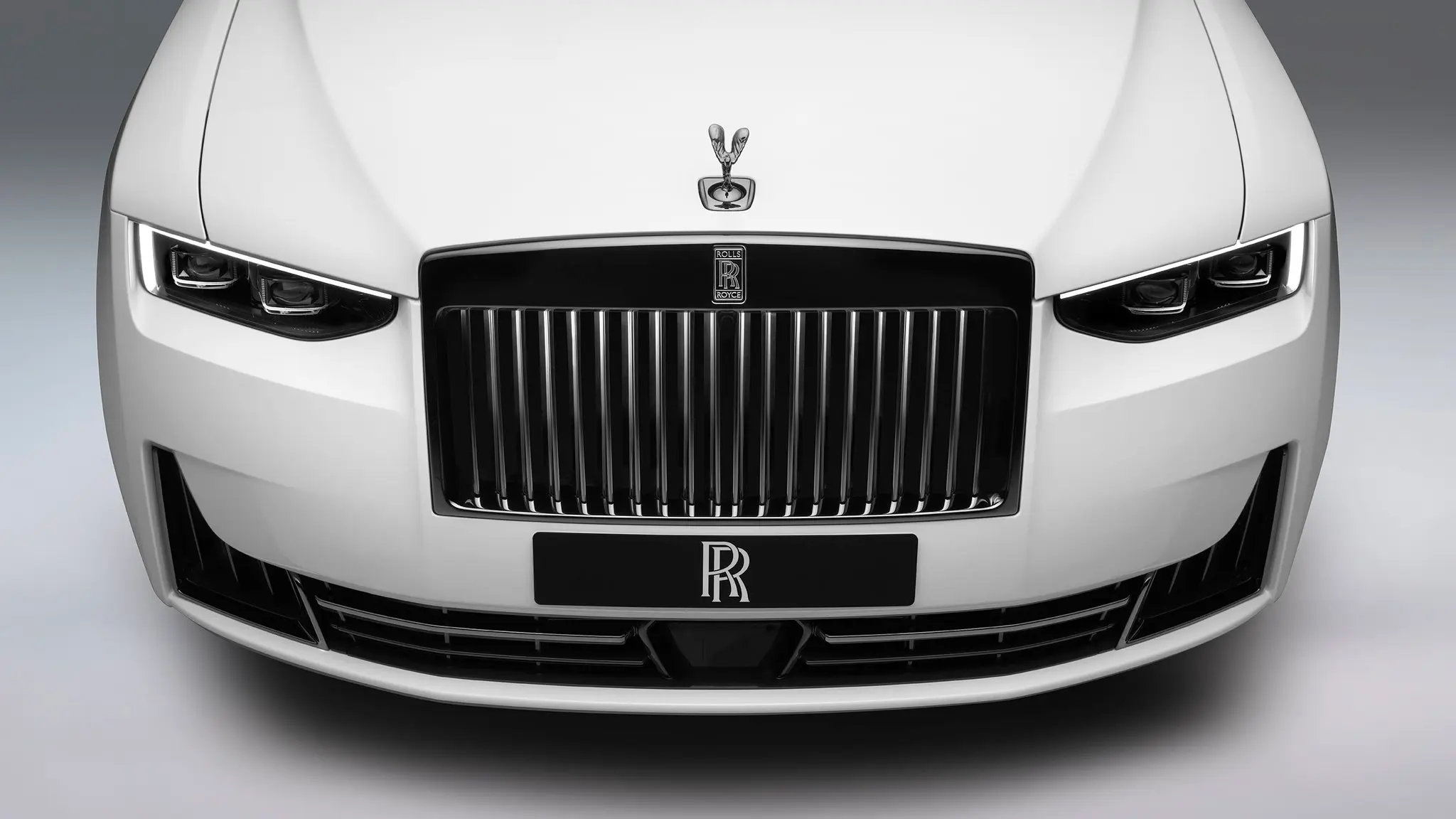
Charles Sykes called his creation a “graceful little goddess. who has selected road travel as her supreme delight”. The figurine stands for luxury, freedom and elegance. Today’s version even drops into the grille to prevent theft, showing how the Flying Lady keeps moving with the times.

Once an Extra, Now a Symbol
6 / 7
(Photograph: Rolls-Royce)

Once an Extra, Now a Symbol

When the Spirit of Ecstasy first arrived in 1911, it was just an optional extra, not standard on every car. Yet nearly all buyers wanted one, and it soon became the symbol of Rolls-Royce, recognised in every corner of the world for its meaning of luxury.

Eleanor Thornton
7 / 7
(Photograph: X | Rolls-Royce)

Eleanor Thornton

The story has a tragic end. In 1915, Eleanor died when her ship was sunk by a submarine during the First World War. Her image, however, lives on as one of the most iconic emblems in luxury, which forever remind the secret love story hiding beneath the shining bonnet of Rolls-Royce cars.