6 fighter jets designed to survive extreme weather conditions

Some fighter jets are built to fly in the toughest weather, from freezing cold to desert heat and storms. Learn about six top jets with special designs that let them fight missions safely in all climates.
Gripen E - Built for Hot and Cold
The Saab Gripen E can fly well in both cold Arctic places and hot deserts. Tests show it works in temperatures from -15°C to over 50°C. It uses strong materials and special cooling systems to protect electronics and engines. The jet also has sensors tested for tough weather.
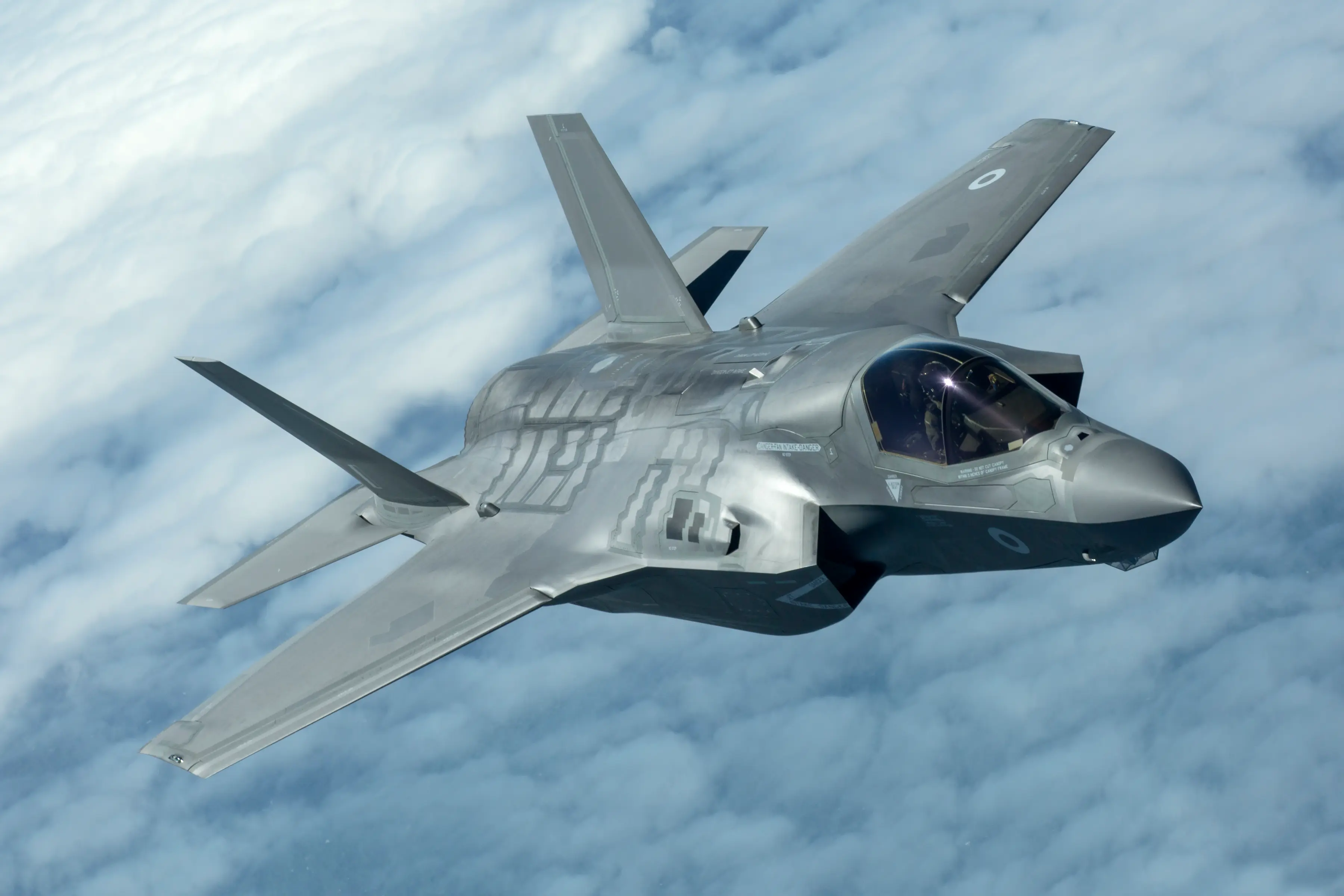
F-35 Lightning II - Tested in All Conditions
The F-35 was tested in a special lab simulating heat, freezing rain, snow, fog, and strong winds. It can fly in temperatures from -40°C to +48.8°C. Its advanced cooling and heating systems make sure engines and pilot stay safe. The jet’s sensors also work well in bad weather.
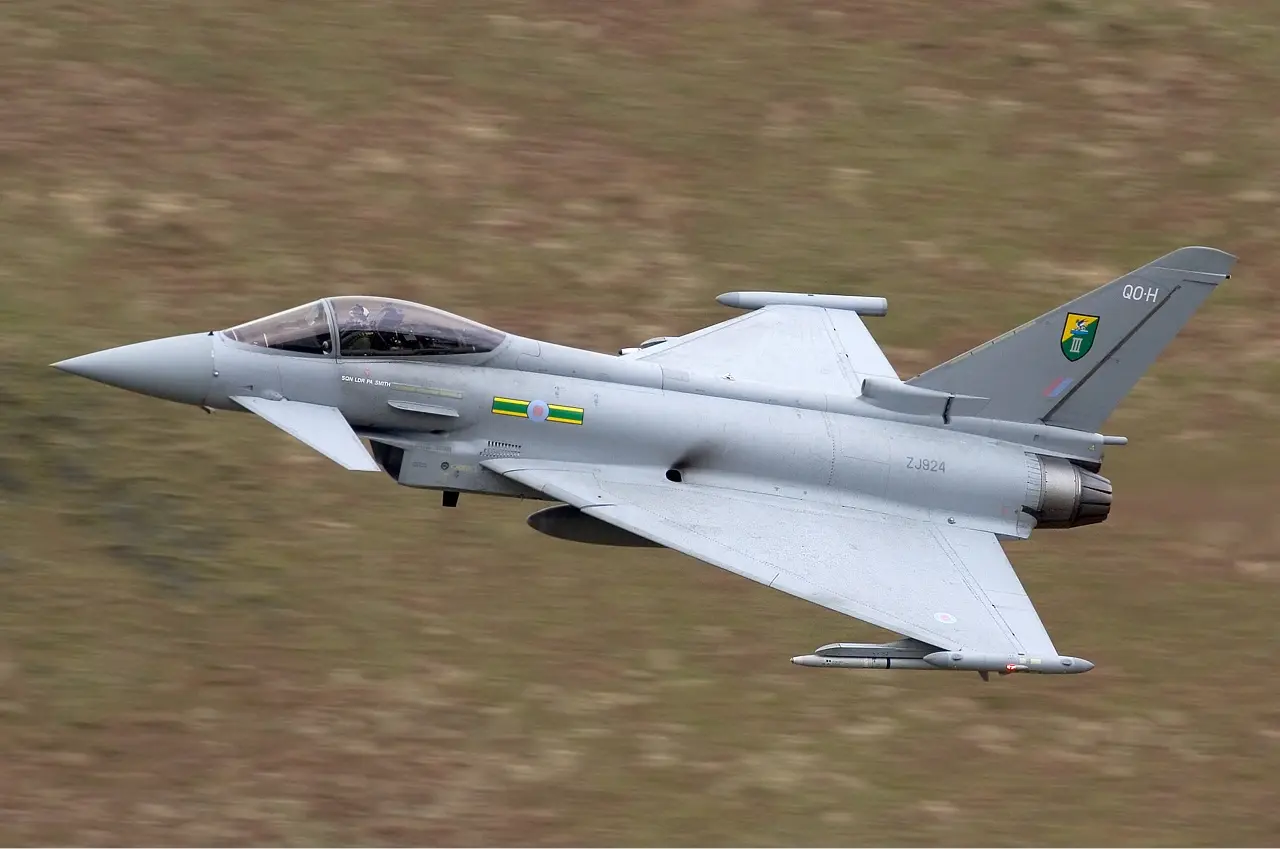
Eurofighter Typhoon - Weather-Proof Fighter
This jet is designed to fly in bad weather including heavy rain and snow. It uses advanced radar that can see through clouds and rain. Its materials protect against lightning strikes and strong winds. The Typhoon’s design helps it stay stable even in storms.
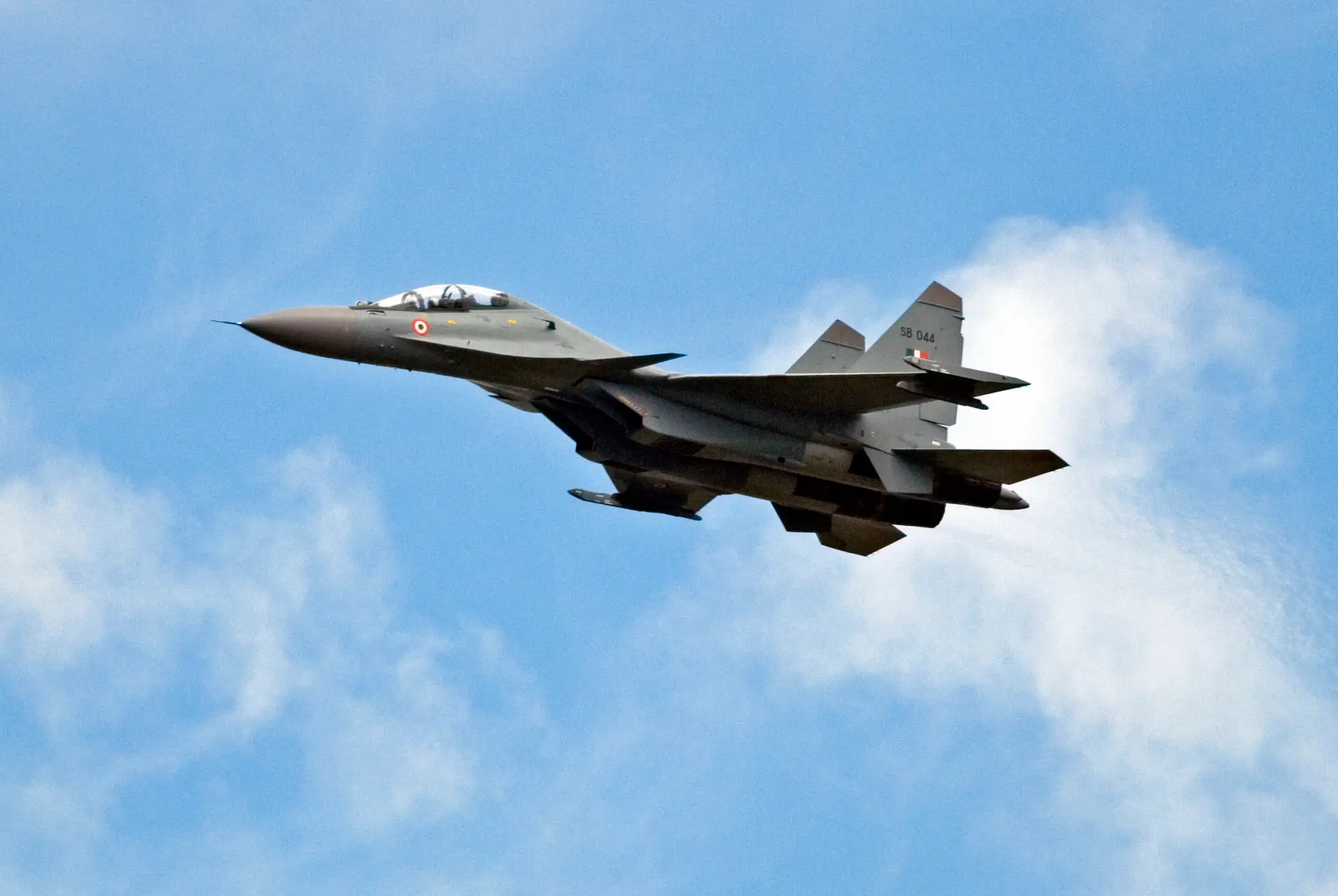
Su-30MKI - Ready for High Altitudes and Cold
The Russian Su-30MKI can operate in cold areas with temperatures below -30°C. It has special heating for engines and sensors to avoid icing. Pilots use warm clothing and the jet’s cabin keeps them comfortable in harsh cold.
F-15 Eagle - Adapted for Hot and Cold Conditions
The F-15 has long been used in very hot deserts and cold places. Its engines and electronics have protection against extreme temperatures. Ground crews also have special steps to keep jets ready, like runway clearing in snow and cooling on hot days.
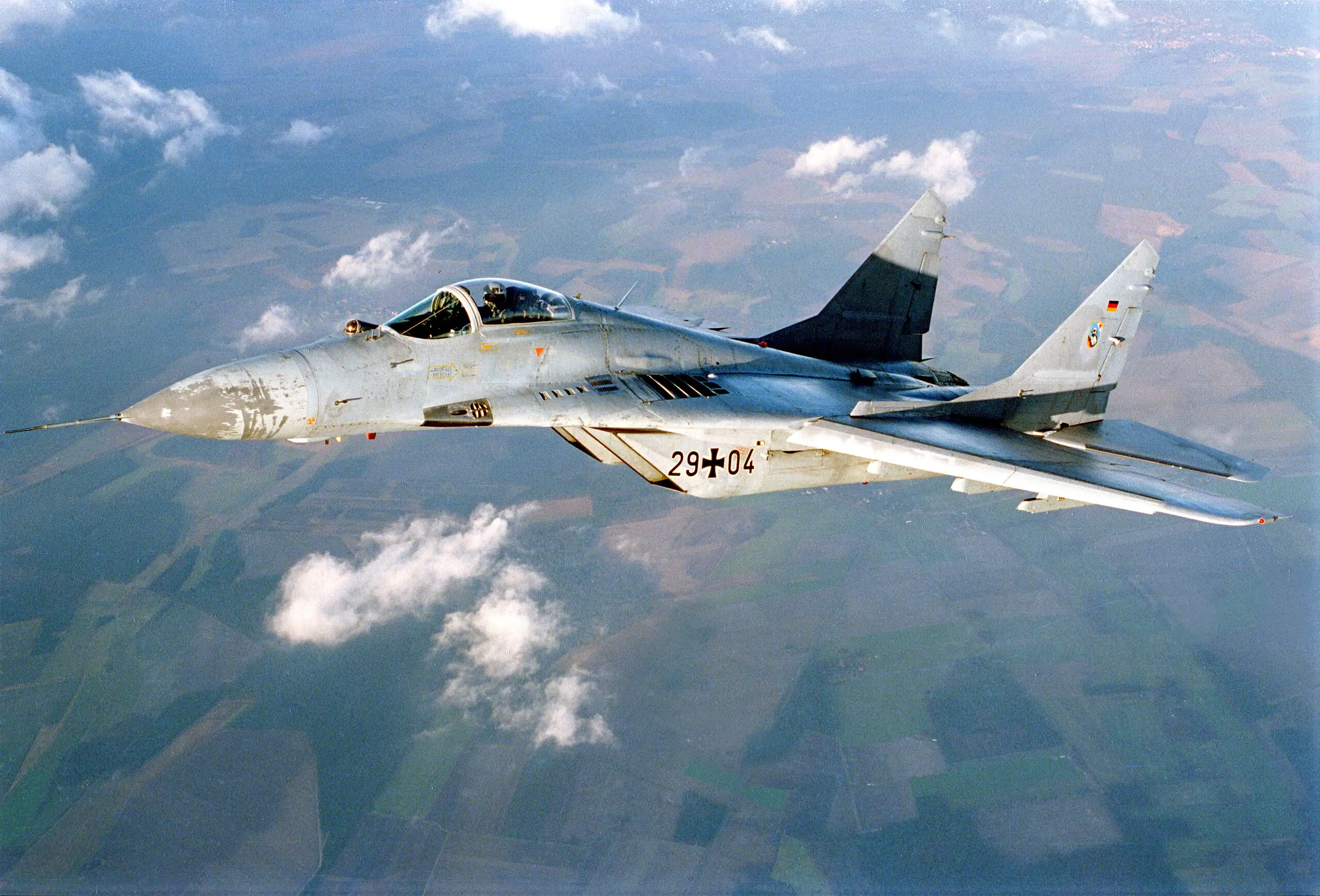
MiG-29 Fulcrum - Tough and Reliable
The MiG-29 is known for being tough in difficult weather. It has anti-icing systems and strong airframe to handle turbulence. It is used in many countries with cold and hot climates, proving its adaptability.
)
)
)
)
)