6 fighter jet features you didn’t know existed

Some were born out of necessity, others from decades of testing and hard lessons learned in combat. From voice-controlled radar to inflatable landing airbags, engineers have long pushed beyond obvious performance figures to give pilots tools to survive and win.
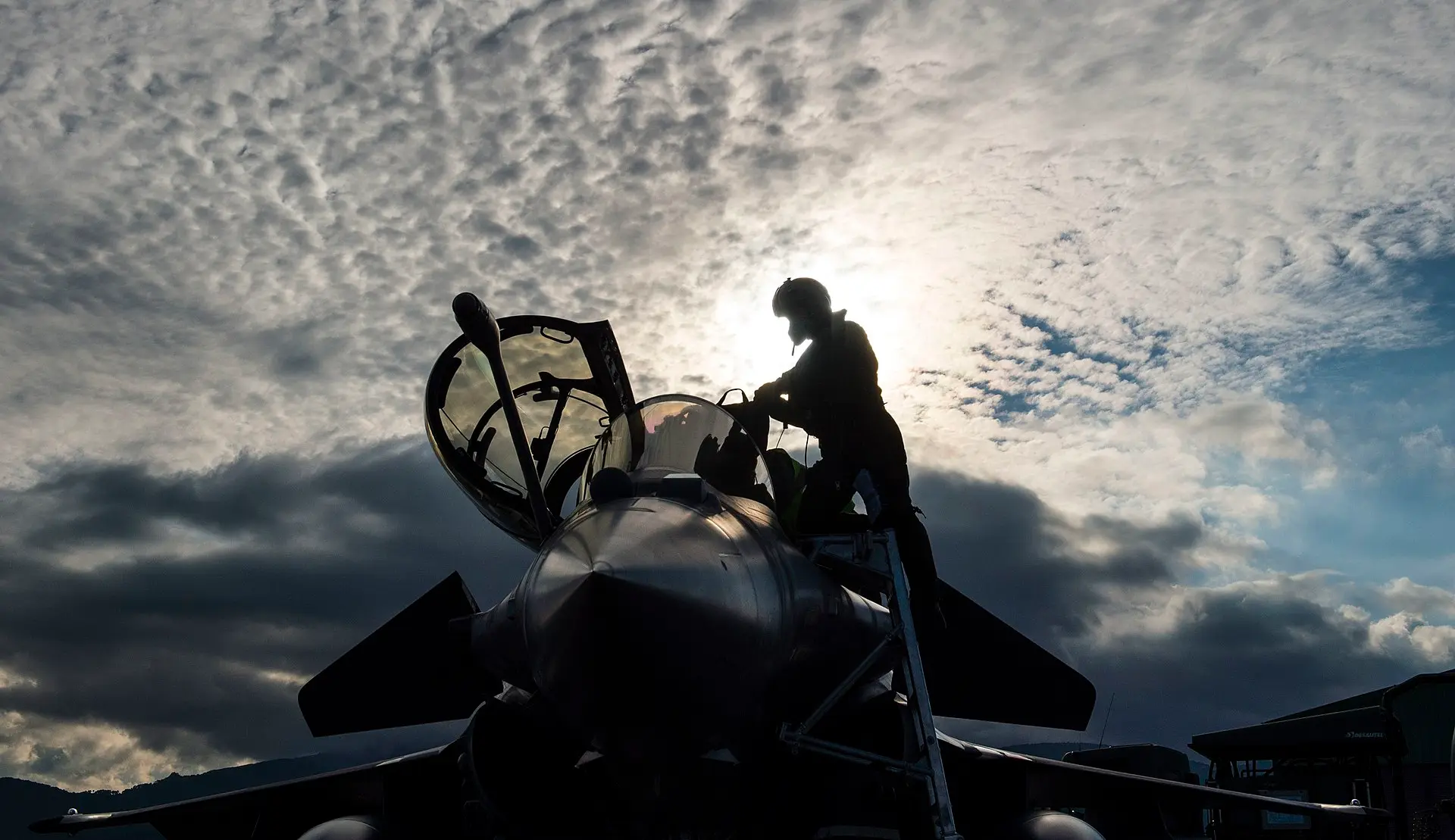
Beyond speed and firepower
Fighter jets are icons of national power, designed to slice through the sky at supersonic speeds and dominate the airspace. Yet beneath the headlines about dogfights and stealth lie hidden features and ingenious systems that many people, and even aviation enthusiasts, rarely hear about. Some were born out of necessity, others from decades of testing and hard lessons learned in combat. From voice-controlled radar to inflatable landing airbags, engineers have long pushed beyond obvious performance figures to give pilots tools to survive and win. Here are six surprising, lesser-known fighter jet features that reveal just how deep the engineering thinking goes behind the cockpit canopy.
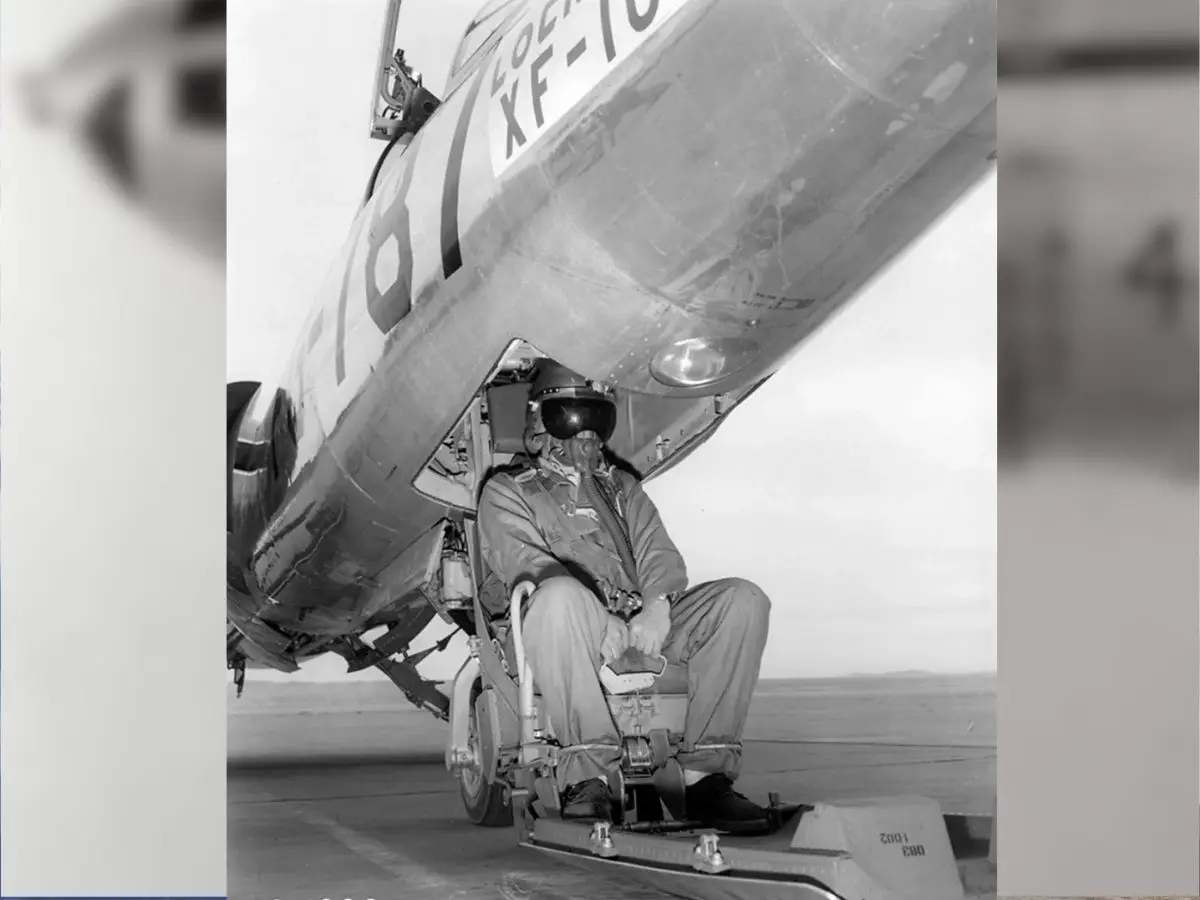
Downward-firing ejection seats
Most ejection systems launch pilots upwards, but aircraft like the B-52 Stratofortress and early Lockheed F-104 Starfighter used seats that fired downwards. This was essential in bombers with lower-deck crew positions or cramped cockpits where an upward exit was blocked. These seats could only be used safely at sufficient altitude and speed. At low level, downward ejection often proved fatal, revealing the risk built into the design.
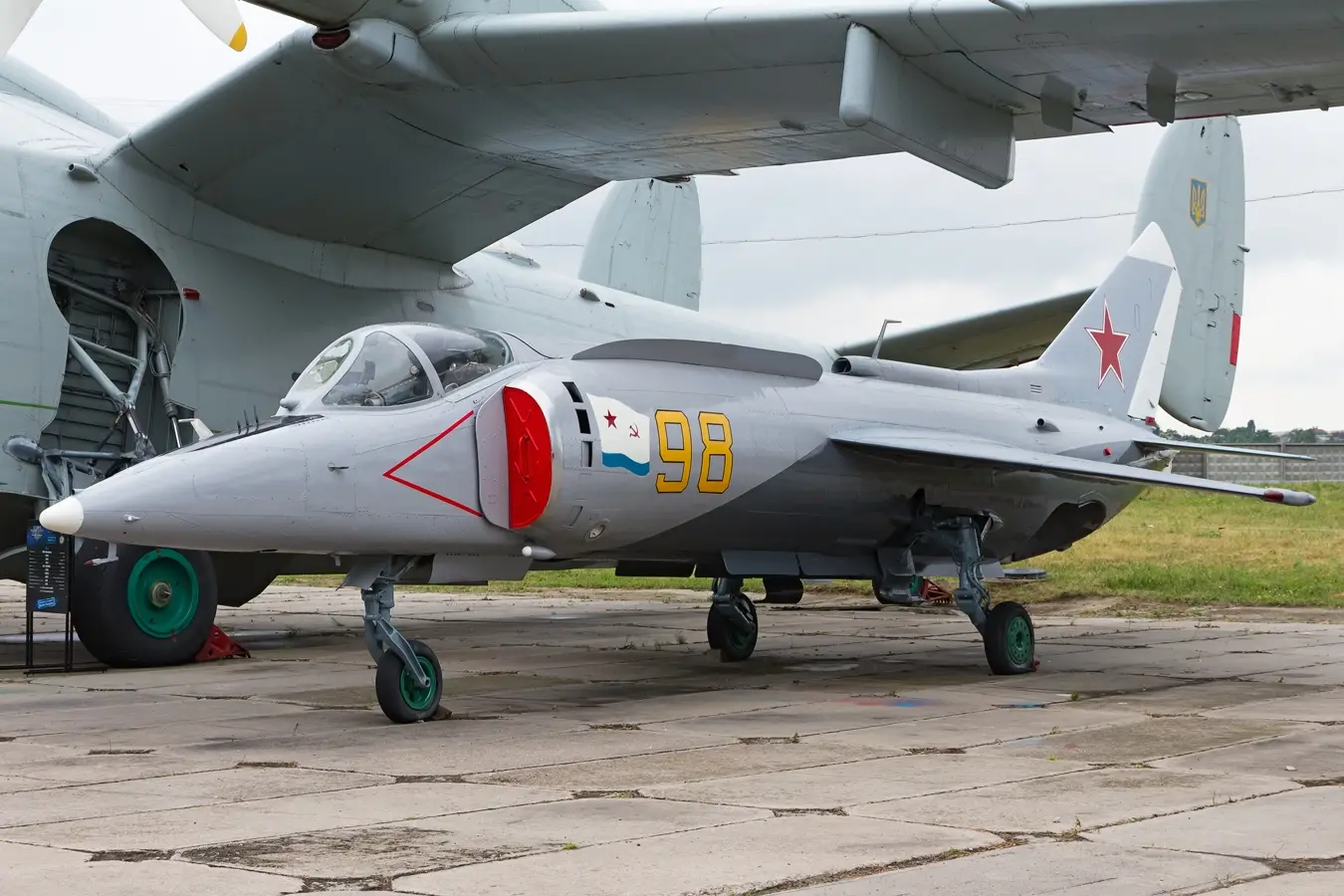
Inflatable airbag landing systems
The Soviet Yak-38 Forger, an early VTOL fighter, had a large inflatable airbag under its fuselage as an emergency backup. If vertical landing engines failed, the pilot could deploy this bag seconds before landing to soften the impact. While it was rarely needed operationally, it highlighted the unique dangers of vertical flight and the lengths engineers went to protect pilots.
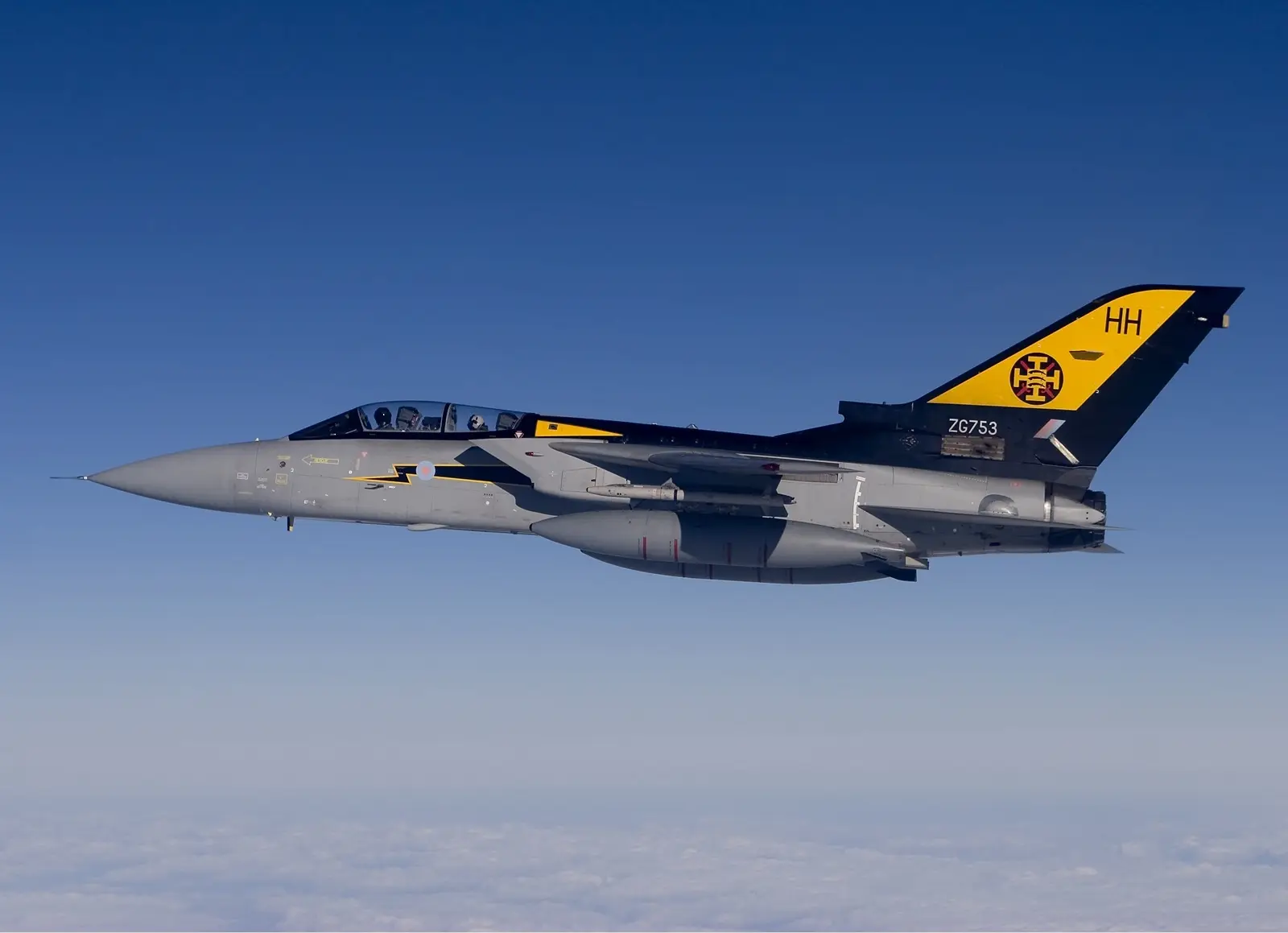
Voice-controlled radar
Long before modern voice assistants, the British Panavia Tornado ADV introduced Direct Voice Input. This allowed pilots to give limited spoken commands to switch radar modes without taking their hands off the controls. During high-speed interceptions, saving even a second mattered, and this system helped reduce cockpit workload and keep the pilot focused.
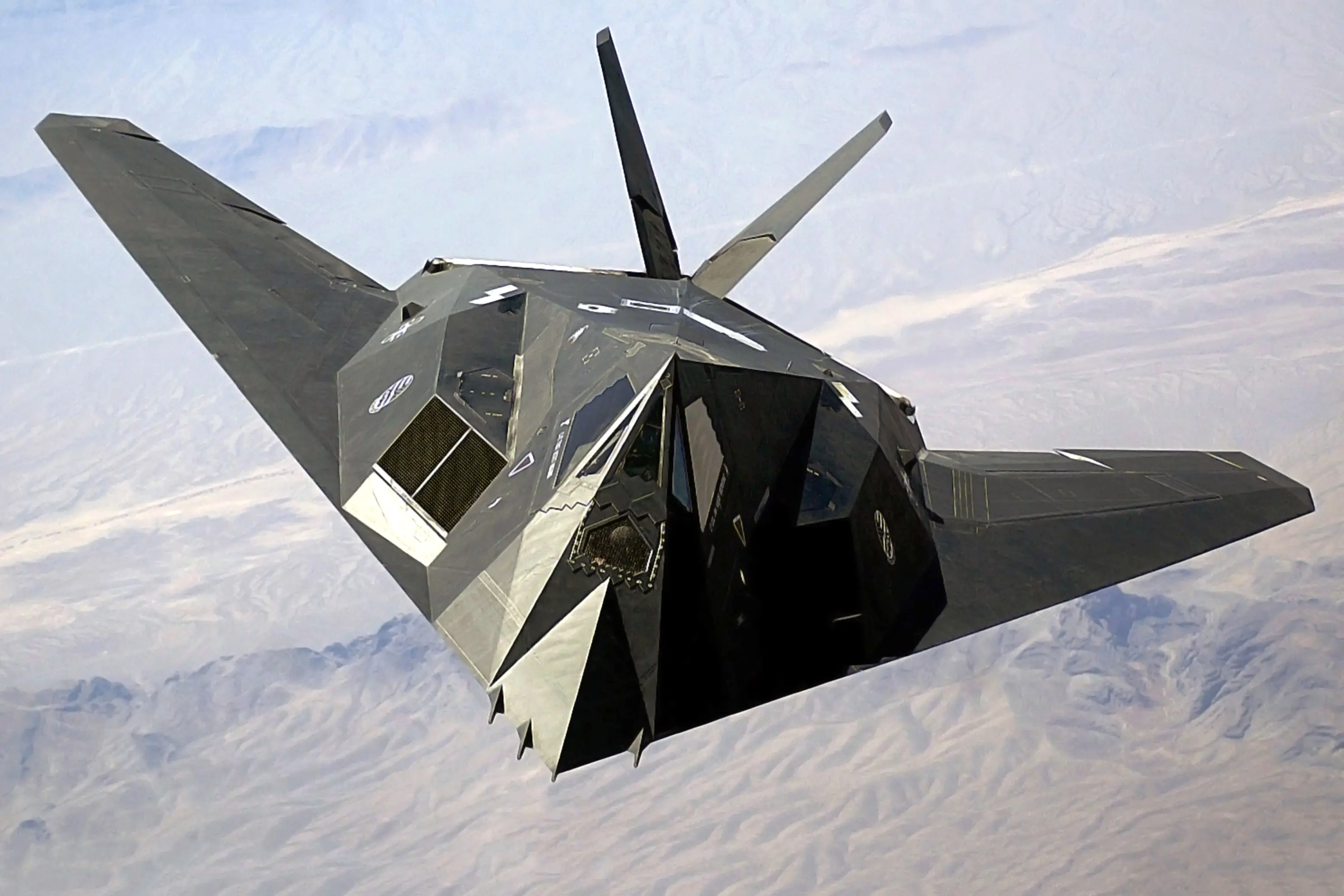
Radar-absorbing paint and coatings
Stealth design isn’t only about angular shapes. The F-117 Nighthawk pioneered the use of radar-absorbing materials to reduce detection, while later fighters like the F-35 advanced this with composite skin that combines structure and radar-absorbing properties. These materials help reduce radar detection range, giving pilots a tactical edge to strike first.
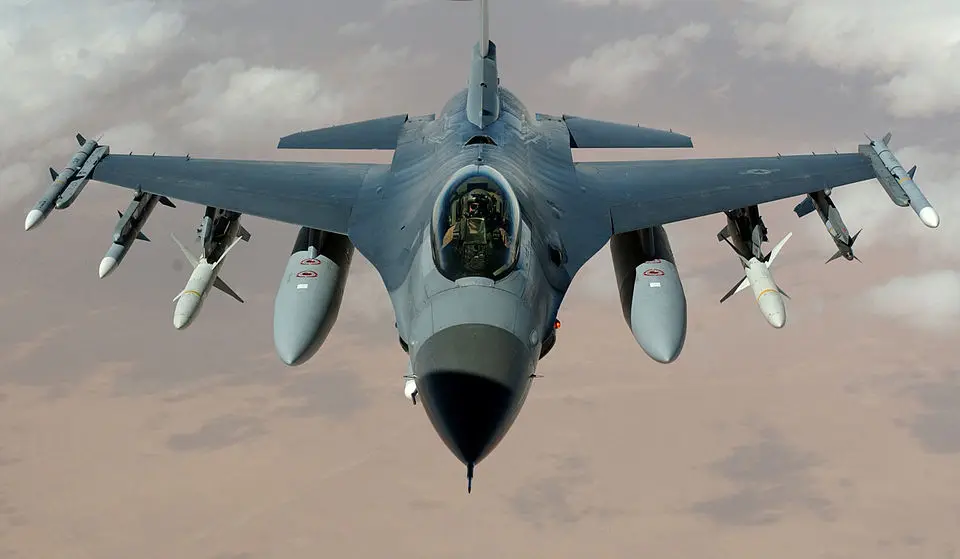
Automatic ground collision avoidance systems
Starting from 2014, jets such as the F-16 gained Auto-GCAS, which detects when a jet is about to hit the ground and automatically commands recovery. By 2020, it had saved at least ten pilots who had lost situational awareness or blacked out. The system shows how digital safety technology can step in when human reflexes alone are not enough.
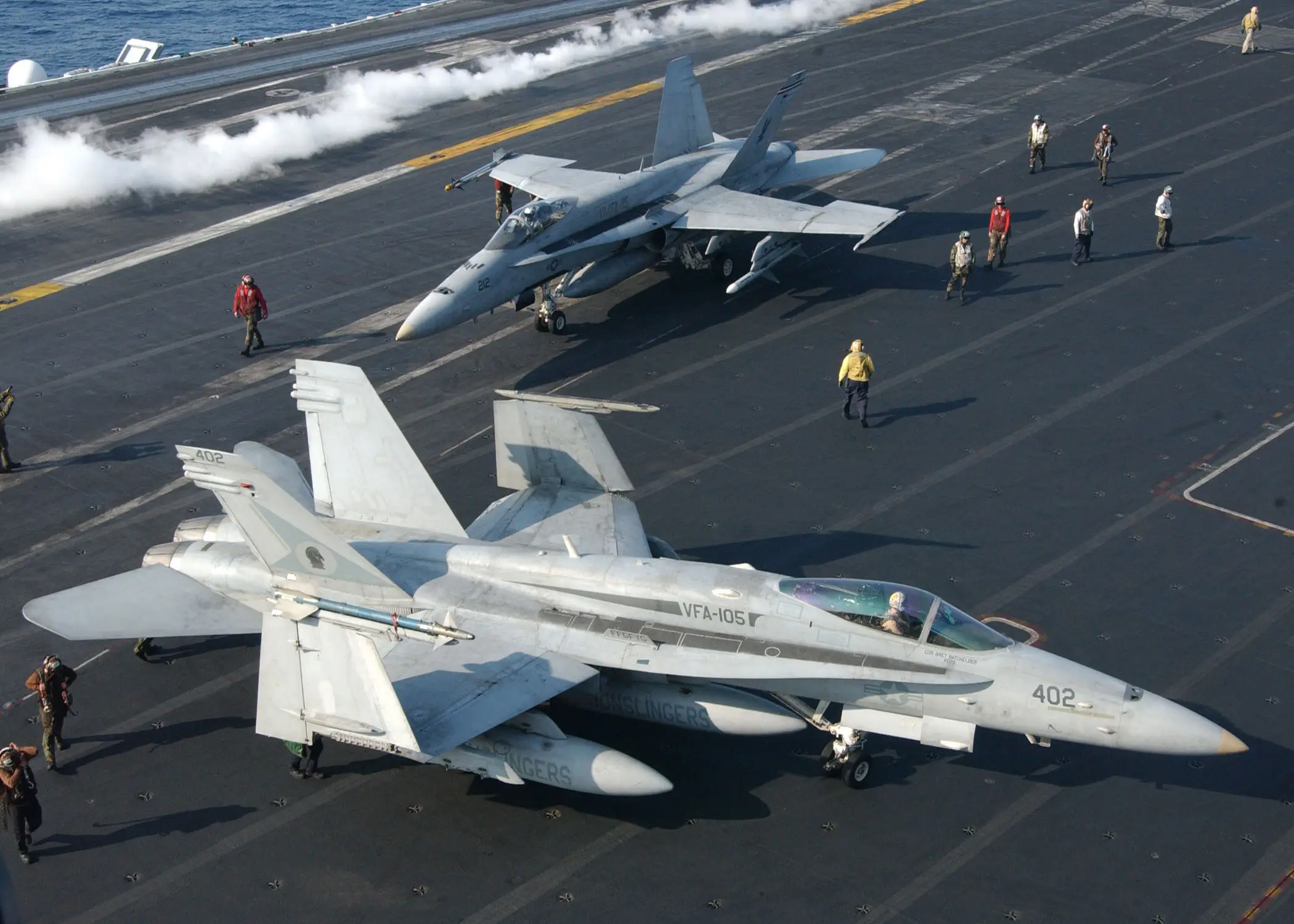
All-aspect missile capability
Early heat-seeking missiles could only lock onto the hot exhaust of enemy aircraft from behind. Modern missiles like the AIM-9X and European IRIS-T can lock onto targets from almost any angle, even during head-on passes. This transformed air combat by making it dangerous for enemy fighters to approach from any direction, not just from the rear.
)
)
)
)
)