From Chacoan Peccary to Pygmy Tarsier: 6 animals that came back from extinction

From Chacoan Peccary to Pygmy Tarsier, here's a look at the six animals that came back from extinction. This list also includes Cuban Solenodon, Takahe, Victorian Grassland Earless Dragon and Pygmy Tarsier.
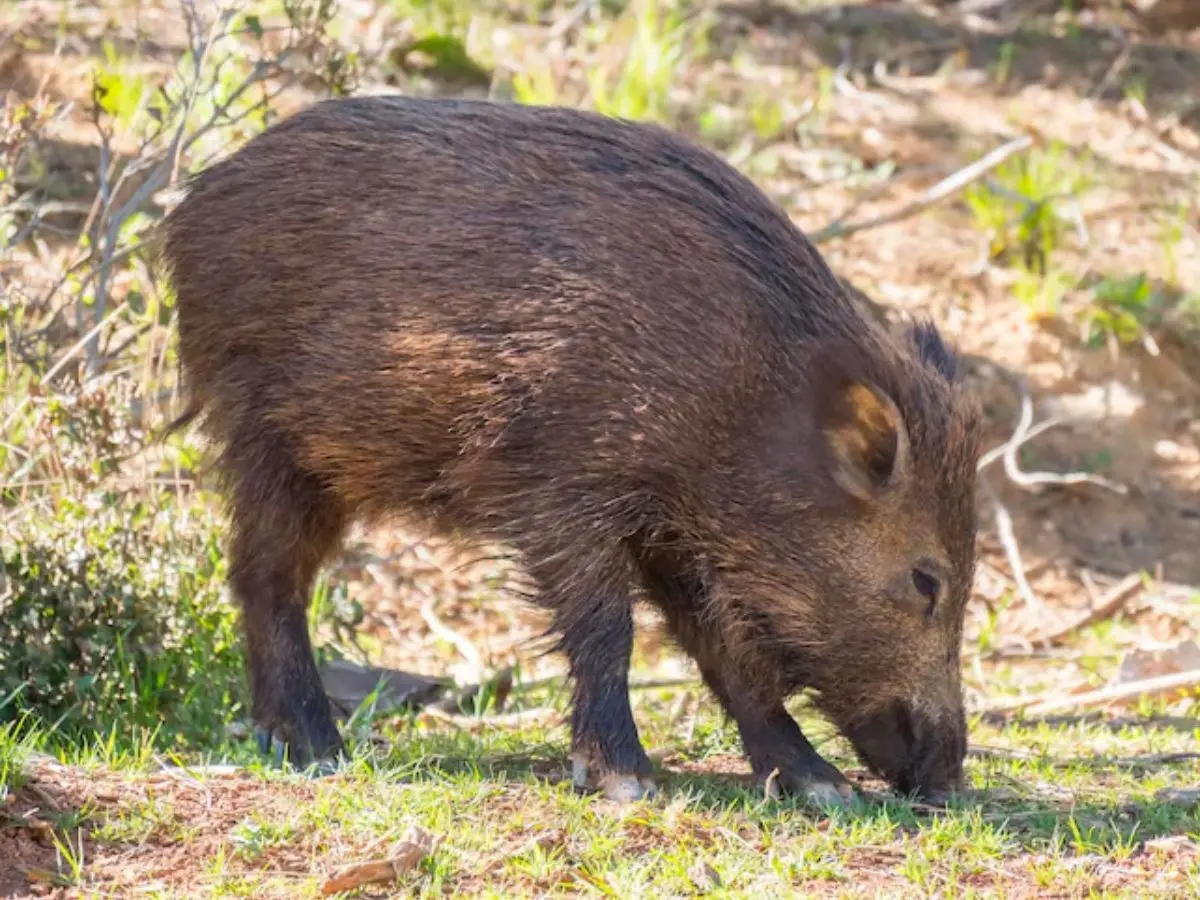
Chacoan Peccary
The Chacoan peccary is a hoofed mammal from South America. People thought it had gone extinct for over 60 years but it was later rediscovered again in 1970. Now, efforts are being made to protect its habitat and help its numbers to grow.
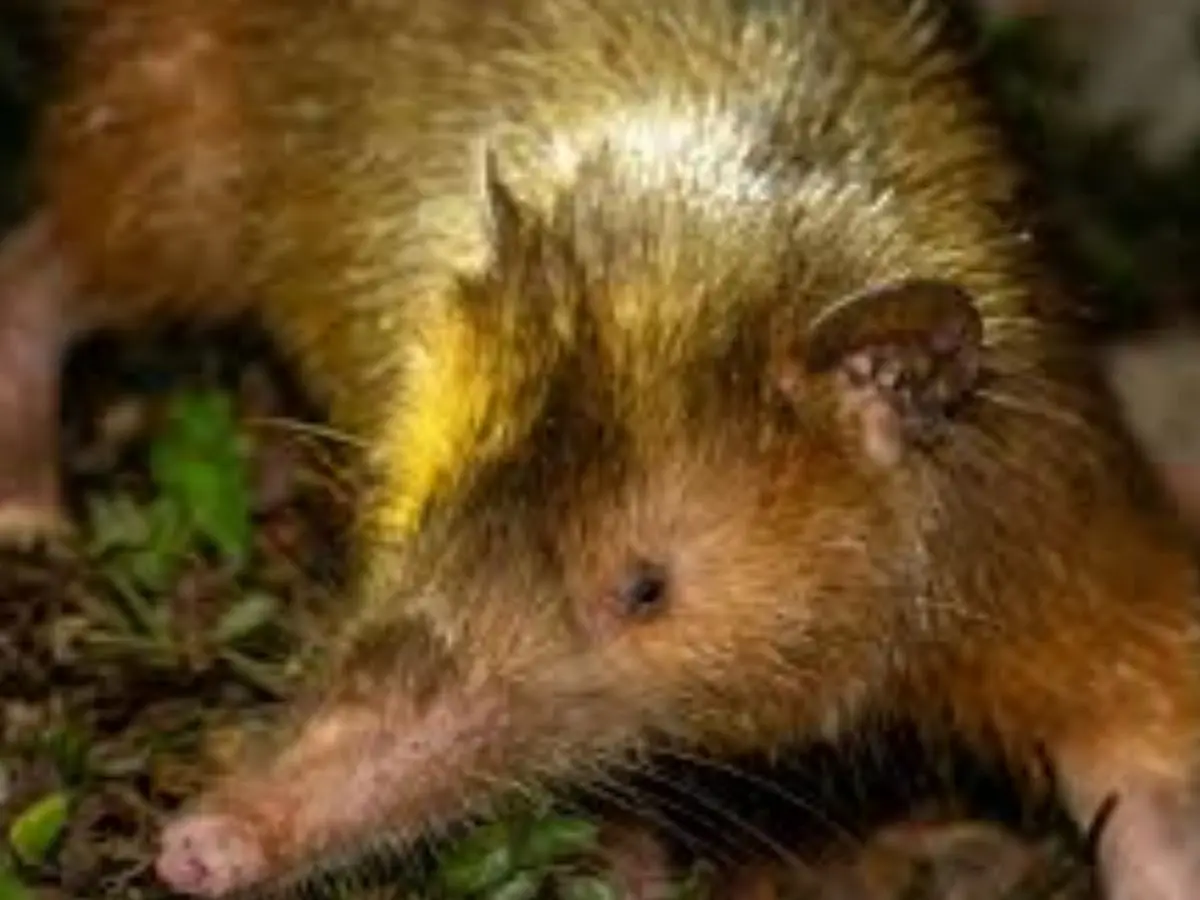
Cuban Solenodon
The Cuban solenodon is a rare insect-eating(insectivorous) mammal. It was rediscovered in 2003 after not being seen for more than 100 years. Today, steps are being taken to save it from its predators and protect their habitat loss.
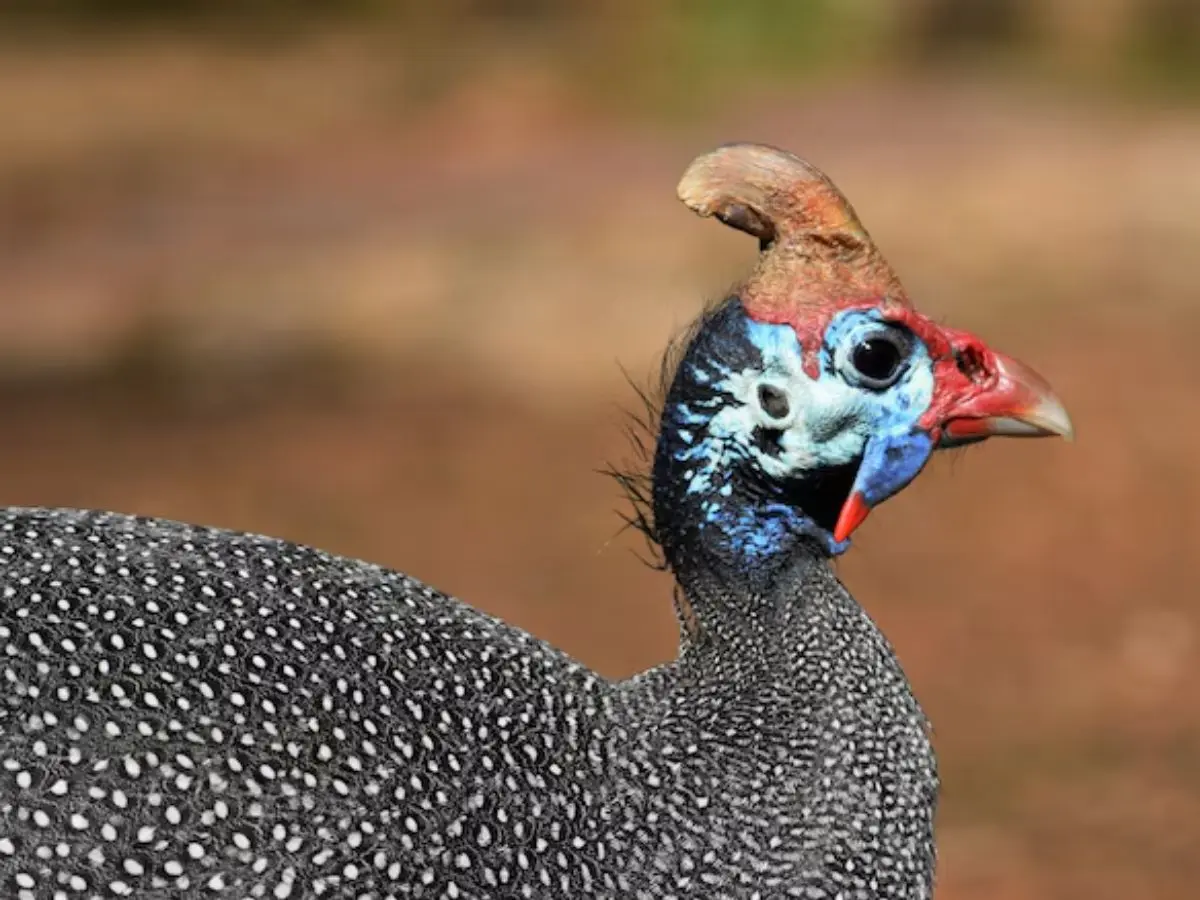
Takahe
The Takahe is a large flightless bird from New Zealand. They are believed to be extinct until a small group was found again in 1948. Since then, efforts to conserve this species have been made to keep the species alive.
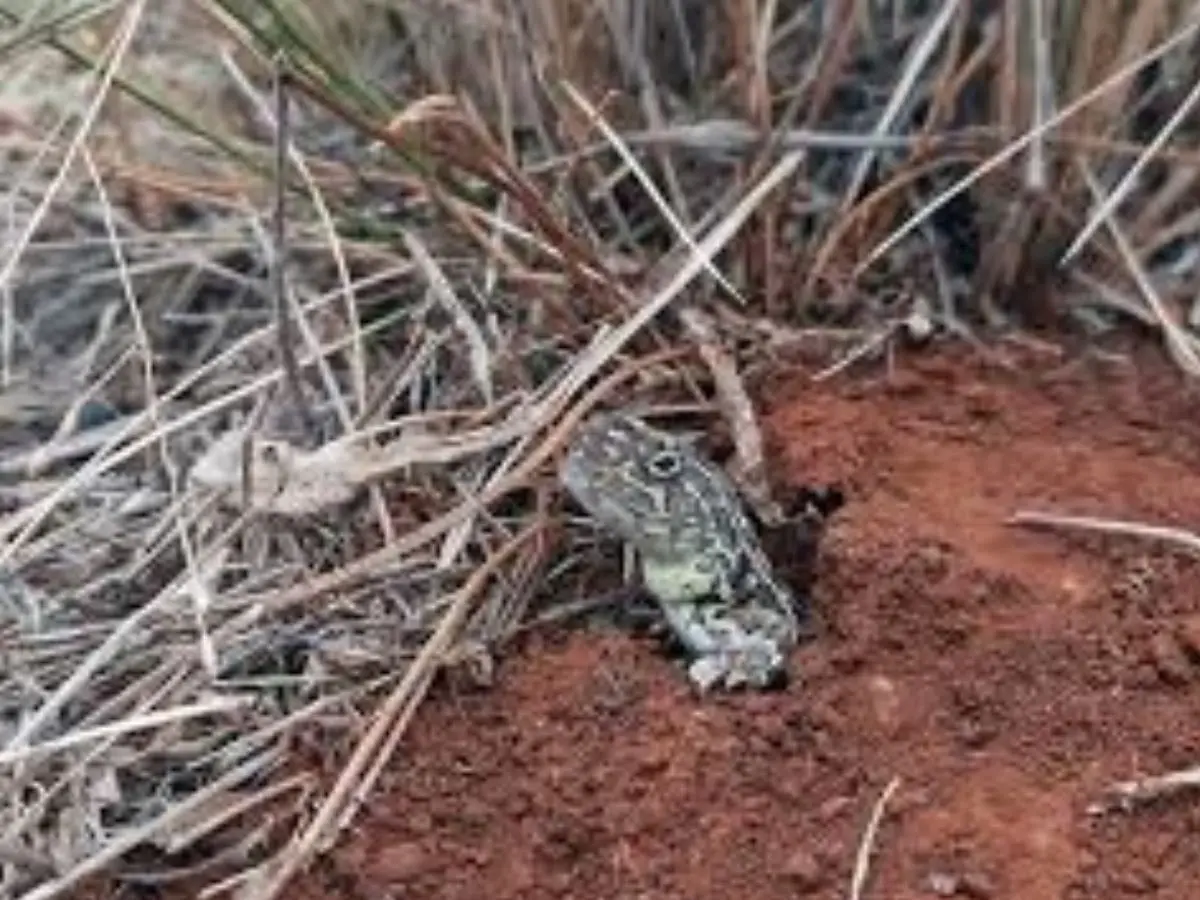
Victorian Grassland Earless Dragon (Tympanocryptis pinguicolla)
This tiny lizard from the Australia was thought to be extinct since 1969. But in 2023, it was surprisingly found again in grasslands near Melbourne in Australia. Since then, Conservationists are trying to save their habitat loss.
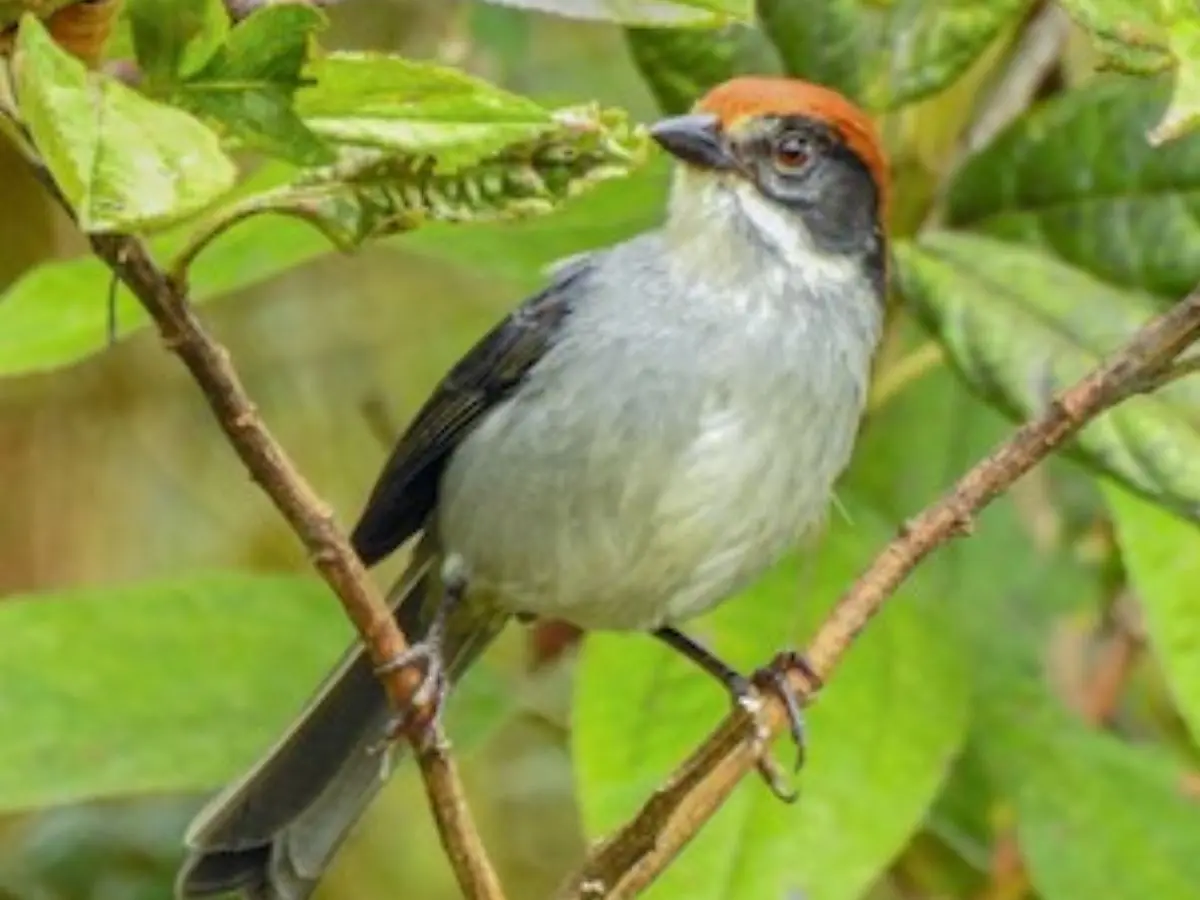
Antioquia Brushfinch
The Antioquia brushfinch is a small bird from the Colombia. They were not seen since 1971 but was spotted again in 2018 near Medellin. Efforts are now being made to protect their habitat.
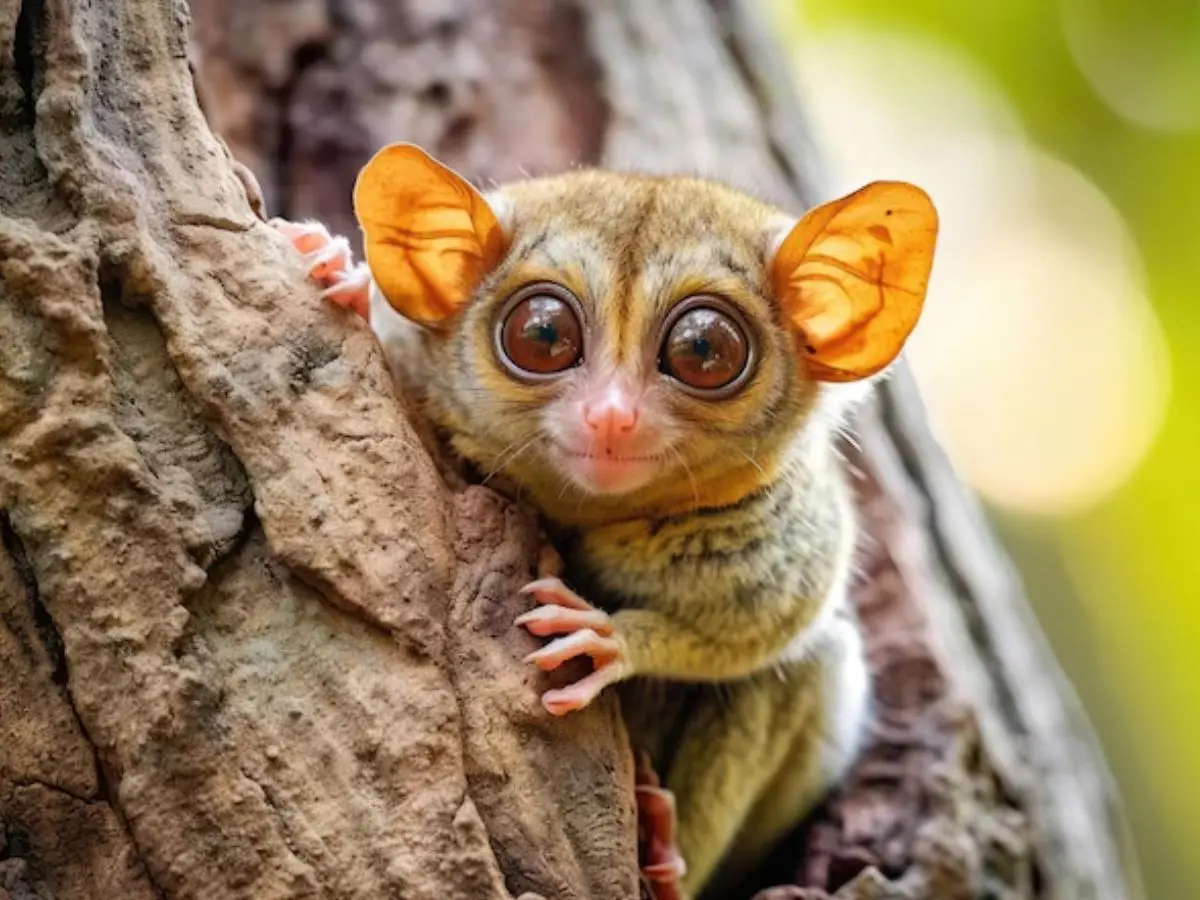
Pygmy Tarsier
The pygmy tarsier is a small primate from the Indonesia. It was thought to be gone for over 80 years until it was found again in 2000. Scientists are now studying it and trying to protect their habitat.
)
)
)
)
)