6 ancient civilisations that were far more advanced than we think

Each civilisation paired technical knowledge with social and administrative structures that allowed large projects and dense populations to flourish.

Introduction
Many familiar stories of human progress place technological and administrative breakthroughs in the modern era. In truth, several ancient civilisations developed systems and skills that rivalled, and in some respects surpassed, later achievements. Below are six societies whose urban planning, engineering, mathematics and governance show a level of sophistication that still surprises historians and engineers today.
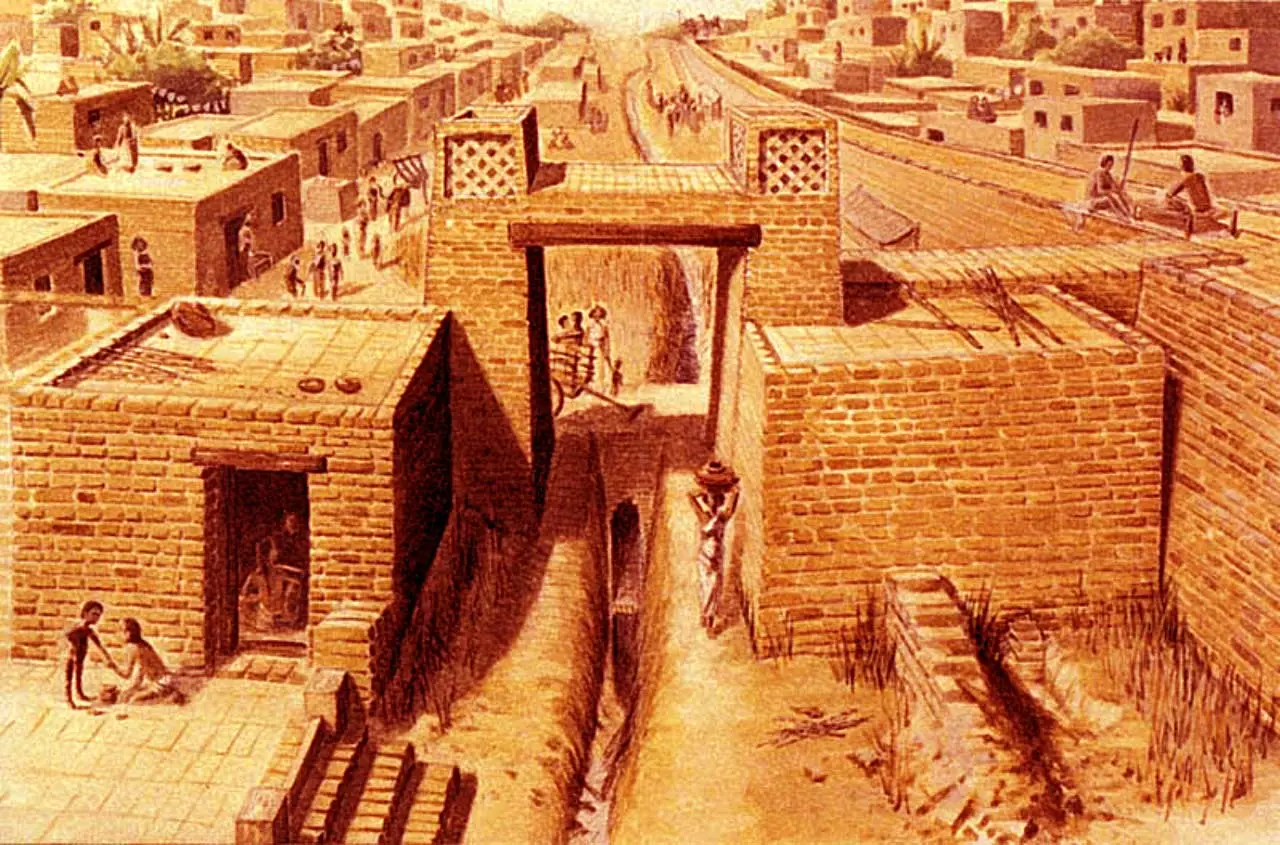
Indus Valley: planned cities and sanitation
The cities of Harappa and Mohenjo-daro were laid out on regular grids with streets aligned to cardinal points. Houses were built from standardised fired bricks, and many contained private wells and bathrooms linked to covered drainage channels. Engineers created public baths and managed urban refuse, features more often associated with modern municipal services than Bronze Age settlements.
Sumer and Babylon: writing, law and irrigation
In southern Mesopotamia the development of cuneiform script enabled record-keeping, contracts and literature. State organisations coordinated large-scale irrigation networks that supported high population densities. Legal codification, epitomised by the Code of Hammurabi, and administrative accounting mark Sumer and Babylon as centres of early complex governance and jurisprudence.
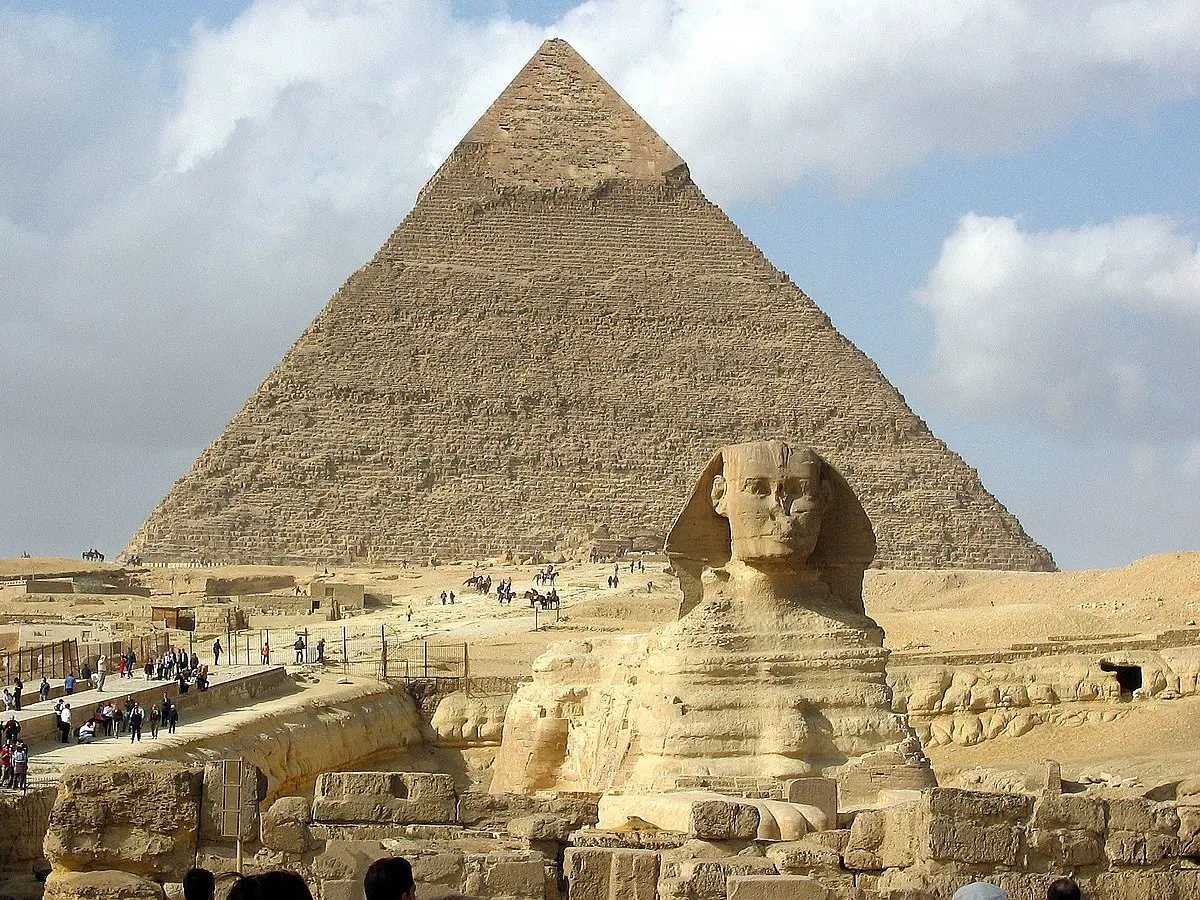
Ancient Egypt: medicine and large-scale construction
Egyptian builders moved enormous stone blocks with remarkable precision to erect temples and pyramids, showing advanced knowledge of logistics and geometry. Medical papyri record surgical procedures, diagnoses and pharmacopoeia; Egyptian physicians applied practical remedies and performed operations long before comparable systematic medical texts appeared elsewhere.
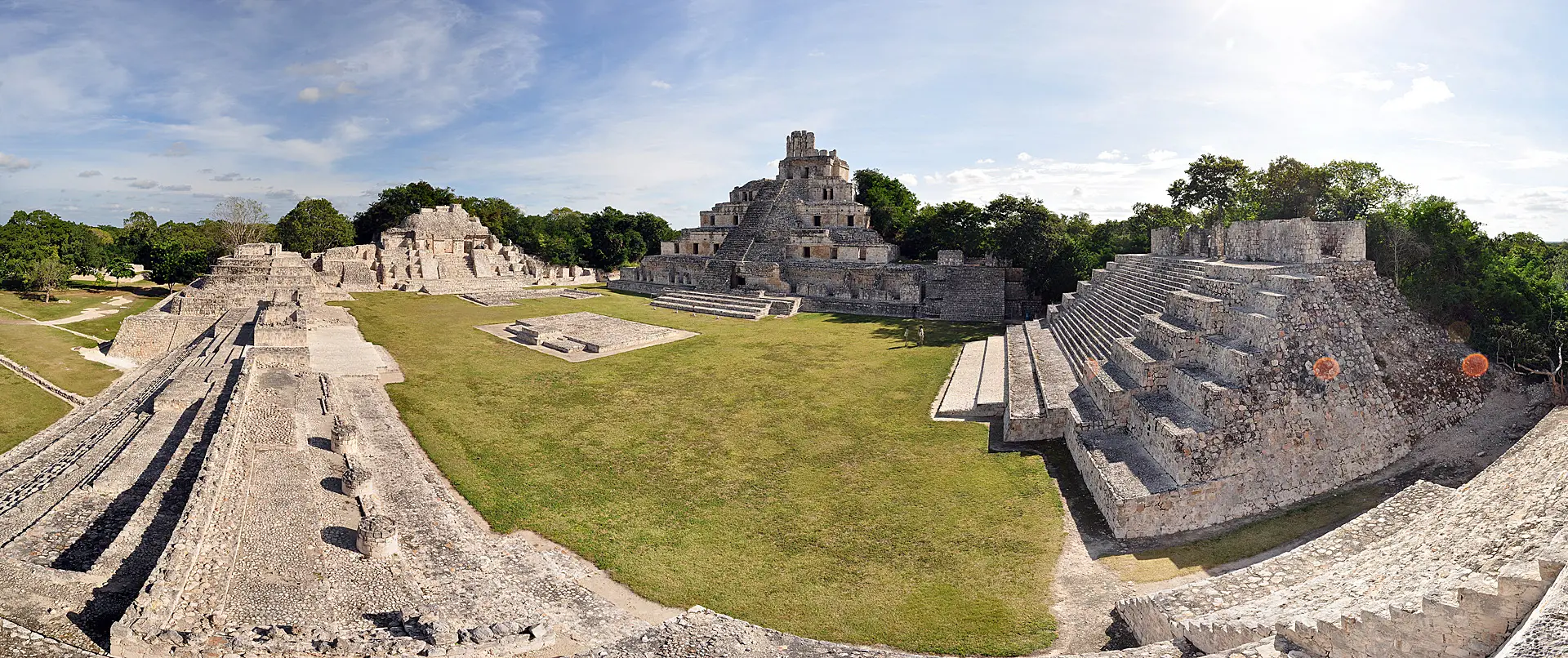
Maya: mathematics, astronomy and urban planning
Maya astronomers recorded planetary cycles and refined a calendar system that matched celestial events with striking accuracy. They employed a positional vigesimal number system that included a symbol for zero, a conceptual leap crucial to later mathematics. Maya cities combined ceremonial architecture with carefully planned plazas and causeways aligned to celestial markers.
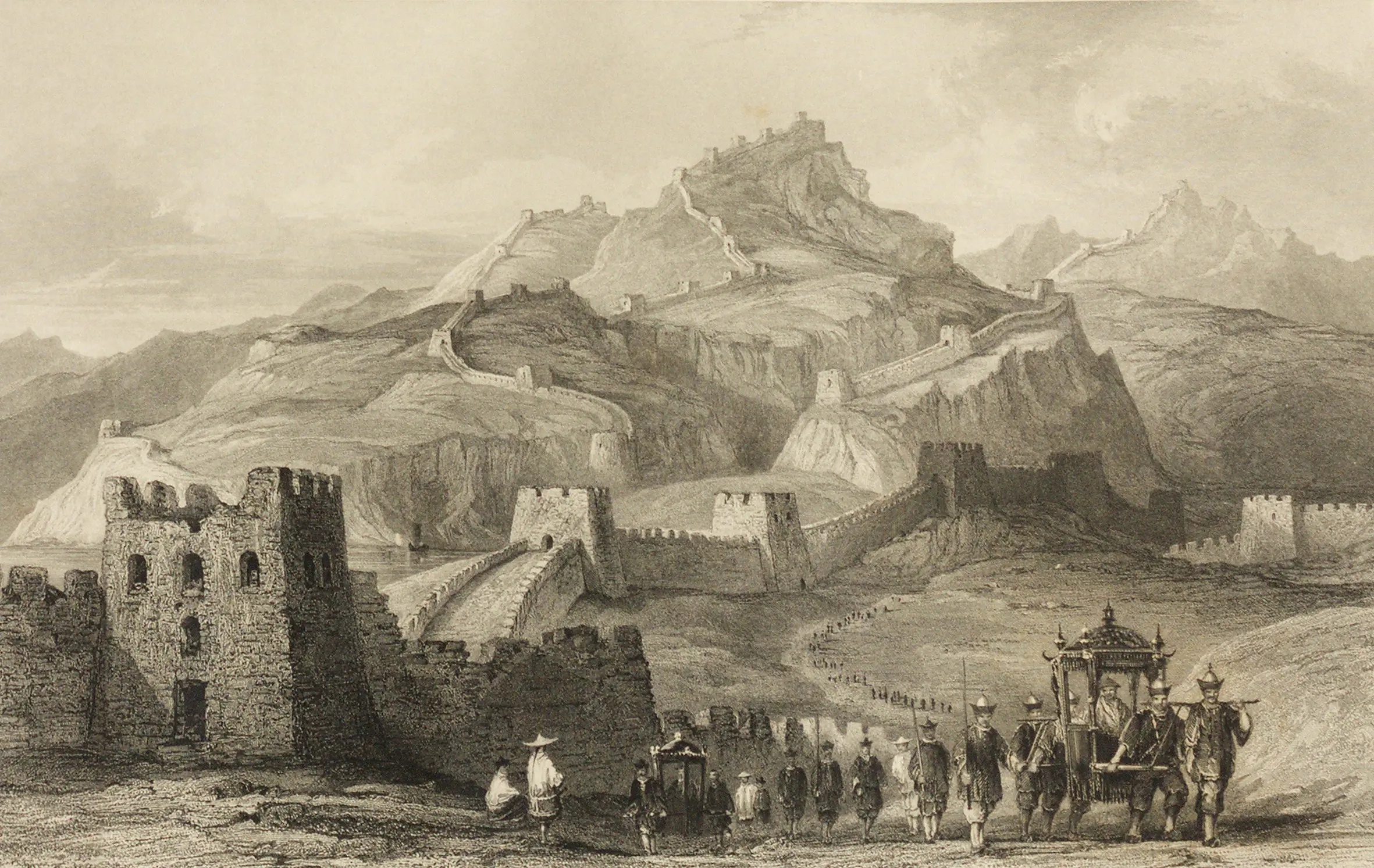
Ancient China: inventions that reshaped the world
Chinese thinkers and artisans produced durable and widely influential innovations: papermaking and woodblock printing enabled record transmission; the compass transformed navigation; Zhang Heng’s seismometer detected distant earthquakes; and early gunpowder and movable type would later change warfare and publishing. These inventions emerged from a continuous tradition of experimentation and state support for technical knowledge.
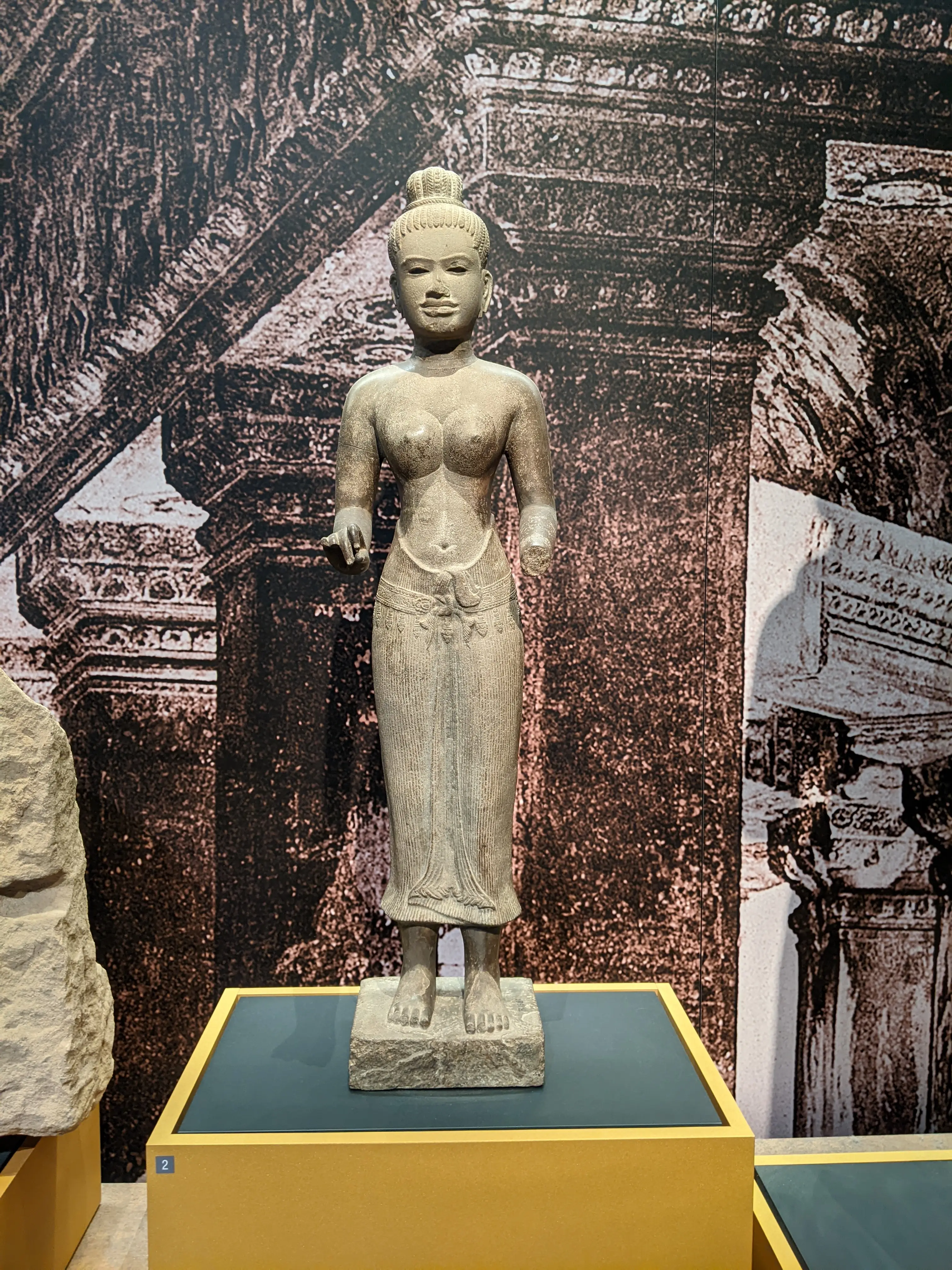
Angkor (Khmer Empire): hydraulic mastery and urban scale
The Khmer capital around Angkor relied on an integrated system of reservoirs, canals and barays to control seasonal floods and supply water for rice cultivation across a vast territory. The hydraulic network supported one of the largest pre-industrial urban populations and underpinned monumental temple construction, showing an applied civil engineering comparable to later irrigation states.
)
)
)
)
)