6 advantages of the Su-30MKI fighter jets that the F‑16s can’t match

The Su‑30MKI brings a heavier payload, longer reach, thrust‑vectoring agility, and unique BrahMos‑A integration, backed by long‑range sensors and more, giving clear advantages over F‑16.
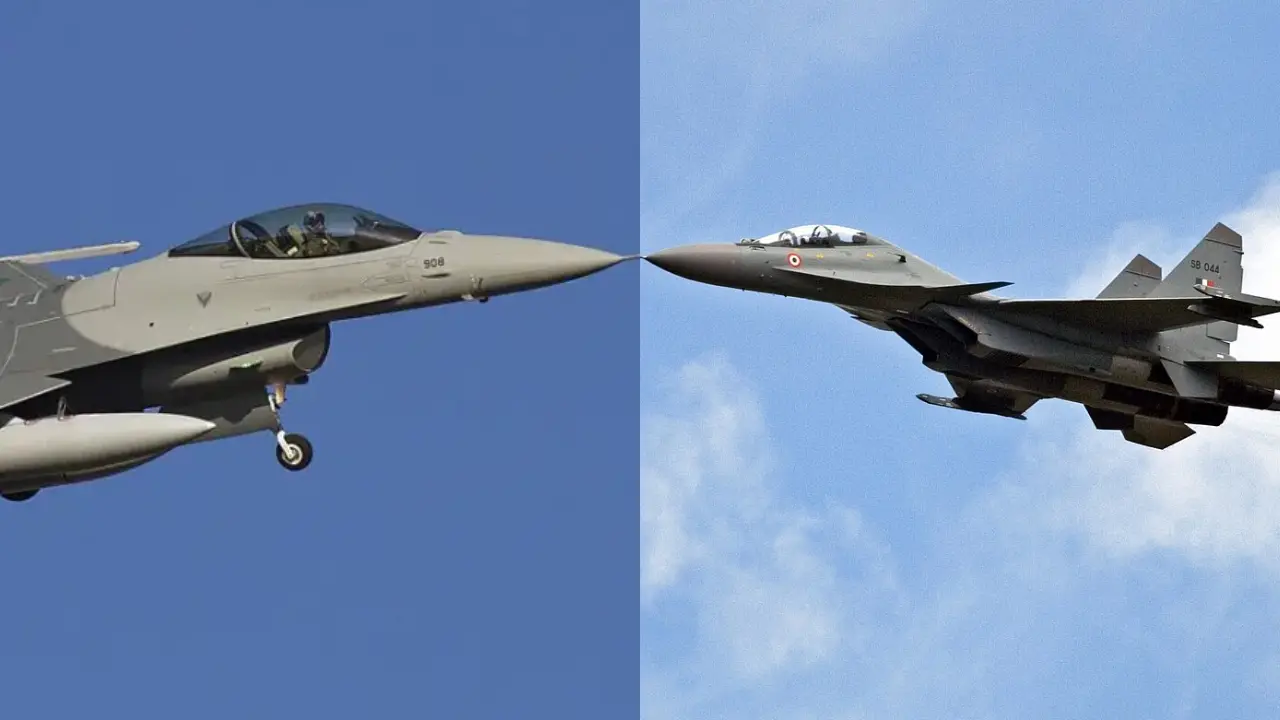
Role and design of air dominance versus lightweight multirole
The Su-30MKI is a twin-engine, long-range air dominance fighter with two crew and large internal fuel, built for deep missions and heavy loads. While the F-16 is a single-engine engine lightweight, multirole jet optimised for lower operating cost and smaller payloads.
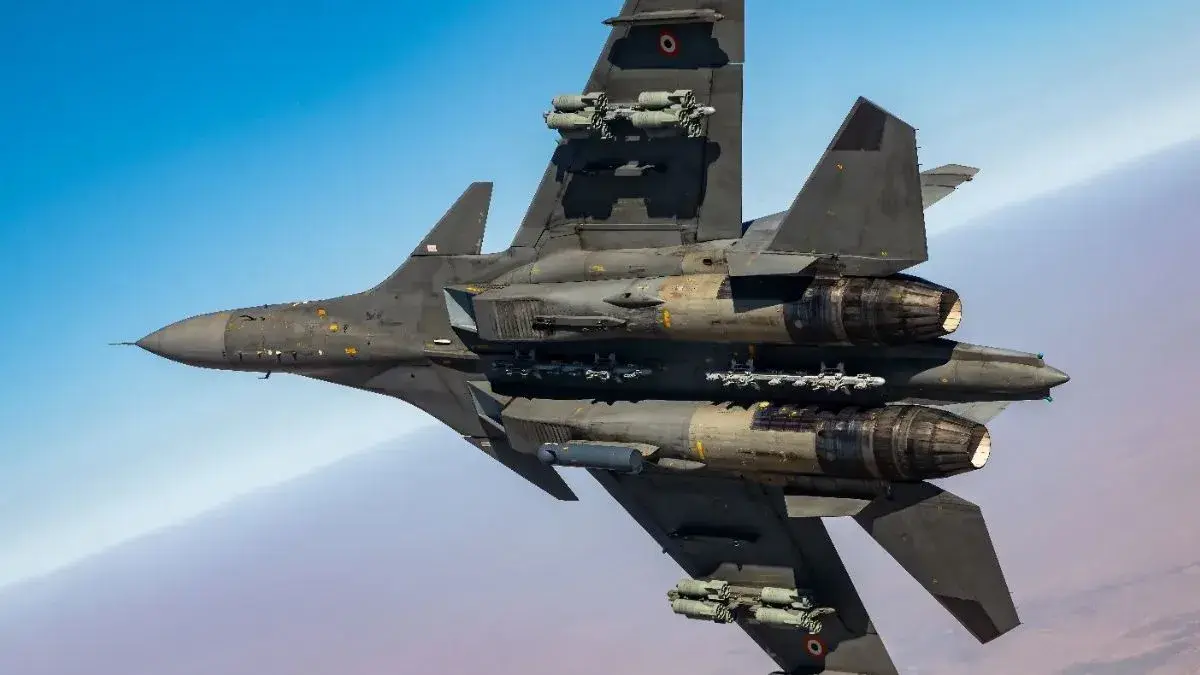
Payload and hardpoints, more weapons, more options
Su-30MKI has 12 hardpoints, expandable with racks, and can carry about 8,130 kilogrammes of stores. This allows large BVR mixes and heavy strike loads. The F-16 typically has 11 stations and around 7,700 kilogrammes of external payload.
Range and endurance deep reach with fuel to spare
Su-30MKI offers roughly 3,000 kilometres range at altitude and up to 8,000 kilometres ferry range with aerial refuelling. It supports long patrols and deep strike escort, which suits air dominance and maritime roles for the IAF.
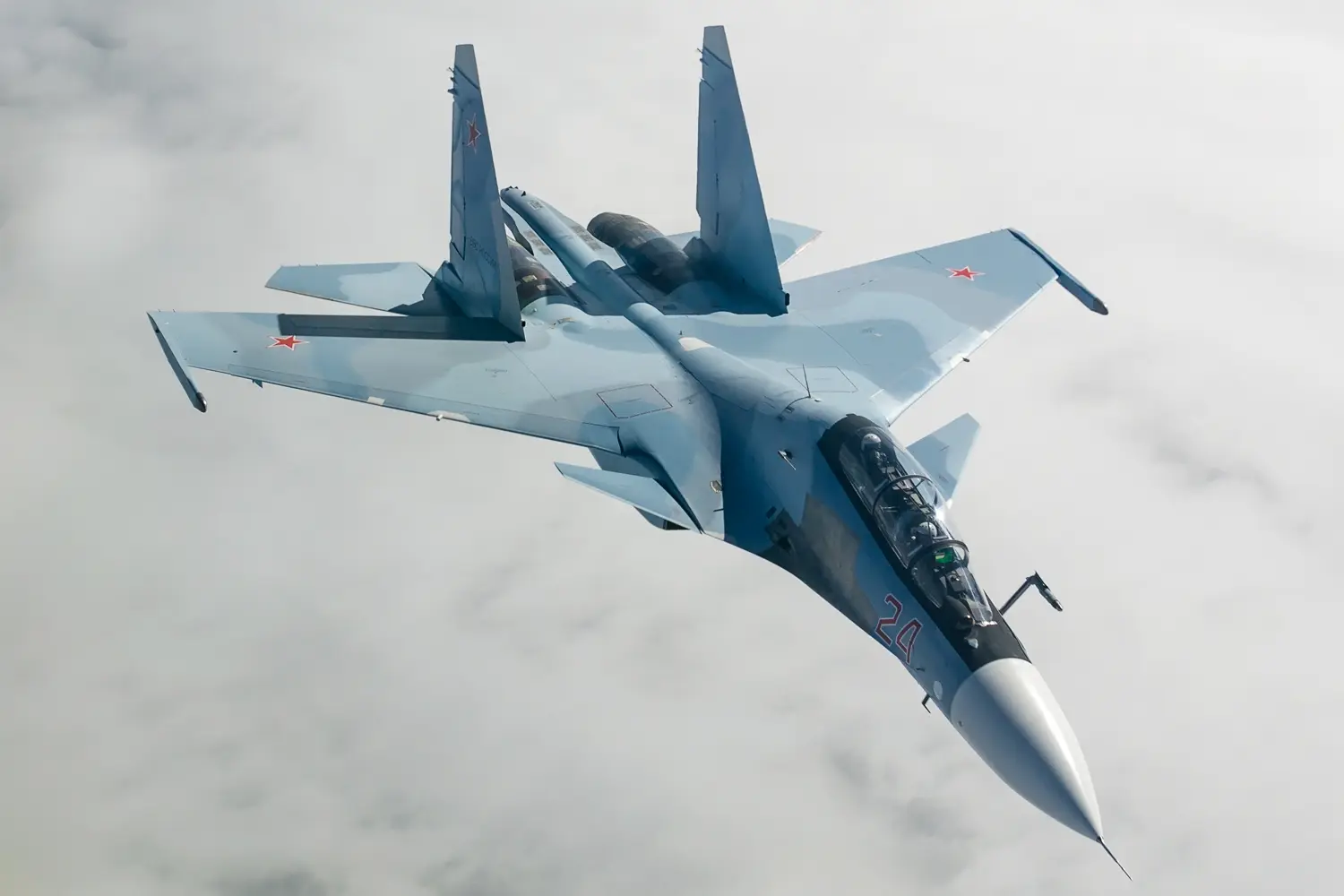
Thrust vectoring, agility post stall control
AL 31FP engines with thrust vectoring give Su 30MKI super manoeuvrability for high-angle and post-stall moves such as Cobra class manoeuvres. This helps nose pointing and missile defeat in close combat, an edge the baseline F-16 does not have.
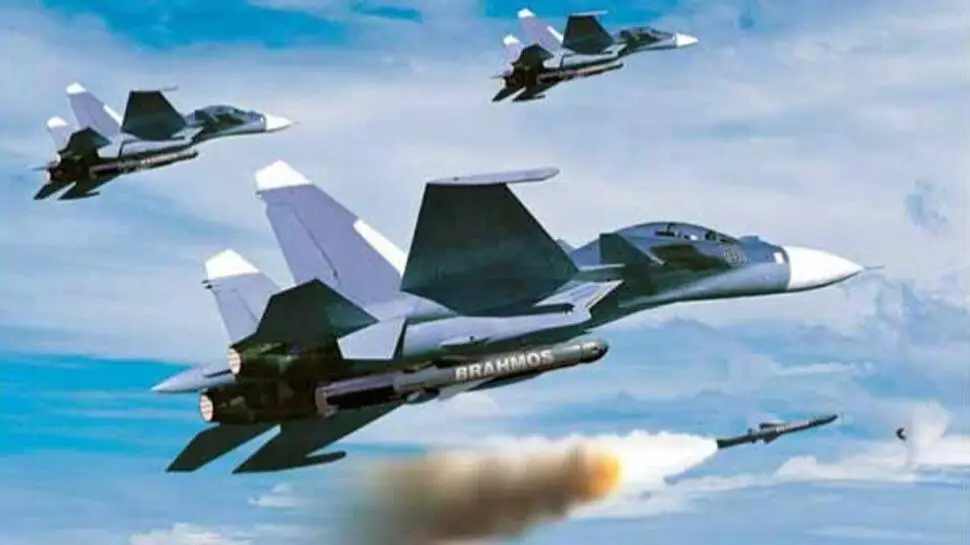
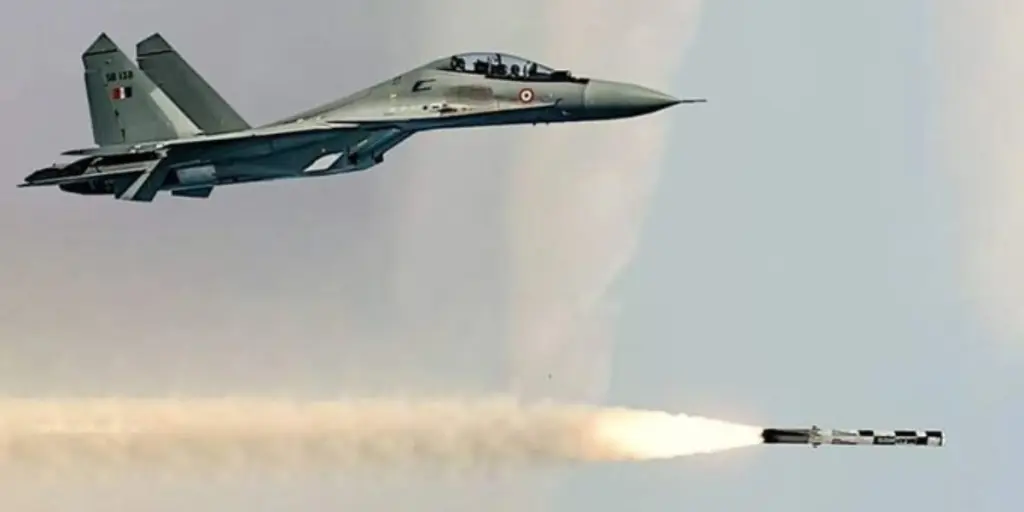
Heavy strike integration BrahMos A carriage
The Su-30MKI uniquely carries the 2.5 tonne BrahMos A supersonic cruise missile after certified integration and trials. This gives long-range anti-ship and land attack power from the fighter fleet, with the capability now spreading to more airframes.
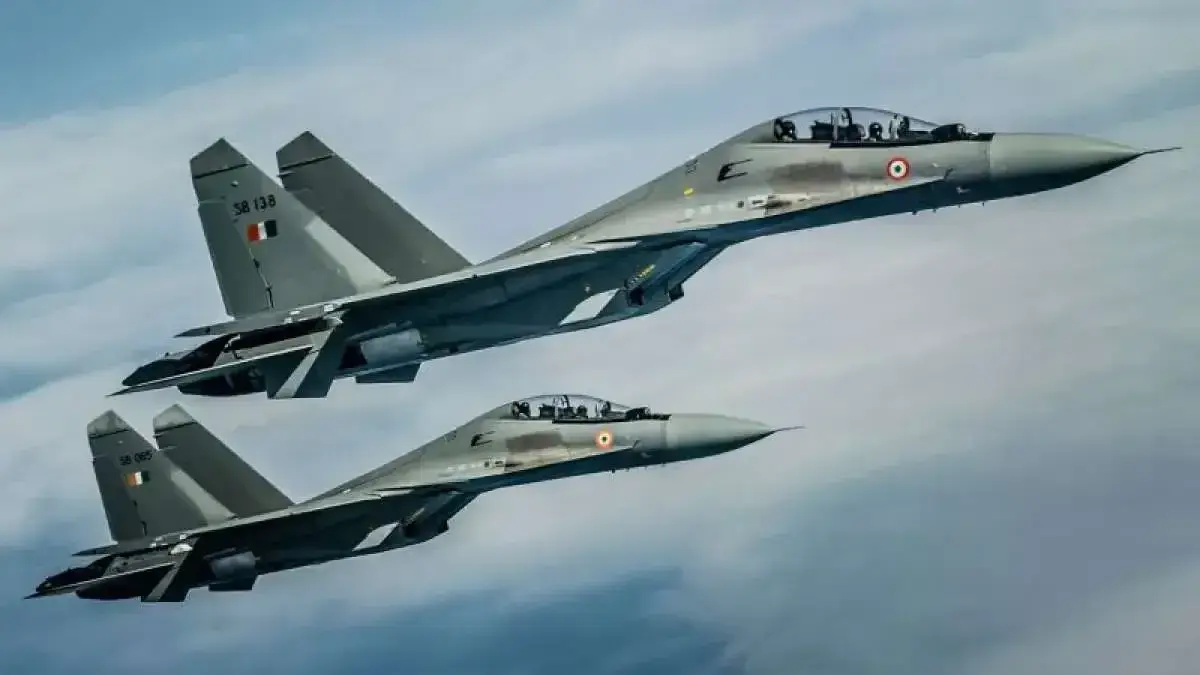
Big aperture sensors and tracking
The Su-30MKI’s Bars radar line focuses on long-range detection and multi-target tracking. Irbis E evolution claims detection to 400 kilometres for a 3 square metre RCS in narrow search and can track 30 targets, aiding long-range intercept tactics.
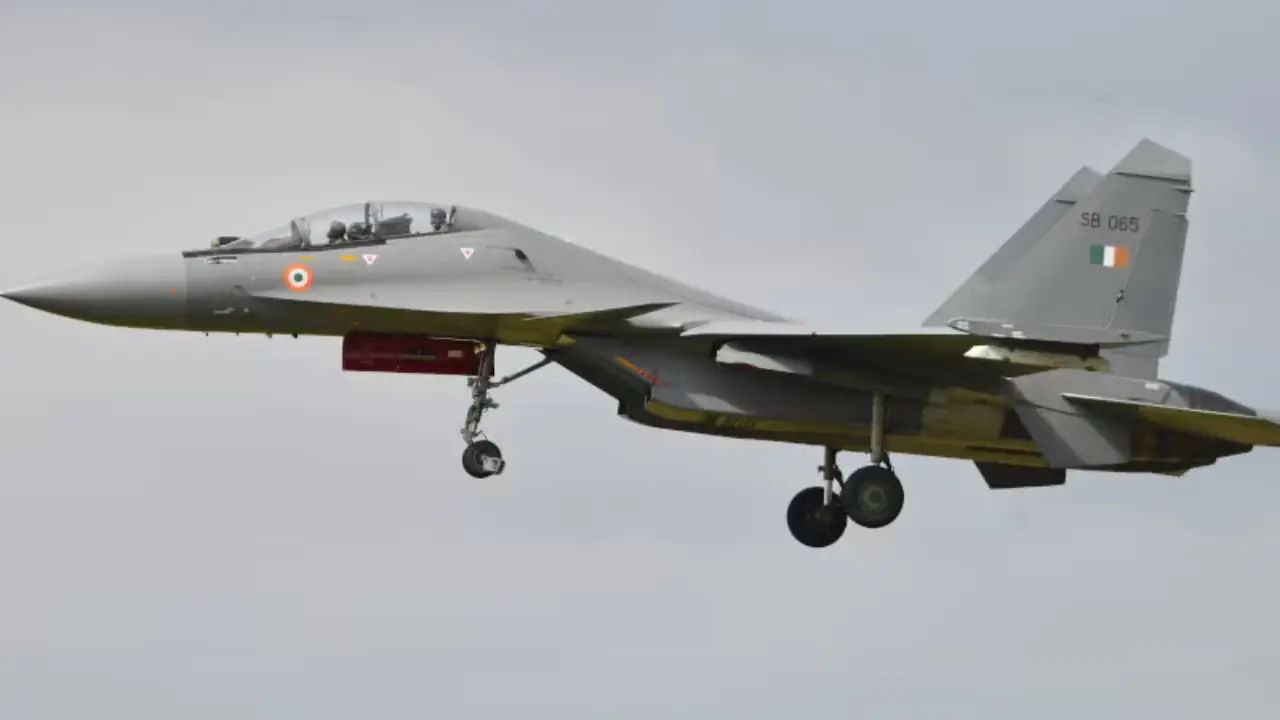
Multi-mission mass maritime and escort roles
With two crew, large fuel and heavy stores, Su 30MKI can act as a long-range escort, sea control striker and BVR missile truck. A lighter F-16 may need tankers or multiple sorties to deliver similar massed effects.