54 hours a week? Top 8 hardest-working countries in 2025, know where India ranks

According to the International Labour Organization (ILO) 2025 data, countries vary dramatically in average weekly working hours. While some developed nations experiment with four-day workweeks, others see workers consistently exceeding 49 hours per week.

A global snapshot of overwork
Long hours have become a defining feature of the modern workforce, particularly in developing nations. According to the International Labour Organization (ILO) 2025 data, countries vary dramatically in average weekly working hours. While some developed nations experiment with four-day workweeks, others see workers consistently exceeding 49 hours per week. This disparity highlights not only economic pressures but also cultural attitudes toward work.

1. Bhutan – 54.5 hours per week
Topping the list is Bhutan, where the average worker clocks 54.5 hours weekly. Men work about 55 hours, while women average 53.7 hours. Much of Bhutan’s workforce is engaged in agriculture and tourism, sectors that demand long hours, making it the hardest-working country in 2025.

2. Sudan – 50.8 hours per week
Sudan comes second with 50.8 hours per week. Men work an average of 51.9 hours, while women average 45.7 hours, revealing a notable gender gap. High weekly hours reflect both economic pressures and cultural work expectations.

3. Lesotho – 50.2 hours per week
In Lesotho, employees work 50.2 hours weekly on average. Men work 51.5 hours, while women log 48.4 hours. The nation’s extended workweeks are partly driven by service-sector and informal labour demands.
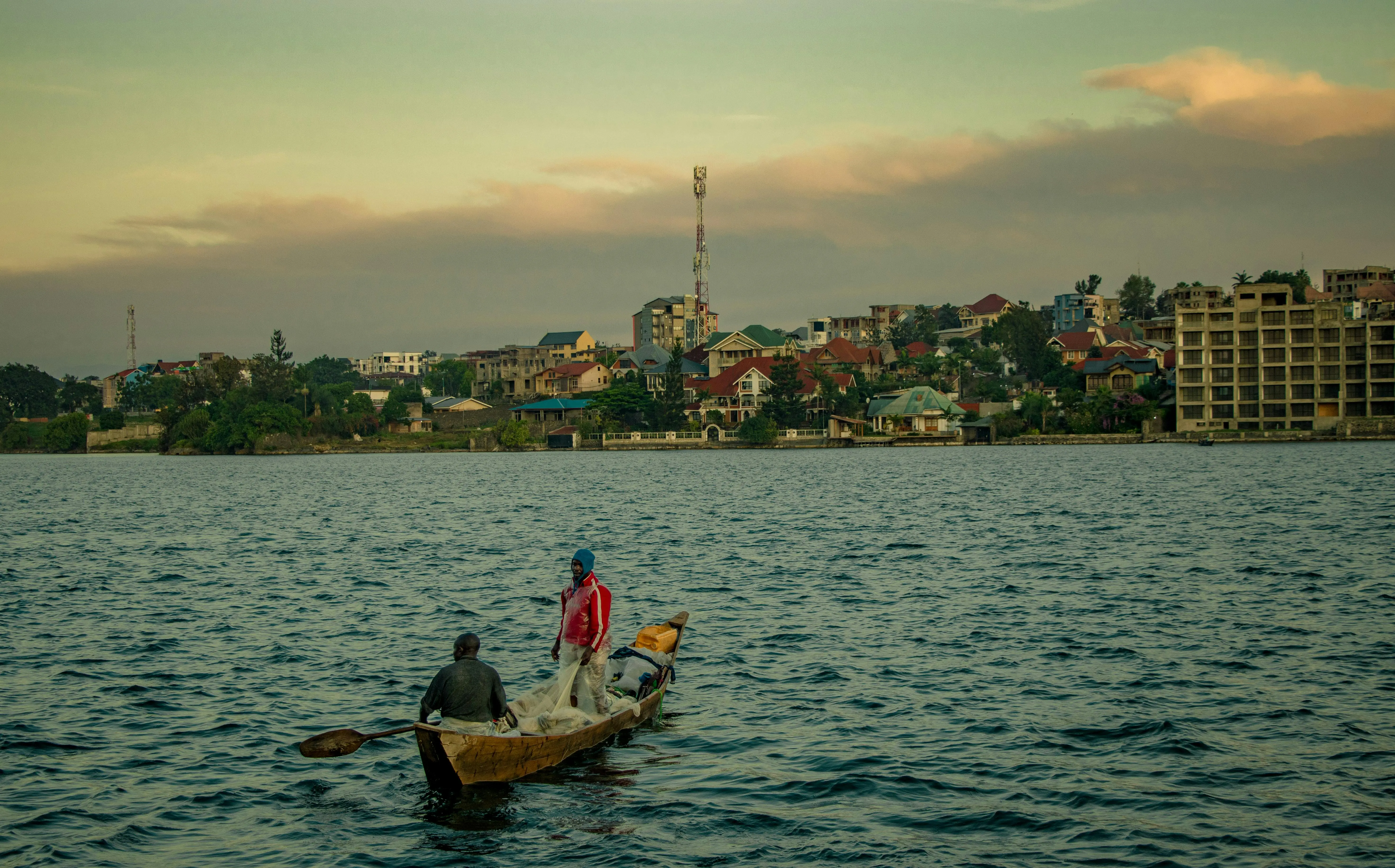
4. Republic of the Congo – 48.7 hours per week
The Republic of the Congo ranks fourth, with 48.7 hours per week on average. Men work 49.2 hours, while women work 48.3 hours. High hours are seen across agriculture, mining, and urban sectors.

5. United Arab Emirates – 48.4 hours per week
In the UAE, workers average 48.4 hours weekly. Men and women work nearly equal hours at 48.3 and 48.5, respectively. Extended workweeks are common in corporate, service, and hospitality sectors.
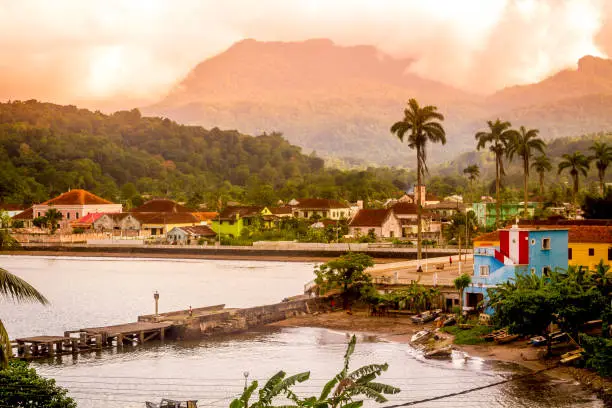
6. Sao Tome and Principe – 48.2 hours per week
Sao Tome and Principe employees log 48.2 hours per week, with women slightly exceeding men (48.9 vs 47.5 hours). Service-oriented and tourism jobs largely contribute to these long working hours.
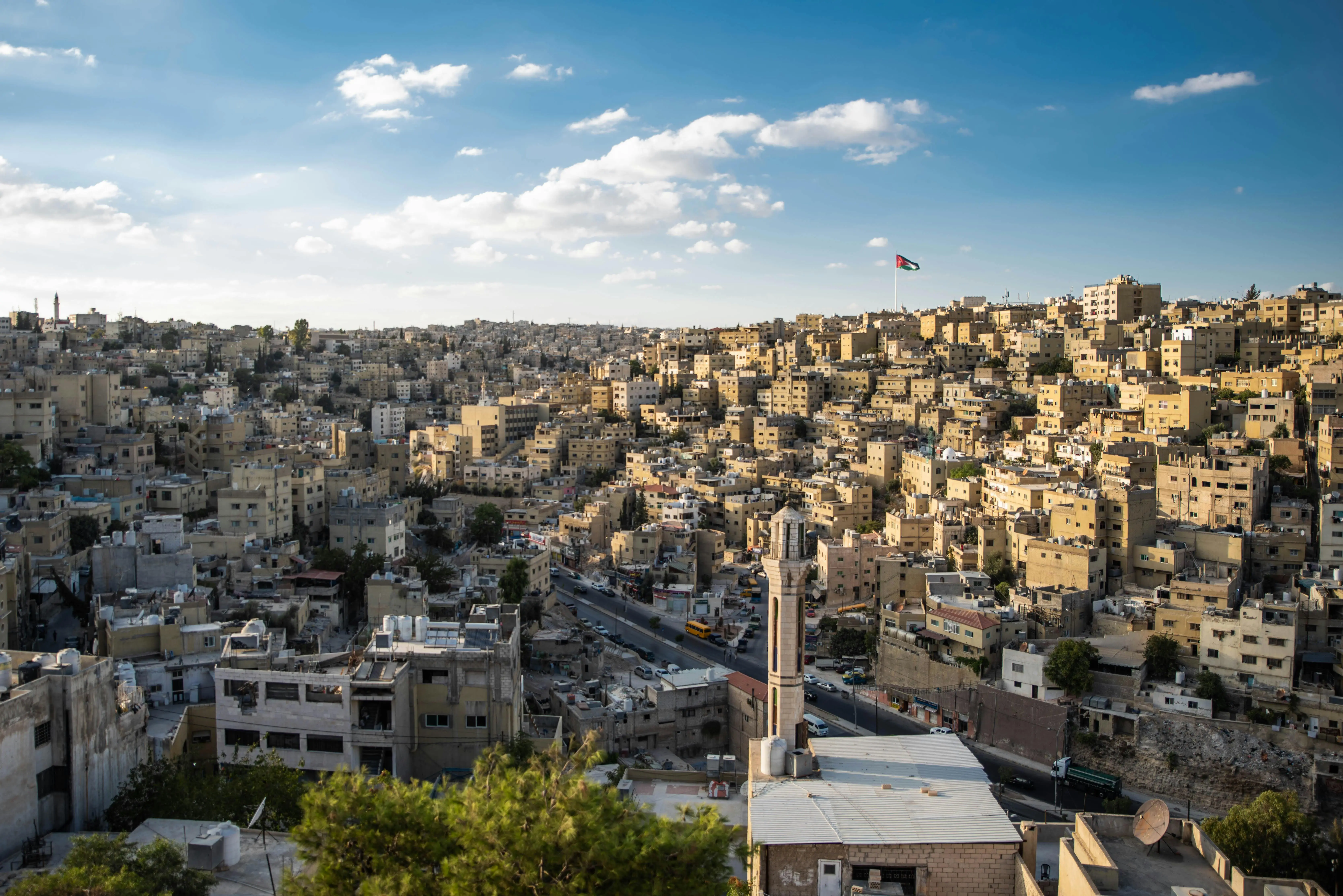
7. Jordan – 47.8 hours per week
Jordan ranks seventh with 47.8 hours weekly. Men work 48.5 hours, while women work 43.6 hours on average. Public administration, retail, and service sectors dominate the country’s extended workweek.
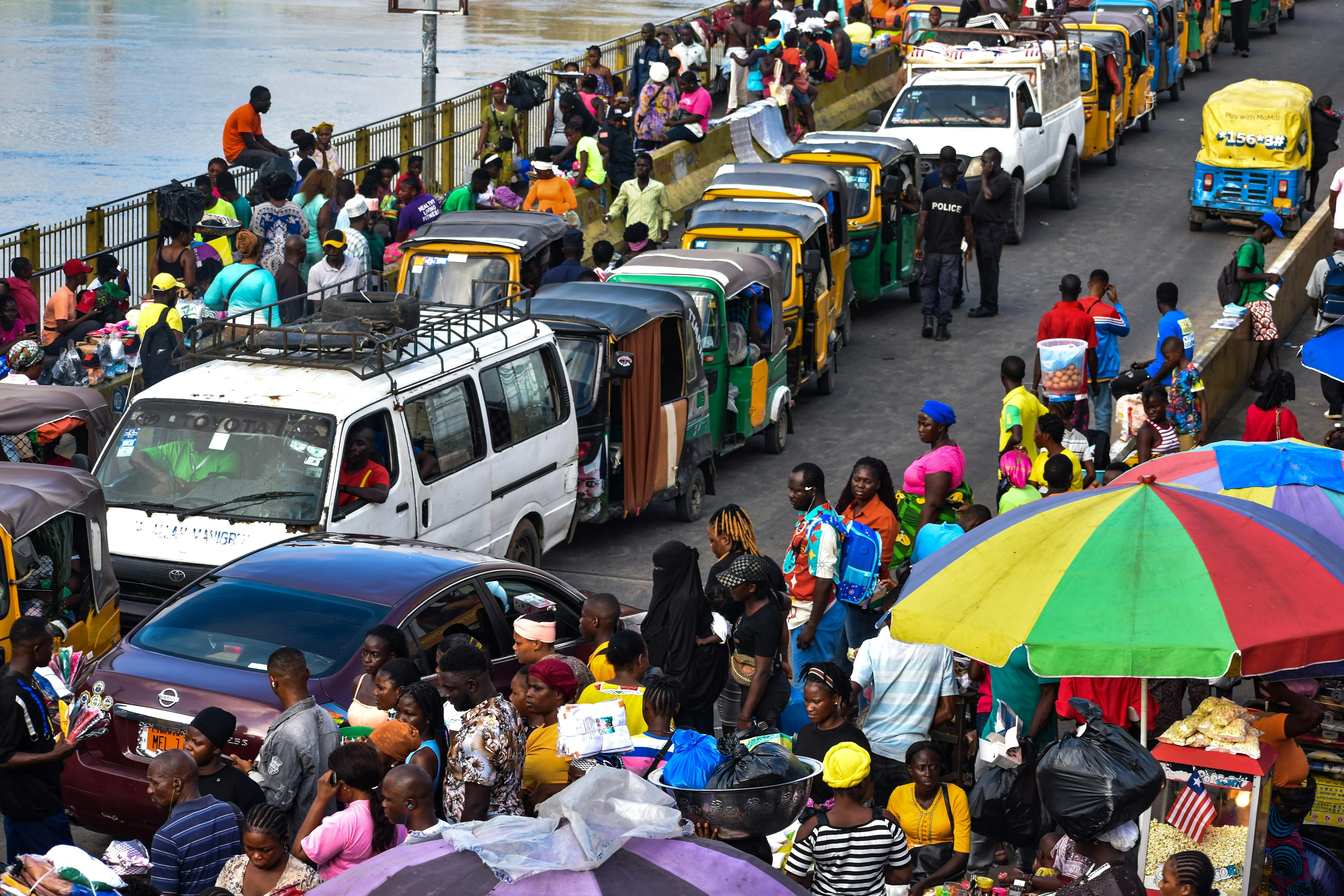
8. Liberia – 47.5 hours per week
In Liberia, workers average 47.5 hours per week, with men working 49 hours and women 45.9 hours. Long work hours are prevalent across informal labour and service industries.

India – 45.8 hours per week
India ranks fifteenth globally, averaging 45.8 hours per week. Men work 49.8 hours, while women average 35.9 hours. Over half of the workforce (51 per cent) exceeds 49 hours weekly, reflecting widespread overwork despite moderate official averages. Regional patterns in South Asia, including Bangladesh and Pakistan, show similar trends, highlighting a systemic issue of extended work hours.
)
)
)
)
)