5 ways Cambodia could defend against Thailand without fighter jets

Cambodia can upgrade its air defence radar network to detect Thai aircraft early. Even basic radar systems, when integrated with mobile air defence units, provide early alerts to troop movements and airspace violations, allowing time to respond or seek cover.
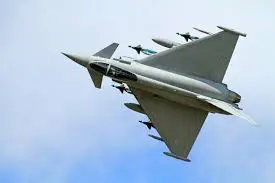
Deploying Advanced Surface-to-Air Missile Systems
Without a strong air force, Cambodia could invest in modern surface-to-air missile (SAM) systems. Systems like Russia’s Pantsir-S1 or Chinese-made HQ-9 can deter or slow down air attacks from Thai jets by targeting incoming aircraft or munitions from the ground.
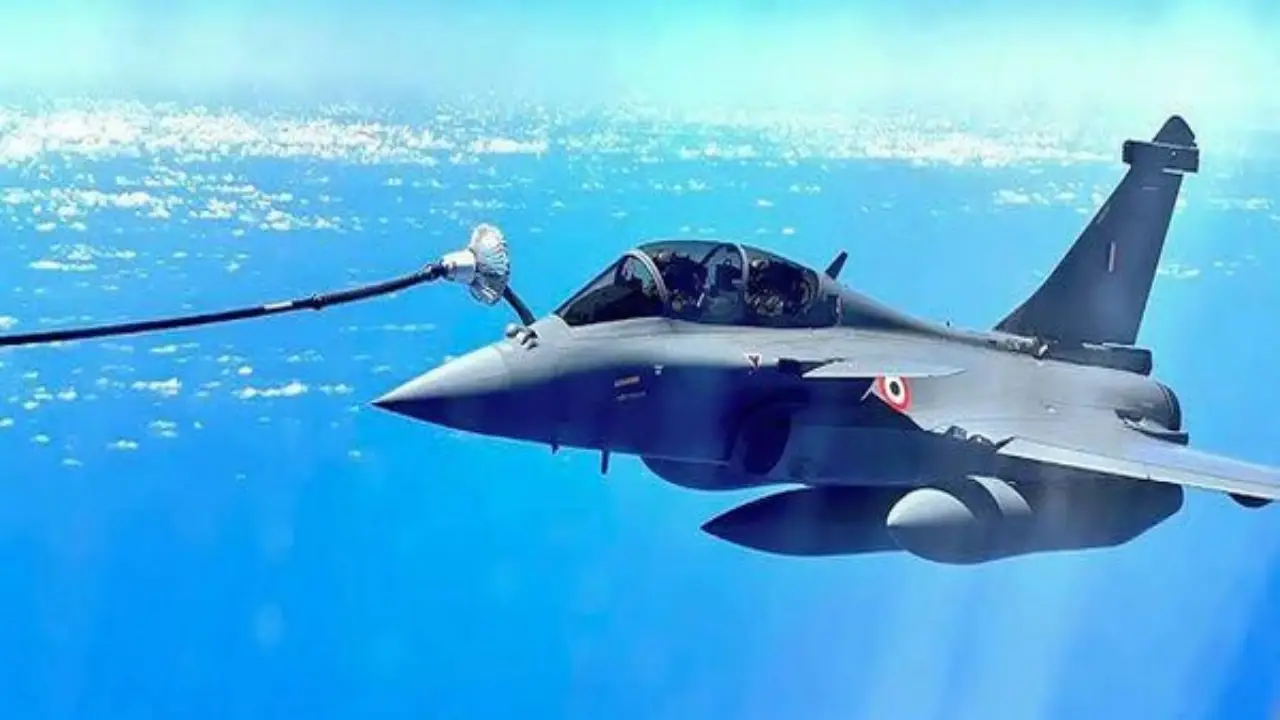
Strengthening Radar and Early Warning Networks
Cambodia can upgrade its air defence radar network to detect Thai aircraft early. Even basic radar systems, when integrated with mobile air defence units, provide early alerts to troop movements and airspace violations, allowing time to respond or seek cover.
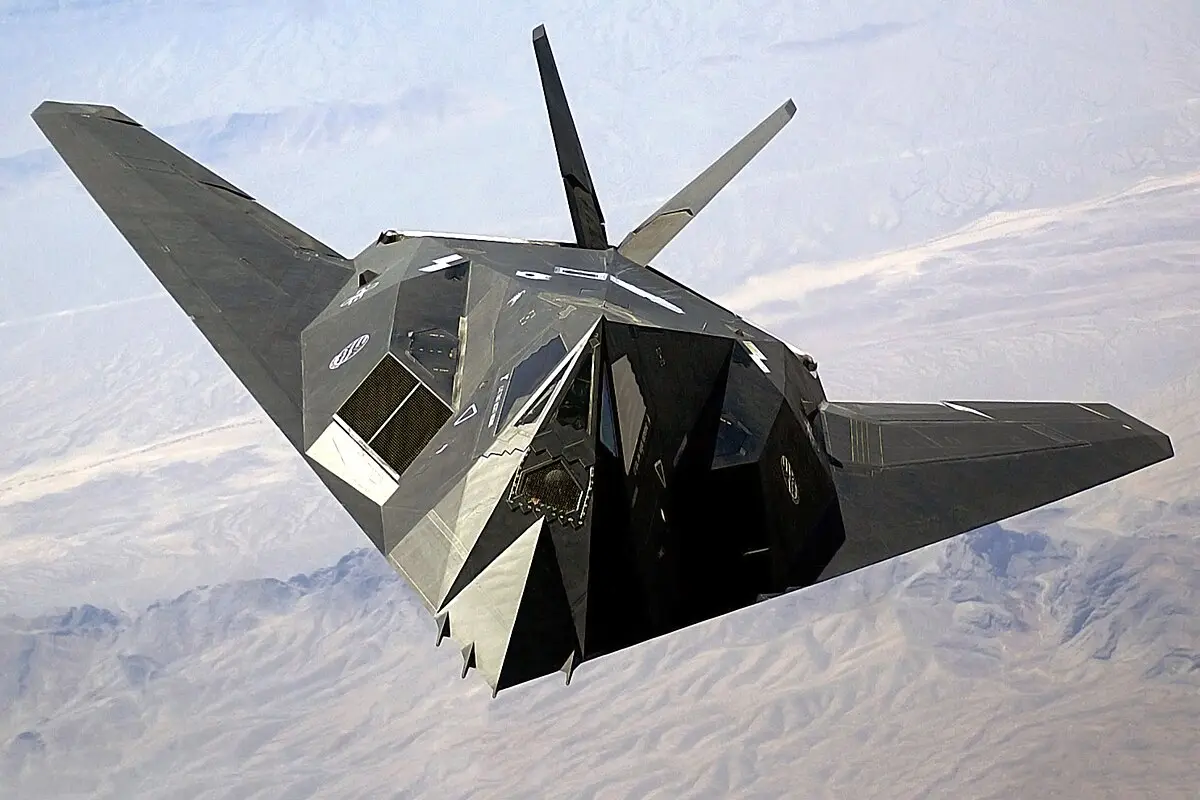
Using Mobile Anti-Aircraft Units and MANPADS
Portable anti-air weapons like MANPADS (Man-Portable Air-Defence Systems) such as the Chinese FN-6 or Russian Igla could offer decentralised defence. They are harder to detect and target, and can be used by infantry to hit low-flying aircraft or helicopters.
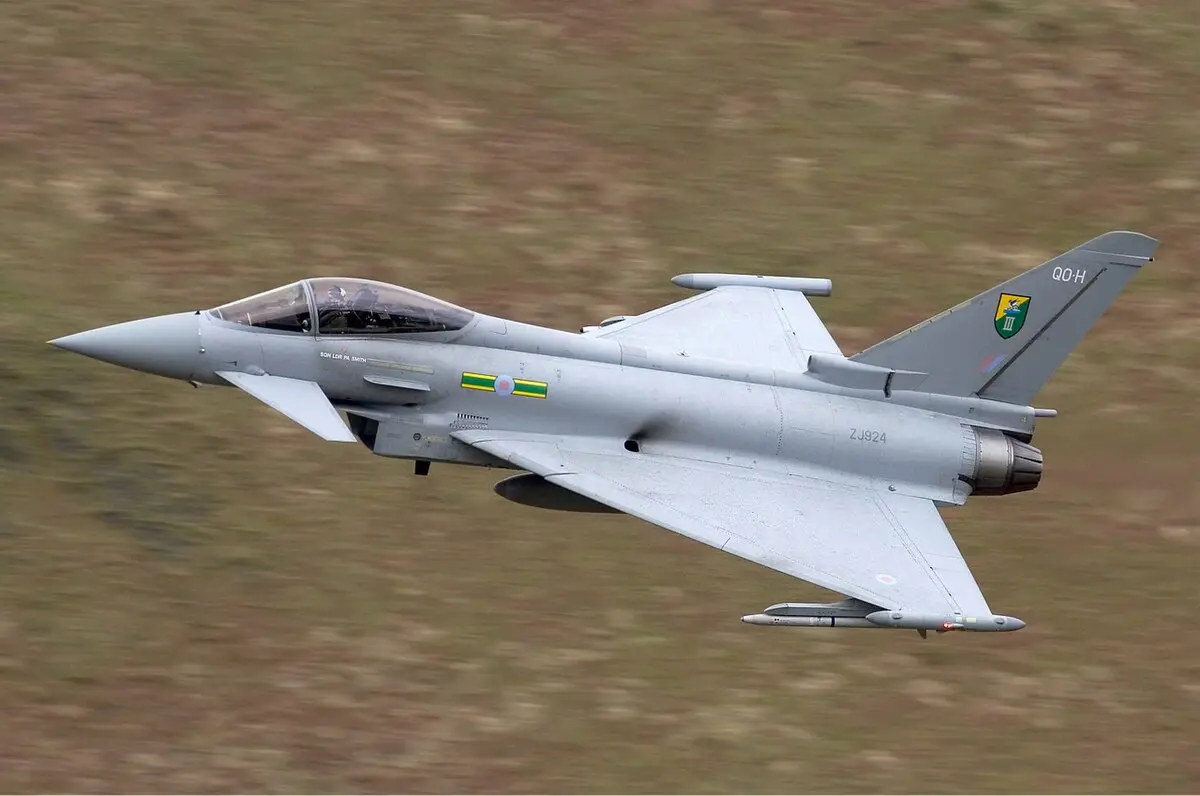
Fortifying Key Infrastructure and Relocating Command Centres
Cambodia could focus on hardening its military installations, command centres, and communications hubs against air strikes. Decentralising and moving critical operations underground or into dense terrain would help avoid easy targeting by Thai airpower.
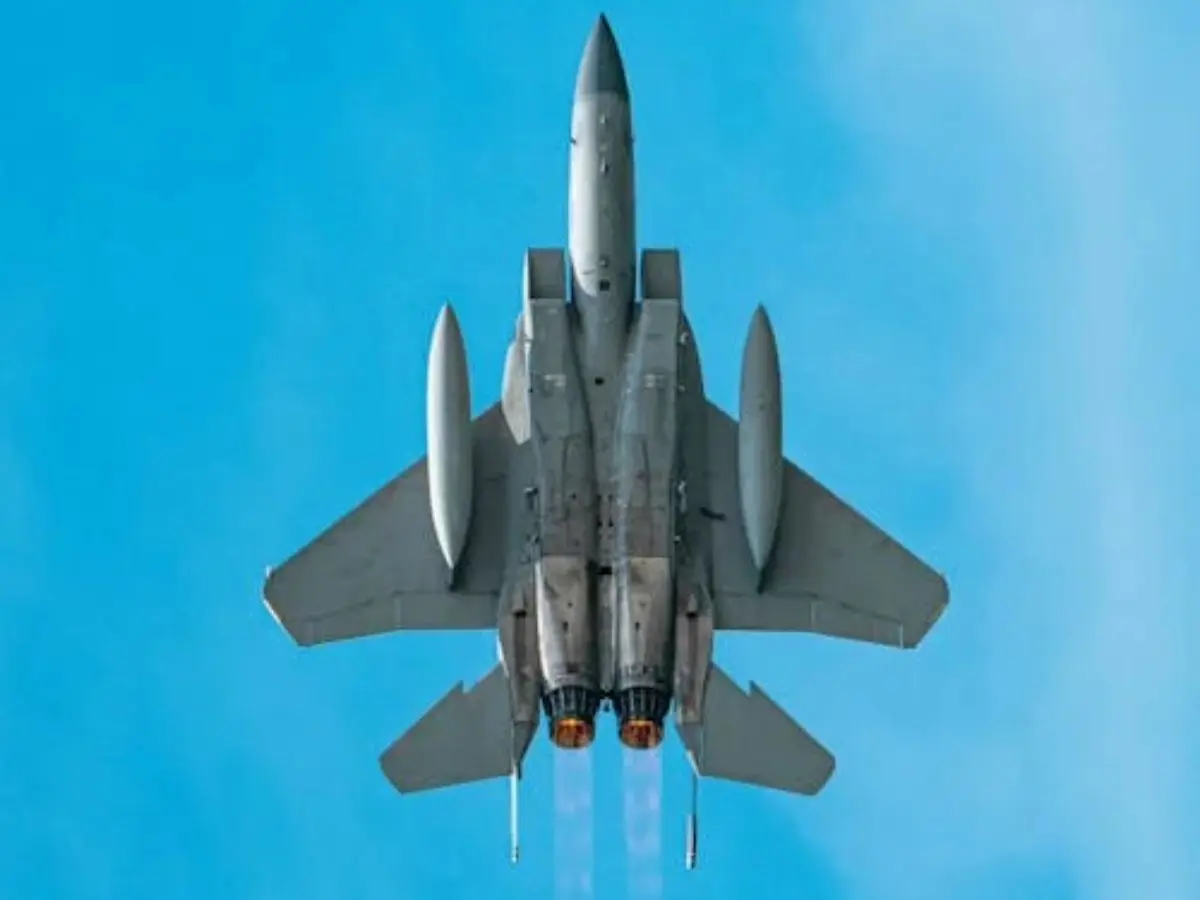
Leaning on Asymmetric and Guerrilla Tactics
Without air superiority, Cambodia could rely on asymmetric warfare strategies like using terrain to its advantage, launching hit-and-run operations, or engaging in cyber and electronic warfare to neutralise some of the technological advantages of the Thai military.
)
)
)
)
)