5 ways a fighter jet can be powered using fusion energy

Fusion energy, offering the potential for virtually limitless power, presents a transformative opportunity for the future of aerial combat.

Introduction: The Need for Advanced Propulsion in Military Aviation
The pursuit of fusion energy as a viable power source for military aircraft has gained significant momentum. The limitations of conventional jet engines, including fuel consumption and range, have prompted defence agencies worldwide to explore alternative propulsion technologies. Fusion energy, offering the potential for virtually limitless power, presents a transformative opportunity for the future of aerial combat.
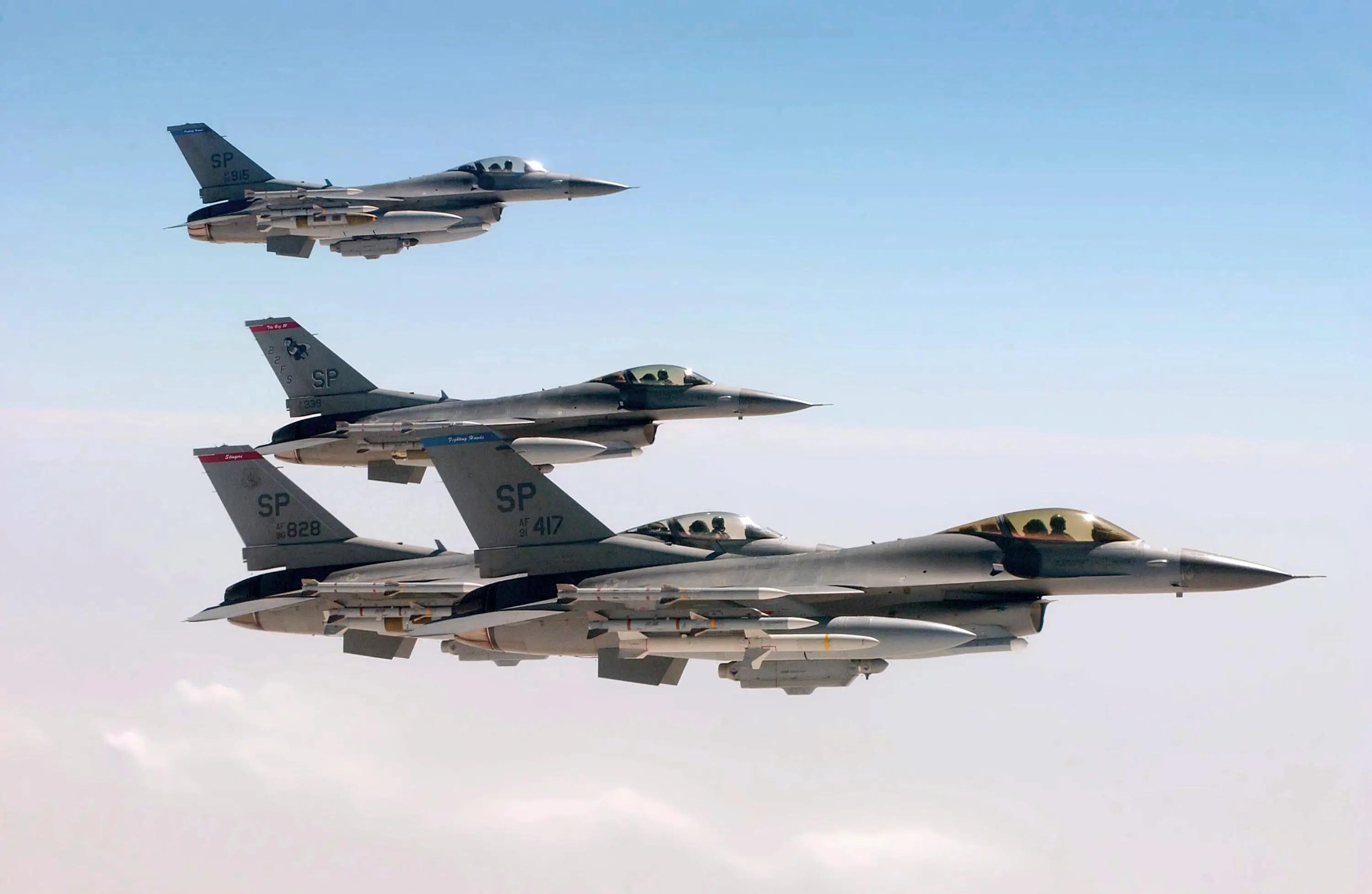
1. Magnetic Fusion Propulsion Systems
Magnetic fusion propulsion systems utilize the principles of magnetic confinement to achieve controlled nuclear fusion reactions. These systems aim to generate high-energy plasma that can be directed to produce thrust. Recent advancements have demonstrated the feasibility of initiating fusion reactions in compact configurations, paving the way for their application in propulsion systems.
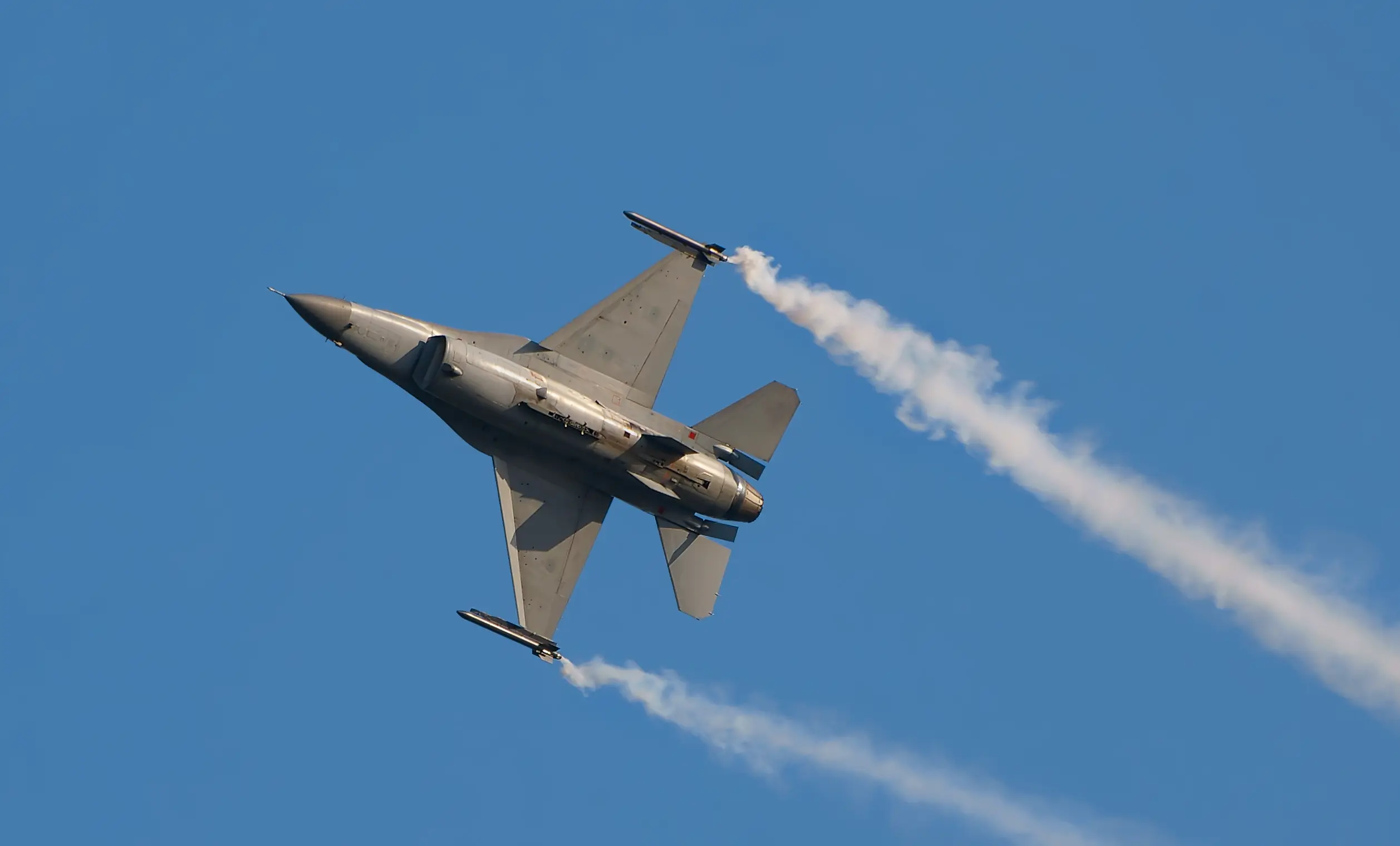
2. Inertial Fusion Propulsion
Inertial fusion propulsion involves compressing fuel pellets to achieve the conditions necessary for fusion reactions. This method relies on the rapid compression of fusion fuel using high-energy lasers or other means to initiate fusion. The energy released from these reactions can then be harnessed to produce thrust for aircraft propulsion.
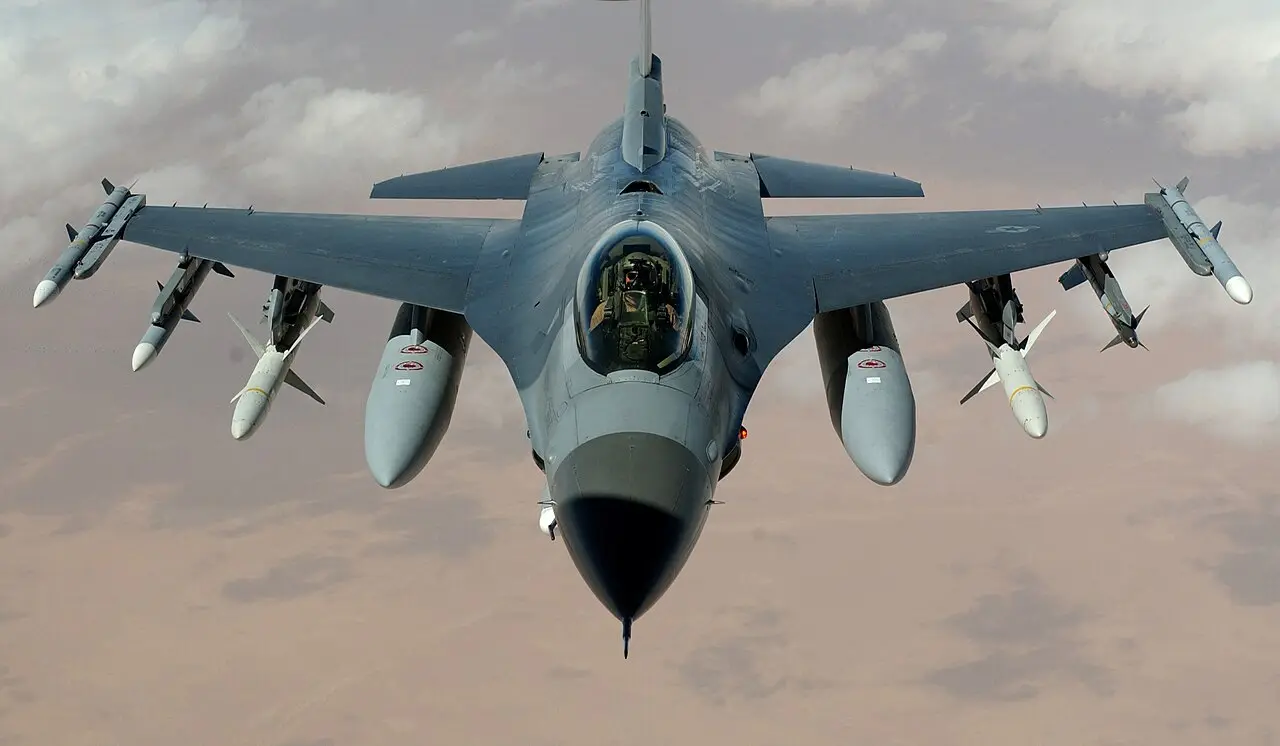
3. Fusion-Powered Magneto-Plasma Propulsion
Fusion-powered magneto-plasma propulsion systems combine the principles of fusion energy with magneto-plasma dynamics to generate thrust. These systems aim to achieve high-efficiency propulsion by utilizing the energy produced from fusion reactions to accelerate plasma, which is then directed to produce thrust. Recent breakthroughs have demonstrated the potential of this approach in achieving significant thrust-to-weight ratios.
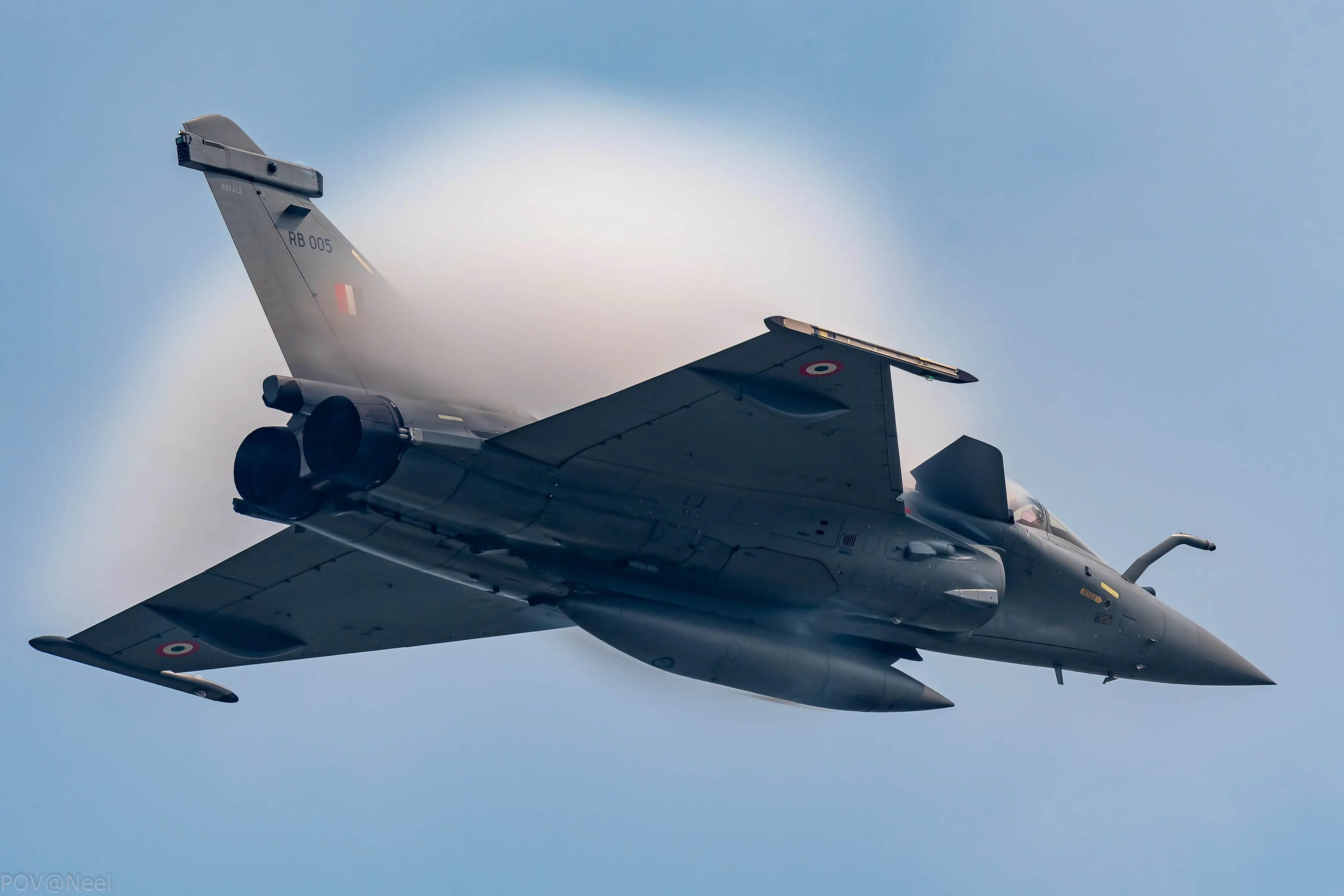
4. Direct Energy Conversion Systems
Direct energy conversion systems aim to directly convert the energy produced from fusion reactions into electrical power. This electricity can then be used to power electric propulsion systems, such as ion or Hall-effect thrusters, which are known for their high efficiency and specific impulse. By eliminating the need for traditional combustion processes, these systems offer the potential for cleaner and more efficient propulsion.
5. Hybrid Fusion-Electric Propulsion
Hybrid fusion-electric propulsion systems integrate fusion energy with conventional electric propulsion technologies. In this configuration, fusion reactors provide a continuous power source, while electric propulsion systems manage the distribution and utilization of this power for thrust generation. This hybrid approach aims to combine the benefits of both technologies, offering enhanced performance and efficiency.
Conclusion: The Path Forward
The integration of fusion energy into fighter jet propulsion systems represents a paradigm shift in military aviation. While significant technical challenges remain, ongoing research and development efforts continue to push the boundaries of what is possible.
)
)
)
)
)