5 times voyager shocked scientists with unexpected discoveries

Voyager launched in 1977, gave us first close-ups of the giant planets, and later became the first spacecraft to enter interstellar space. their mission continues over 14 billion miles away. Know what they found beyond the solar system.

Voyager's Historic Launch and Mission
Voyager 1 and 2 were launched in 1977 to explore the outer planets. Its mission was originally to visit Jupiter and Saturn but extended to Uranus and Neptune, providing humanity’s first close-up views of these distant worlds.
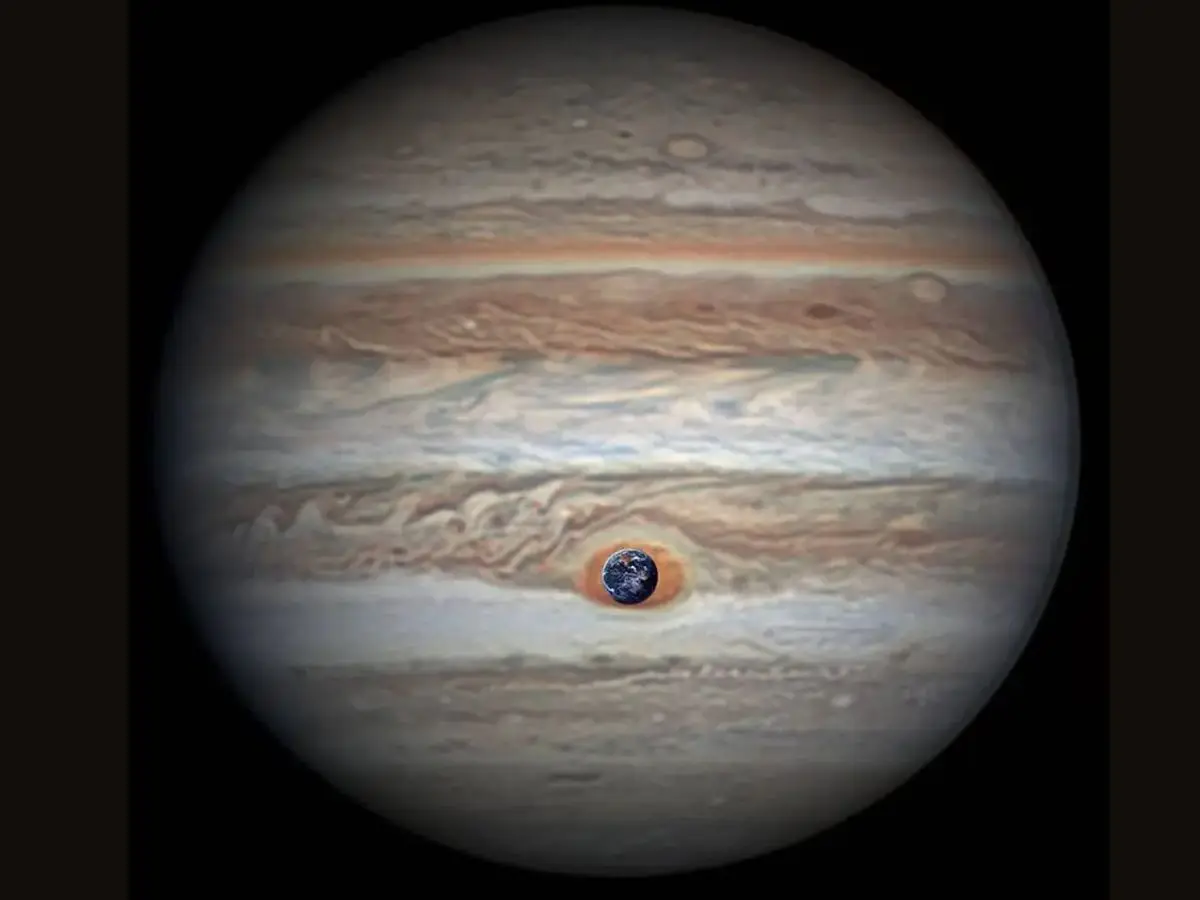
Discovering the Giant Planets
Voyager sent back detailed images and data of Jupiter's storms, Saturn’s rings, Uranus's tilted axis and Neptune's winds. It revealed moons with active geology and diverse environments, changing our view of the outer solar system.
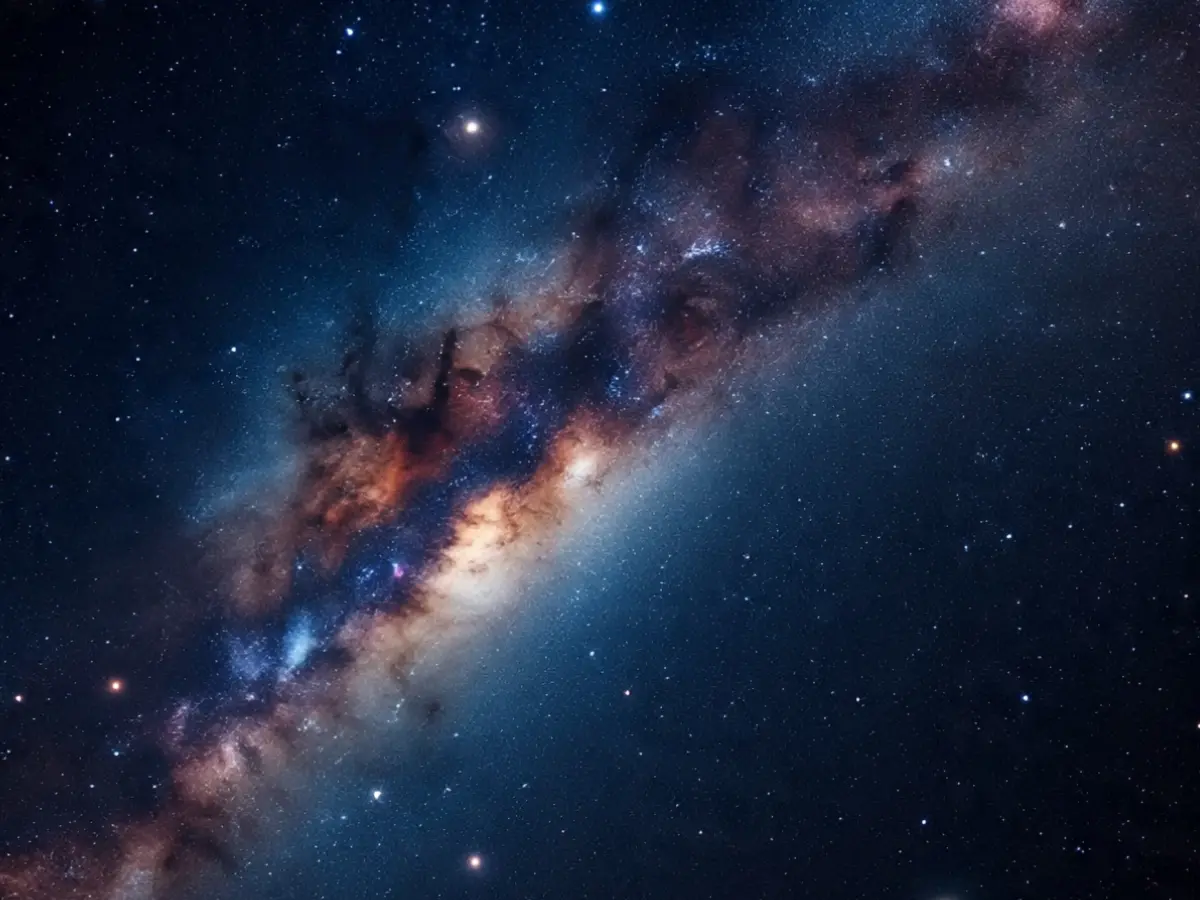
Voyagers Reach the Heliosphere
After completing their planetary flybys, the Voyagers continued outward to the heliosphere the protective bubble formed by the sun’s solar wind. This vast region shields our solar system from interstellar particles.

Crossing the Heliopause
In 2012, Voyager 1 crossed the heliopause, entering interstellar space for the first time in history. Voyager 2 followed in 2018. They detected a sudden change in plasma density and magnetic fields, marking the boundary where the sun's influence wanes.
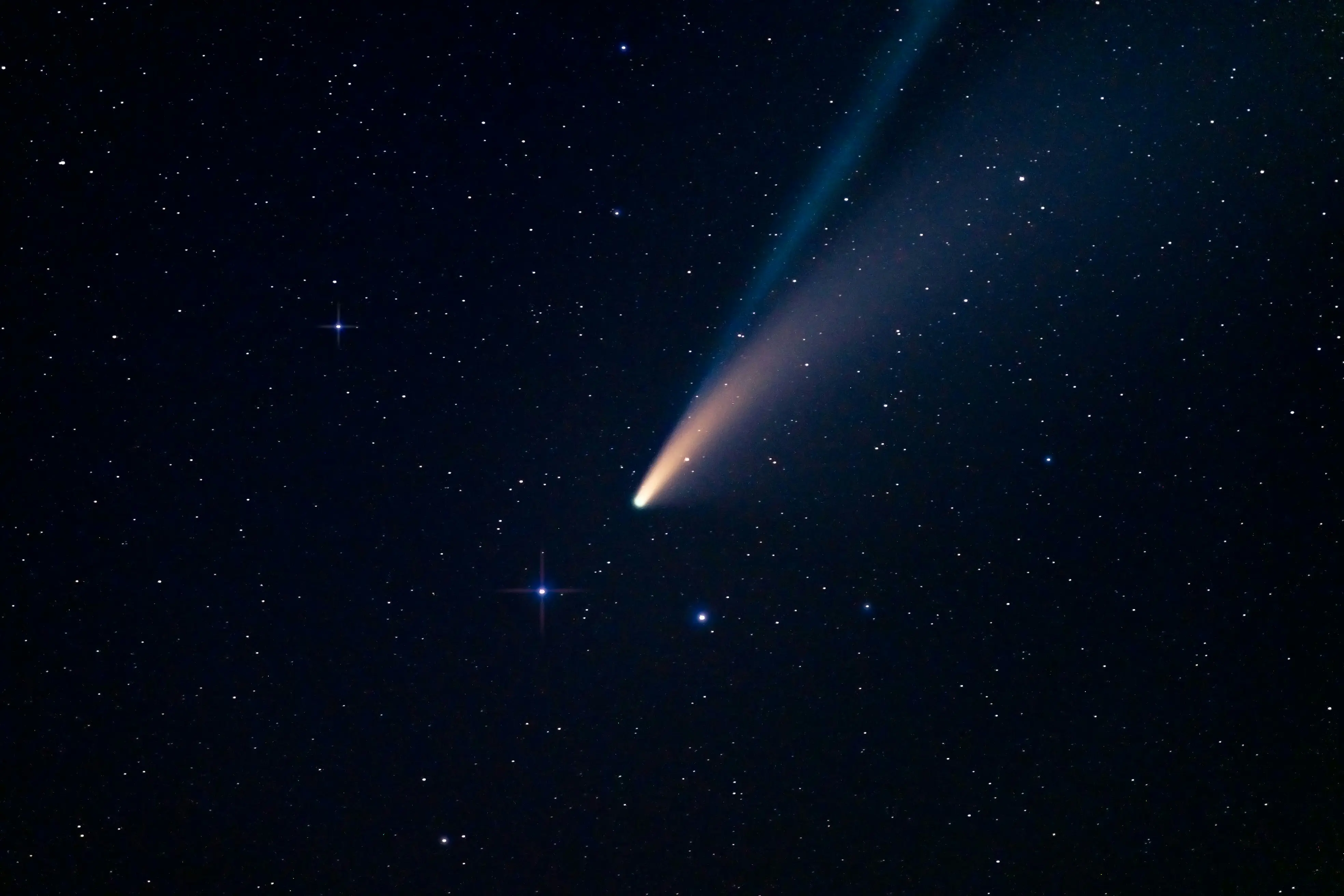
Probing the Interstellar Medium
Beyond the heliopause, Voyagers measure cosmic rays, magnetic fields and plasma waves in the interstellar medium the space between stars. This data helps us understand the galaxy’s environment and the “cosmic windshield” shaping our solar system's interaction with the galaxy.

Challenges of an Aging Mission
Voyager’s instruments are over four decades old. Some have failed, but mission controllers manage power and communication carefully to keep sending valuable data from about 14 billion miles away, where no other spacecraft has gone.

Voyager’s Enduring Legacy
Voyager has expanded our understanding from giant planets to interstellar space. Its data guides future missions and remains a beacon of human curiosity and achievement.
)
)
)
)
)