5 times asteroids hit the surface of the Earth in recent history

Asteroids are small, rocky or metallic bodies that orbit the Sun, essentially "minor planets" or "space rocks" left over from the formation of our solar system. But can you imagine what if an asteroid hits the Earth's surface? Let's have a look at such 5 major incidents.
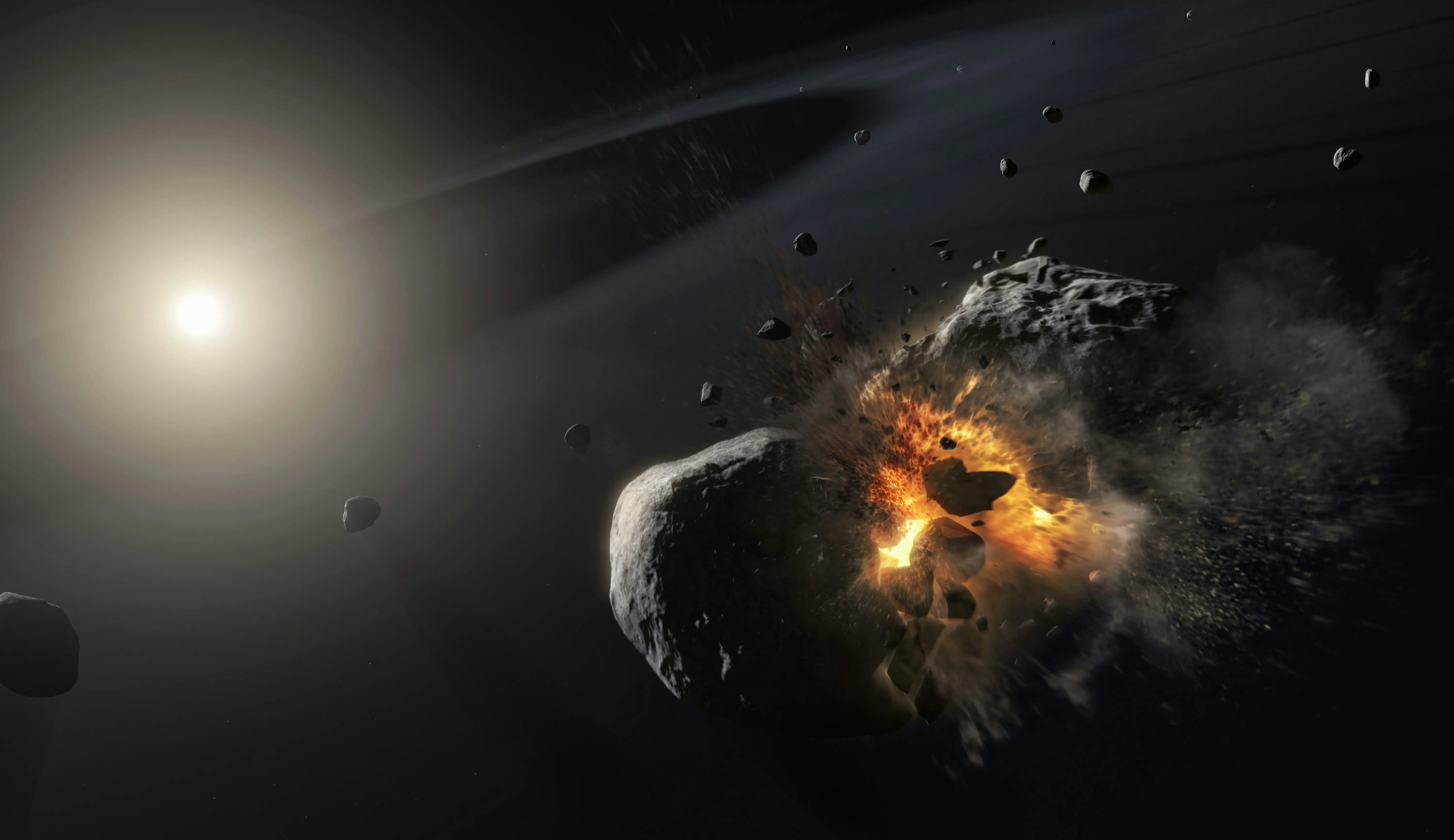
1. The Chelyabinsk Event
In the recent past the a football field-sized asteroid hit near Chelyabinsk, Russia on February 15, 2013. Surprisingly, much of the energy of the asteroid was absorbed by the atmosphere; however, it still resulted in shockwave injury to around 1,500 people and damaged over 7,000 apartments and commercial buildings.
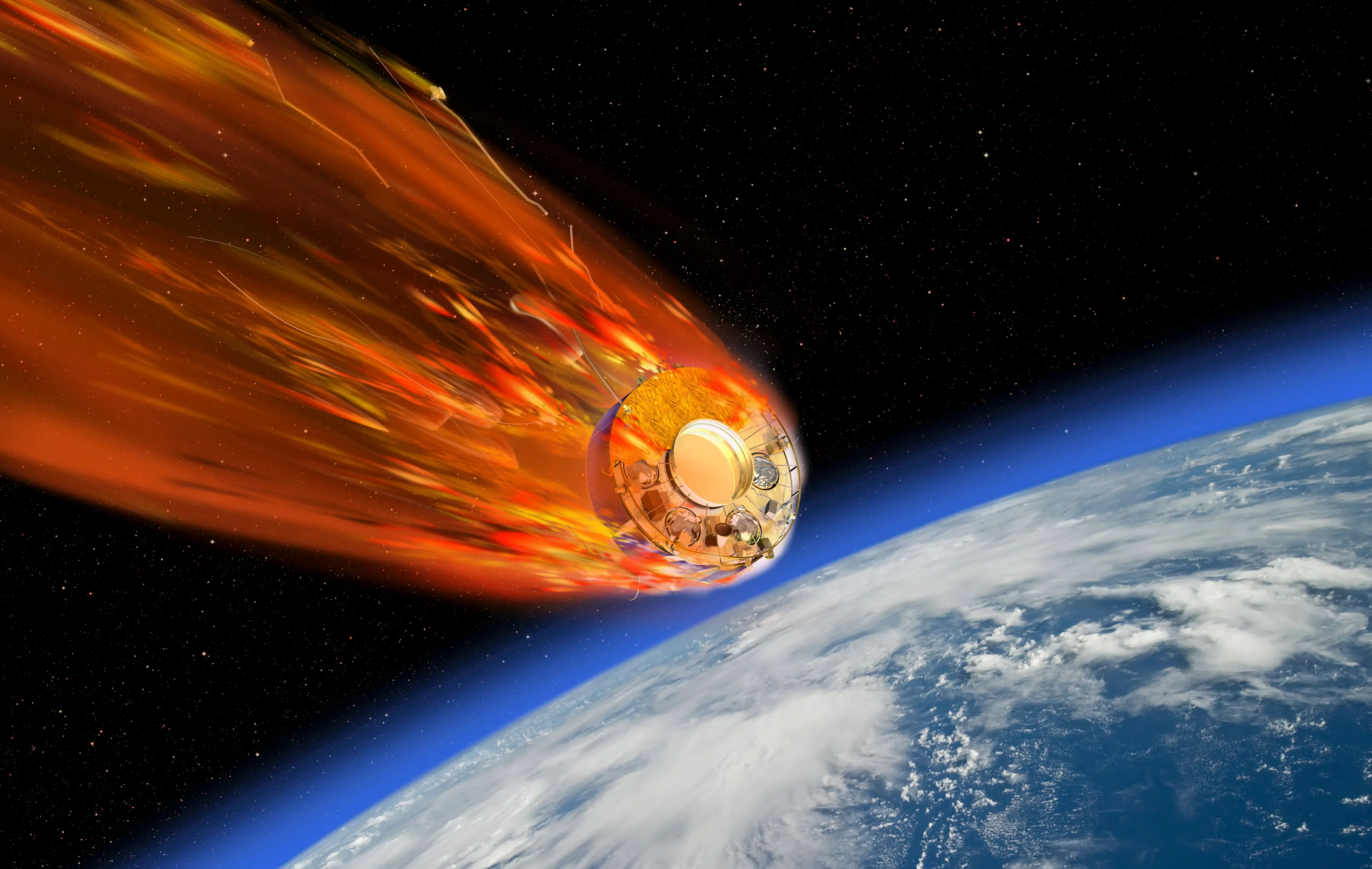
2. The Tunguska Event
On June 30, 1908, a massive 100-meter-wide asteroid exploded mid-air over Siberia’s Tunguska River, marking the largest recorded asteroid impact on Earth. The explosion, brighter than the sun, flattened about 80 million trees and killed reindeer across a vast butterfly-shaped zone. Eyewitnesses reported at least three deaths and described being thrown off their feet miles away.
The blast’s dust illuminated the skies so intensely that people in Asia could read at midnight. Political turmoil, World War I, and the Russian Revolution delayed scientific investigation until 1927, when researchers finally surveyed the site and confirmed the event’s extraordinary scale and impact.
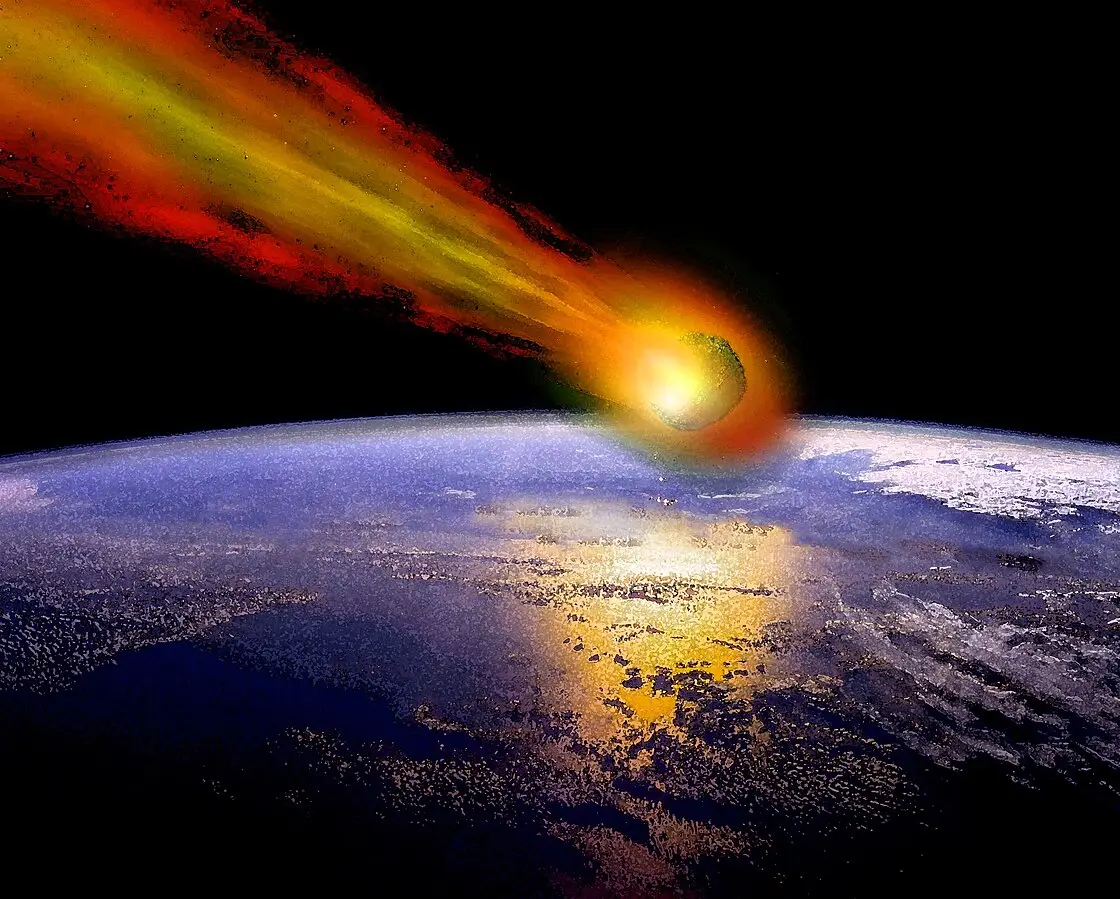
3. The Barringer Crater
The Barringer Crater is also called 'Meteor Crater', which is situated near Winslow, Arizona, USA. It is an iron meteorite approximately 50 meters in diameter that struck the Earth about 50,000 years ago, creating a crater around 1.2 kilometres in diameter and 170 meters deep. It is considered Earth's best-preserved impact sites for valuable scientific research.
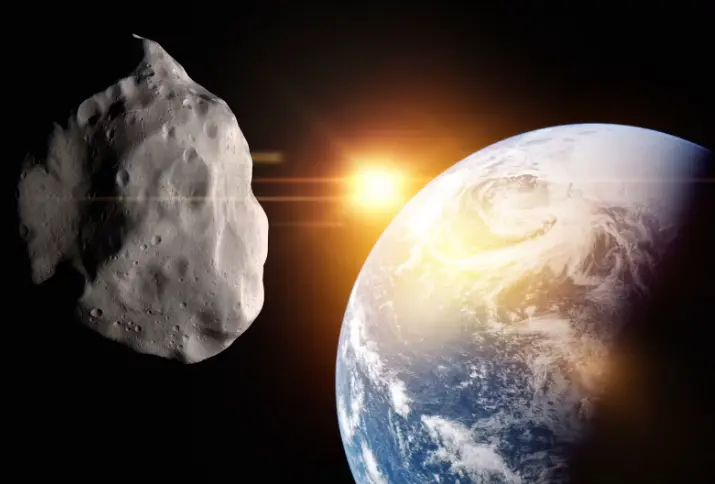
4. The Chesapeake Bay Crater
The Chesapeake Bay Crater, located beneath the Chesapeake Bay in the United States, was formed about 35 million years ago when an asteroid roughly 2 kilometres wide collided with the region. The impact created a massive crater spanning nearly 85 kilometres in diameter, drastically altering the area’s geological structure. Although now buried under layers of sediment, the crater continues to be a subject of extensive study through geophysical research and surveys.

5. The Chicxulub Event
Around 66 million years ago, a 10-kilometre-wide asteroid struck Mexico’s Yucatán Peninsula, forming the 180-kilometre Chicxulub crater and releasing energy equal to billions of megatons of TNT. The impact threw vast amounts of dust and debris into the atmosphere, blocking sunlight and triggering a “nuclear winter.” This sudden climate collapse caused extreme cooling and mass extinction, wiping out about 75 per cent of Earth’s species, including the dinosaurs.
)
)
)
)
)